Artwork
Small World
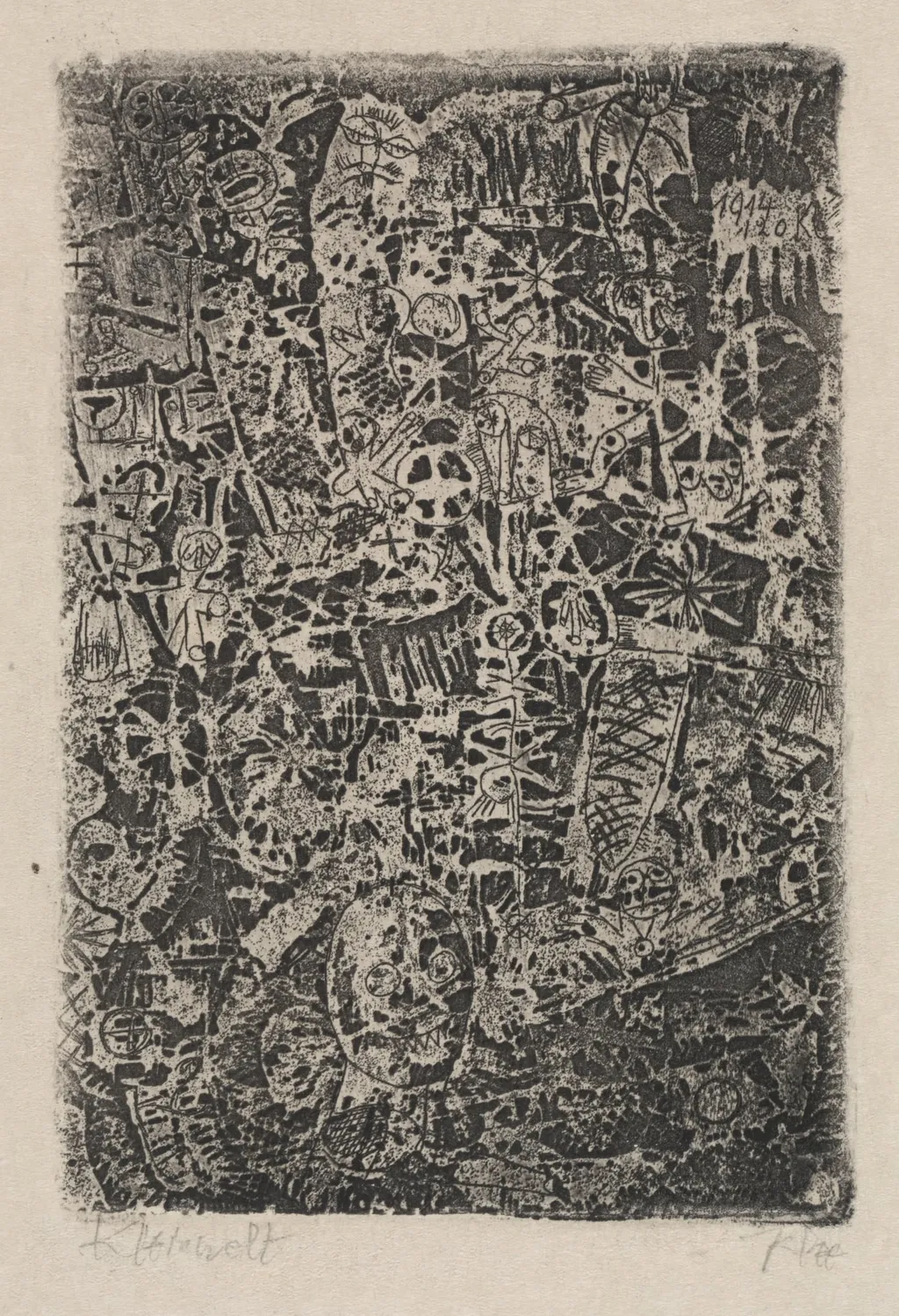
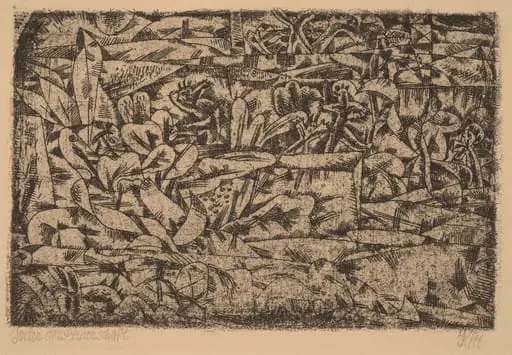
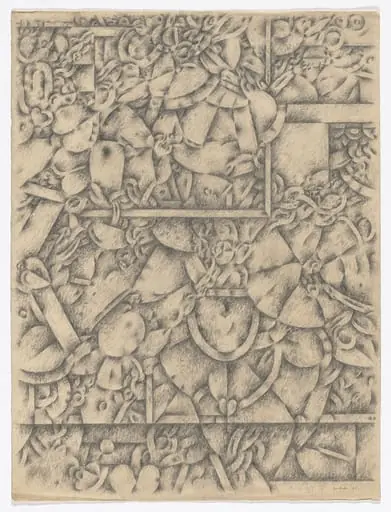
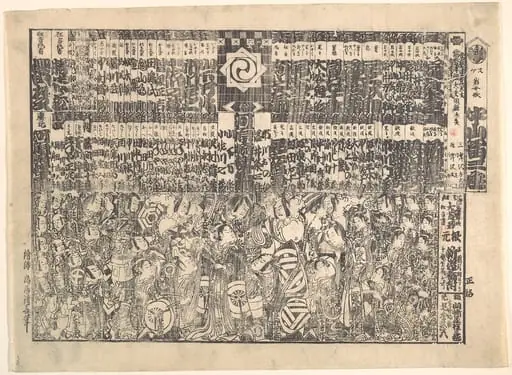
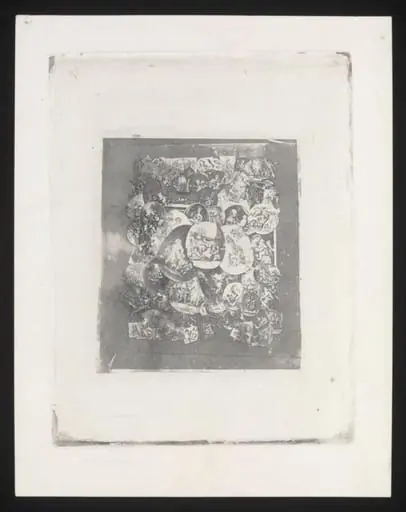
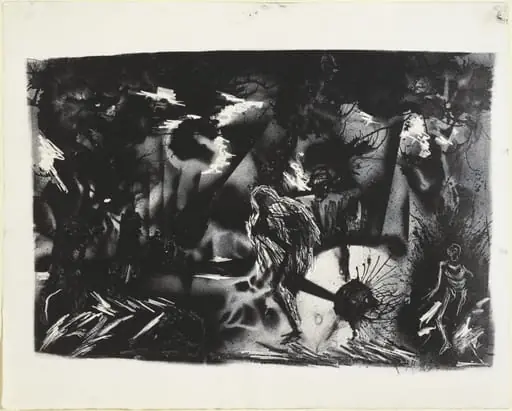
Small World is a print by Paul Klee. It dates from 1914 and is held in the collection of the Cleveland Museum of Art.
About this work
Overview
It exemplifies Klee’s interest in visual language beyond representation, blending figuration with cryptic notation in a densely layered composition.
Created in 1914 by Swiss-German artist Paul Klee, *Small World* is a monochromatic print that reflects his early experimentation with abstract form and symbolic imagery. Executed in ink and watercolor on paper, the work belongs to The Cleveland Museum of Art’s collection. It exemplifies Klee’s interest in visual language beyond representation, blending figuration with cryptic notation in a densely layered composition.
Subject & Meaning
The print presents a proliferation of small human figures, animals, and enigmatic signs arranged in a chaotic yet rhythmic field. No single narrative dominates; instead, the scene evokes a microcosm of life—perhaps a ritual, a journey, or a dreamlike society. The ambiguity invites multiple interpretations, aligning with Klee’s belief that art should suggest rather than declare, opening space for the viewer’s imagination.
Technique & Style
Klee employed fine pen lines and subtle washes to build texture and contrast, creating areas of dense black against faint, ghostly passages. The absence of color emphasizes tonal variation and linear complexity. His brushwork alternates between precise, almost calligraphic strokes and loose, spontaneous marks, reflecting influences from Expressionism and early Cubism while maintaining a uniquely personal idiom.
History & Provenance
Produced during Klee’s formative years, *Small World* predates his teaching at the Bauhaus and his later theoretical writings. It entered The Cleveland Museum of Art’s collection in the mid-20th century, part of a broader acquisition of modern European prints. The work’s survival in good condition reflects careful stewardship and its recognized significance within Klee’s early oeuvre.
Context
In 1914, Klee traveled to Tunisia, where vibrant color and North African patterns deeply influenced his work. Though *Small World* remains in black and white, its intricate patterning and symbolic density echo the visual intensity he encountered there. The piece also resonates with contemporaneous developments in avant-garde art, including the rise of abstraction and interest in primitive or childlike expression.
Legacy
Though modest in scale, *Small World* exemplifies Klee’s enduring contribution to modern art: the elevation of drawing as a conceptual tool and the integration of poetic ambiguity into visual form. Its influence extends to later generations of artists drawn to symbolic abstraction and the expressive potential of line. The work remains a quiet but vital document of his evolving artistic philosophy.
Artist & collection
Artist
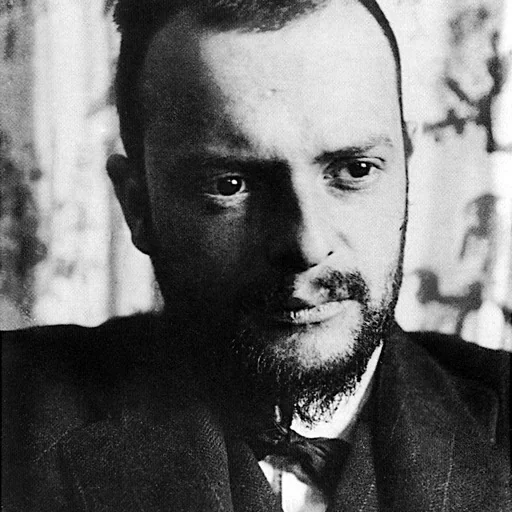
Paul Klee (German: ; 18 December 1879 – 29 June 1940) was a Swiss-born German artist.