Artwork
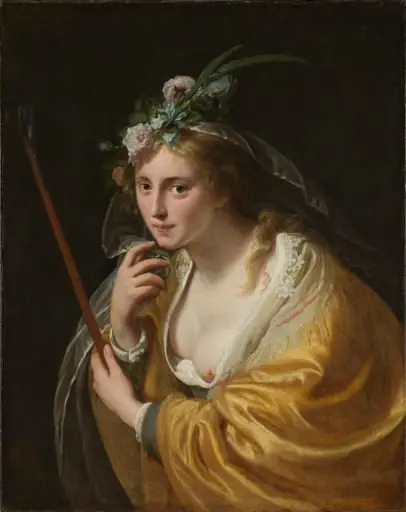
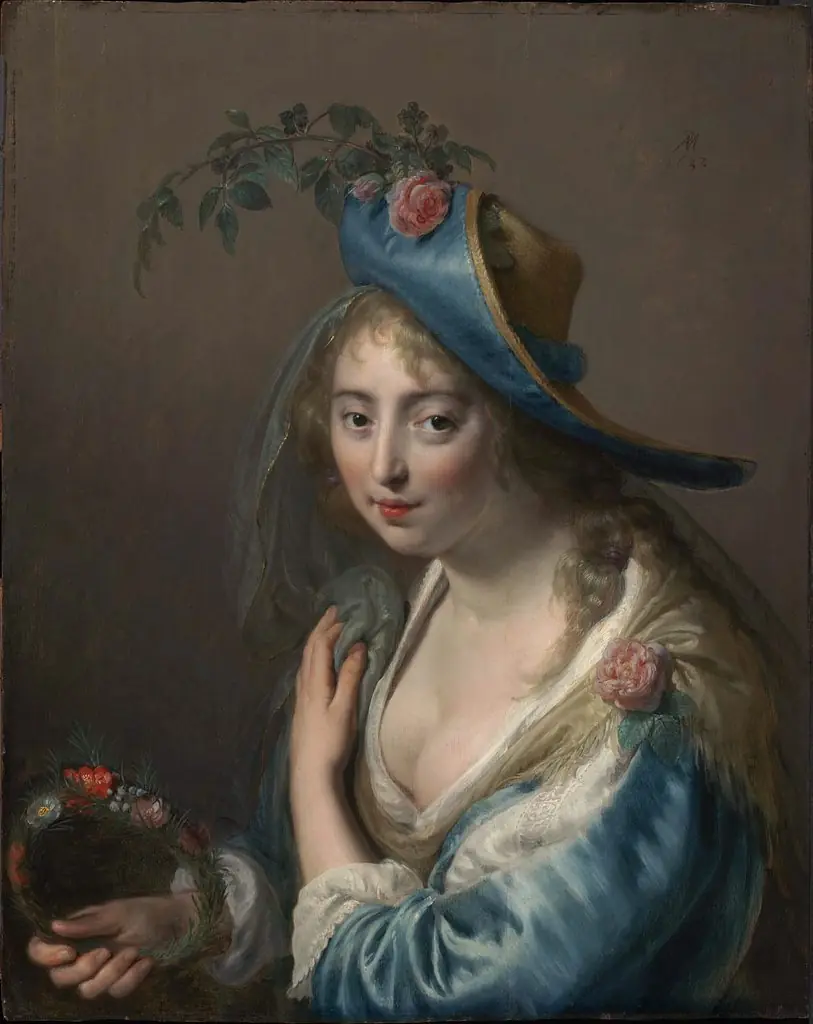
Portrait of a Young Woman as Granida
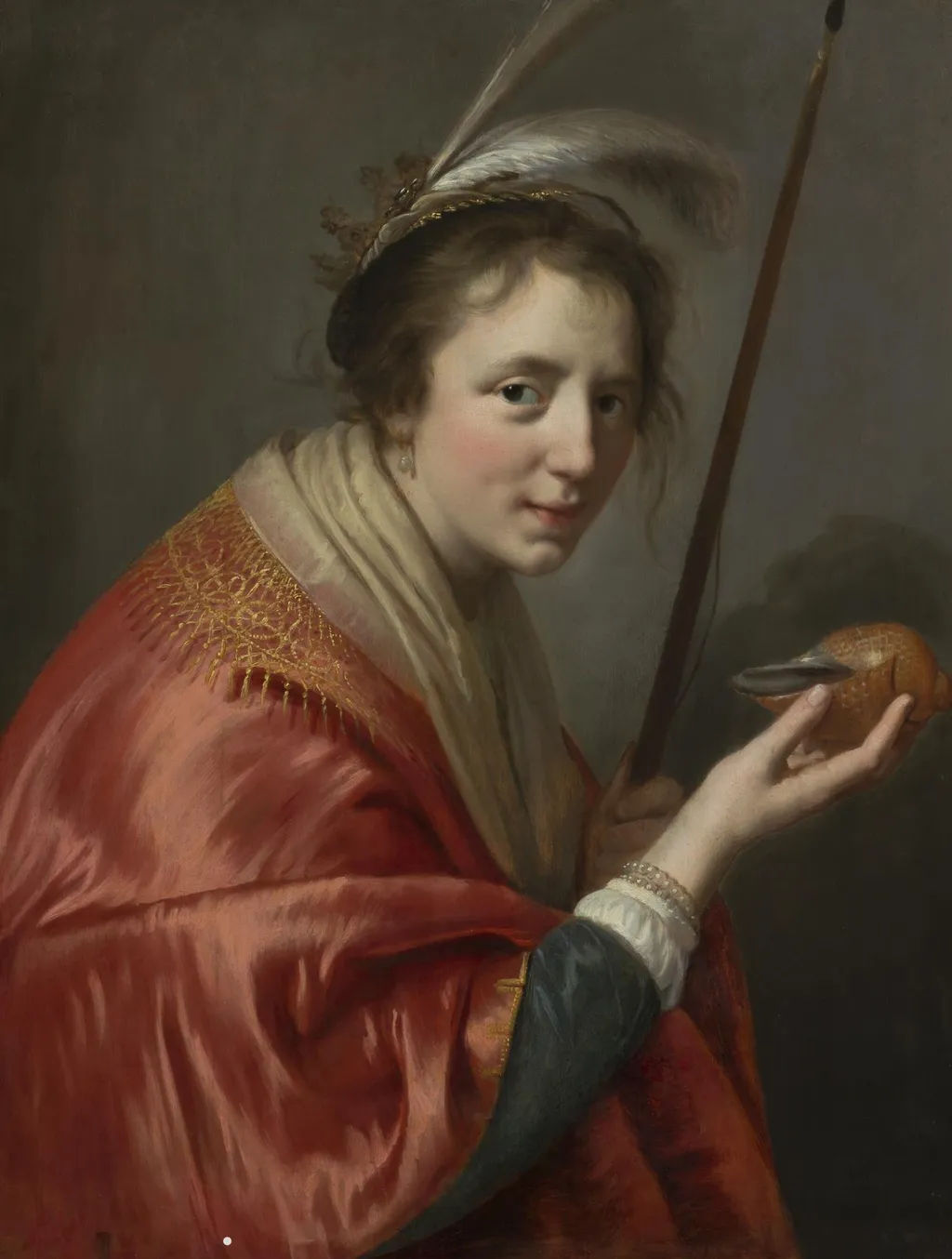
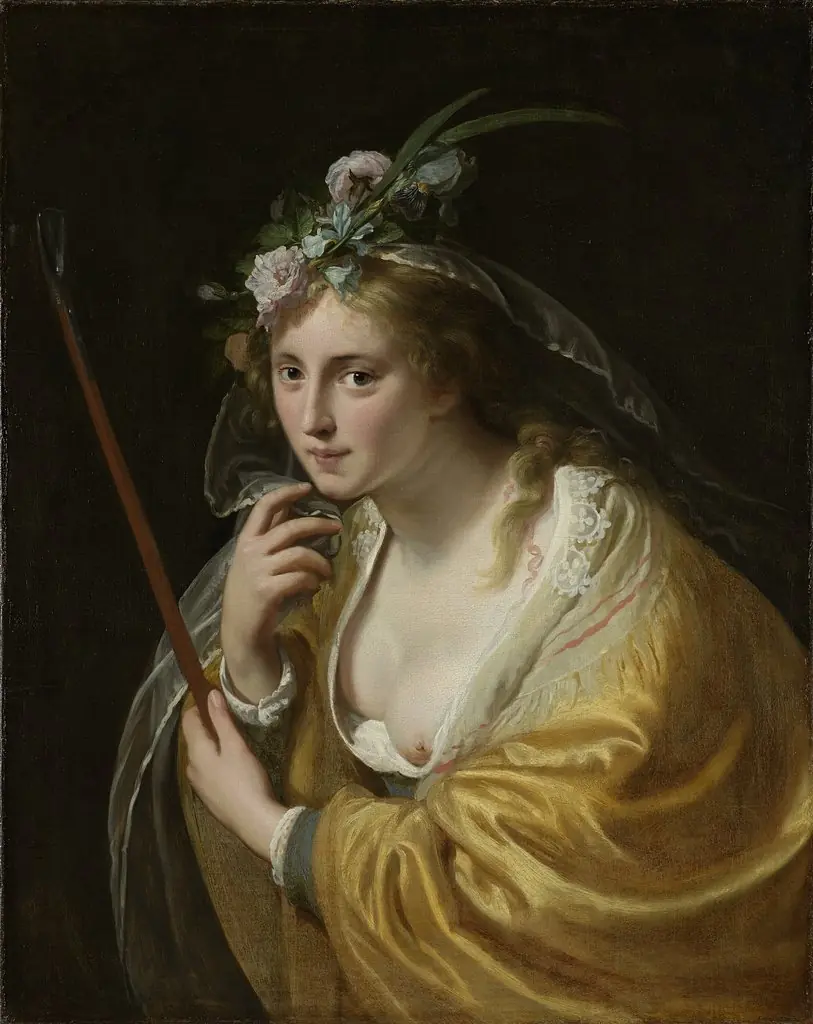
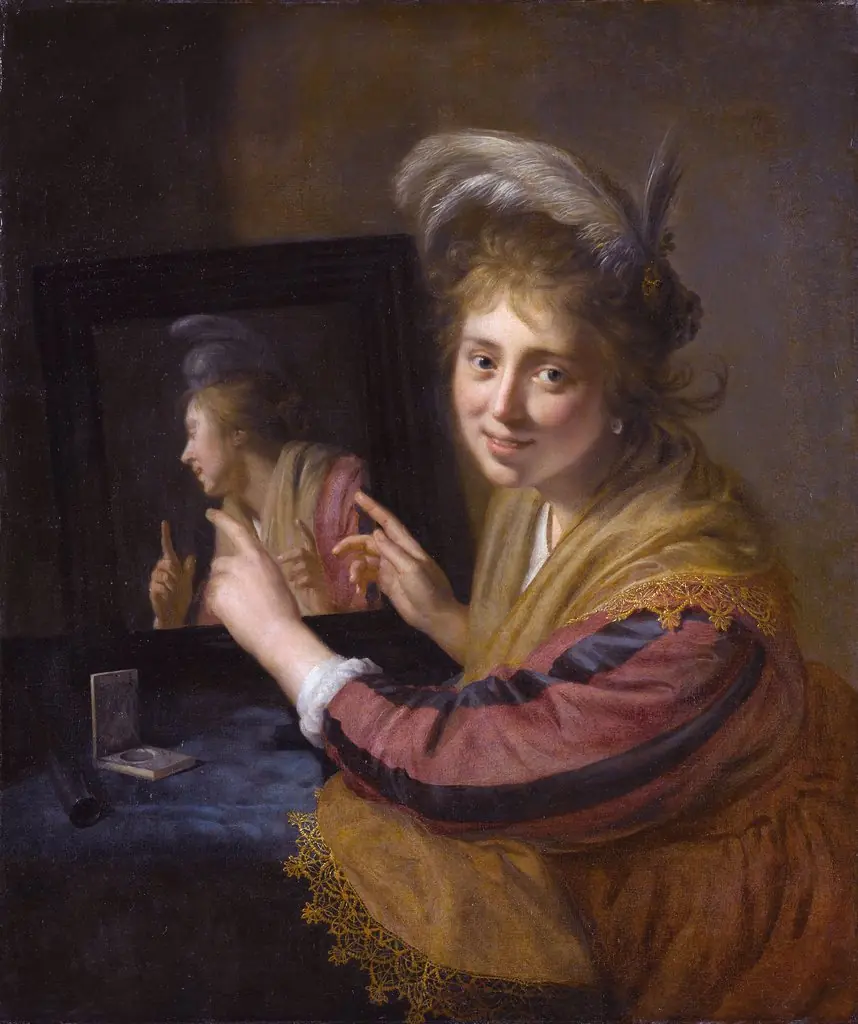
Portrait of a Young Woman as Granida is an oil painting by the Dutch Golden Age artist Paulus Moreelse. It dates from 1614 and is held in the collection of the Hermitage Museum.
About this work
Overview
Paulus Moreelse’s oil portrait, dated around 1614, presents a young woman identified as Granida. The work is part of the collection of the State Hermitage Museum in St. Petersburg. Rendered in a restrained, dark background, the composition concentrates on the sitter’s face, hands, and the pomegranate she holds, creating a focused and intimate visual encounter.
Subject & Meaning
The figure is portrayed as Granida, a character from contemporary pastoral literature, symbolizing youthful virtue and romantic longing. The pomegranate, partially split to reveal its seeds, serves as an emblem of fertility and hidden complexity, echoing the literary associations of the character and adding a layer of symbolic depth to the portrait.
Technique & Style
Moreelse employs a chiaroscuro effect, using strong contrasts between the illuminated red robes and the surrounding darkness to model the sitter’s features. The delicate handling of light on the gloved hands and the gleam of the pearl bracelet demonstrates the artist’s skill in rendering texture and material, while the subdued background enhances the three‑dimensionality of the figure.
History & Provenance
Created in the early seventeenth century, the painting entered the State Hermitage Museum’s holdings during the museum’s expansion of Dutch Golden Age works. Its documented provenance traces back to private collections in the Netherlands before being acquired by the Russian imperial collection in the nineteenth century, where it remains on display.
Context
Moreelse, a leading portraitist in Utrecht, often blended courtly elegance with emerging Baroque sensibilities. This work reflects the period’s fascination with literary personae and the use of allegorical objects, situating the portrait within a broader trend of integrating narrative themes into private portraiture during the Dutch Golden Age.
Own this work as a print
Artist & collection