Artwork
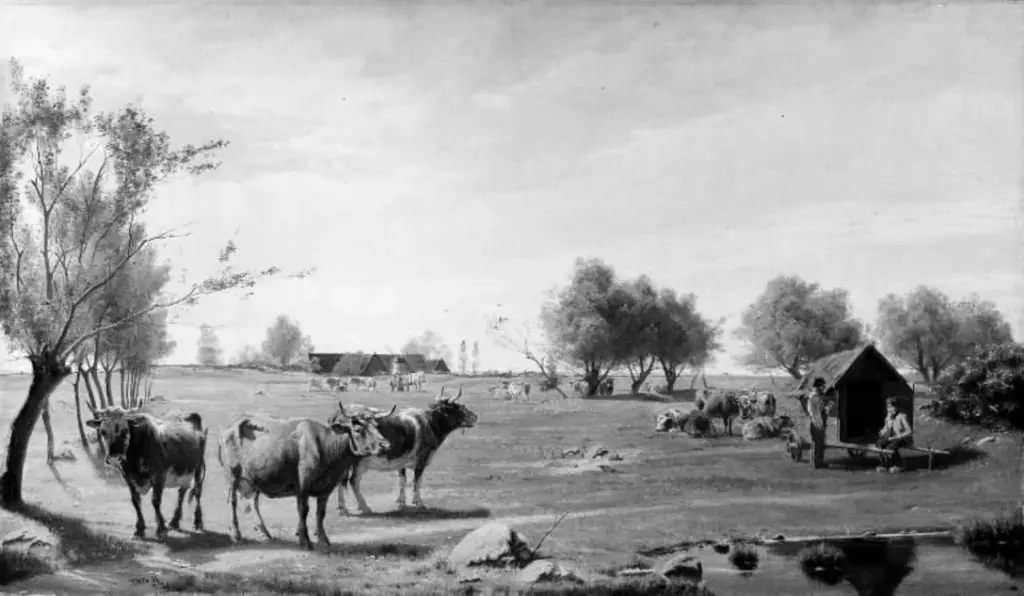
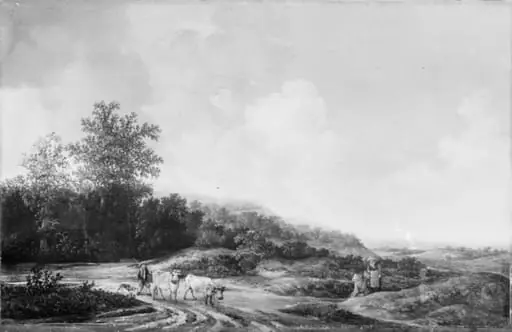
Cattle Driver with Herd
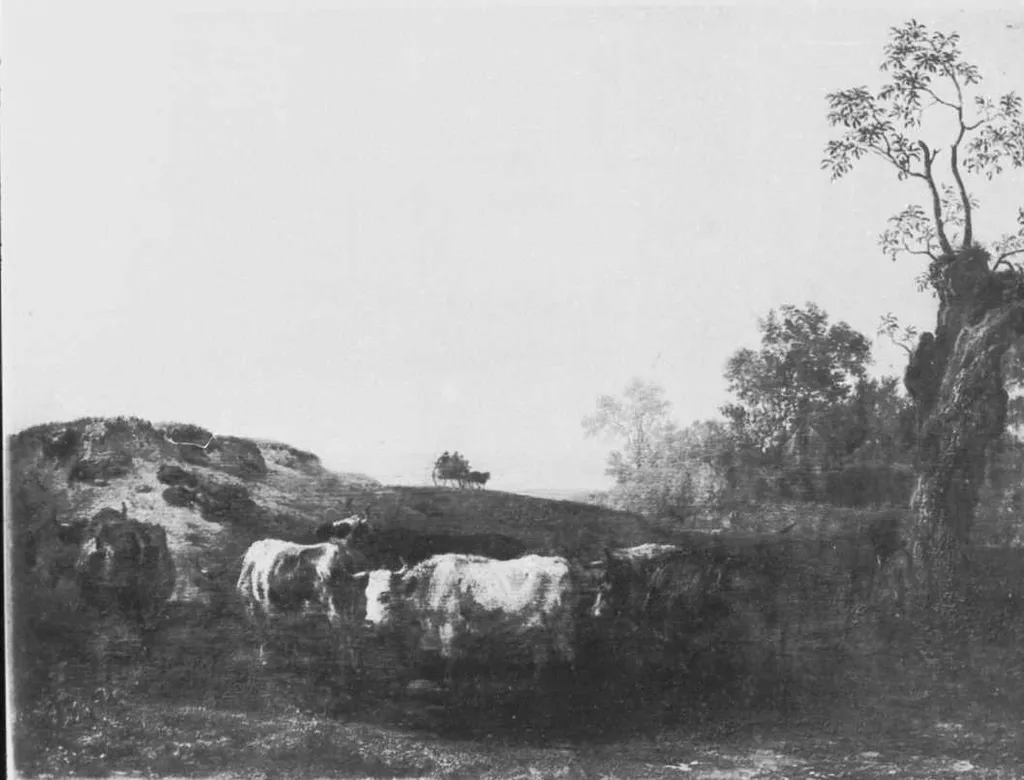
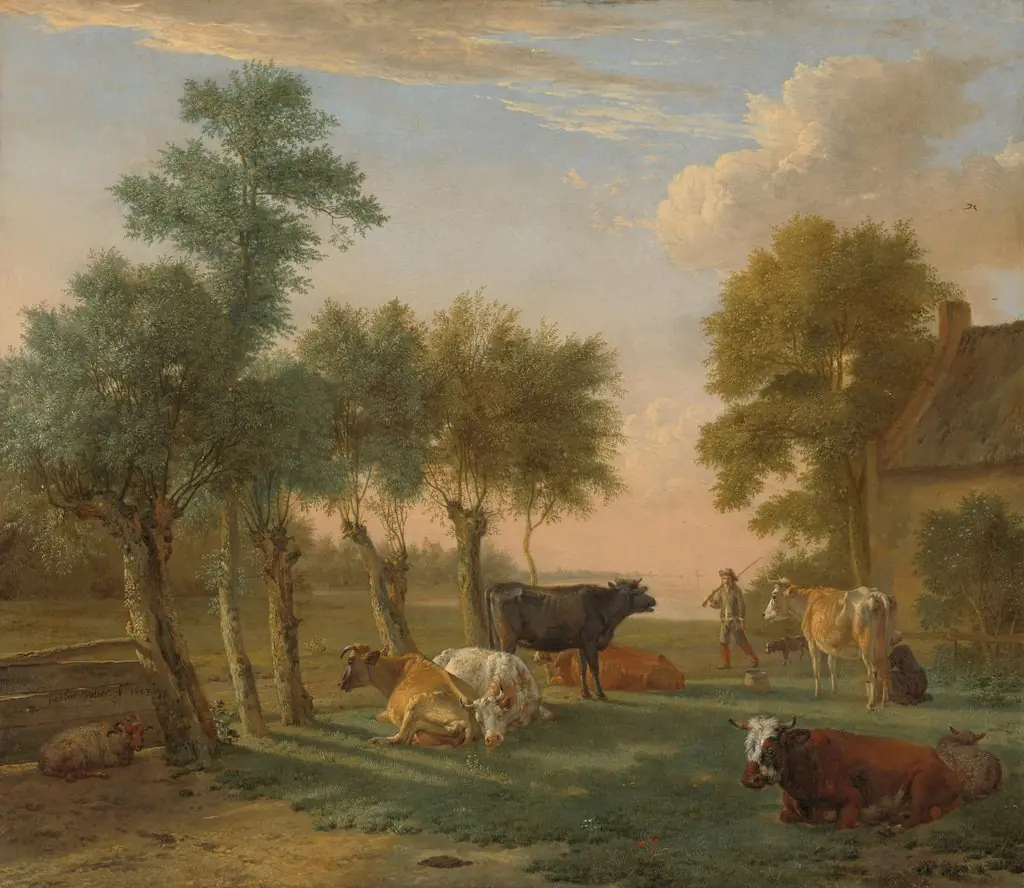
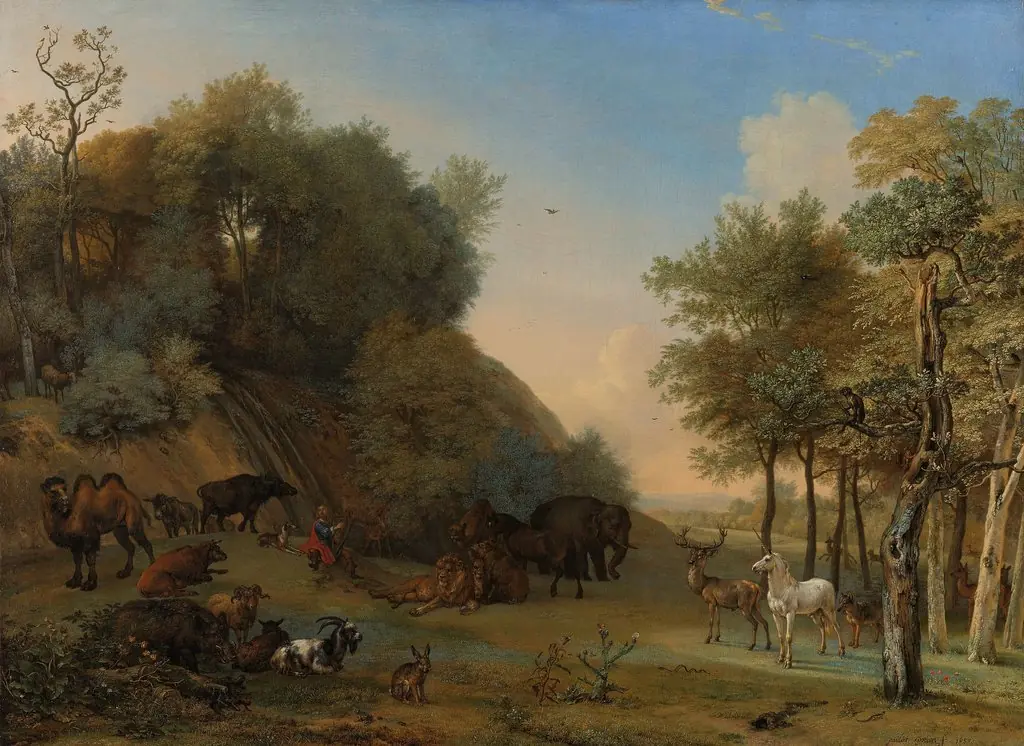
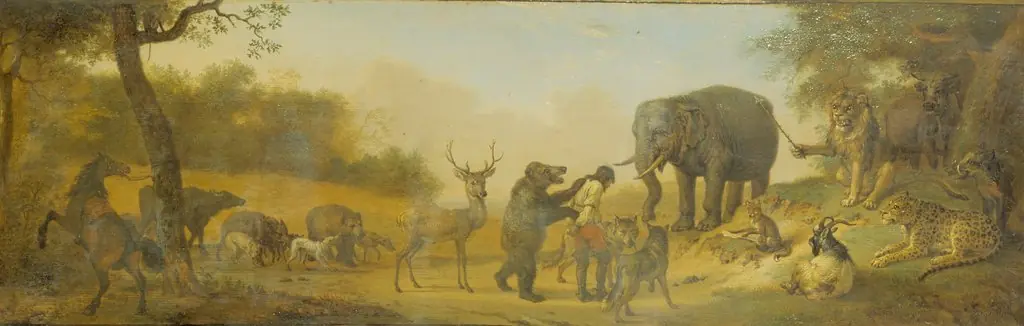
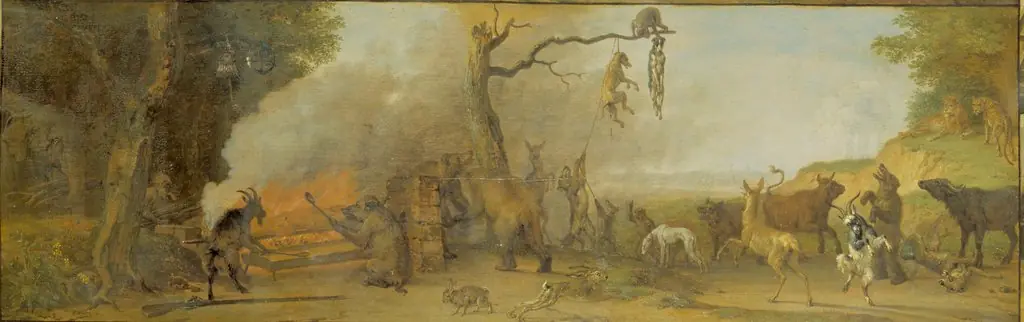
Cattle Driver with Herd is an oil painting by the Dutch Golden Age artist Paulus Potter. It dates from 1652 and is held in the collection of the Staatliche Kunstsammlungen Dresden.
About this work
Overview
The painting is part of the Gemäldegalerie Alte Meister’s collection and reflects his lifelong dedication to observing livestock in their environments.
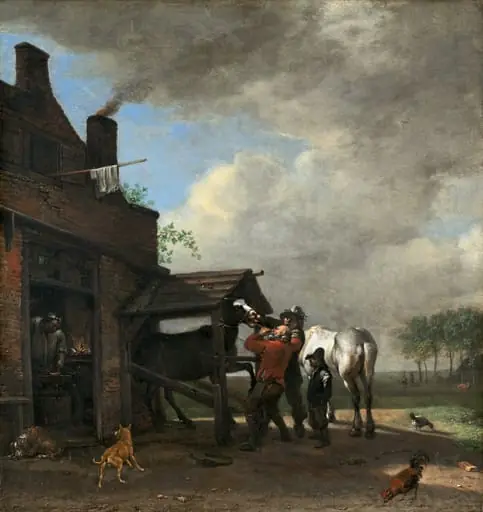
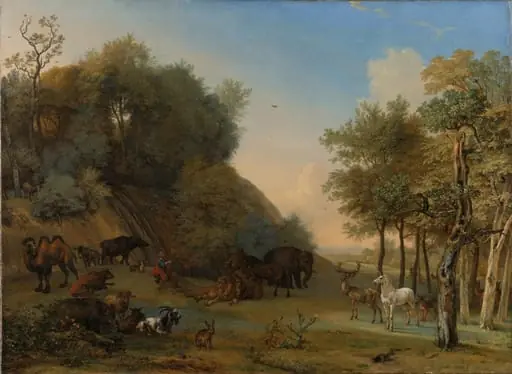
Painted in 1652 by Paulus Potter, this oil-on-canvas work depicts a rural scene of cattle being guided across open land. Potter, active during the Dutch Golden Age, focused on animals within natural settings, often rendering them with unusual intimacy. The painting is part of the Gemäldegalerie Alte Meister’s collection and reflects his lifelong dedication to observing livestock in their environments.
Subject & Meaning
A lone herdsman, clad in simple rural attire, leads a group of cattle through a quiet landscape. The driver’s modest presence and the herd’s relaxed movement suggest a routine, unromanticized moment of agricultural life. There is no dramatic narrative—only the quiet rhythm of daily labor, emphasizing the harmony between human activity and the natural world as understood in 17th-century Dutch society.
Technique & Style
Potter employed visible, textured brushwork to render fur, foliage, and sky with tactile realism. The palette of muted greens, browns, and grays creates a subdued, atmospheric depth. By positioning the viewer at ground level, he draws attention to the animals’ physical presence and the terrain they traverse, a signature approach that distinguishes his work from more elevated landscape conventions of the time.
History & Provenance
Created in the final years of Potter’s short life, the painting was made when he was just 24. He died of tuberculosis in 1654, having produced approximately 100 known works. The painting entered the Gemäldegalerie Alte Meister’s holdings in the 19th century, where it remains as part of a broader collection of Dutch Golden Age art, preserved for its observational precision rather than grandeur.
Context
During the Dutch Golden Age, rising urban prosperity fostered interest in depictions of rural life and domesticated animals. Potter’s focus on cattle, sheep, and horses reflected both a market demand for naturalistic scenes and a cultural appreciation for the agricultural foundations of Dutch society. His work stood apart from mythological or aristocratic themes, offering instead unembellished views of everyday rural labor.
Legacy
Though Potter died young, his detailed, empathetic portrayals of animals influenced later generations of animal painters and landscape artists. His low-angle compositions and attention to individual animal anatomy became benchmarks in Dutch genre painting. Today, his works are studied for their quiet realism and the way they elevate ordinary rural moments into enduring visual records.
Artist & collection
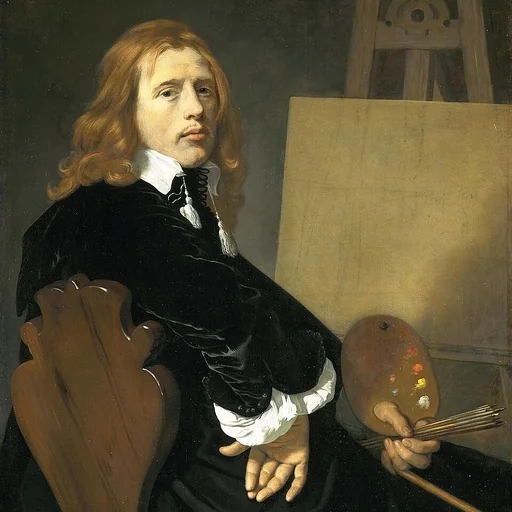
Artist
Paulus Potter (Dutch pronunciation: ; 20 November 1625 (baptised) – 17 January 1654 (buried)) was a Dutch painter who specialized in landscapes featuring animals, often from a low vantage point.