Artwork
John Beale Bordley
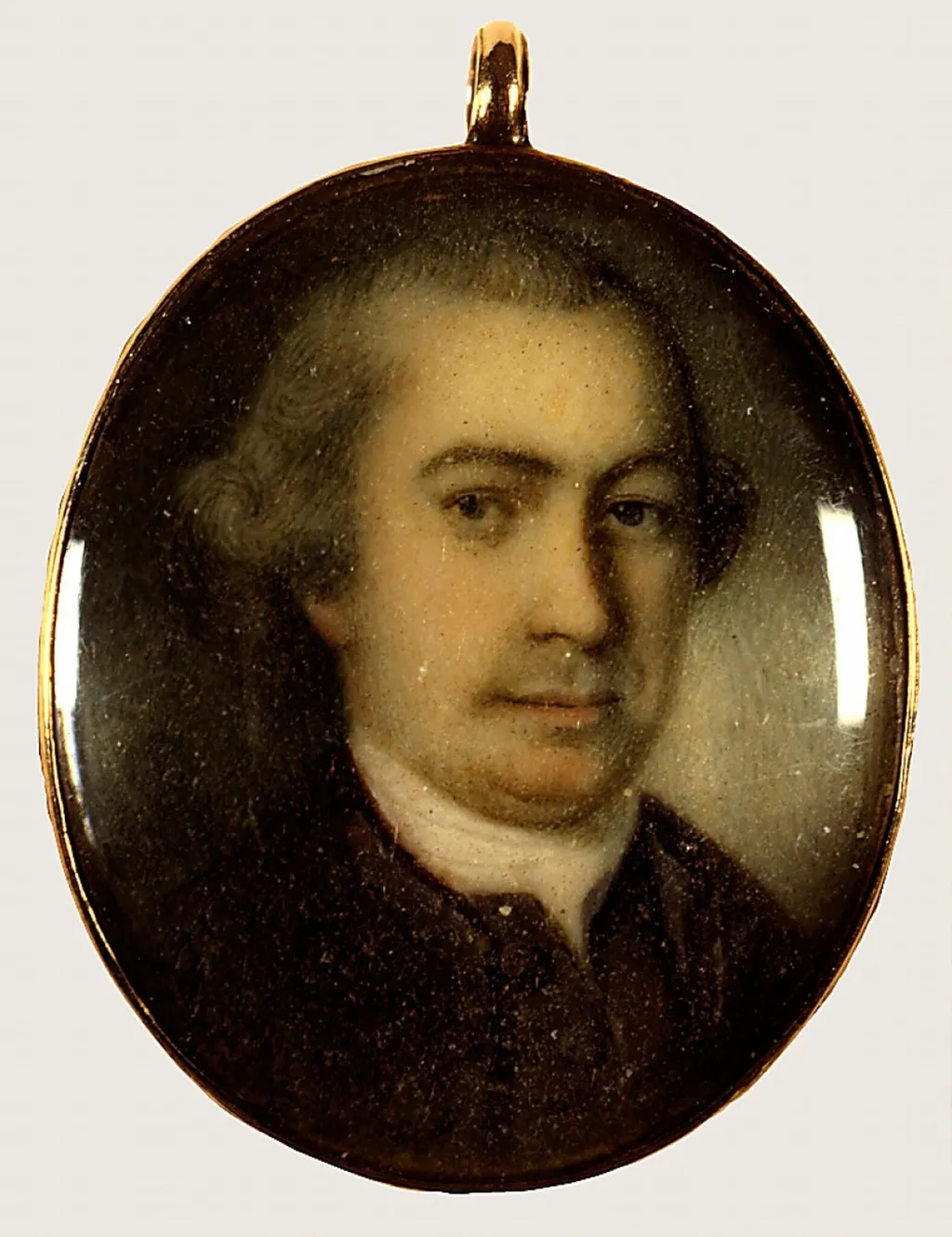
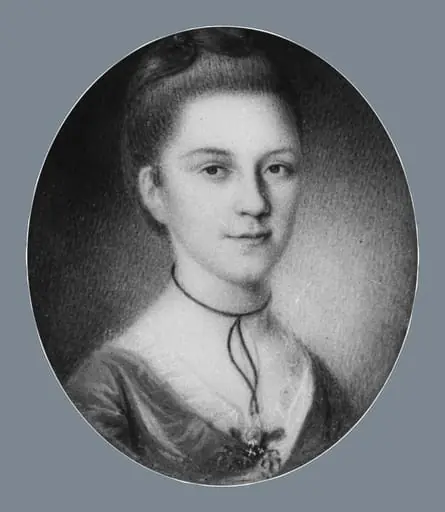
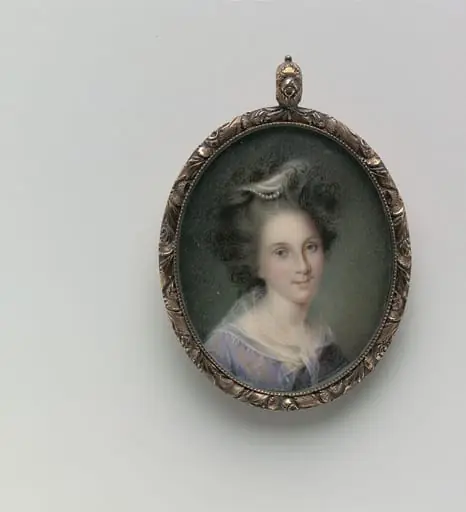
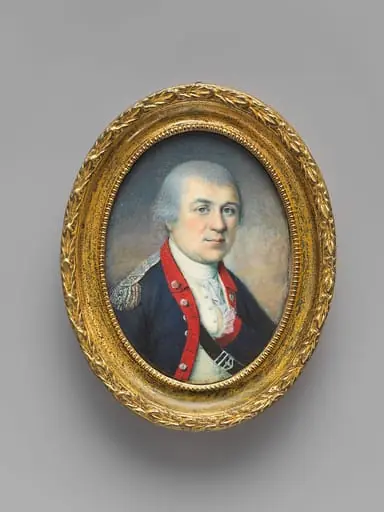
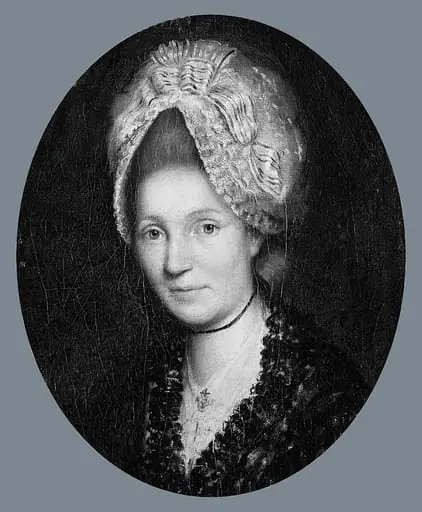
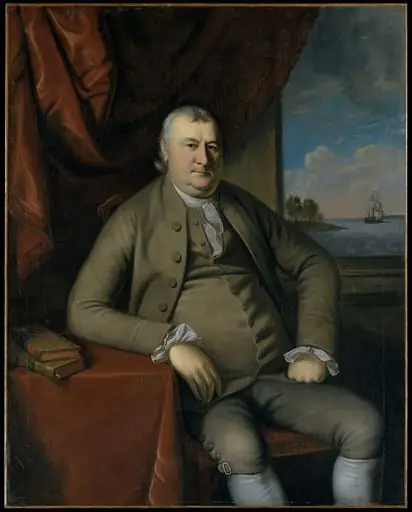
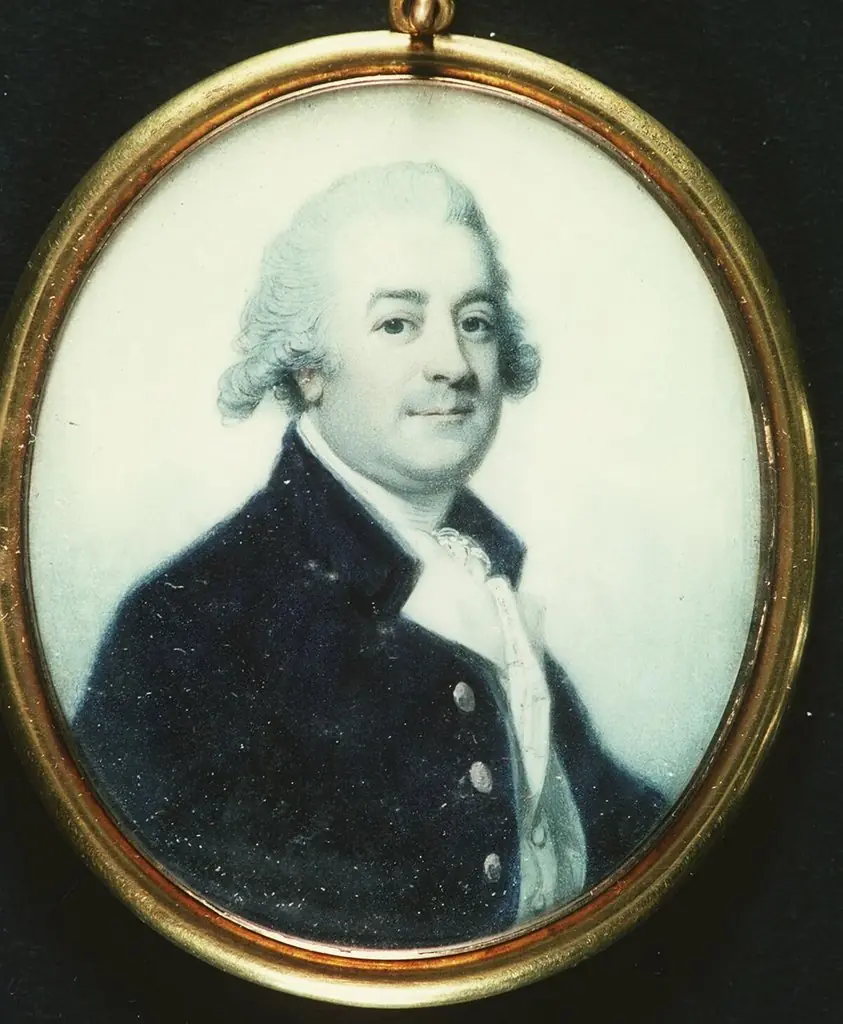
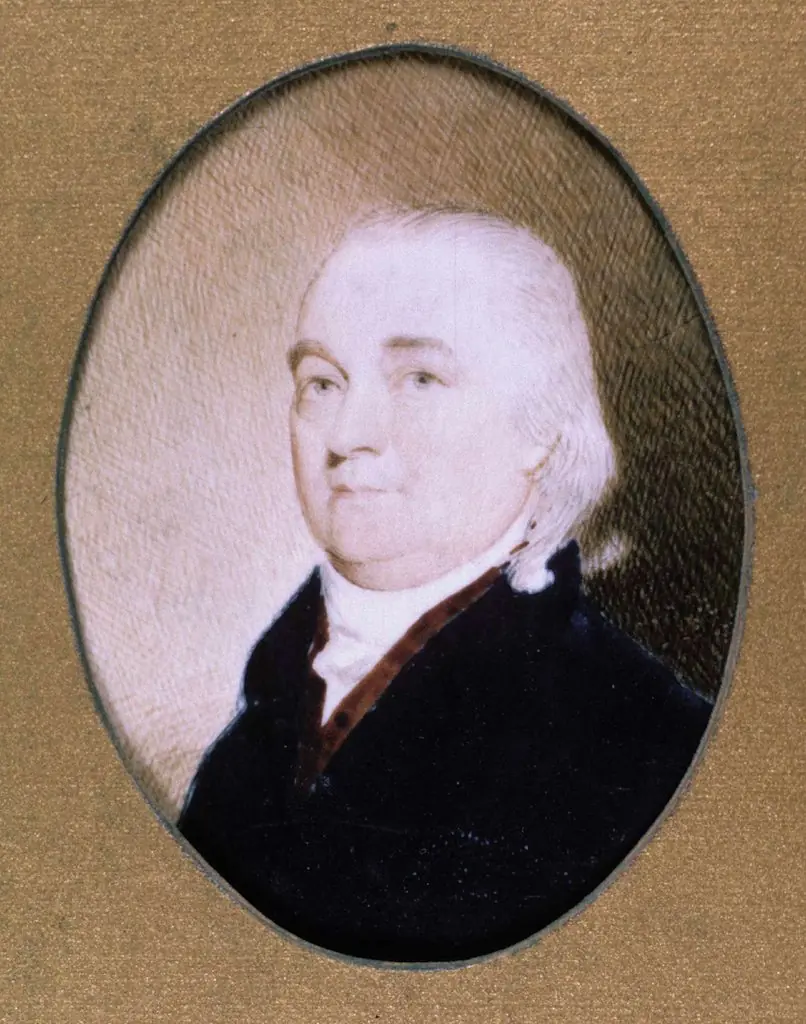
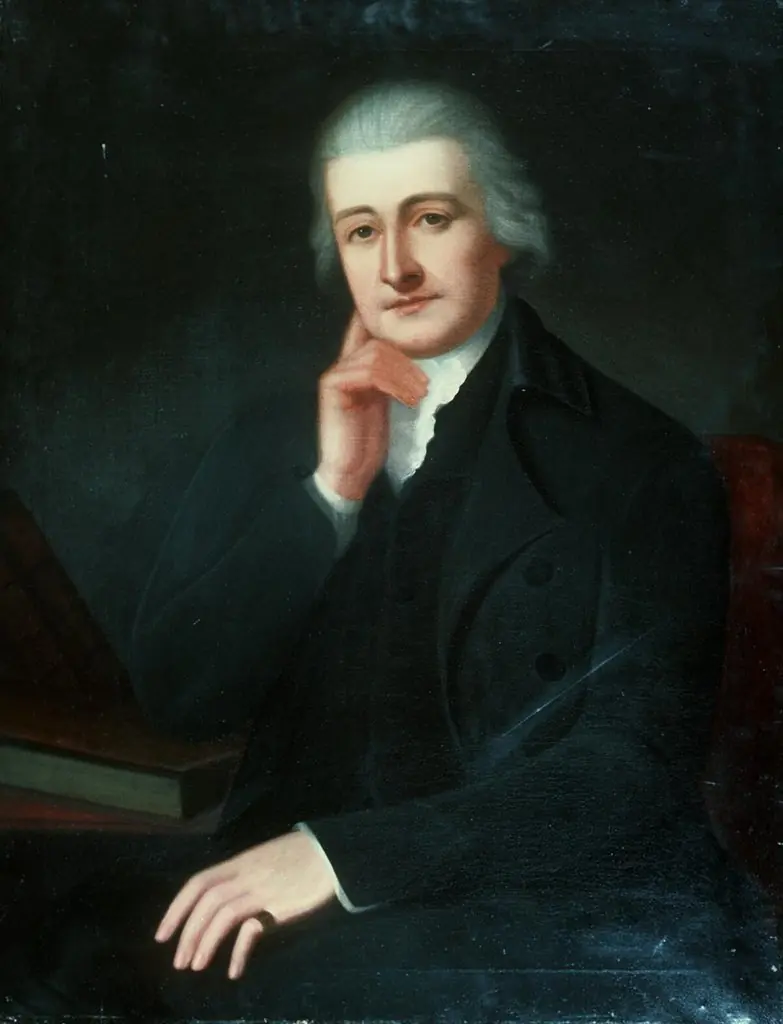
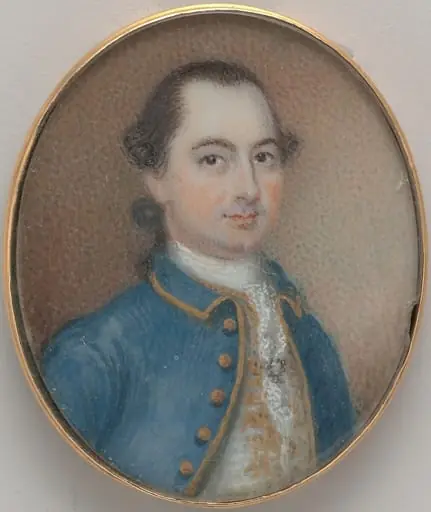
John Beale Bordley is a watercolor drawing by the Romanticist artist Charles Willson Peale. It dates from 1770 and is held in the collection of the National Gallery of Art.
About this work
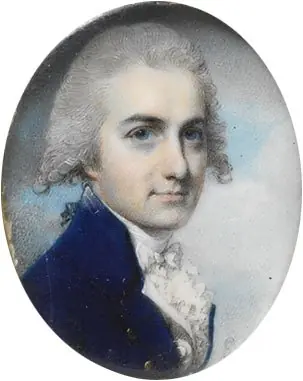
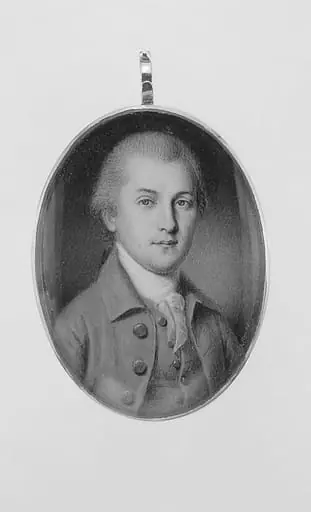
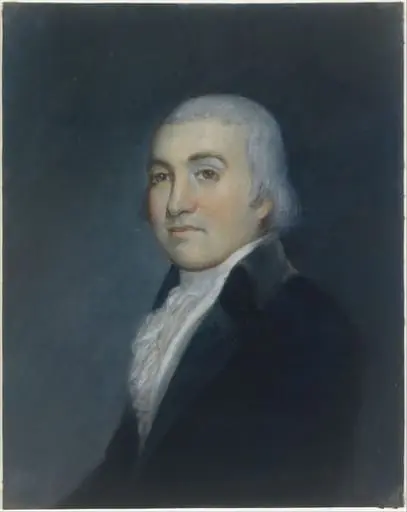
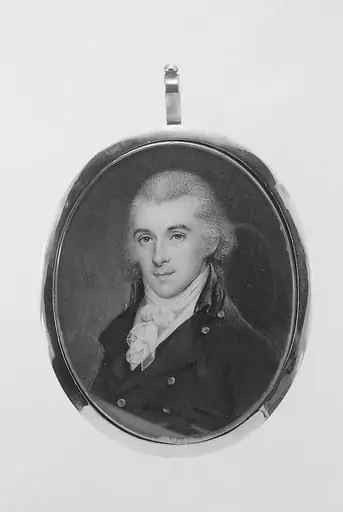
This painting is a portrait of John Beale Bordley.
It was made around 1770, a time when portraits were often used to show a person's status. The artist used watercolor on ivory, which was a unique medium for portraits back then.
You can learn more about the style of this portrait by looking into the work of artist Peale, Charles Willson.
Overview
This watercolor on ivory portrait depicts John Beale Bordley, created around 1770 by Charles Willson Peale. The use of ivory as a support was uncommon in American portraiture at the time, reflecting a refined, intimate approach to likeness. The small scale and delicate medium suggest a private commission rather than a public statement, aligning with elite tastes in early American visual culture.
Subject & Meaning
The choice of medium and composition suggests an emphasis on personal integrity and cultivated intellect rather than wealth or power.
John Beale Bordley was a Maryland jurist and agricultural reformer, known for his intellectual pursuits and civic engagement. The portrait presents him with quiet dignity, avoiding overt symbols of rank. His gaze is direct but restrained, emphasizing character over status. The choice of medium and composition suggests an emphasis on personal integrity and cultivated intellect rather than wealth or power.
Technique & Style
Peale employed watercolor on a thin slice of ivory, a technique borrowed from European miniaturists. The translucent layers of pigment allowed subtle gradations of tone, capturing the softness of skin and the sheen of fabric. The brushwork is precise yet unobtrusive, favoring clarity over ornament. This method required exceptional control and was typically reserved for small-scale, personal portraits.
History & Provenance
The portrait was likely commissioned by Bordley or a close associate during Peale’s early career, before his larger historical works gained prominence. It remained within the Bordley family for generations before entering a public collection. Its survival is notable, as many ivory miniatures from this period were lost to damage or dispersal.
Context
In the 1770s, American portraiture was transitioning from colonial conventions toward a more distinct national style. Watercolor on ivory was rare in the colonies, typically imported from England. Peale’s adoption of the medium reflects both his technical curiosity and the influence of European artistic practices among the educated elite seeking refined representations of self.
Legacy
This work stands as an early example of Peale’s versatility beyond oil painting and his engagement with intimate portraiture. It contributed to the gradual acceptance of watercolor on ivory in American art, influencing later miniaturists. Though not widely exhibited, it remains a significant record of how personal identity was visually articulated in pre-Revolutionary America.
Artist & collection
Artist
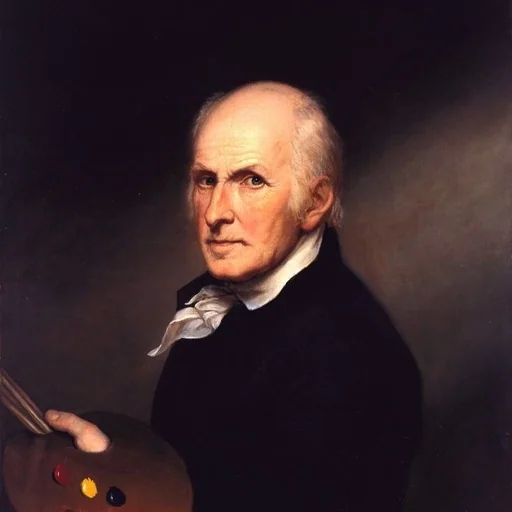
Charles Willson Peale (April 15, 1741 – February 22, 1827) was an American painter, military officer, scientist, and naturalist.