Artwork
Study for a Panel
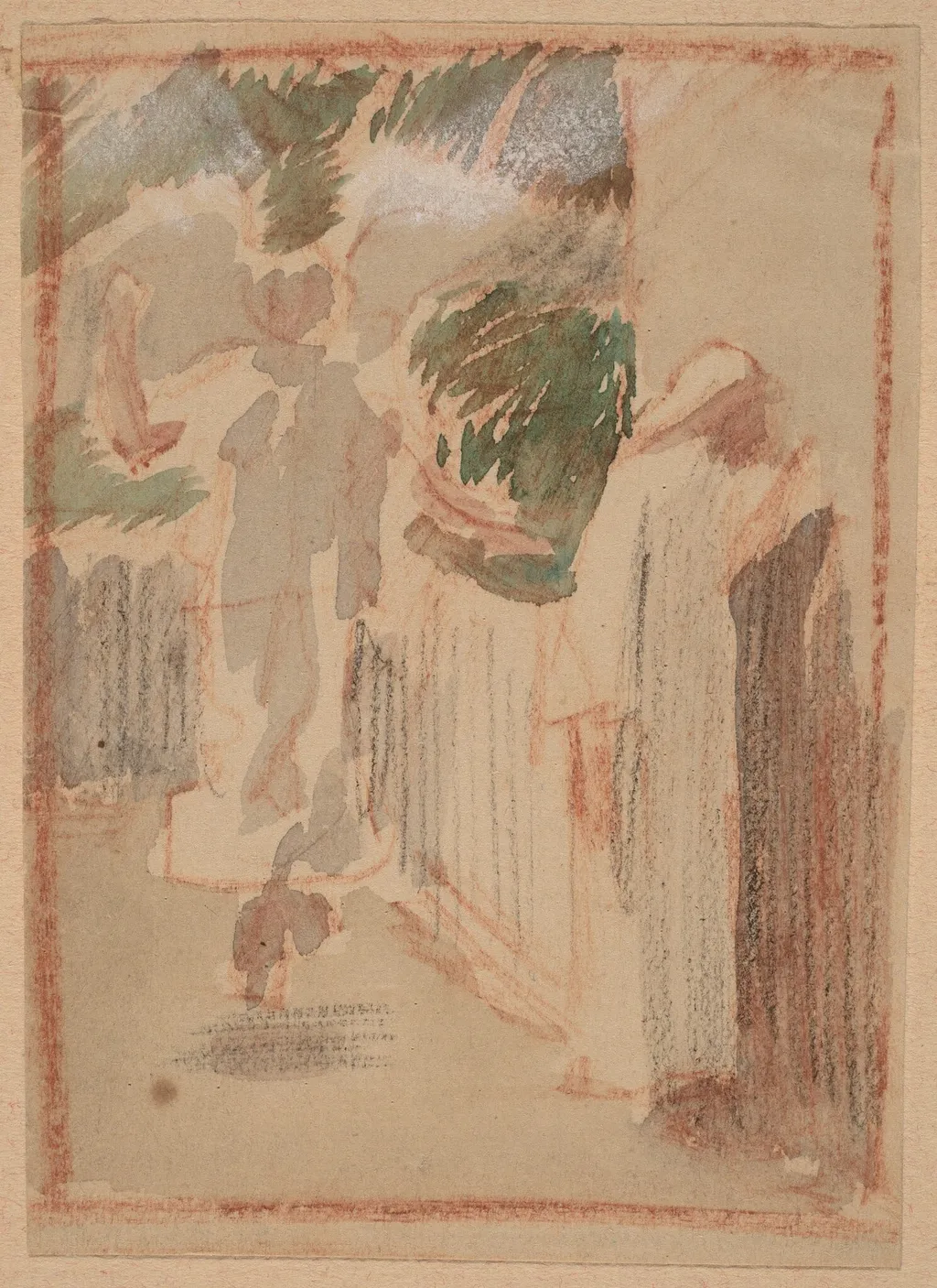
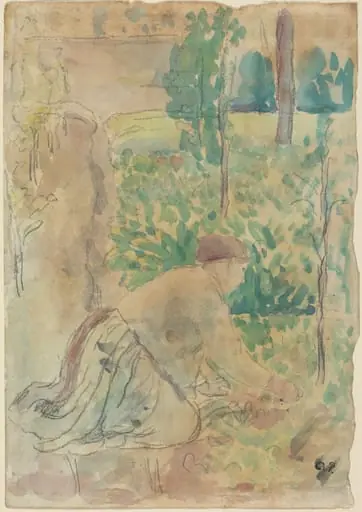
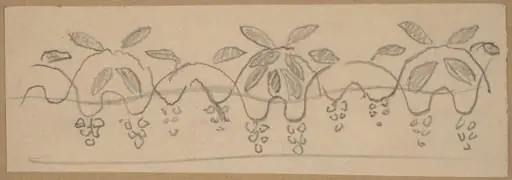
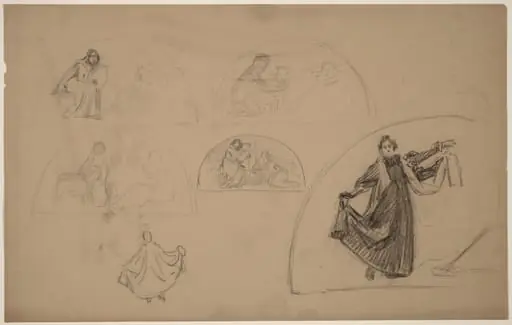
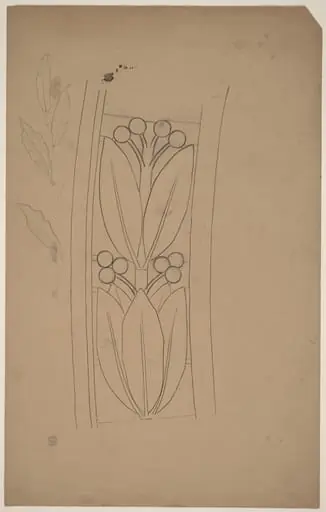
Study for a Panel is a watercolor drawing by the Impressionist artist Charles Sprague Pearce. It dates from 1894 and is held in the collection of the National Gallery of Art.
About this work
Overview
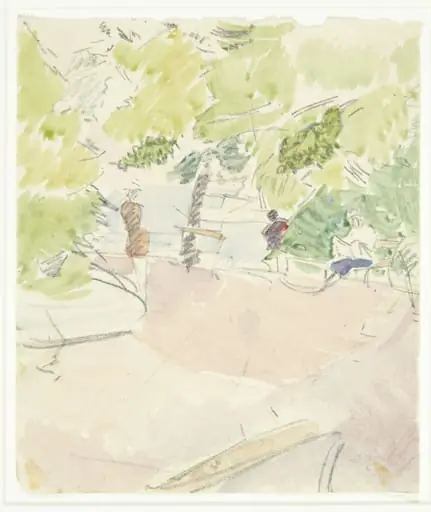
Charles Sprague Pearce’s 1894 work, Study for a Panel, is a modestly sized drawing executed in watercolor, augmented with red and black conté crayons on a tan‑wove paper support. The piece functions as a preparatory study, evident in its spontaneous handling and unfinished appearance, offering a glimpse into the artist’s compositional planning.
Subject & Meaning
The composition suggests a landscape fragment: a vertical trunk occupies the right margin, from which a sparse arrangement of branches extends, while amorphous shapes that may represent foliage or cloud formations fill the surrounding space. The ambiguous forms invite the viewer to imagine a larger scene beyond the paper’s edges.
Technique & Style
Pearce employs a loose, sketch‑like application of watercolor, allowing pigments to blend into soft browns and muted greens. Red and black conté crayons are laid over the wash, creating contrastive lines that define structural elements without precise delineation. The uneven edges and lack of refinement underscore the work’s purpose as a rapid visual experiment.
History & Provenance
Created in 1894, the drawing was likely produced as a preparatory exercise for a subsequent panel painting, though the final work for which it was intended has not been definitively identified. The piece has remained within the artist’s estate archives before entering public collections in the early twentieth century.
Context
During the late nineteenth century, American artists such as Pearce often used watercolor studies to explore composition and tonal relationships before committing to larger oil or tempera panels. This practice reflected broader academic training methods that emphasized preparatory sketches as essential steps in the creative process.
Legacy
While not a finished composition, Study for a Panel illustrates Pearce’s methodical approach to landscape rendering and contributes to understanding his working process. It serves as an example of how watercolor and conté could be combined for quick, yet informative, visual planning in the period’s artistic workshops.
Artist & collection

Artist
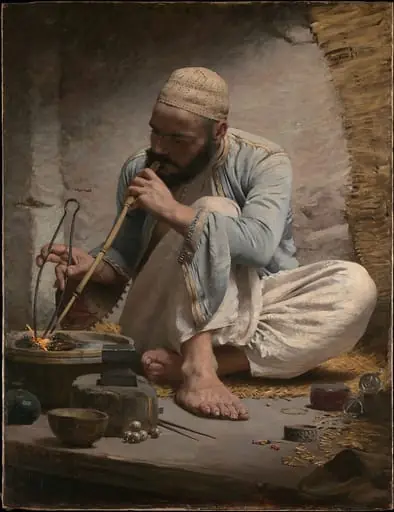
Charles Sprague Pearce (1851–1914) was an American artist, born in Boston.

![Studies for a Lunette [recto], by Charles Sprague Pearce](https://artifactworldgallery.com/img/charles-sprague-pearce--studies-for-a-lunette-recto--07c43c96c8ad1d74-w320.webp)