Artwork
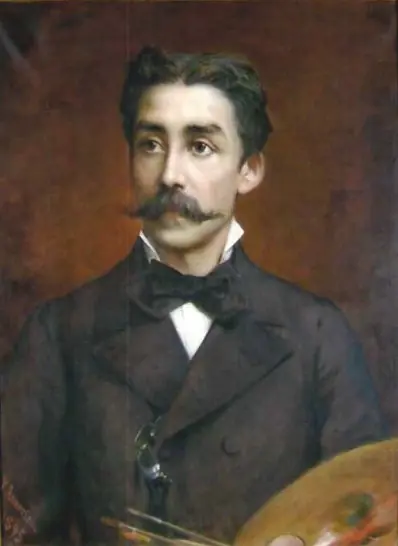
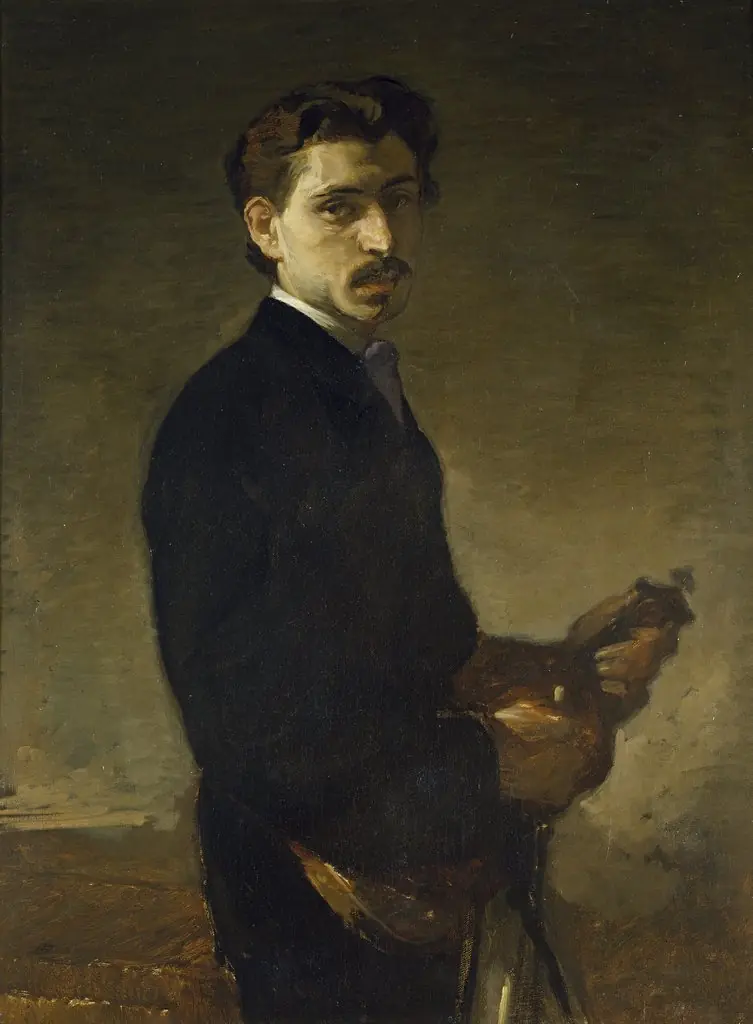
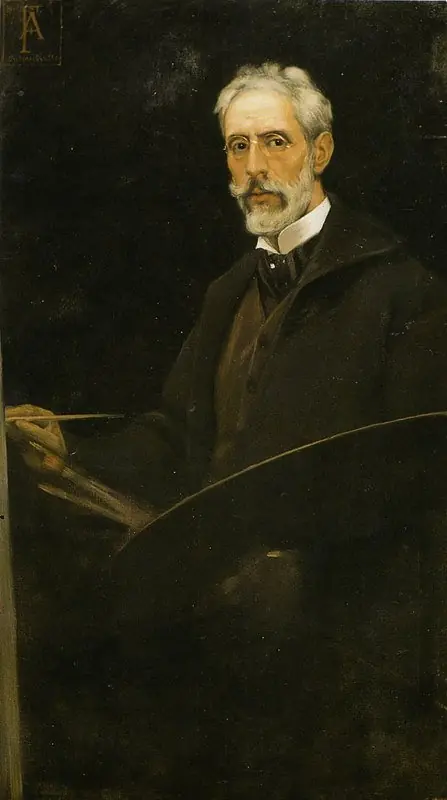
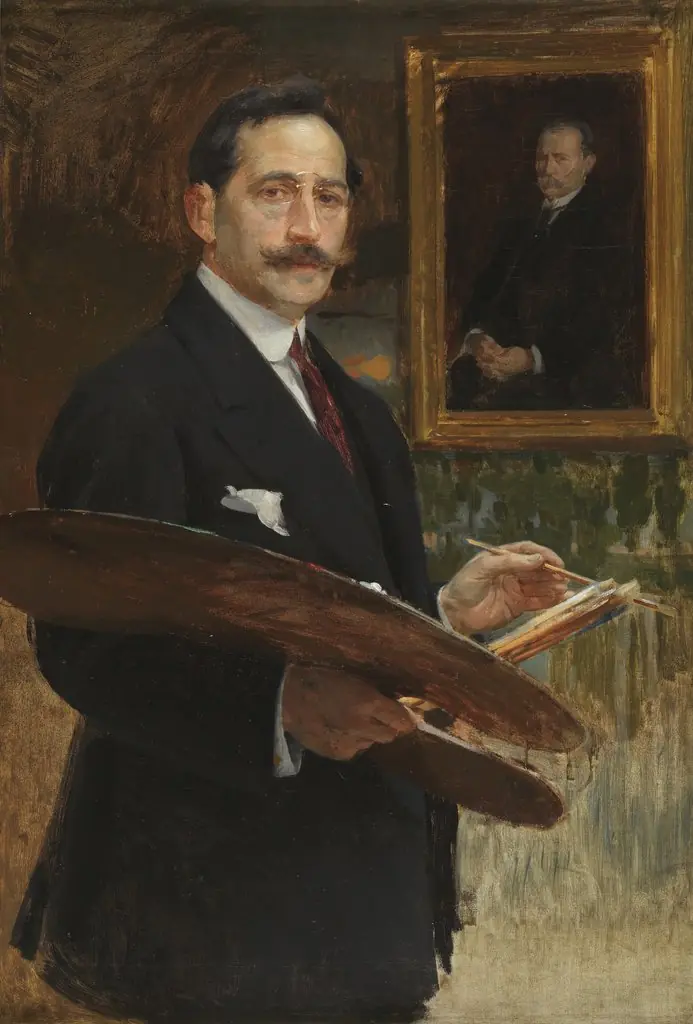
Autorretrato de Pedro Américo
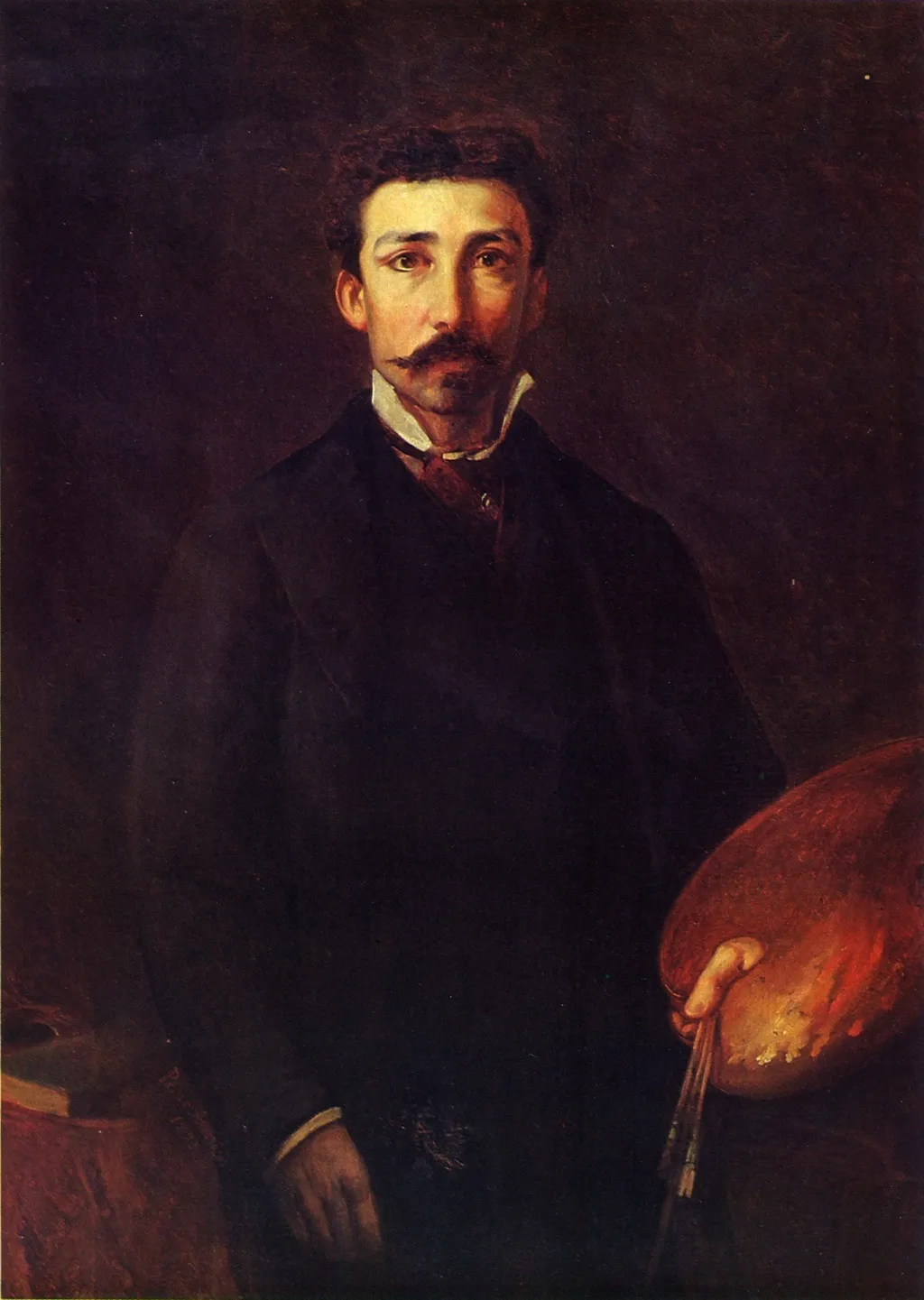
Autorretrato de Pedro Américo is an oil painting by the Impressionist artist Pedro Américo. It dates from 1897 and is held in the collection of the Pinacoteca de São Paulo.
About this work
If you're interested in learning more about the artist who created this piece, you might want to explore the work of Pedro Américo.
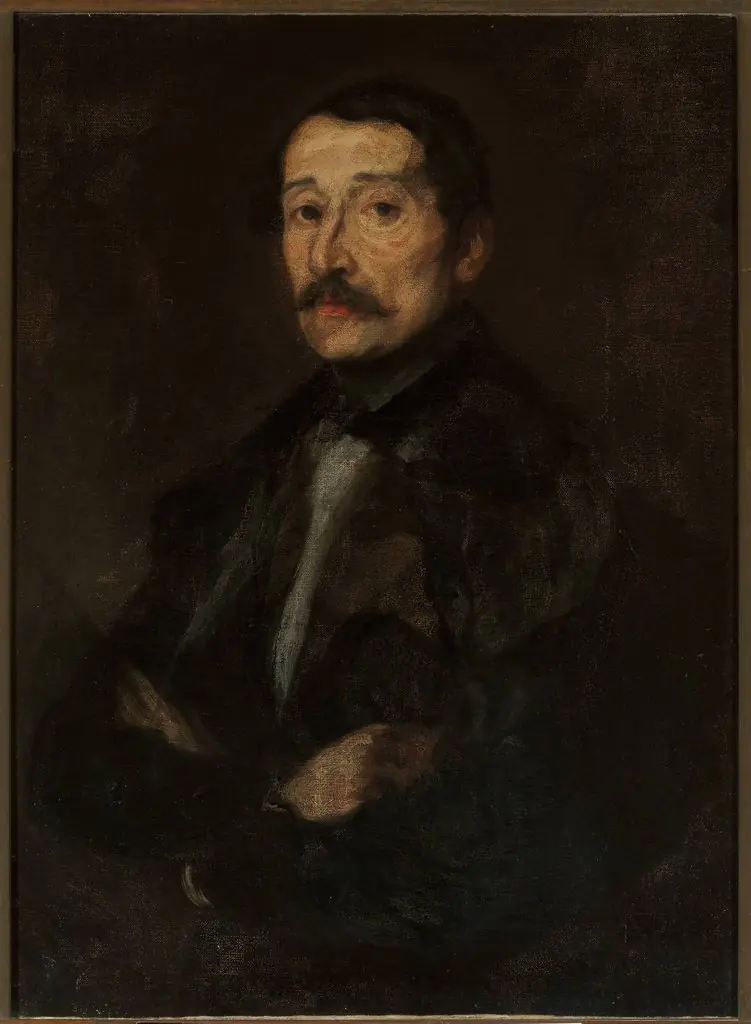
This portrait features a man with dark hair and a mustache, dressed in a black jacket over a white collared shirt and a red tie. He stands in front of a dark background, with a red object behind him to the left and a large oval object to the right. The overall atmosphere is somber.
The man's attire and the style of the painting suggest a formal setting, possibly from the late 19th century. The use of dark colors and the placement of the objects in the background add to the sense of formality.
If you're interested in learning more about the artist who created this piece, you might want to explore the work of Pedro Américo.
Overview
Painted in 1897, this oil-on-canvas self-portrait by Pedro Américo de Figueiredo e Melo presents the artist in formal attire, facing the viewer with a composed demeanor. The work is part of the Pinacoteca do Estado de São Paulo’s permanent collection. Though created during a period of shifting artistic trends, it reflects the artist’s commitment to academic traditions, even as it incorporates subtle elements of contemporary realism.
Subject & Meaning
The portrait captures Pedro Américo in middle age, dressed in a black jacket, white shirt, and red tie—attire suggesting professional dignity. His dark hair and mustache, along with his direct gaze, convey a sense of self-assurance. The muted background and carefully placed objects behind him, including a red item and a large oval form, frame the figure without distraction, emphasizing his identity as a cultivated intellectual and artist of his time.
Technique & Style
The painting employs a restrained palette dominated by dark tones, with the red tie and background accents providing subtle contrast. Brushwork is controlled and precise, avoiding the loose, luminous handling associated with Impressionism. The composition is symmetrical and deliberate, rooted in academic conventions. Light falls evenly across the figure, modeling form without dramatic chiaroscuro, reinforcing a sense of quiet authority.
History & Provenance
Created in 1897, the self-portrait was likely made during a period when Pedro Américo was actively engaged in teaching and public artistic life in Brazil. It remained in his possession until entering the Pinacoteca do Estado de São Paulo’s collection, where it has been preserved as part of Brazil’s national artistic heritage. Its provenance reflects its importance as a personal and institutional document of 19th-century Brazilian art.
Context
In late 19th-century Brazil, academic painting remained dominant in official circles despite growing interest in modernist movements abroad. Pedro Américo, trained in Europe and celebrated for historical canvases, used this self-portrait to assert his place within that tradition. The work aligns with contemporaneous European self-portraits by academic artists, emphasizing identity, status, and artistic discipline over emotional expression.
Legacy
Though not widely exhibited outside institutional settings, this portrait endures as a key visual record of one of Brazil’s most prominent 19th-century painters. It offers insight into how academic artists viewed themselves within a rapidly changing cultural landscape. The painting contributes to broader understandings of Brazilian artistic identity, bridging European training and national self-representation.
Own this work as a print
Artist & collection
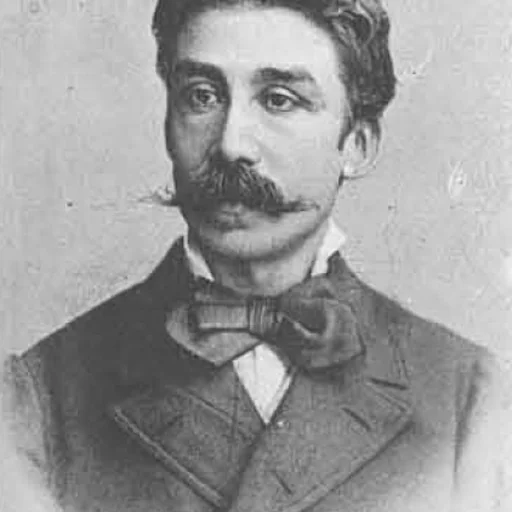
Artist
Pedro Américo de Figueiredo e Melo (29 April 1843 – 7 October 1905) was a Brazilian novelist, poet, scientist, art theorist, essayist, philosopher, politician and professor, but is best remembered as one of the most…