Artwork
Peeling the pava
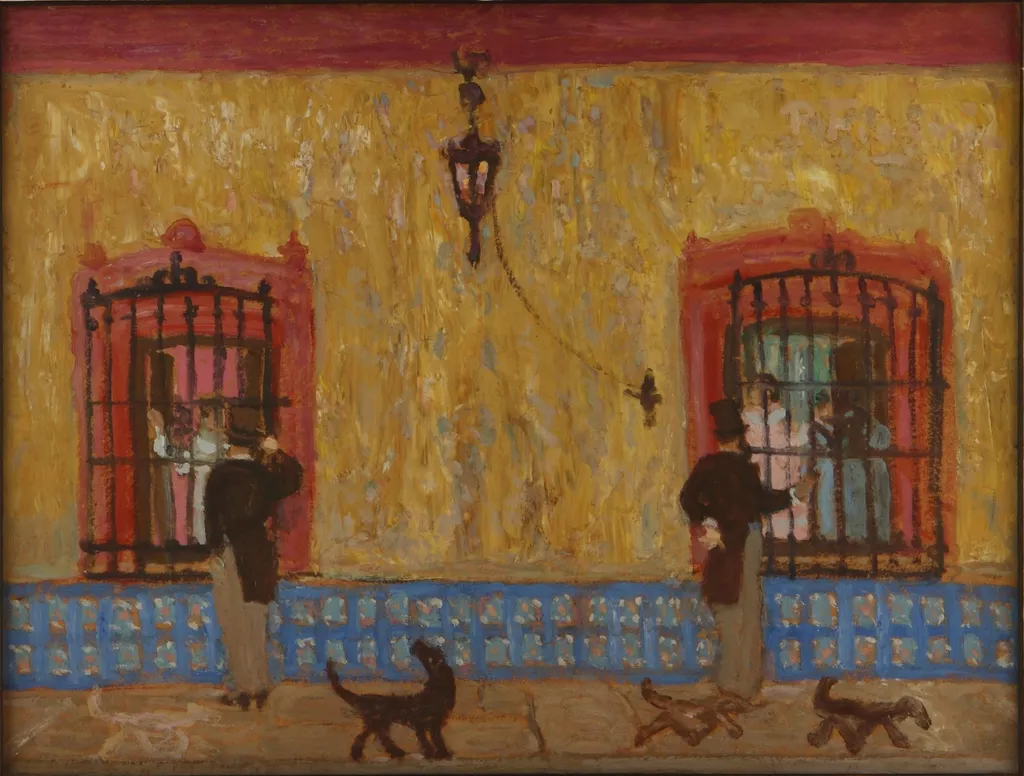
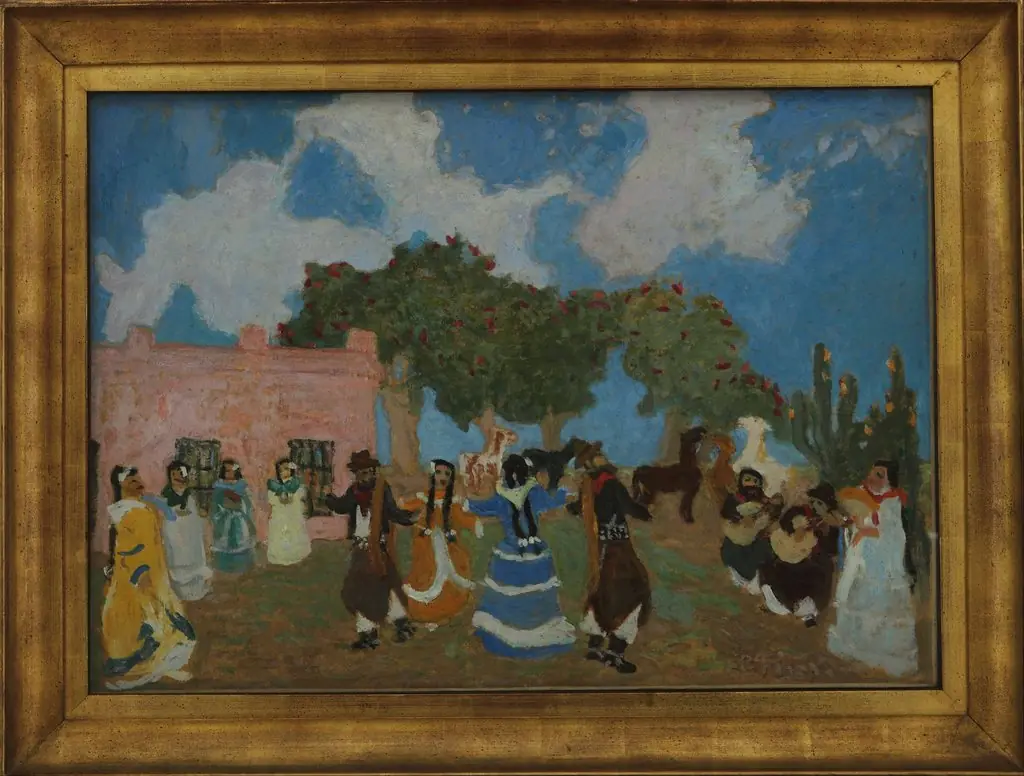
Peeling the pava is an oil painting by the Post-Impressionist artist Pedro Figari. It dates from 1925 and is held in the collection of the National Museum of Fine Arts, Argentina.
About this work
Overview
Though Figari began painting in his fifties after a career in law and politics, he quickly developed a distinctive visual language rooted in personal memory.
Painted in 1925 by Uruguayan artist Pedro Figari, *Peeling the pava* is an oil-on-canvas work that captures a moment of communal life in his native region. Though Figari began painting in his fifties after a career in law and politics, he quickly developed a distinctive visual language rooted in personal memory. The painting is held in the National Museum of Fine Arts in Buenos Aires and exemplifies his mature style—unconventional, emotionally resonant, and grounded in local tradition.
Subject & Meaning
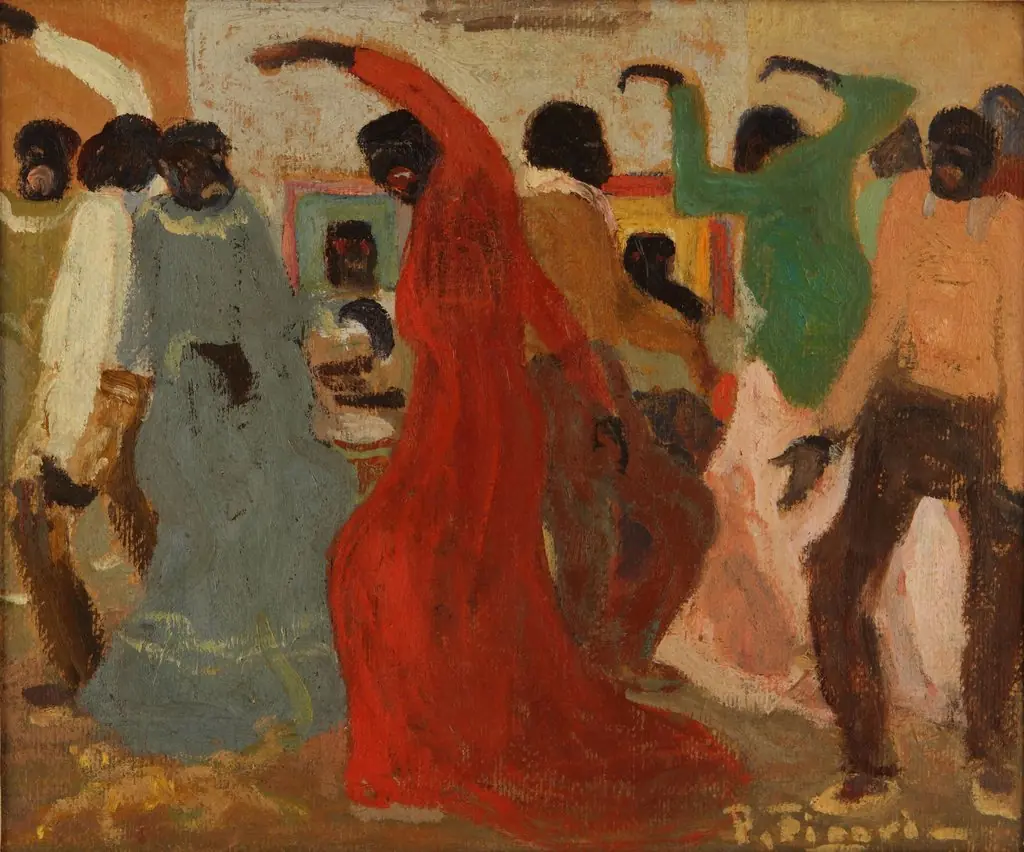
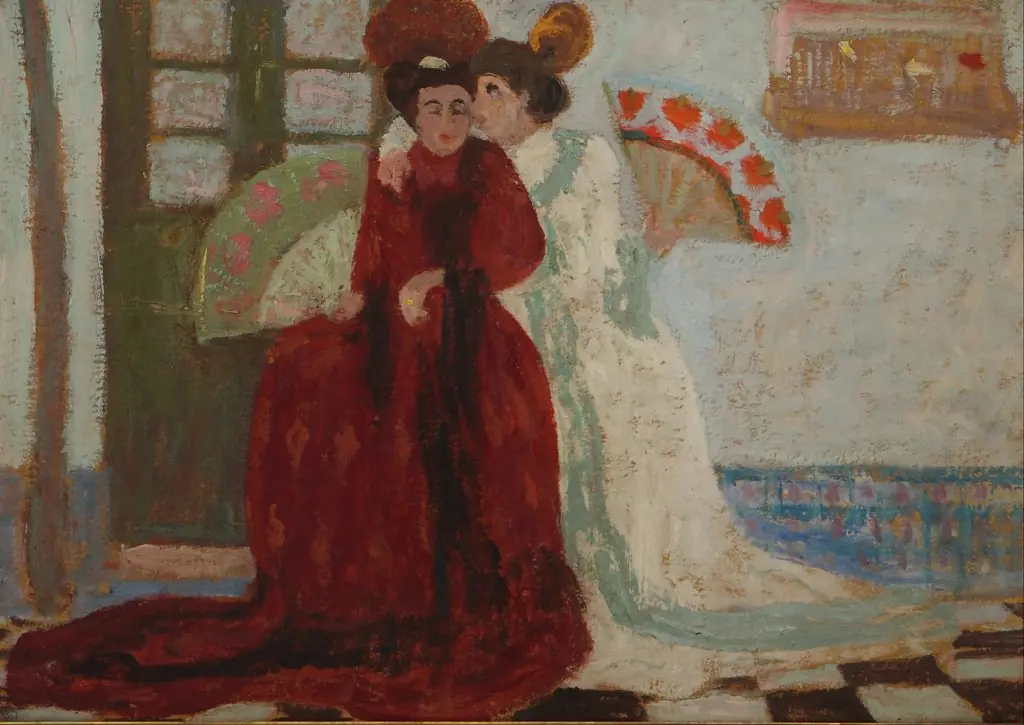
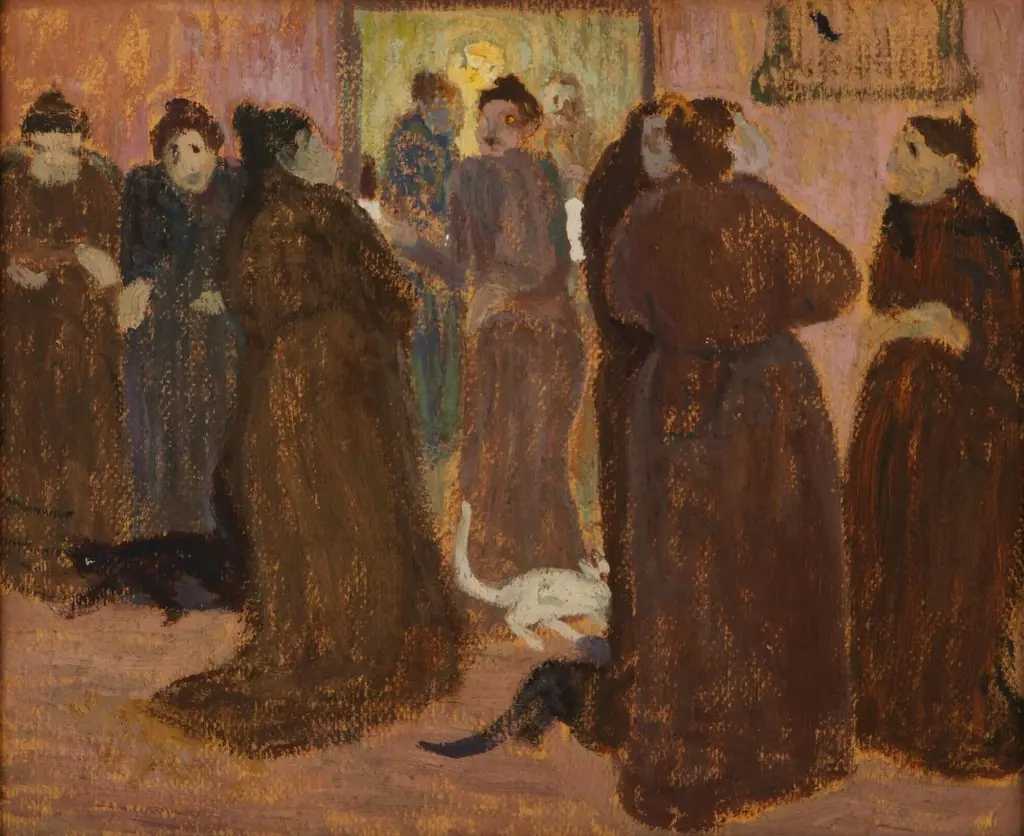
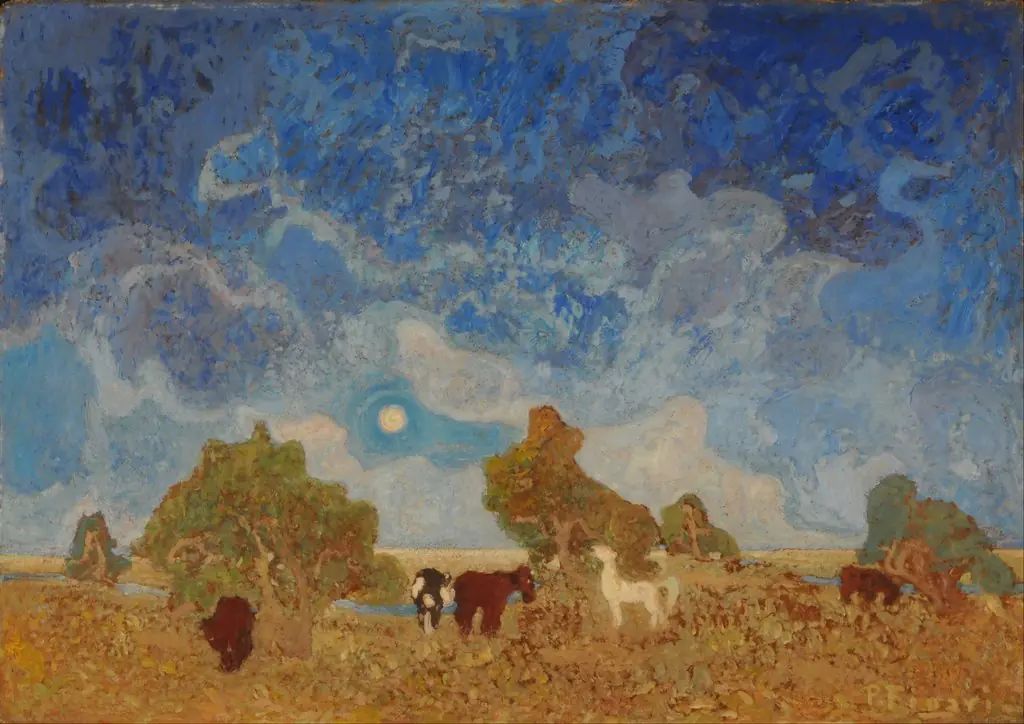
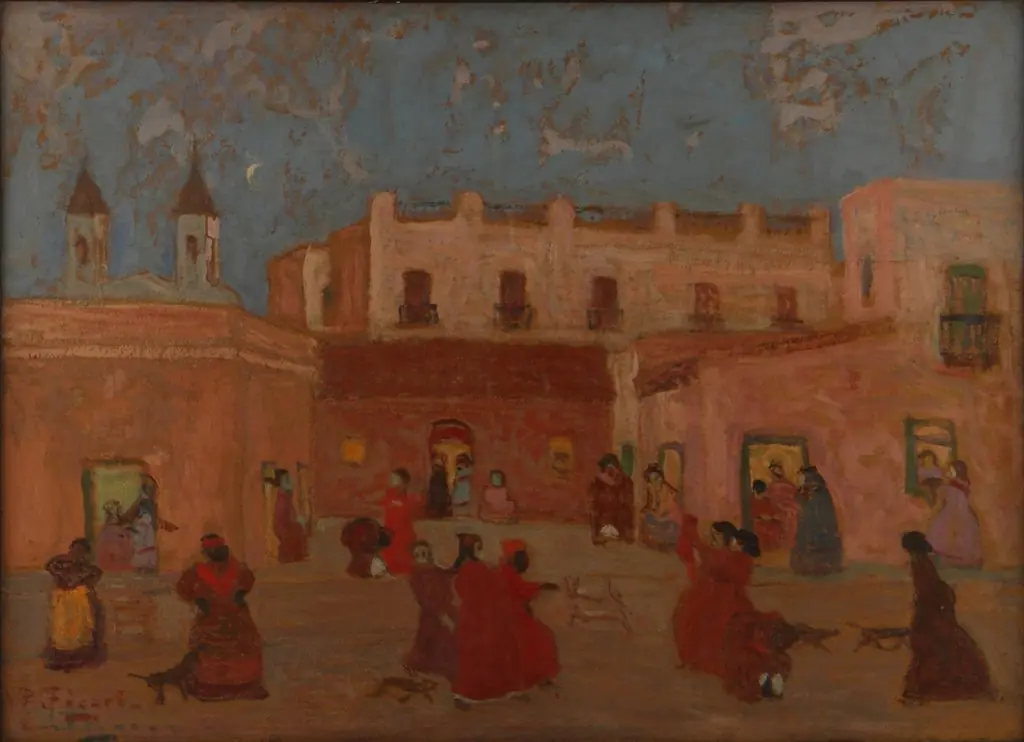
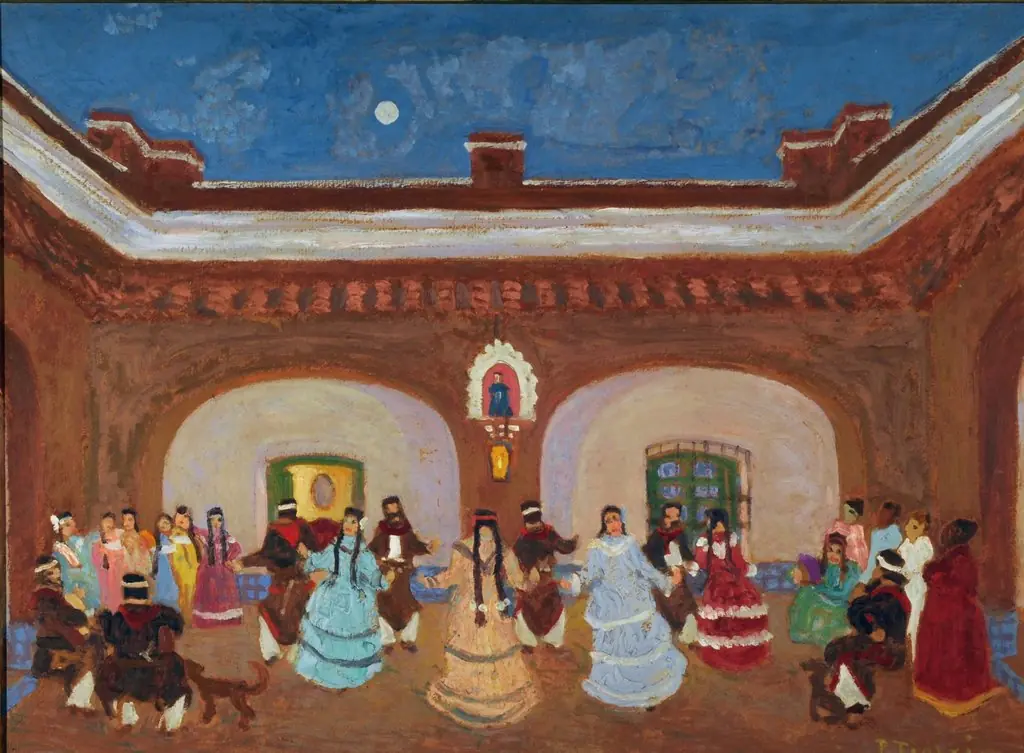
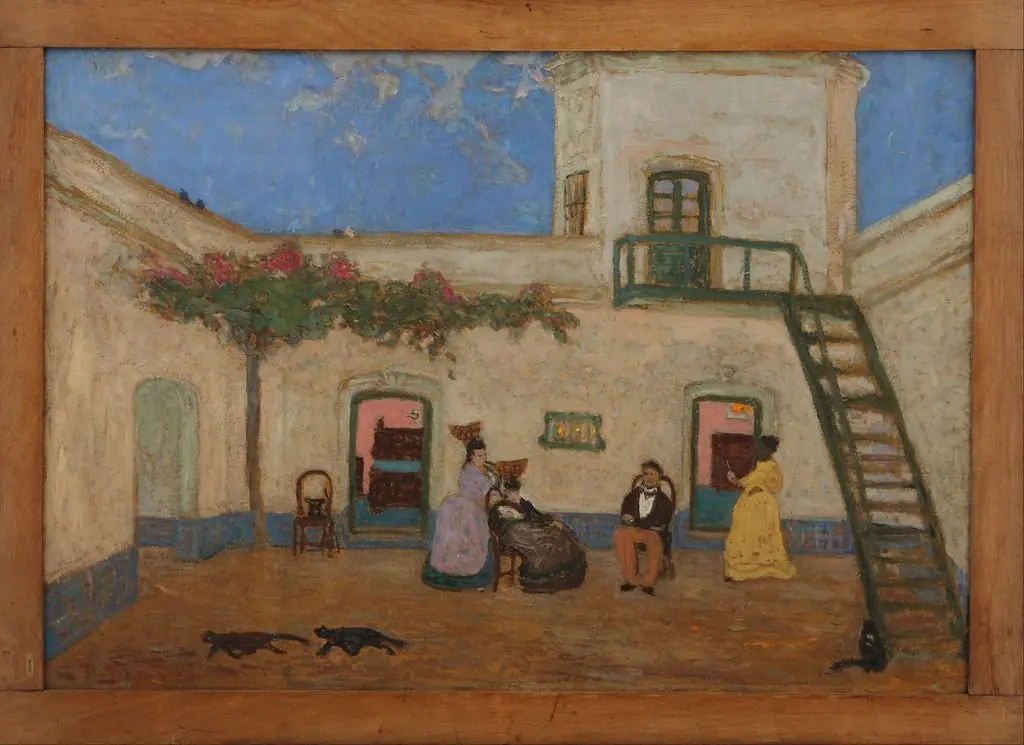
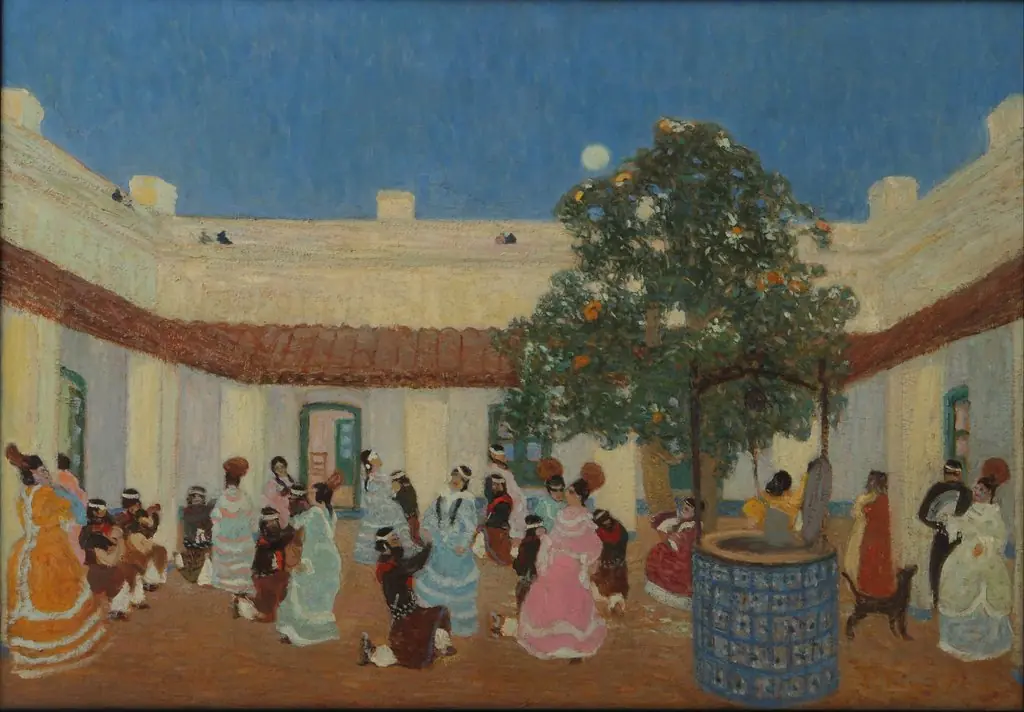
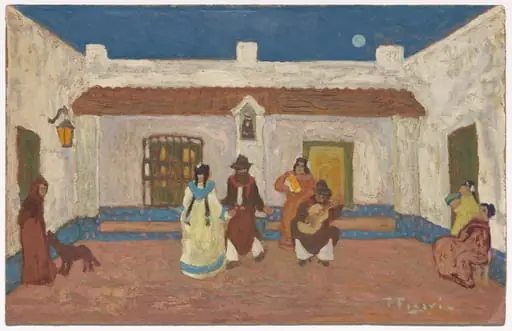
The scene depicts a group of figures and animals gathered near a yellow-walled structure, suggesting a moment of daily ritual—possibly the preparation of food, as the title implies. Figures in dark clothing stand at either side, while three dogs move freely in the foreground. The composition avoids narrative clarity, instead evoking the rhythm of ordinary life. Figari’s focus on unidealized, intimate moments reflects his interest in preserving cultural practices he remembered from youth.
Technique & Style
Figari employed bold, flat planes of color and simplified forms, rejecting academic realism in favor of expressive abstraction. The yellow walls and red window frames contrast sharply with the muted tones of the figures and animals, creating visual rhythm rather than depth. Brushwork is loose and deliberate, with edges blurred to suggest movement. His method, often described as memory-based, prioritizes emotional resonance over precise detail, aligning with post-impressionist tendencies while remaining uniquely personal.
History & Provenance
Created during Figari’s most active painting period, *Peeling the pava* entered the collection of the National Museum of Fine Arts in Buenos Aires in the mid-20th century. It was acquired as part of a broader effort to recognize Latin American modernists who drew from indigenous and creole traditions. The painting has remained in the museum’s permanent holdings since, serving as a key example of Figari’s contribution to regional modernism.
Context
In the 1920s, Latin American artists increasingly turned away from European models to explore local identities. Figari’s work emerged amid this shift, offering a vision of Uruguayan and Río de la Plata life that emphasized folk customs, social gatherings, and informal settings. His paintings resisted colonial aesthetics, instead celebrating the vibrancy of everyday scenes often overlooked by mainstream art institutions of the time.
Legacy
Figari’s approach influenced later generations of Latin American painters who sought to ground modernism in lived experience. *Peeling the pava* stands as a quiet testament to his belief that art could preserve cultural memory without romanticizing it. Though not widely known outside the region during his lifetime, his work is now recognized for its originality in blending personal recollection with formal innovation.
Own this work as a print
Artist & collection
Artist
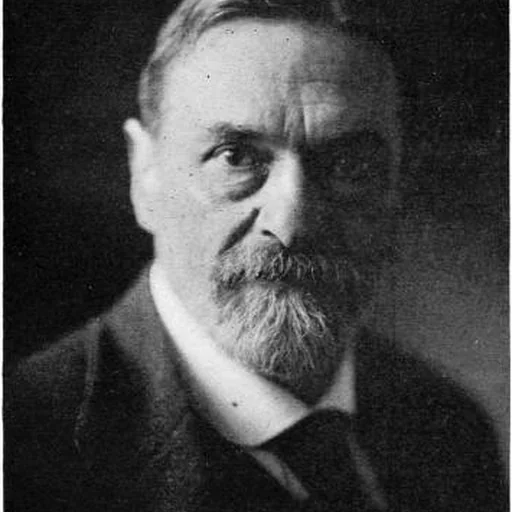
Pedro Figari (June 29, 1861 – July 24, 1938) was a Uruguayan painter, lawyer, writer, and politician.

Museum
National Museum of Fine Arts, Argentina
Continue through works from the same source collection.