Artwork
Pericón criollo
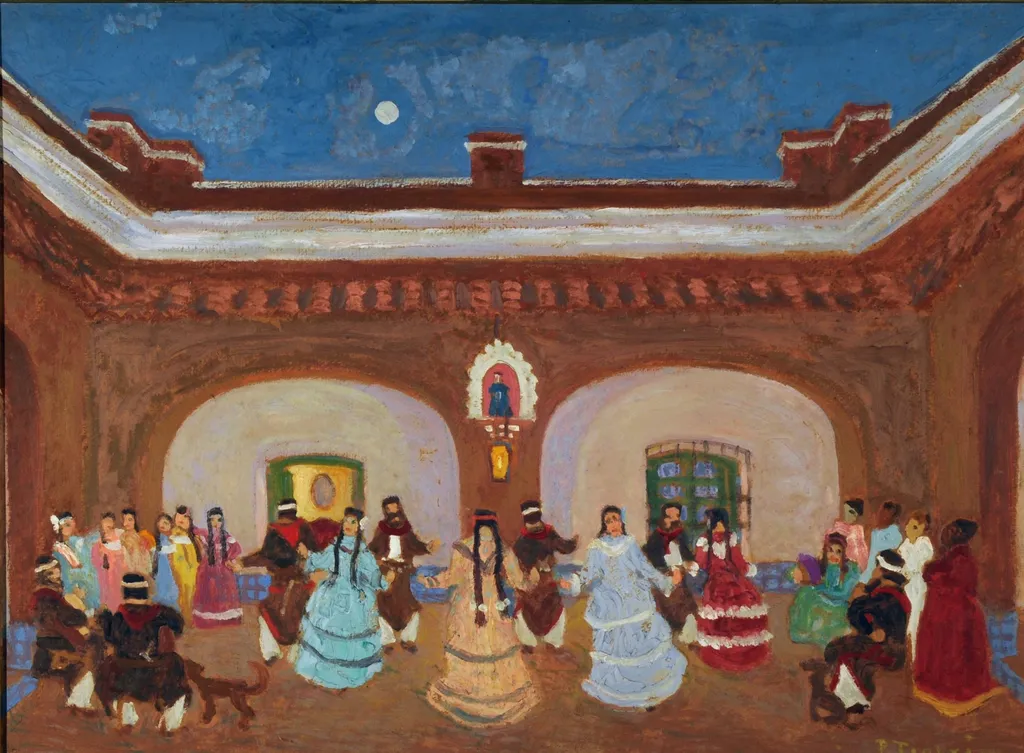
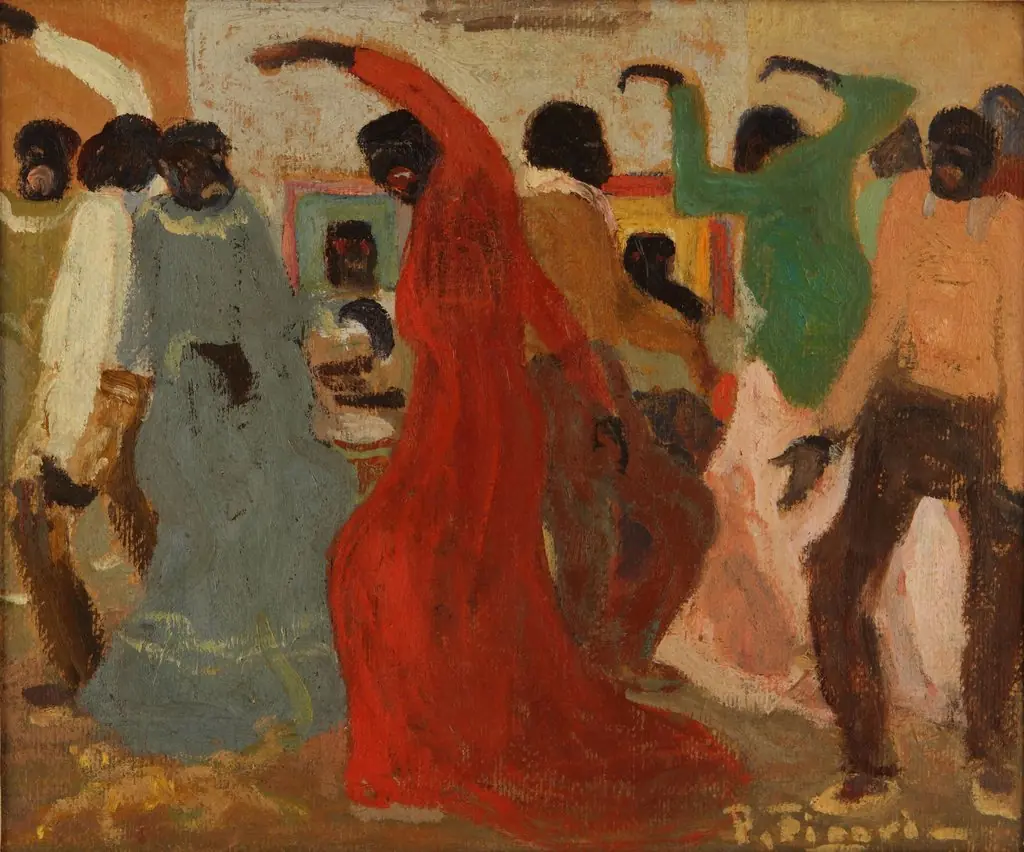
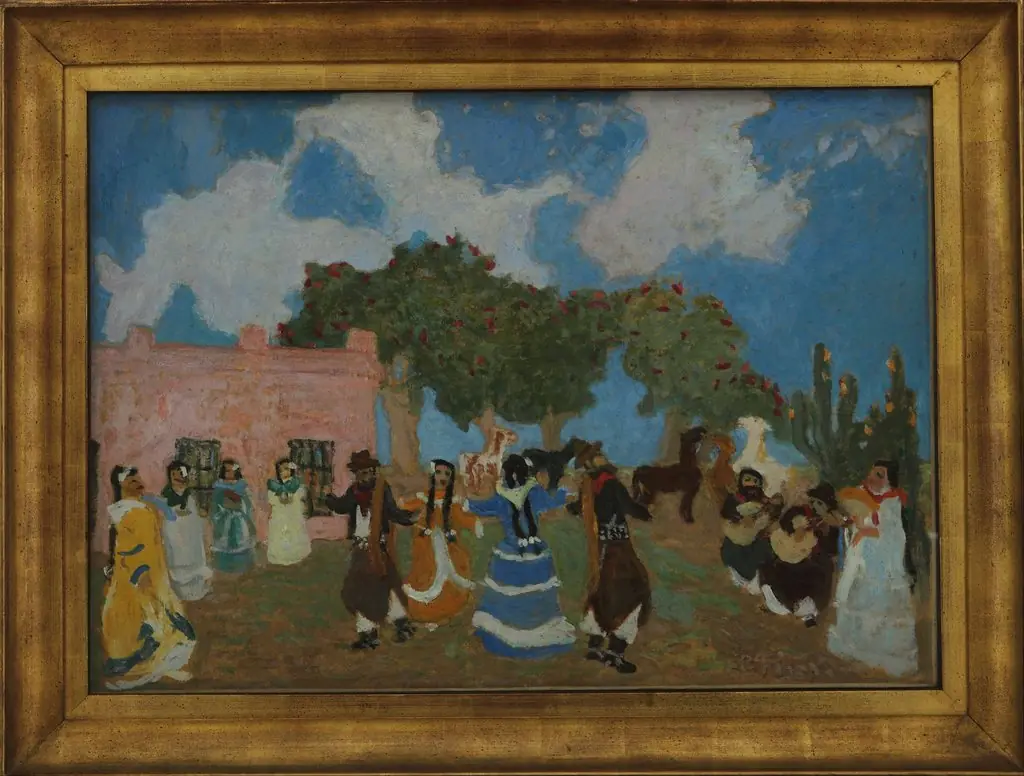
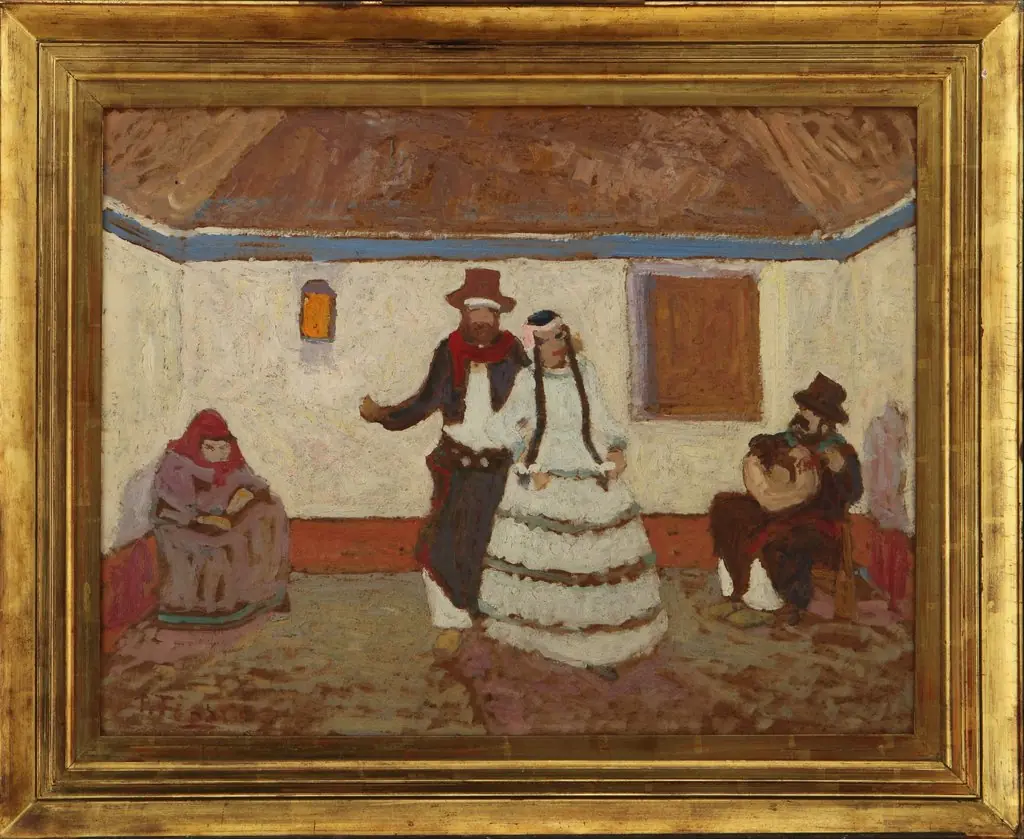
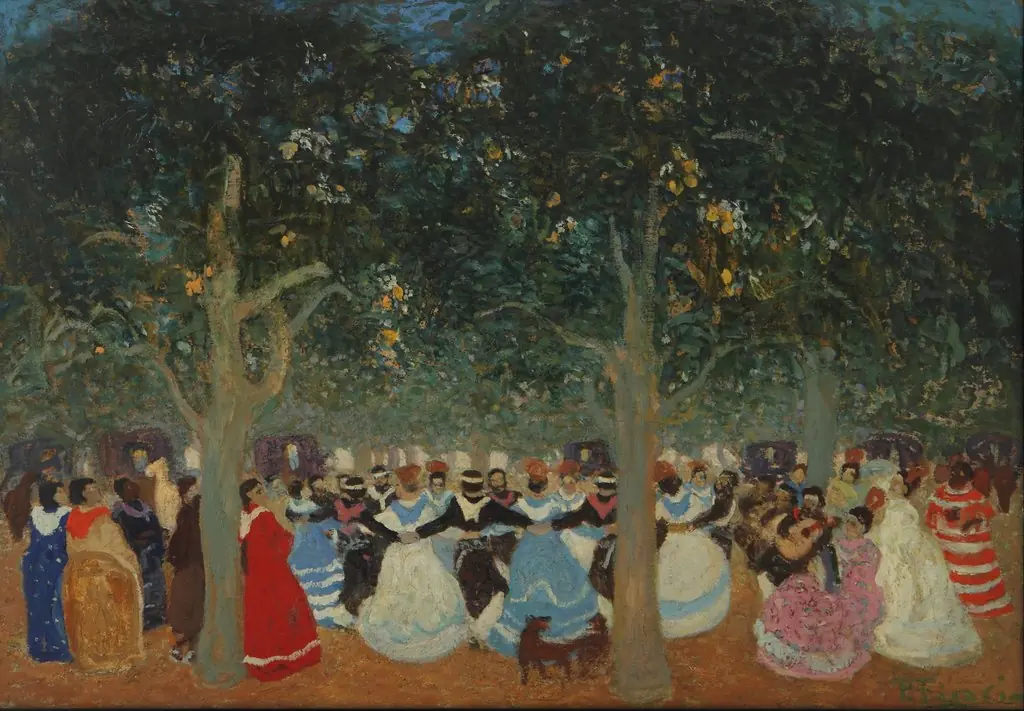
Pericón criollo is an unspecified painting by Pedro Figari. It dates from 1909 and is held in the collection of the National Museum of Fine Arts, Argentina.
About this work
Overview
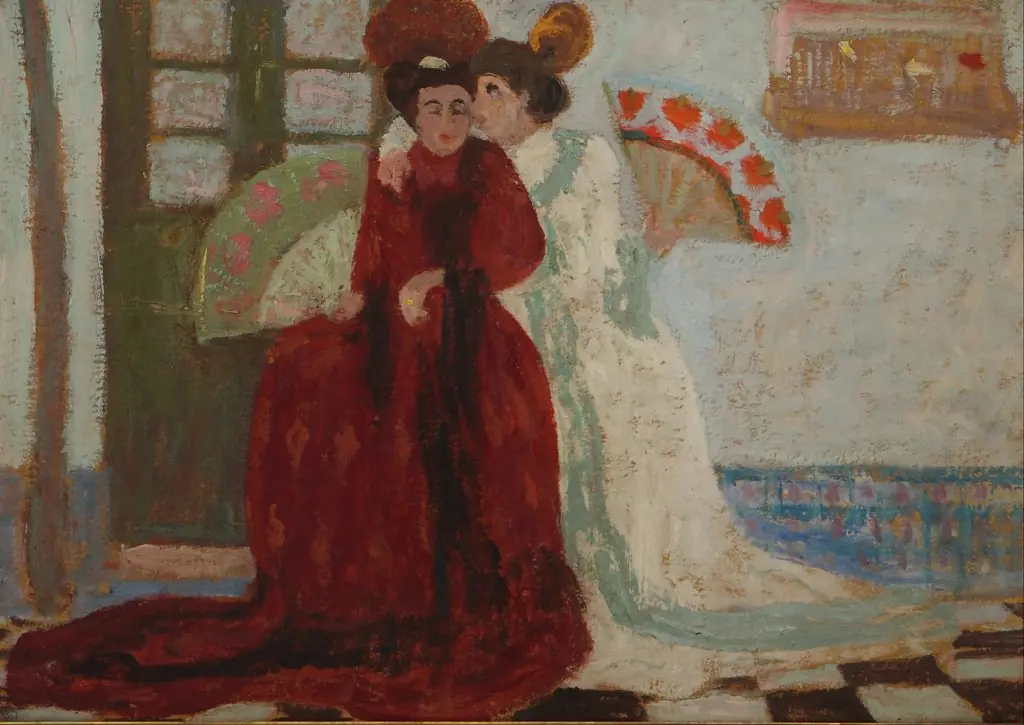
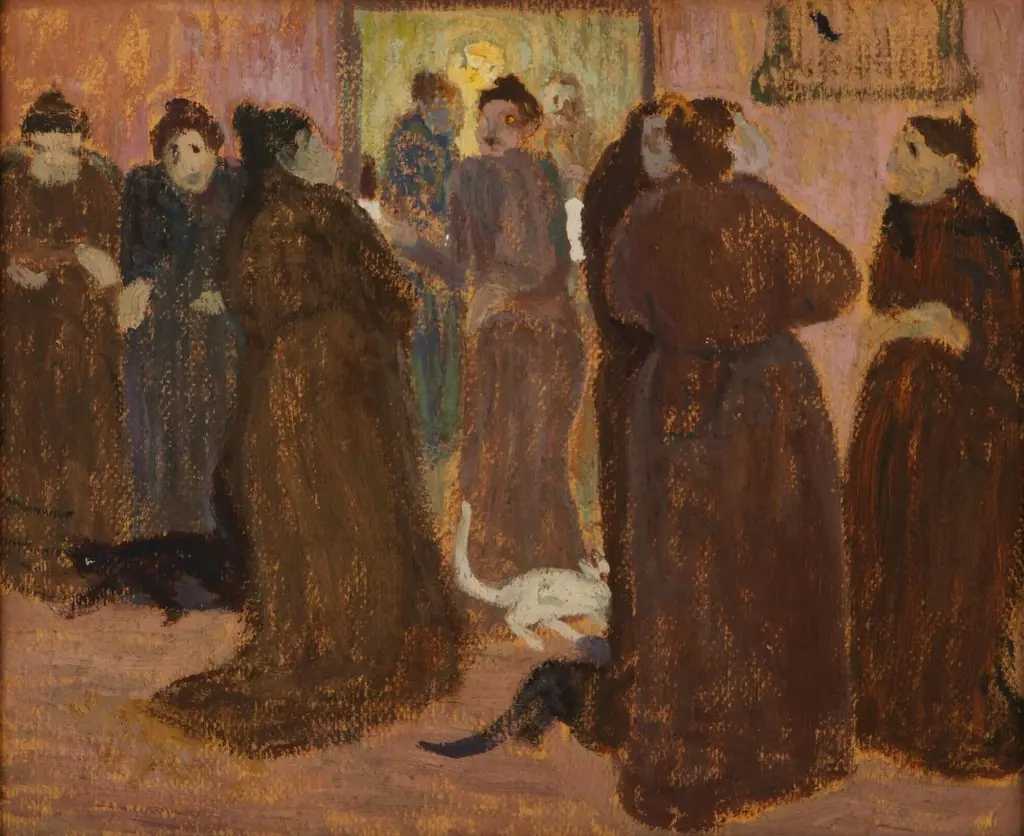
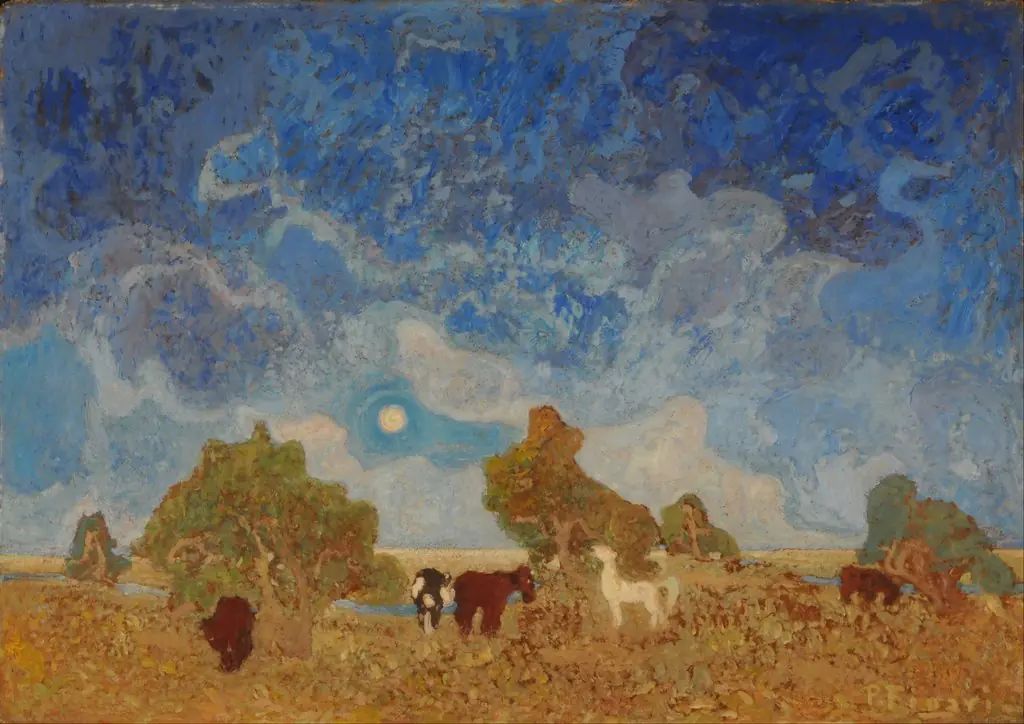
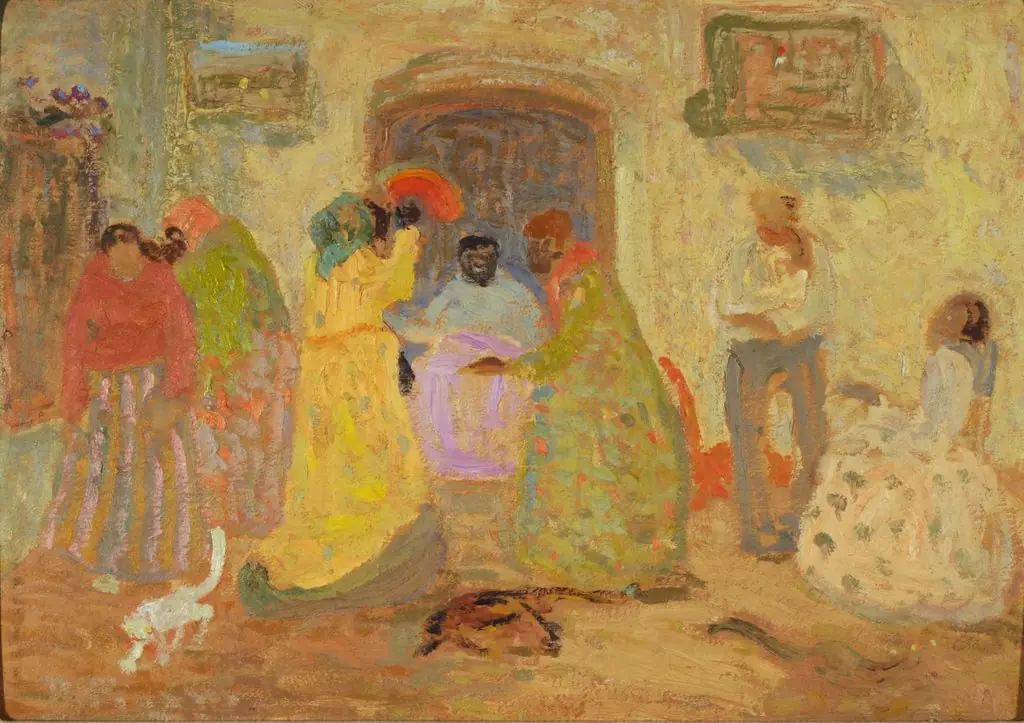
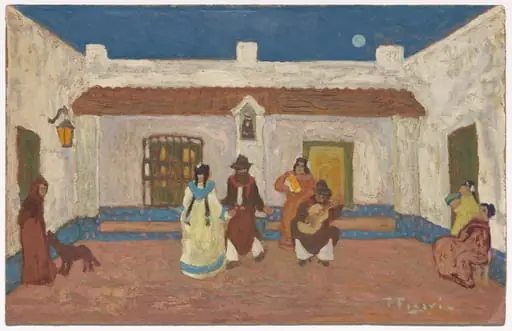
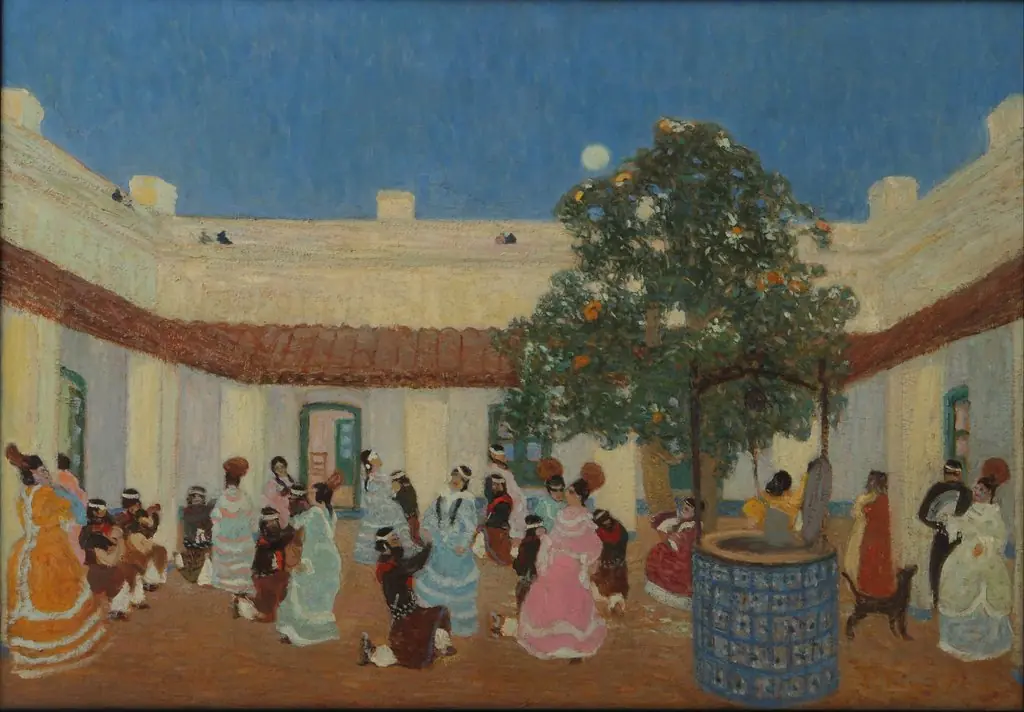
Created around 1909, *Pericón criollo* is a canvas by Uruguayan artist Pedro Figari, who began painting after careers in law, literature, and politics. The work now belongs to the National Museum of Fine Arts in Buenos Aires and exemplifies Figari’s early modernist tendency to record everyday scenes rather than pursue academic realism.
Subject & Meaning
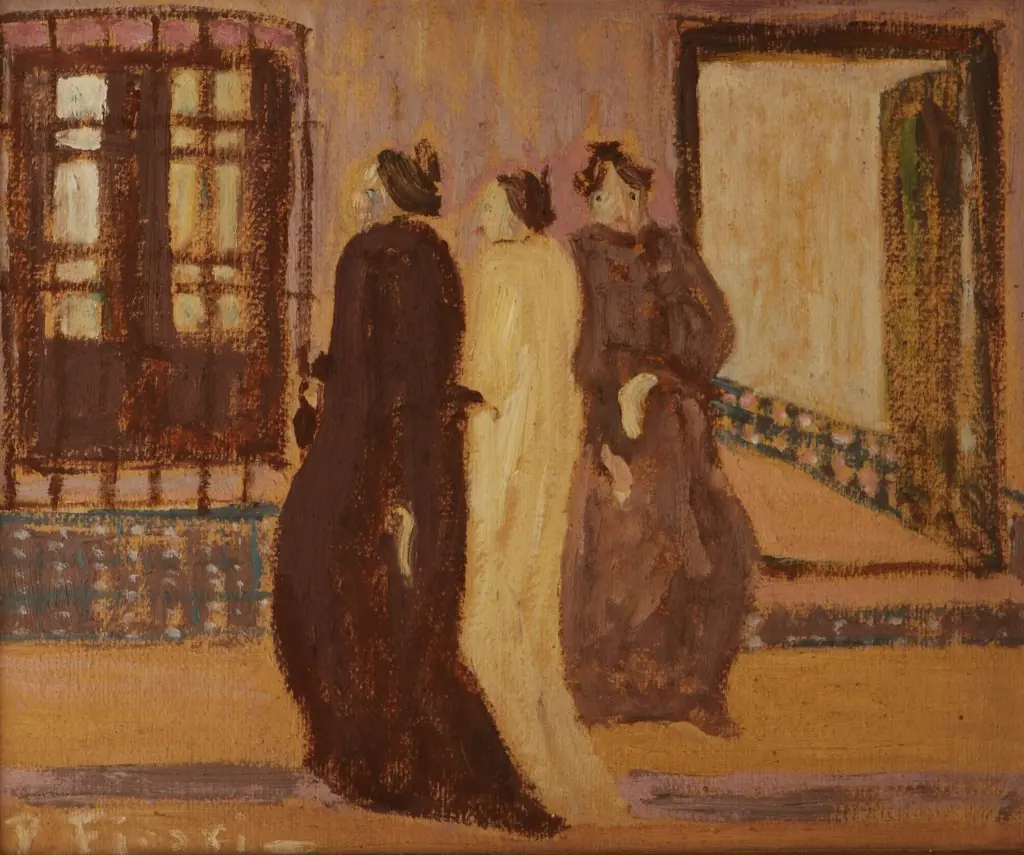
The composition depicts a convivial gathering inside a spacious room with high ceilings and arched doorways. Figures in traditional dress—women in long skirts, men in hats and jackets—converse in small groups, some seated on benches, conveying a sense of community and shared cultural ritual.
Technique & Style
Figari abandons illusionistic depth, opting for flattened planes and warm, earthy tones on the walls and dark wooden floor. His handling of color and arrangement creates a subtle sense of movement and spatial recession without relying on detailed perspective, emphasizing the emotional essence of the scene.
History & Provenance
Although Figari painted the scene from memory of his own childhood environment, the work entered the collection of the National Museum of Fine Arts in Buenos Aires, where it remains on display. Its acquisition reflects the museum’s commitment to representing early 20th‑century Latin American modernism.
Context
*Pericón criollo* belongs to a period when Figari turned away from European academic conventions, focusing instead on local customs and the rhythms of daily life in Uruguay. This approach aligned with broader modernist movements in the Río de la Plata region that sought to define a distinct cultural identity through everyday subjects.
Own this work as a print
Artist & collection
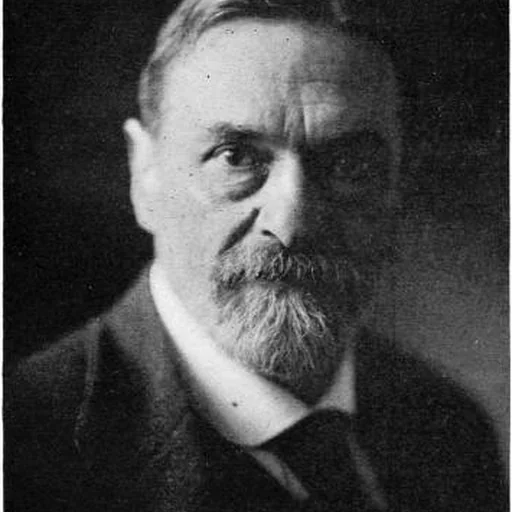
Artist
Pedro Figari (June 29, 1861 – July 24, 1938) was a Uruguayan painter, lawyer, writer, and politician.

Museum
National Museum of Fine Arts, Argentina
Continue through works from the same source collection.