Artwork
Sant Tomàs apòstol
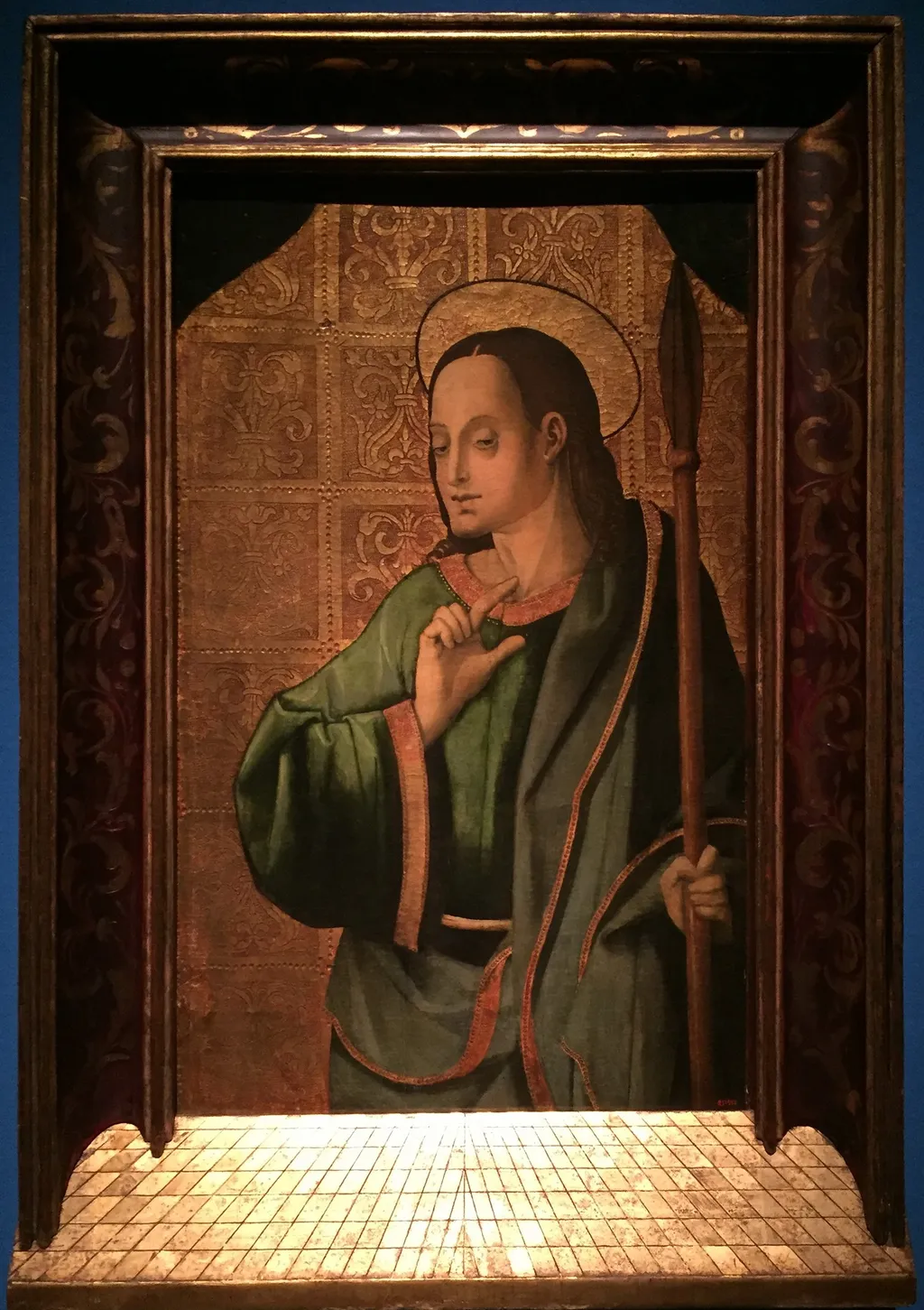
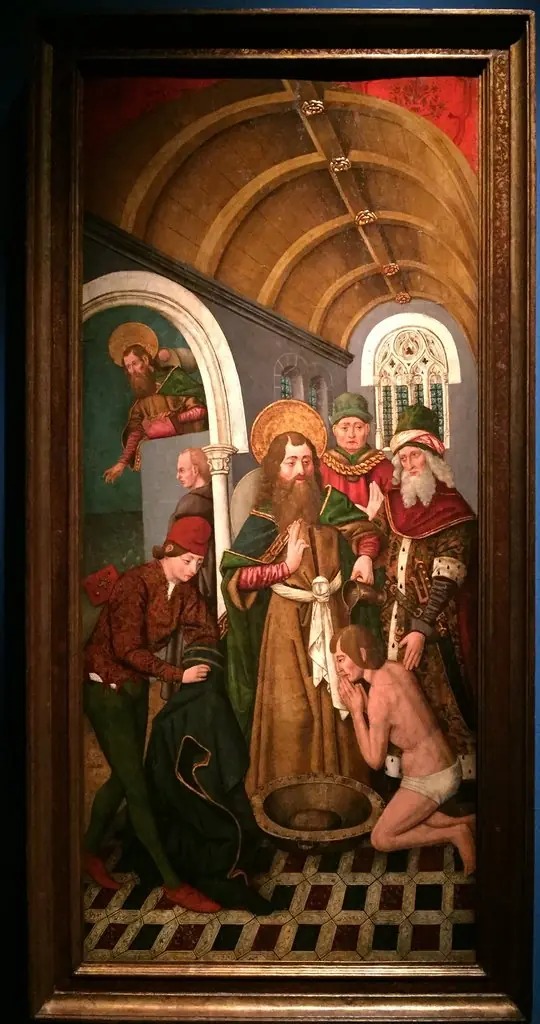
Sant Tomàs apòstol is an oil painting by the Early Renaissance artist Pedro Romana. It dates from 1510 and is held in the collection of the Museu Nacional d'Art de Catalunya.
About this work
Overview
Painted in 1510 by Pedro Romana, a Spanish artist active in Córdoba during the early Renaissance, this oil-on-panel work portrays Saint Thomas the Apostle.
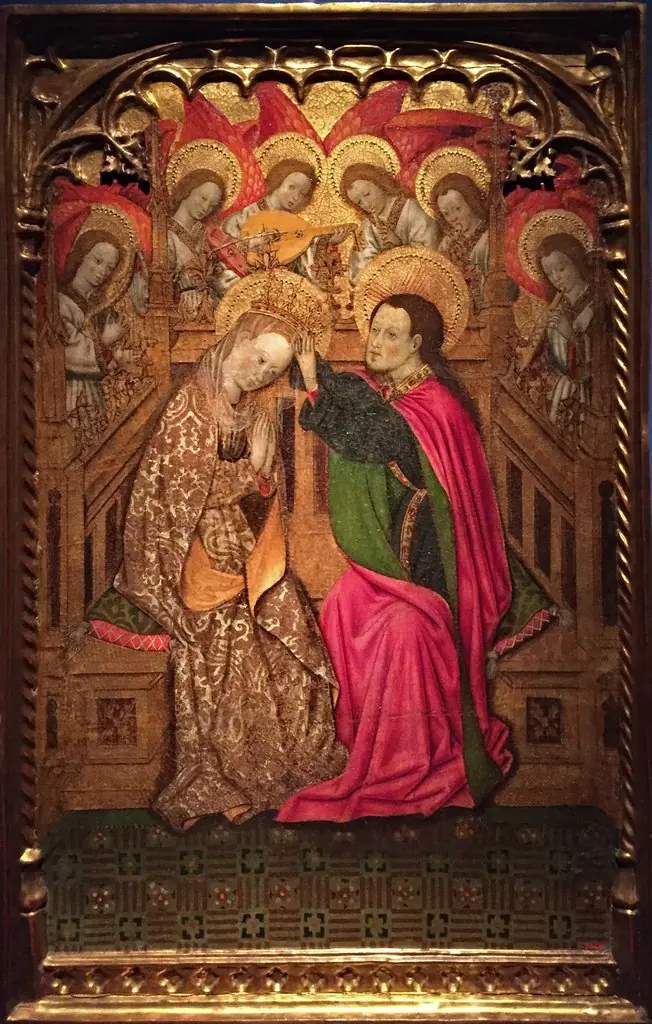
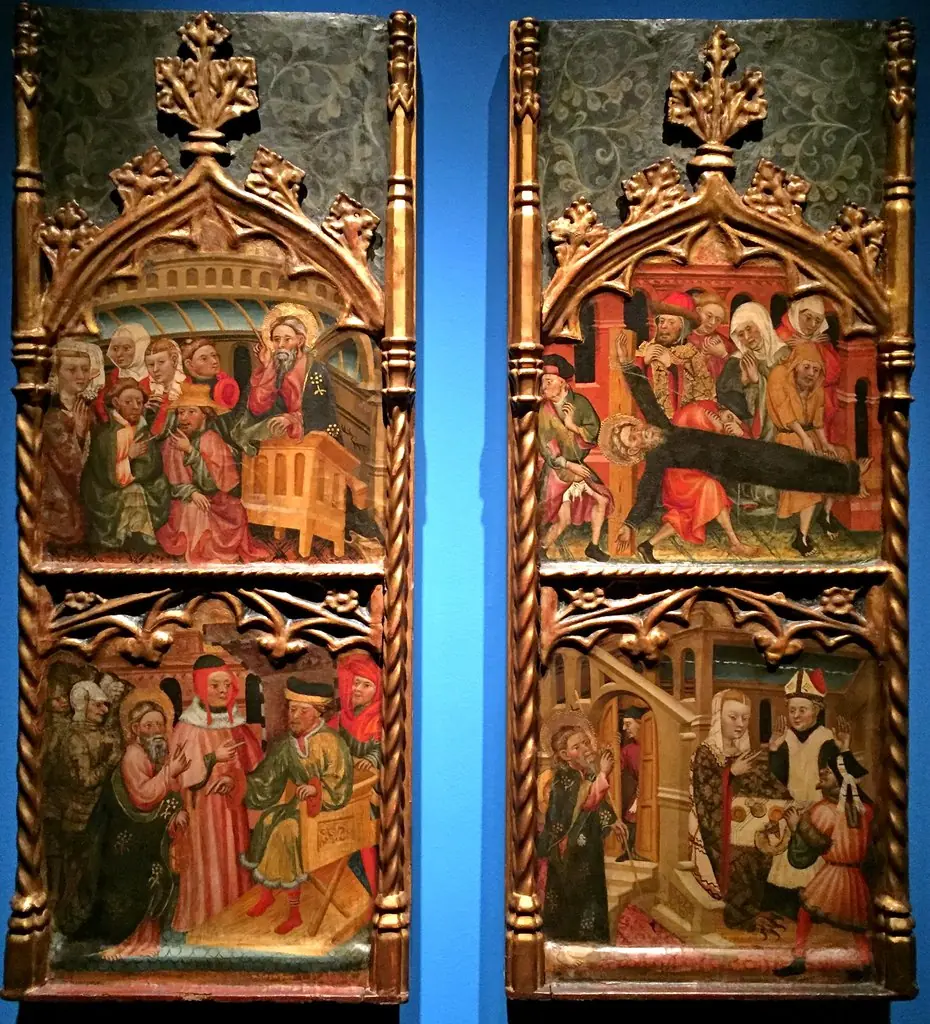
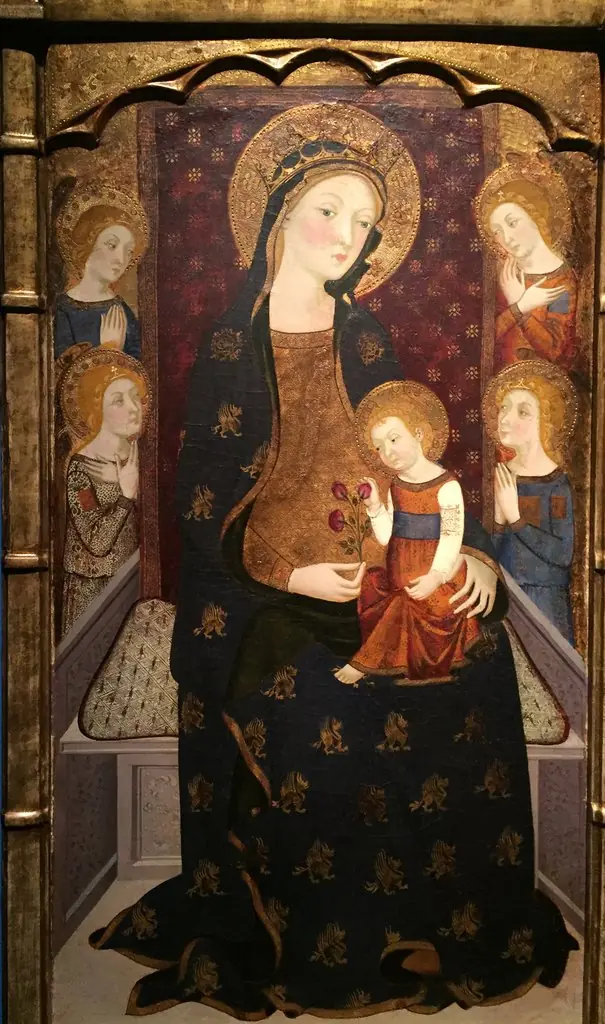
Painted in 1510 by Pedro Romana, a Spanish artist active in Córdoba during the early Renaissance, this oil-on-panel work portrays Saint Thomas the Apostle. It belongs to the collection of the Museu Nacional d'Art de Catalunya and exemplifies the regional style of the Córdoba School, which blended Northern European and Italian influences into devotional imagery commissioned for ecclesiastical settings.
Subject & Meaning
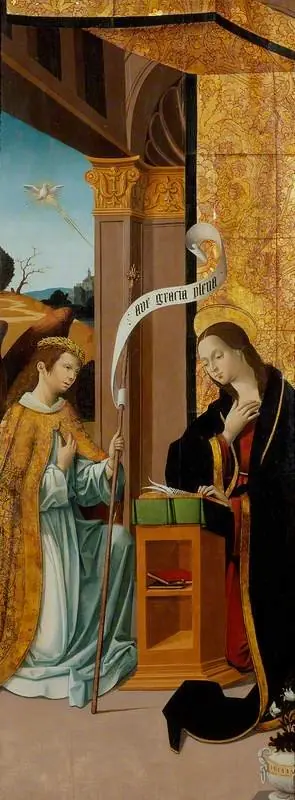
The figure depicted is Saint Thomas the Apostle, identified by traditional iconography: a halo, solemn expression, and the spear, a reference to his martyrdom. Though the figure is rendered with feminine features and wears a green robe with a red collar, these are stylistic conventions of the period rather than indications of misidentification. The spear signifies his role as a missionary and witness to Christ’s resurrection.
Technique & Style
Romana employed oil paint with careful attention to texture and detail, reflecting Flemish influence in the rendering of fabric and light. The gold-patterned background, typical of late medieval altarpieces, creates a sacred, non-naturalistic space. The figure’s drapery and facial modeling show Italianate softness, while the precise line work and decorative elements align with regional Spanish traditions of the time.
History & Provenance
Commissioned for a religious context, likely a church or chapel in Andalusia, the painting entered the Museu Nacional d'Art de Catalunya’s collection through later acquisitions of Spanish ecclesiastical art. Its survival into the modern era reflects its continued veneration and the museum’s efforts to preserve regional Renaissance works from the 16th century.
Context
Romana worked within the Córdoba School, a regional tradition that absorbed Flemish realism and Italian compositional harmony while retaining local devotional intensity. Though not directly linked to the Scuola degli Albanesi, the painting shares with it a transregional exchange of iconographic and technical practices among Mediterranean Christian communities during the early 1500s.
Legacy
The painting stands as a representative example of early 16th-century Spanish religious art, illustrating the transition from Gothic stylization to Renaissance naturalism in provincial workshops. It contributes to scholarly understanding of how regional artists synthesized diverse influences to meet the spiritual and aesthetic demands of their patrons.
Artist & collection
Artist
Pedro Romana (c.1460–1536) was a Spanish Renaissance painter. Romana was probably born around Córdoba, Andalusia where he was active from 1488 to 1536. He specialized in religious-themed works for church commissions,…