Artwork
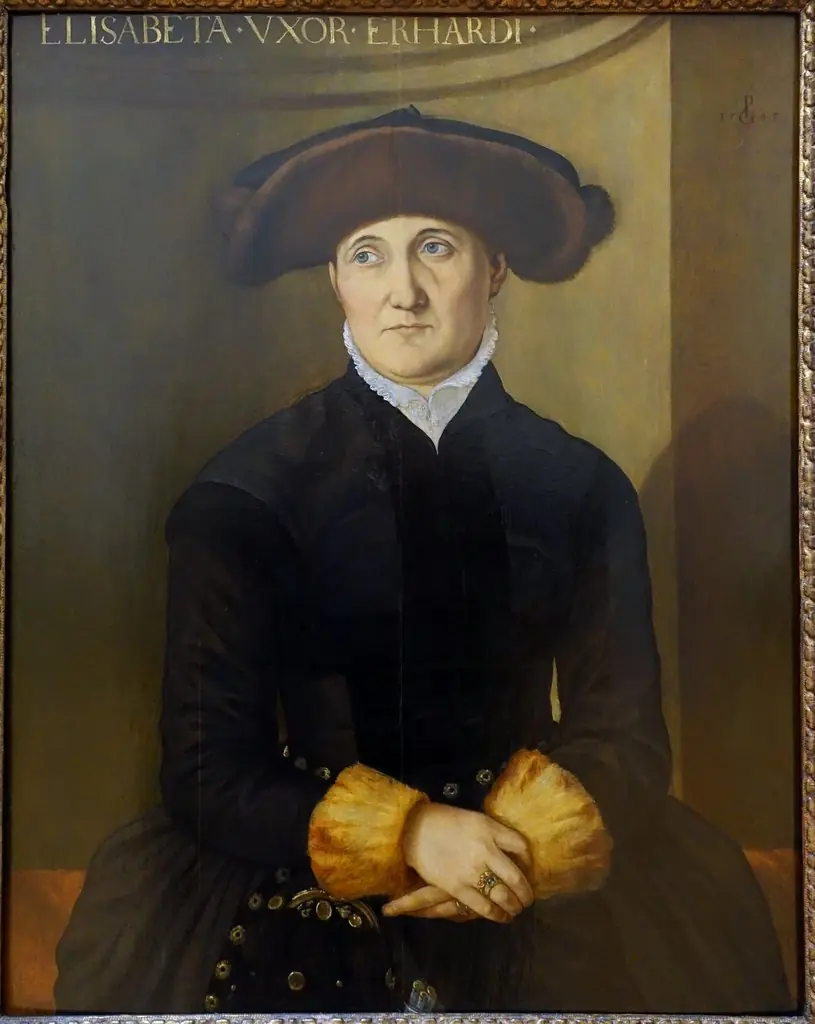
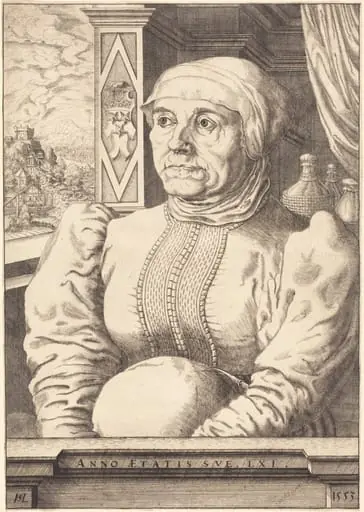
Wife of Georg Pencz
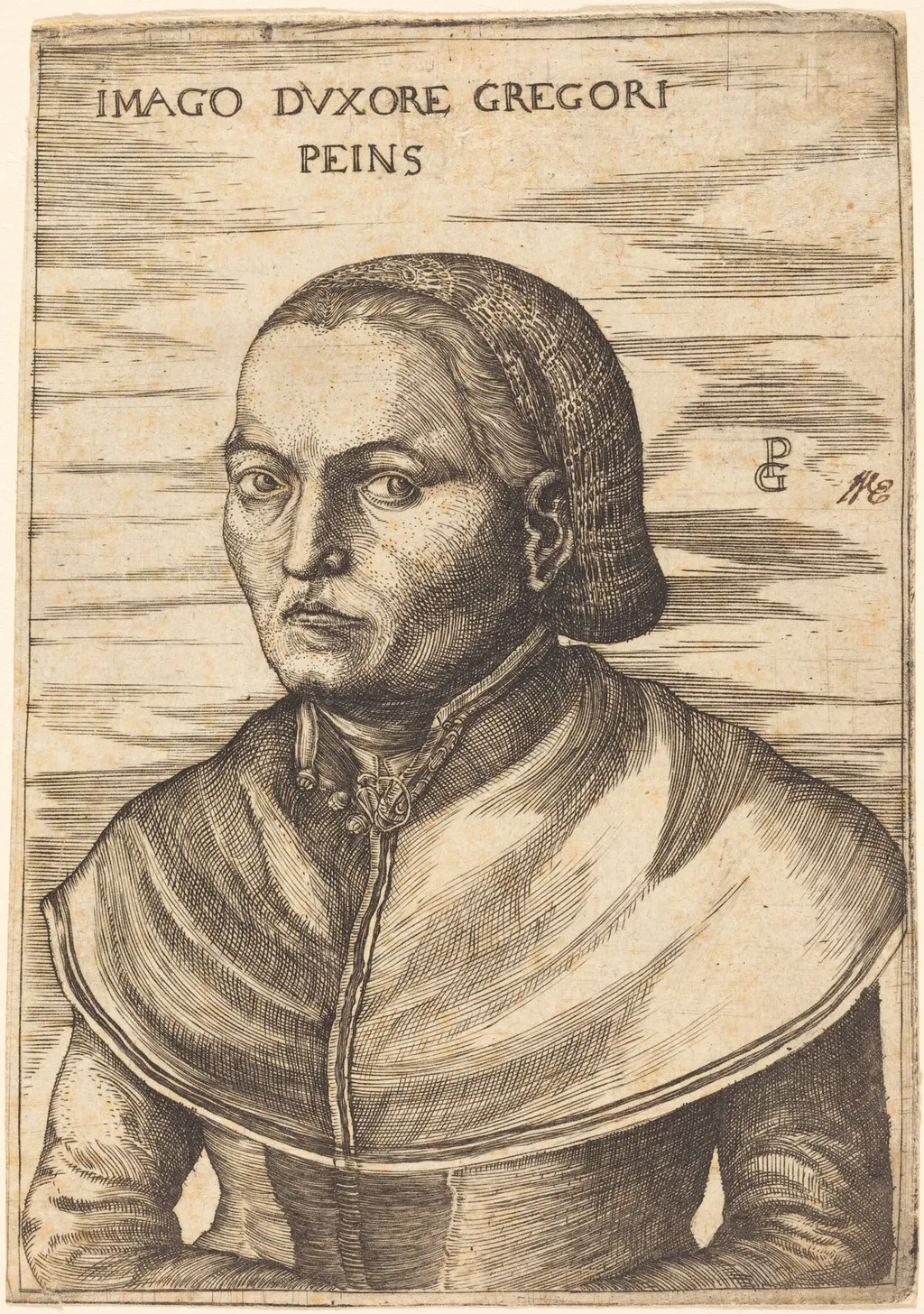
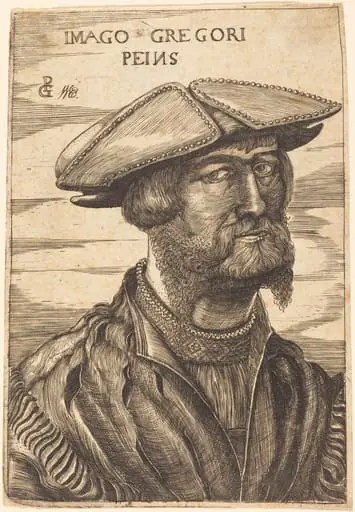
Wife of Georg Pencz is an ink print by the Renaissance artist Georg Pencz. It dates from 1525 and is held in the collection of the National Gallery of Art.
About this work
Overview
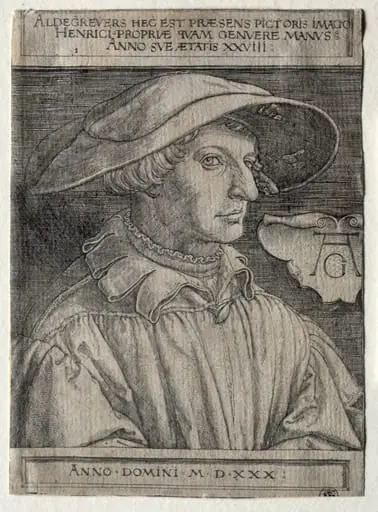
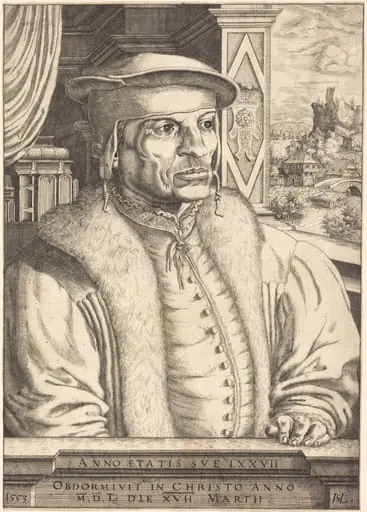
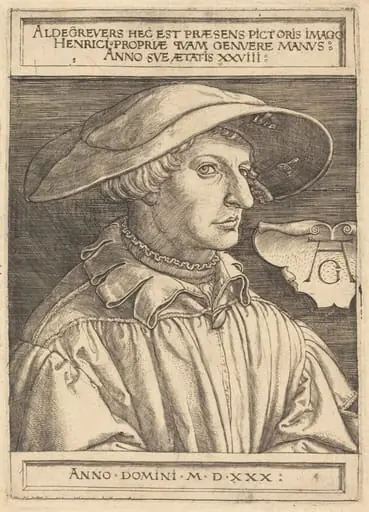
The portrait is framed by a plain background, emphasizing the intricate rendering of the subject’s high collar, ruffled shirt, and solemn expression.
Georg Pencz’s *Wife of Georg Pencz* is a 1525 copper engraving that presents a single, half‑length figure in a stark, monochrome composition. The portrait is framed by a plain background, emphasizing the intricate rendering of the subject’s high collar, ruffled shirt, and solemn expression. A Latin inscription at the top, *Imago Dvxore Gregori Peins*, identifies the work as an image of Pencz’s spouse.
Subject & Meaning
The sitter is depicted with a serious demeanor, a pronounced jawline, and deep‑set eyes, suggesting a dignified, perhaps introspective character. Though the title references the artist’s wife, the portrait’s formal attire and composed pose reflect the early‑sixteenth‑century conventions of personal representation, where status and moral gravity were conveyed through restrained facial expression and elaborate dress.
Technique & Style
Pencz employs fine, closely spaced lines and cross‑hatching to model the folds of the clothing and the contours of the face, creating a subtle gradation of tone. The engraving demonstrates his mastery of line work inherited from Albrecht Dürer’s workshop, while also revealing influences from Venetian printmaking, particularly the smooth transitions favored by his collaborator Marcantonio Raimondi.
History & Provenance
Created shortly after Pencz joined Dürer’s Nuremberg studio in 1523, the print emerged during a turbulent period in the artist’s life. In the same year he was detained alongside the Beham brothers for holding unorthodox theological views, a circumstance that may have limited the work’s early circulation. The engraving’s later ownership records are sparse, but it has remained within European print collections since the 17th century.
Context
The early 1520s marked a phase of intense artistic exchange between northern Germany and Italy. Pencz’s travels to Venice exposed him to the city’s emphasis on graceful line and compositional balance, elements that merge with the rigorous detail of northern engraving in this work. The piece thus embodies a cross‑regional synthesis, reflecting both the German tradition of precise draftsmanship and the Italian penchant for elegant portraiture.
Artist & collection
Artist
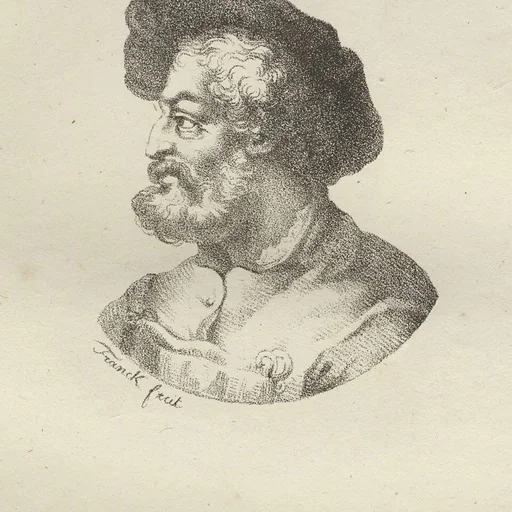
Georg Pencz (c. 1500 – 11 October 1550) was a German engraver, painter and printmaker. Pencz was probably born in Westheim near Bad Windsheim/Franconia. He travelled to Nuremberg in 1523 and joined Albrecht Dürer’s…