Artwork
Abdias
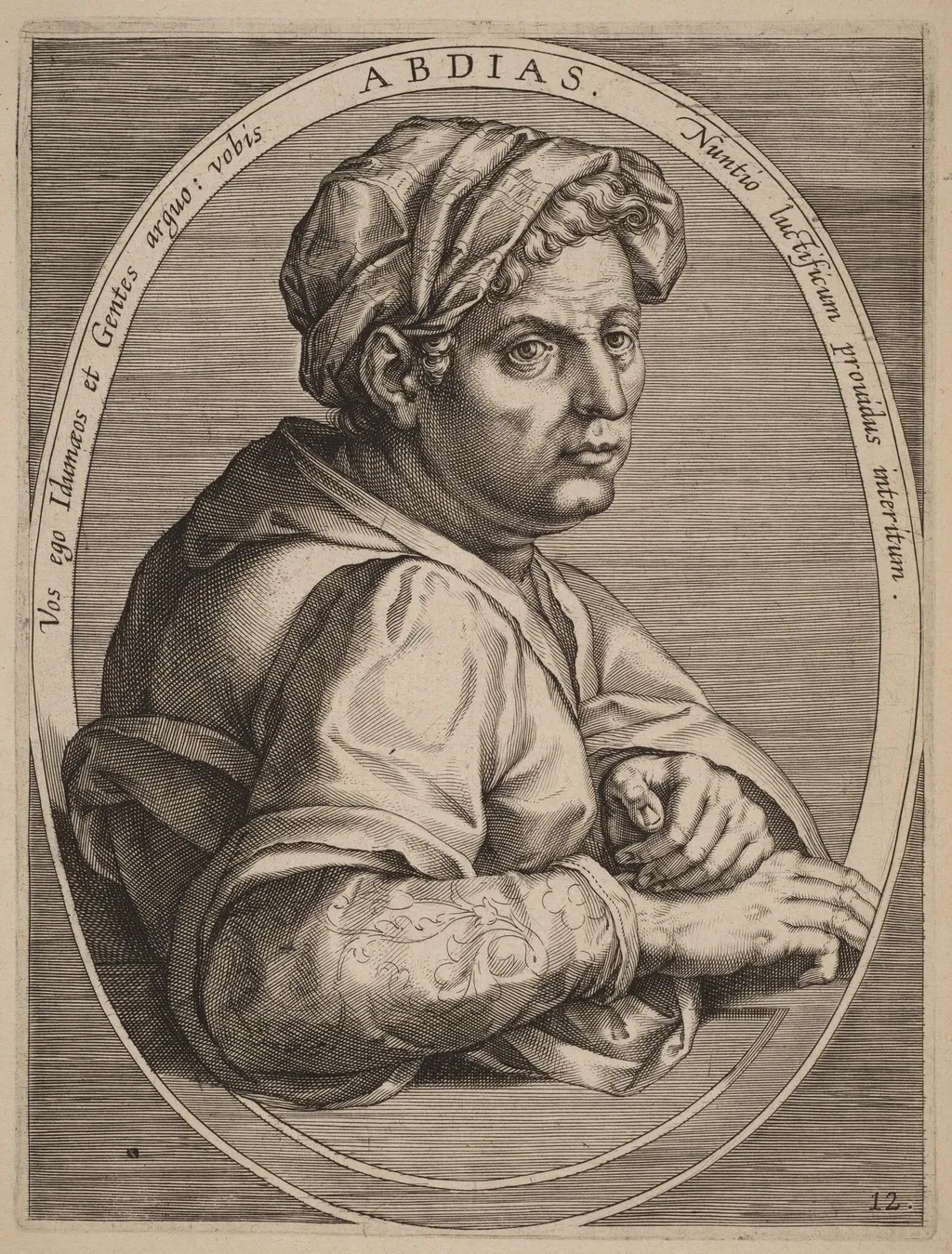
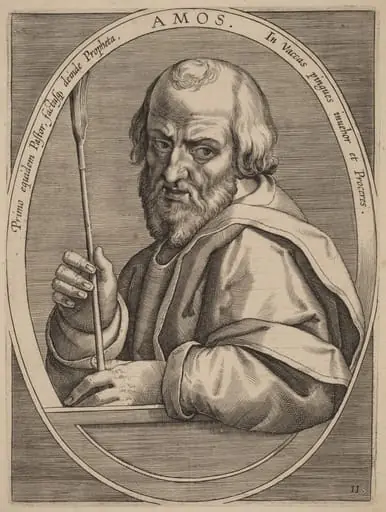
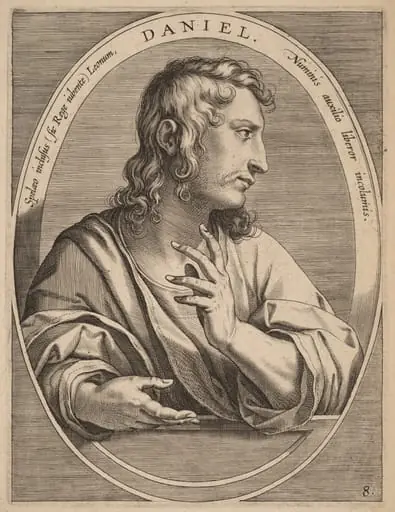
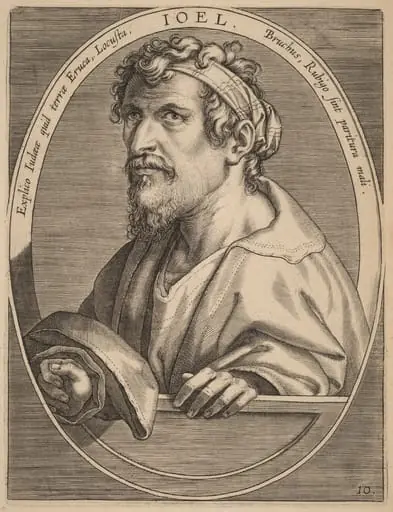
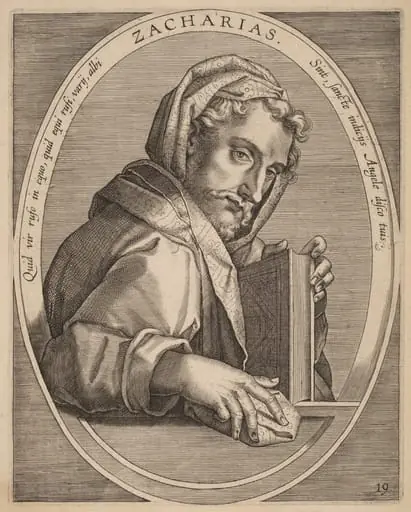
Abdias is an ink print by the Baroque artist Theodor Galle. It dates from 1613 and is held in the collection of the National Gallery of Art.
About this work
Overview
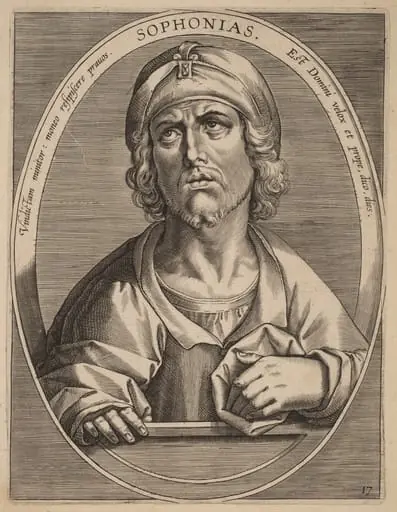
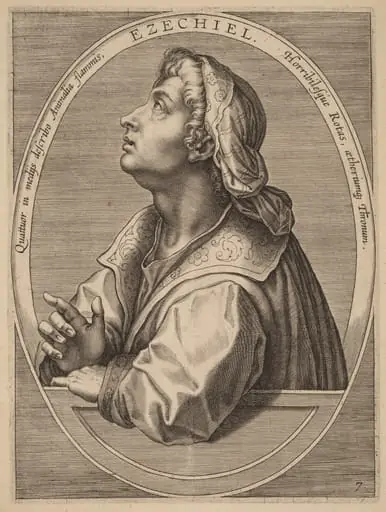
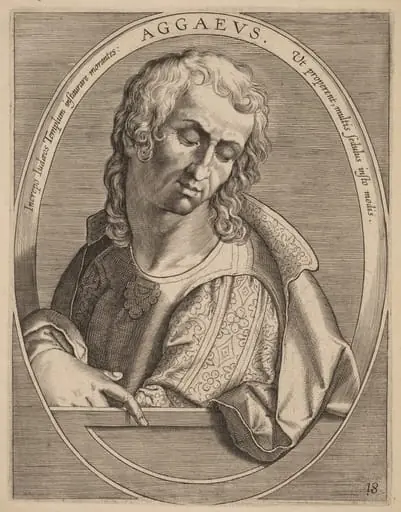
The work is a black‑and‑white engraving on laid paper, executed in 1613 by the Flemish printmaker Theodor Galle. It presents a half‑length portrait of a man identified by the inscription “Abdias” at the top. The figure is rendered against an unadorned background, directing attention to his facial expression and the drapery of his garment.
Subject & Meaning
The sitter, a man with tightly curled hair and a solemn demeanor, is shown wearing a loose robe that falls over one shoulder, his left hand resting on a folded cloth. The inscription suggests the portrait was intended to convey status or commemoration, emphasizing the individual’s identity rather than a narrative scene.
Technique & Style
Galle employed the engraving technique, incising fine lines into a metal plate to produce delicate tonal variations. The rendering of shadows on the hair and fabric relies on closely spaced parallel strokes, creating a subtle modelling of volume. The plain background and restrained line work reflect the early‑17th‑century Northern European portrait tradition.
History & Provenance
Created in 1613, the print belongs to the early period of Theodor Galle’s career, when he was active in Antwerp. While specific ownership records are scarce, the work has circulated among collections of early modern prints, illustrating Galle’s role in disseminating portrait imagery through the print market of the time.
Artist & collection