Artwork
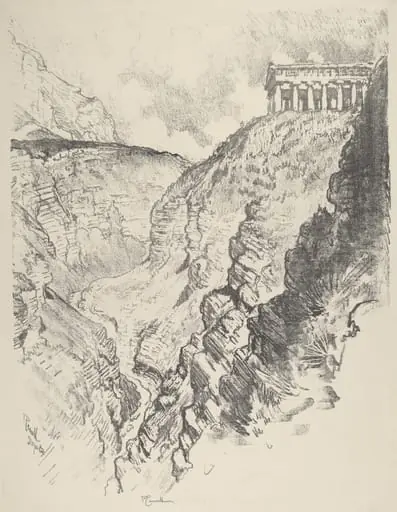
Canyon, No. III
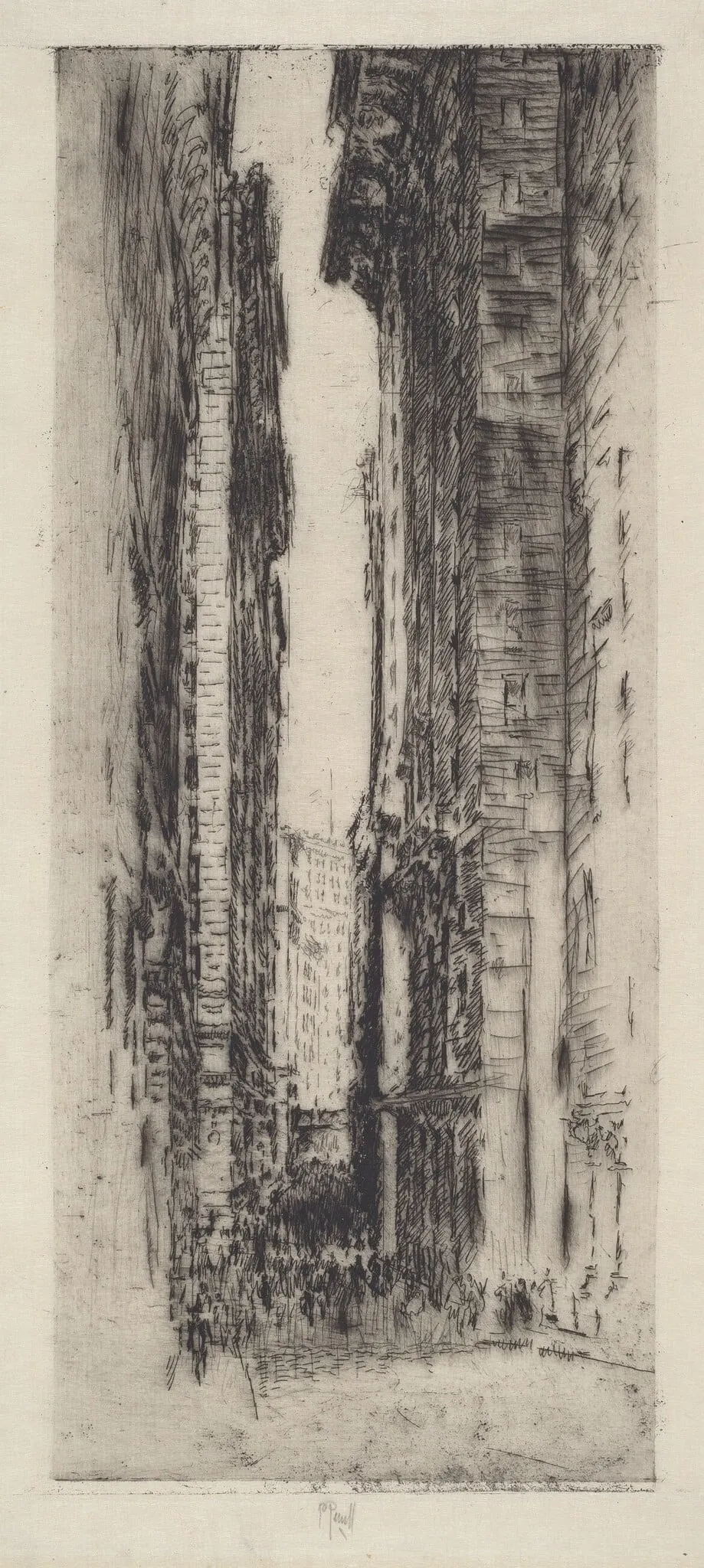
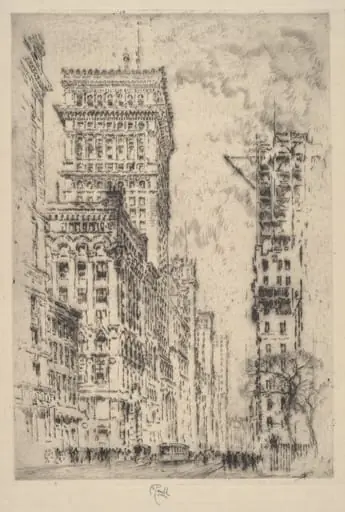
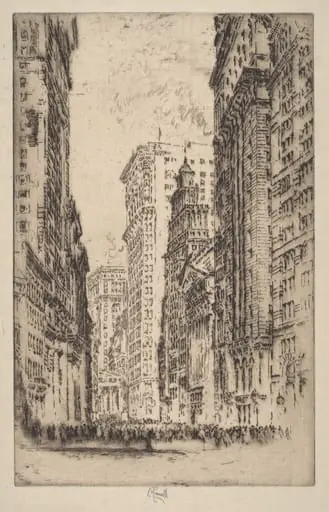
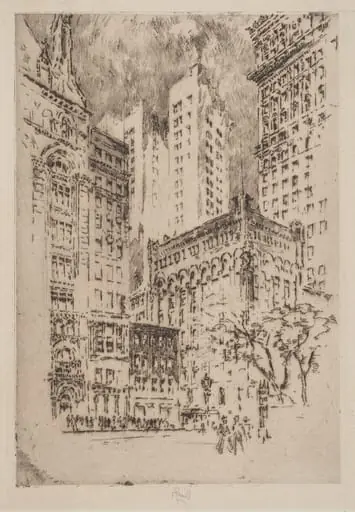
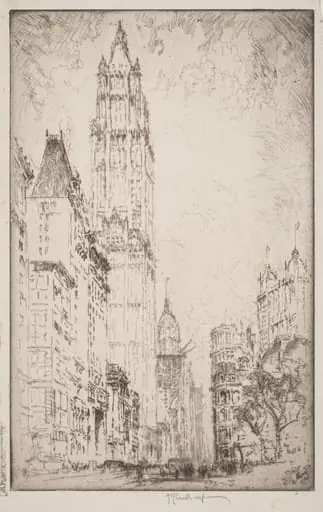
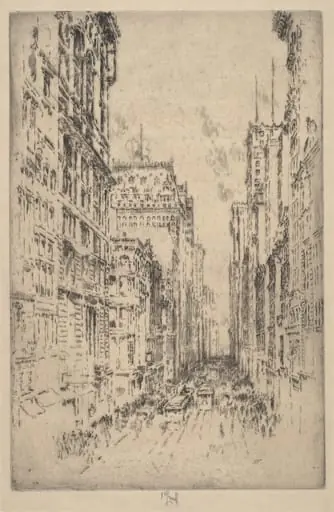
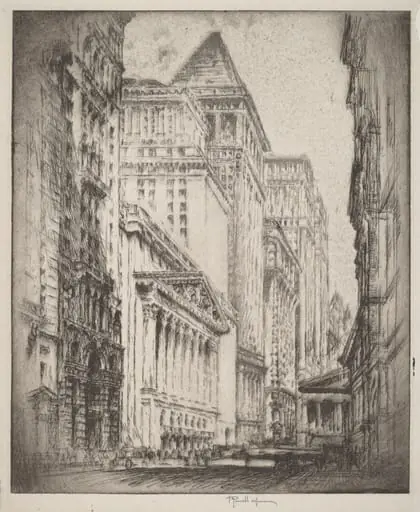
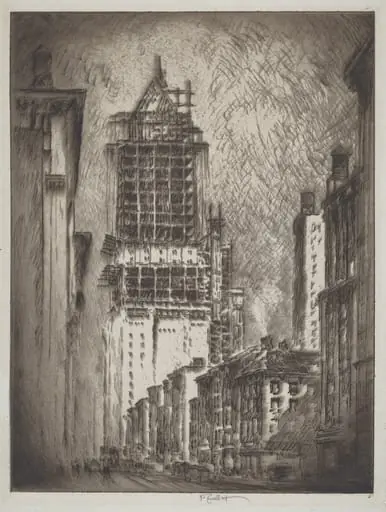
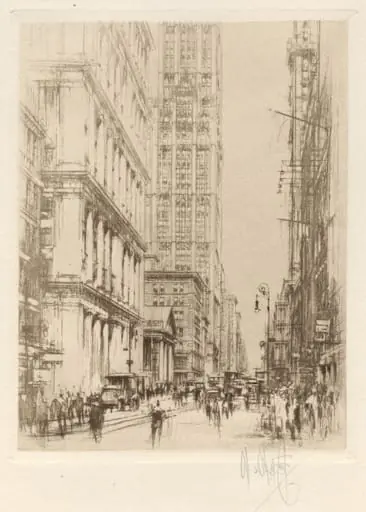
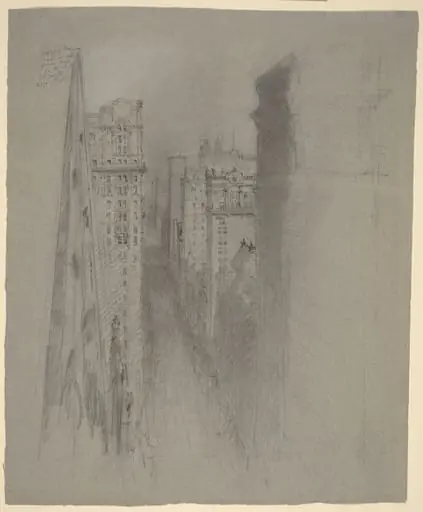
Canyon, No. III is an ink print by Joseph Pennell. It dates from 1904 and is held in the collection of the National Gallery of Art. Canyon, No.
About this work
Overview
Canyon, No. III is a 1904 black‑ink etching executed on laid paper. The work presents a sharply incised view of a deep, water‑carved canyon, its sheer walls rendered through dense, interlocking lines that suggest both depth and the weight of the rock.
Subject & Meaning
The composition focuses on the natural architecture of a canyon, emphasizing the contrast between the dark, shadowed interior and the lighter, exposed edges. The stark monochrome treatment highlights the geological forces that shaped the landscape, inviting contemplation of nature’s enduring power.
Technique & Style
Pennell employed a wet‑paper etching method rather than traditional metal plates, allowing ink to settle in softened areas and produce blended tonal zones. This approach yields a softer transition between light and dark, giving the shadows a fluid, almost molten quality that differs from crisp line work.
History & Provenance
Created during a period when Pennell was active in Europe, the print reflects his broader interest in industrial and urban subjects, though here he turns to a natural scene. The work is catalogued among his early 20th‑century prints and has circulated in private collections and museum holdings since its inception.
Context
Pennell, a former student of James Lambdin and Thomas Eakins, absorbed influences from both academic training and the atmospheric sensibilities of James McNeill Whistler. This background informs the print’s balance of precise draftsmanship and tonal subtlety, situating it within his diverse oeuvre of architectural and landscape studies.
Artist & collection
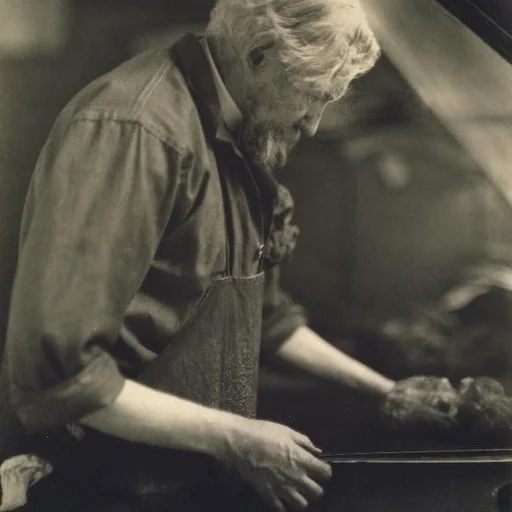
Artist
Joseph Pennell (July 4, 1857 – April 23, 1926) was an American draftsman, etcher, lithographer, and illustrator for books and magazines.