Artwork
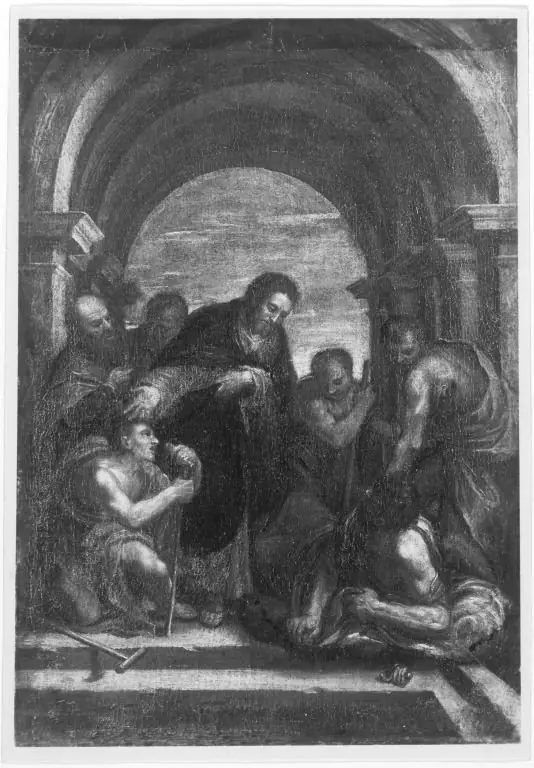
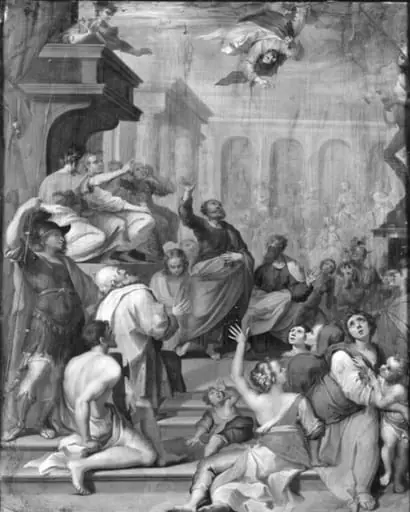
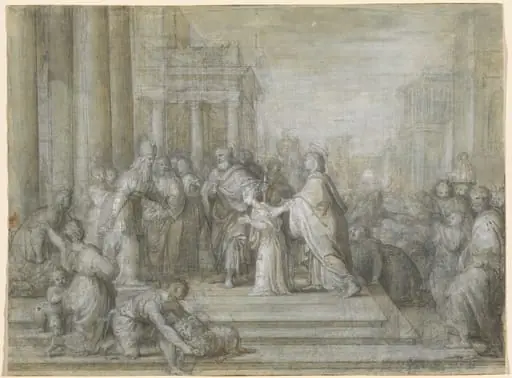
The Raising of Lazarus
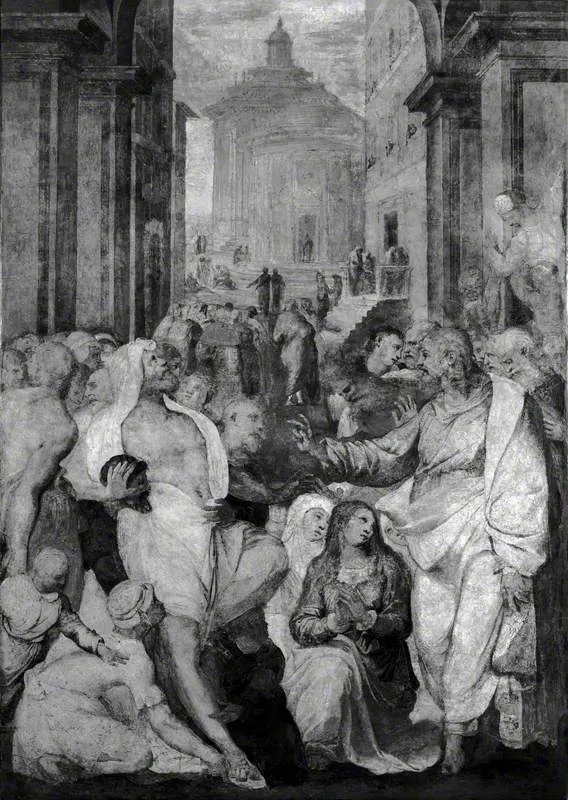
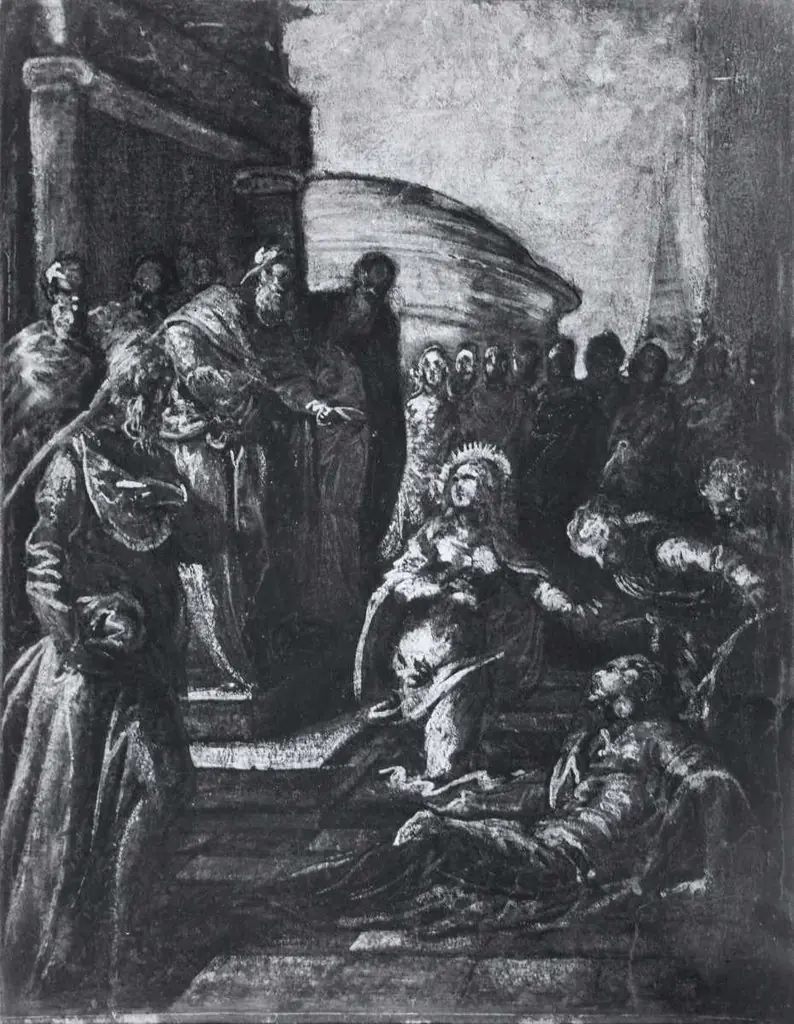
The Raising of Lazarus is an unspecified painting by the Mannerist artist Perino del Vaga. It dates from 1539 and is held in the collection of the Victoria and Albert Museum.
About this work
Overview
Created in 1539 by the Italian painter Perino del Vaga, this oil work depicts the biblical episode of Lazarus’s resurrection. Executed during the late Renaissance, it now belongs to the collection of the Victoria and Albert Museum in London.
Subject & Meaning
The composition centers on the moment Lazarus is drawn from the tomb, his body supported by a figure in white while onlookers react with astonishment. The narrative captures the miracle’s emotional intensity, emphasizing faith and the awe inspired by the resurrection.
Technique & Style
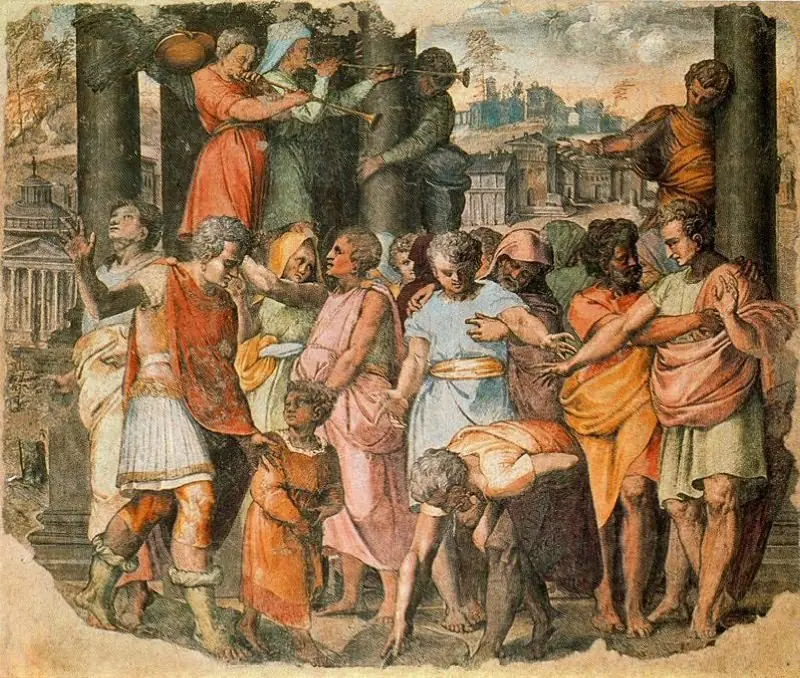
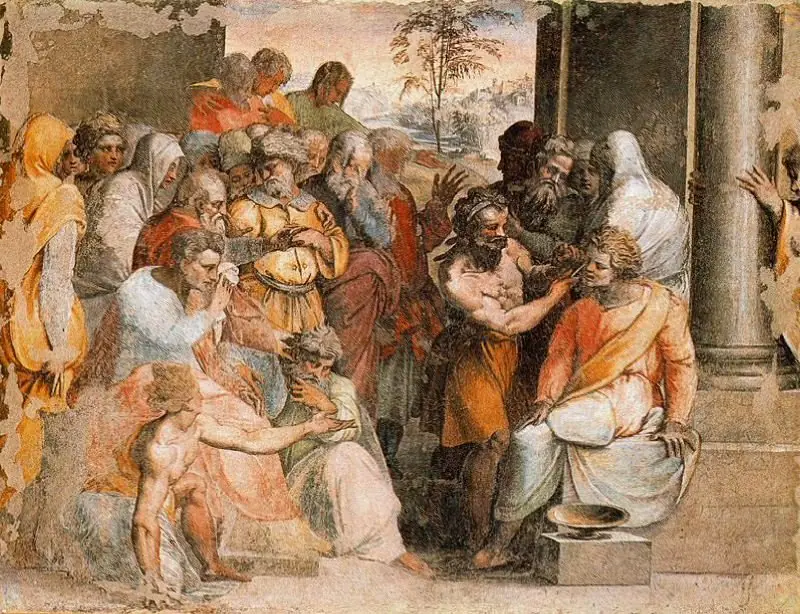
The painting exemplifies Mannerist aesthetics through its elongated figures, complex poses, and a heightened sense of artificial elegance. Del Vaga employs a vivid palette and dramatic chiaroscuro to enhance the scene’s movement and emotional charge.
History & Provenance
After its completion, the work entered private collections before being acquired by the Victoria and Albert Museum in the early 20th century. Its documented provenance traces a path from Italian patrons to the British institution where it is displayed today.
Context
Produced at a time when Mannerism was supplanting High Renaissance ideals, the painting reflects contemporary interests in expressive composition and sophisticated visual rhetoric. It aligns with other religious commissions of the period that sought to engage viewers through theatrical storytelling.
Artist & collection

Artist
Piero Bonaccorsi (1501 – October 19, 1547), known as Perino (or Perin) del Vaga, was an Italian painter and draughtsman of the Late Renaissance/Mannerism.