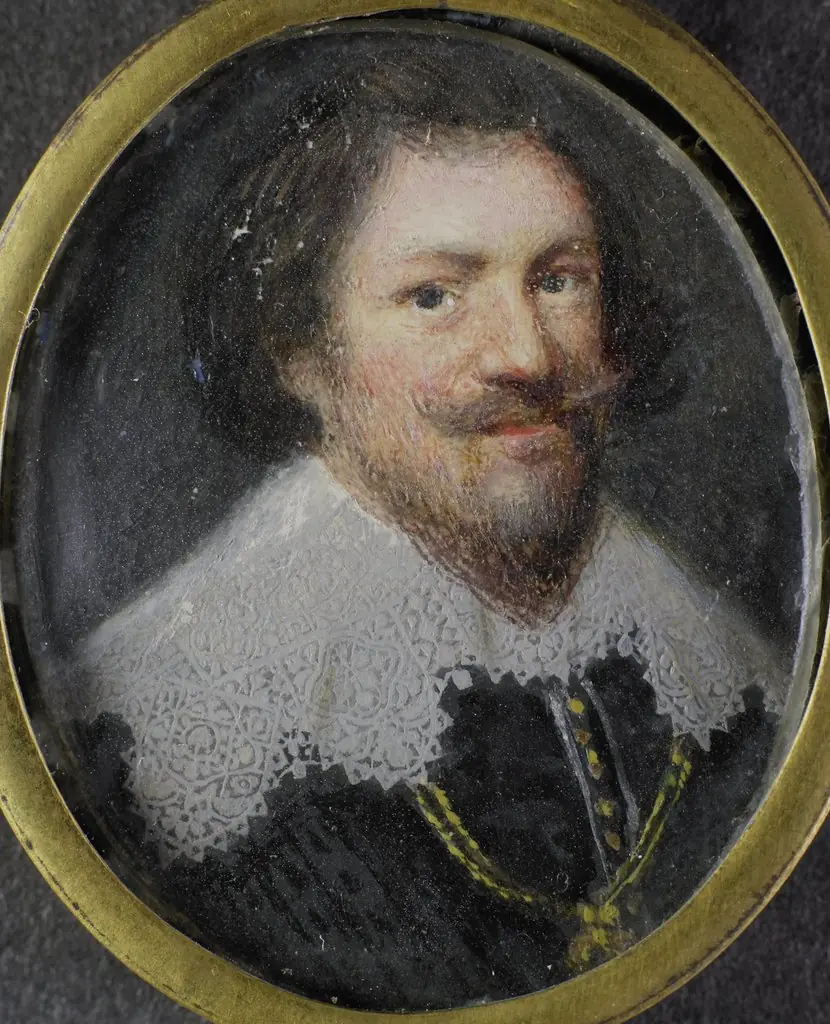
Artwork
Karel Stuart (1600-49), prins van Wales. De latere koning Karel I van Engeland
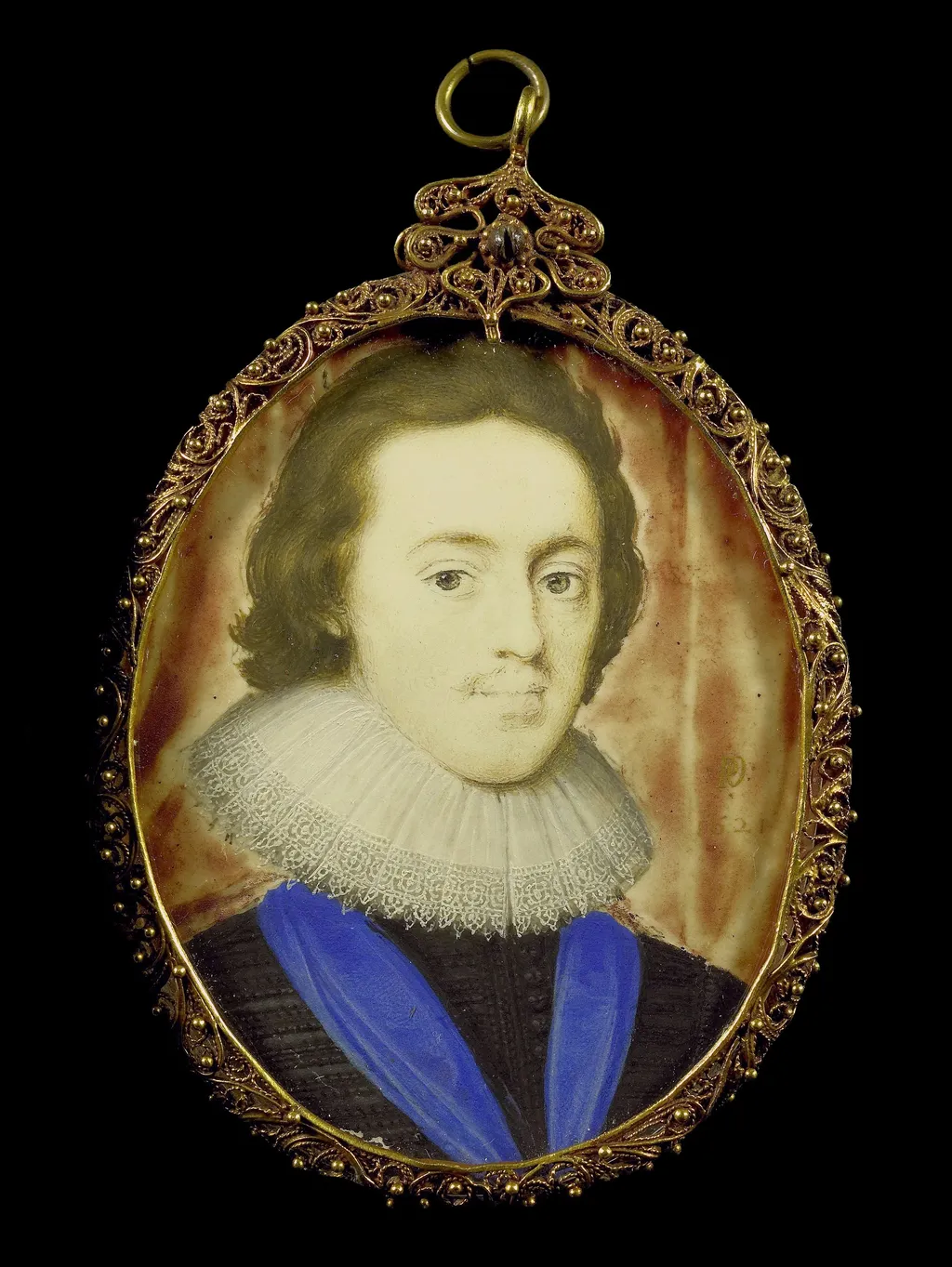
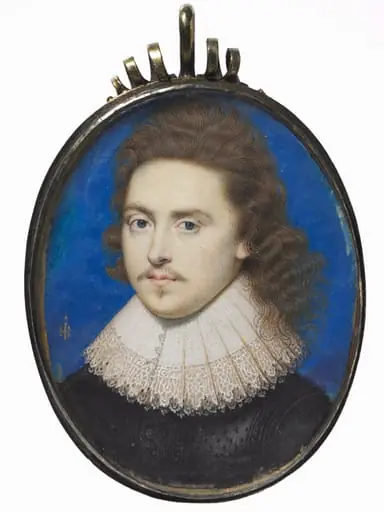
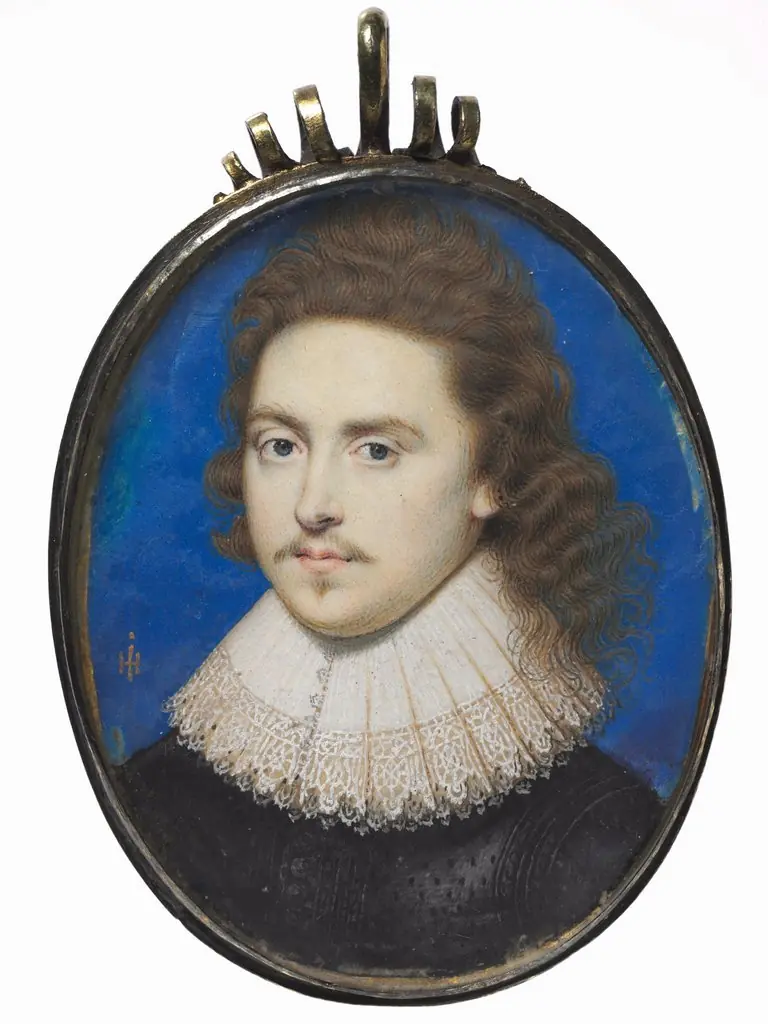
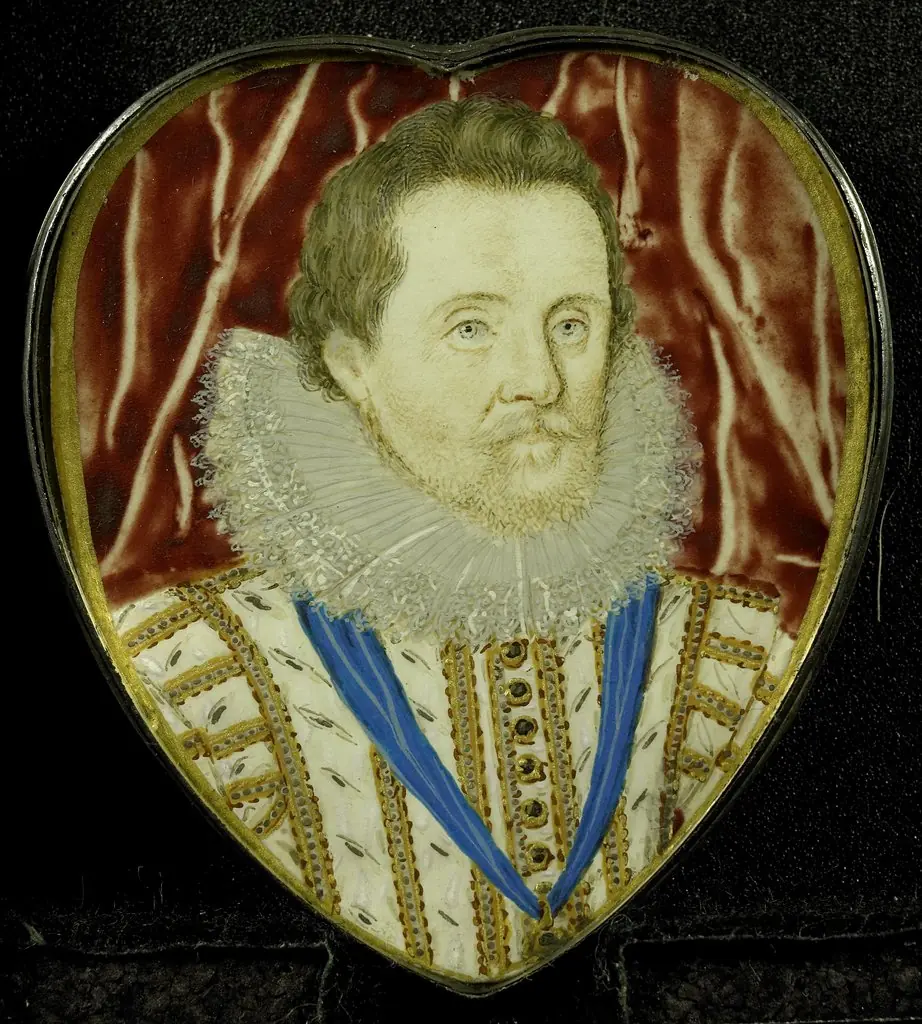
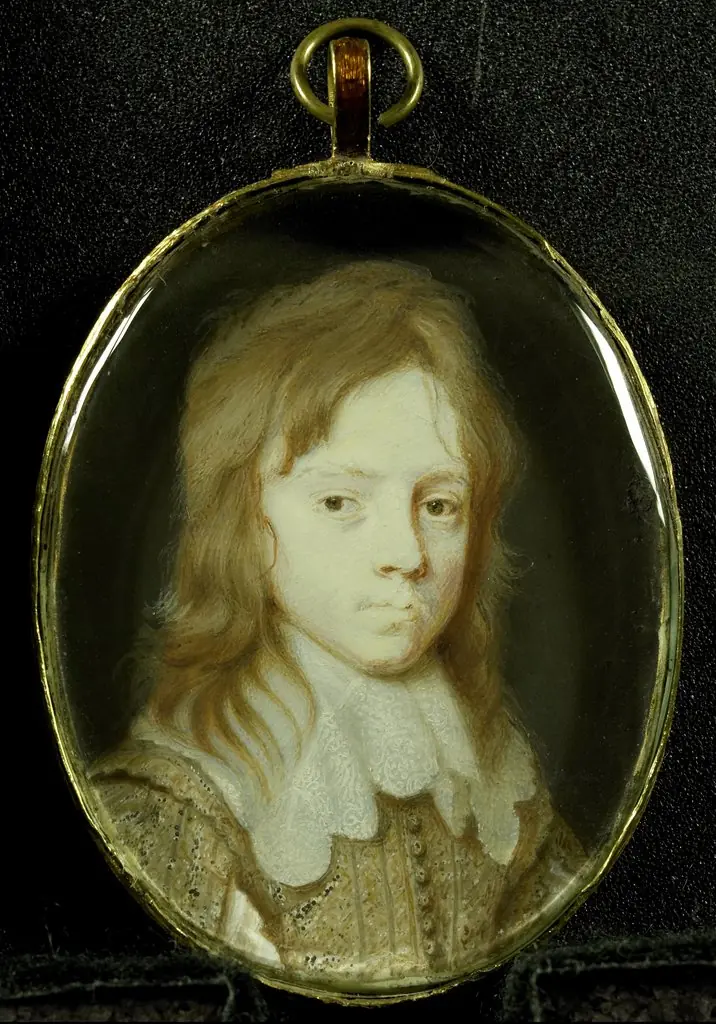
Karel Stuart (1600-49), prins van Wales. De latere koning Karel I van Engeland is an unspecified painting by the Early Baroque Italian artist Peter Oliver. It dates from 1621 and is held in the collection of the Rijksmuseum. This miniature portrait on parchment depicts Karel Stuart, later King Charles I of England.
About this work
Overview
This miniature portrait on parchment depicts Karel Stuart, later King Charles I of England. Created in 1621 by Peter Oliver, an English miniaturist, it showcases the artist's skill in capturing the subject's likeness.
Subject & Meaning
The portrait shows Karel Stuart as a young man with dark hair, dressed in formal attire, including a white lace collar and blue sash. His serious expression and direct gaze convey a sense of dignity and formality.
Technique & Style
Rendered in the early Baroque style, the portrait employs chiaroscuro to create depth and dimension. The warm, muted background complements the subject's dark hair and clothing, drawing attention to his face.
History & Provenance
Peter Oliver, son of portrait painter Isaac Oliver, inherited his father's unfinished drawings and continued the family's artistic legacy. He worked in Isleworth, producing this portrait in 1621.
Artist & collection
Artist
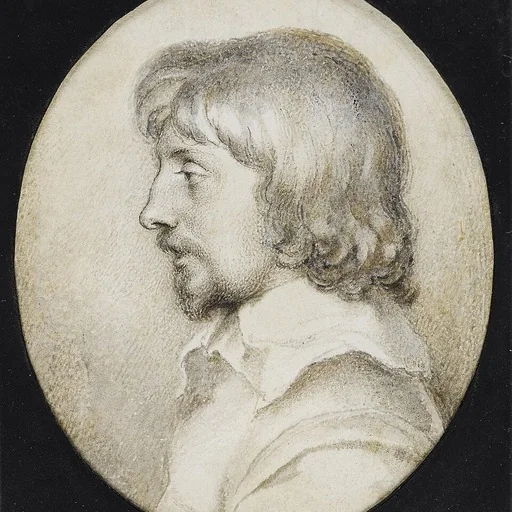
Peter Oliver (1589 – before 27 December 1647) was an English miniaturist. He was born in 1589, the eldest son of Isaac Oliver, a French-born English portrait miniature painter, and his first wife, Elizabeth…

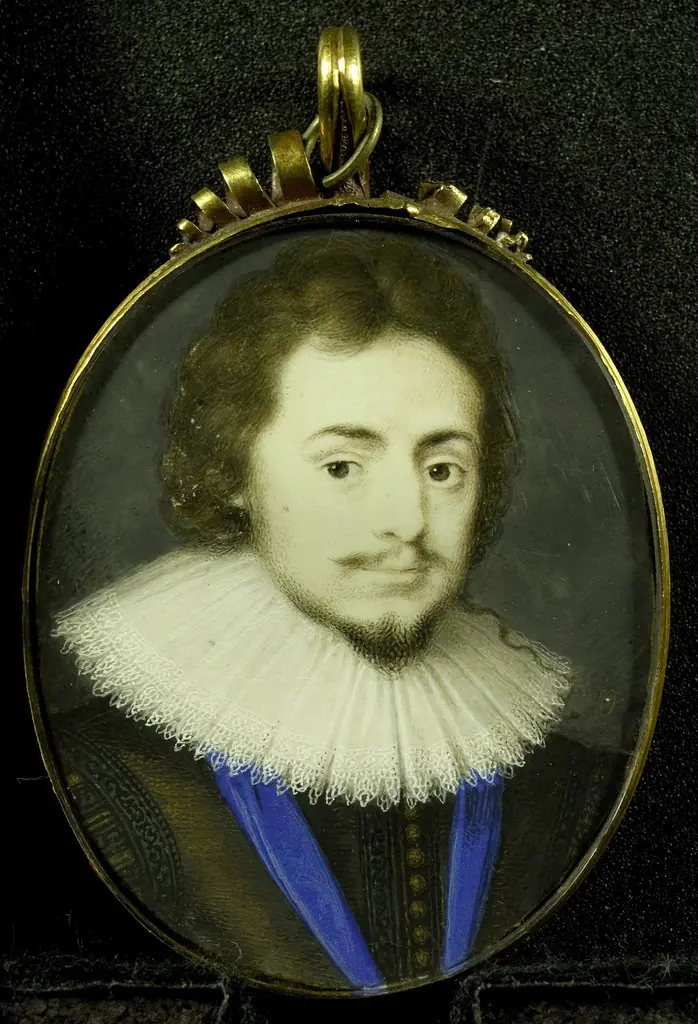 Portrait of Frederick V of the Palatinate
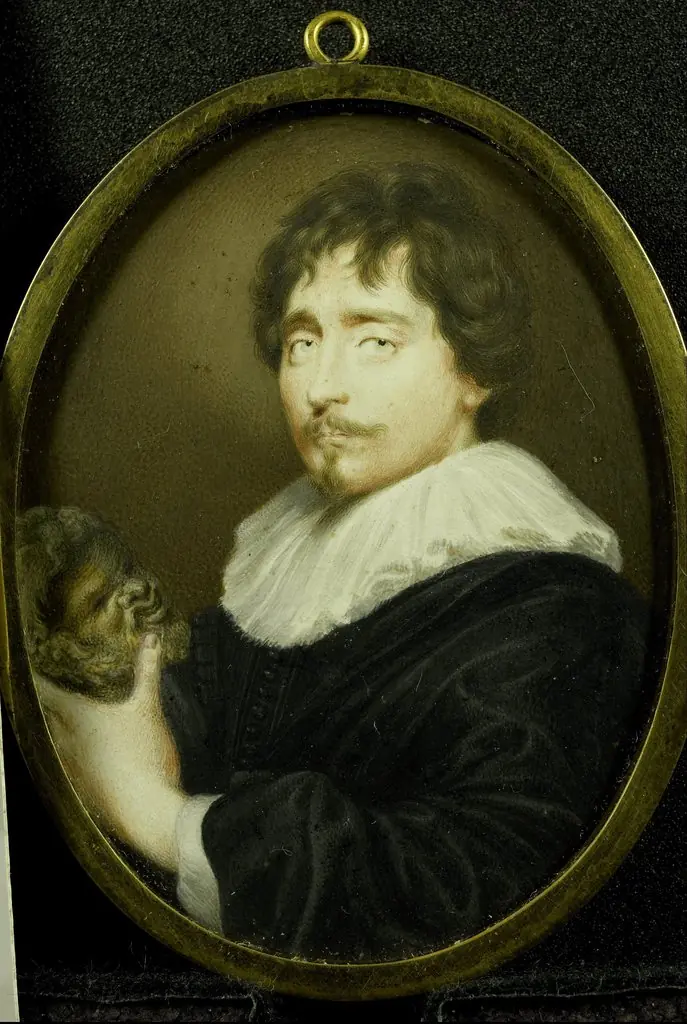 Portrait of a man with a sculpture of a head of Silenus in his hand
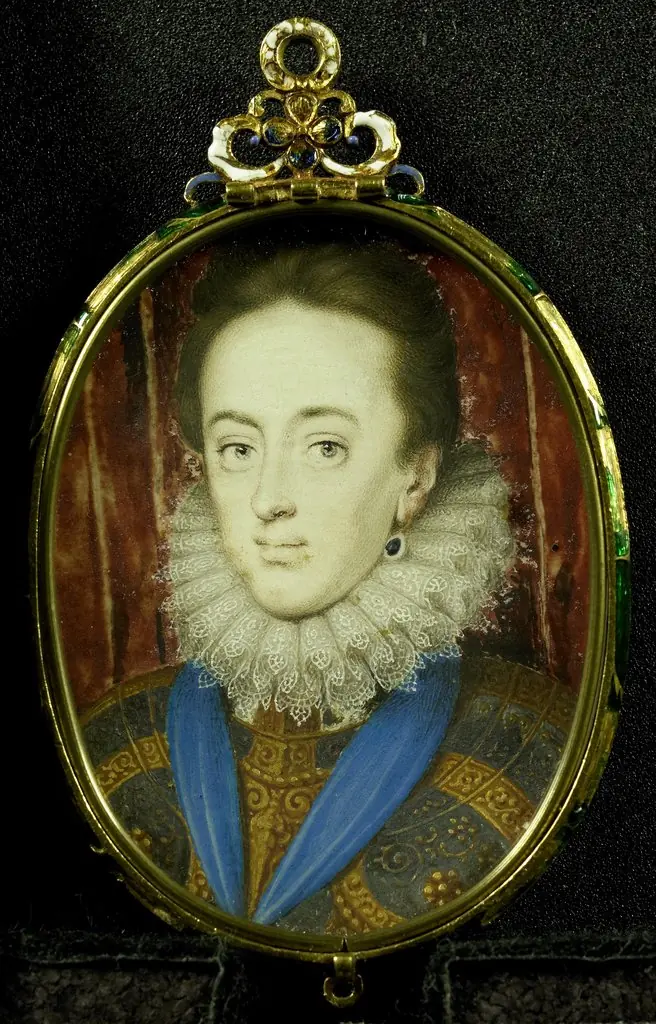 Portrait of Charles I Stuart (1600-1649)
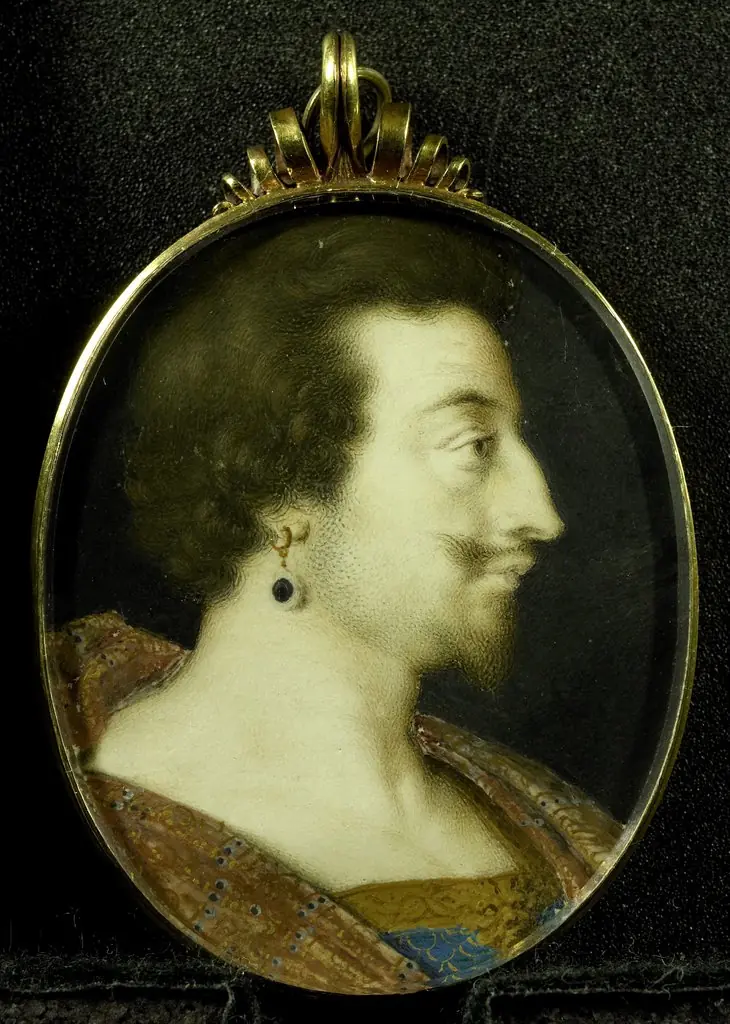 George Villiers (1592-1628), hertog van Buckingham
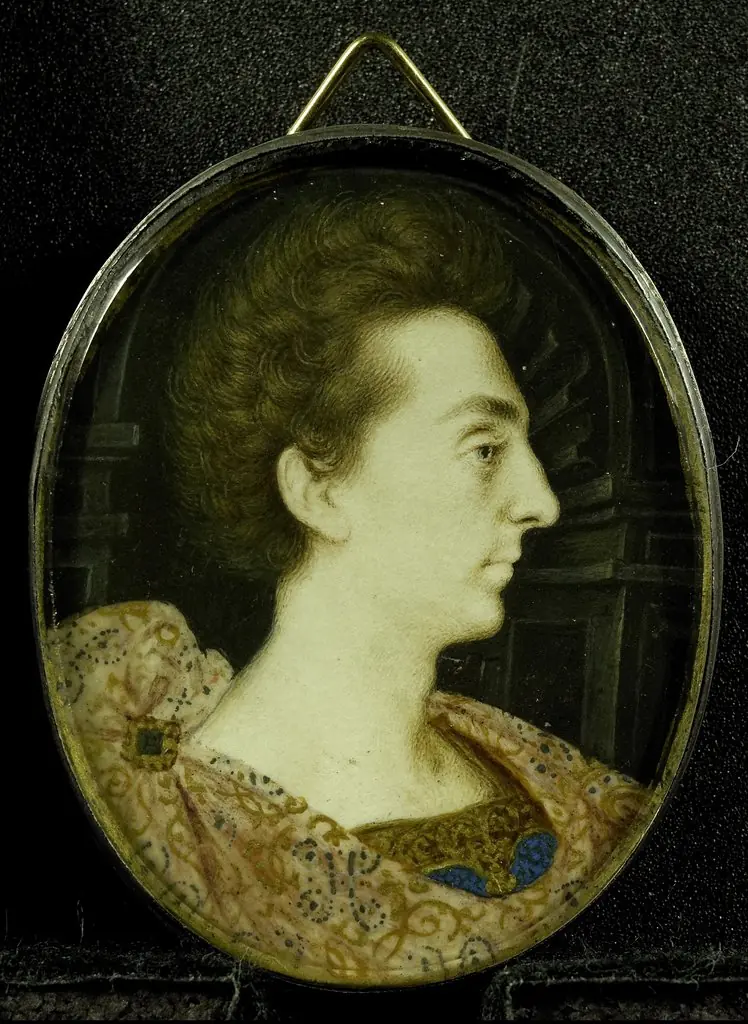 Portrait of Henry Frederick Stuart (1594-1612) or of George Villiers (1592-1628)
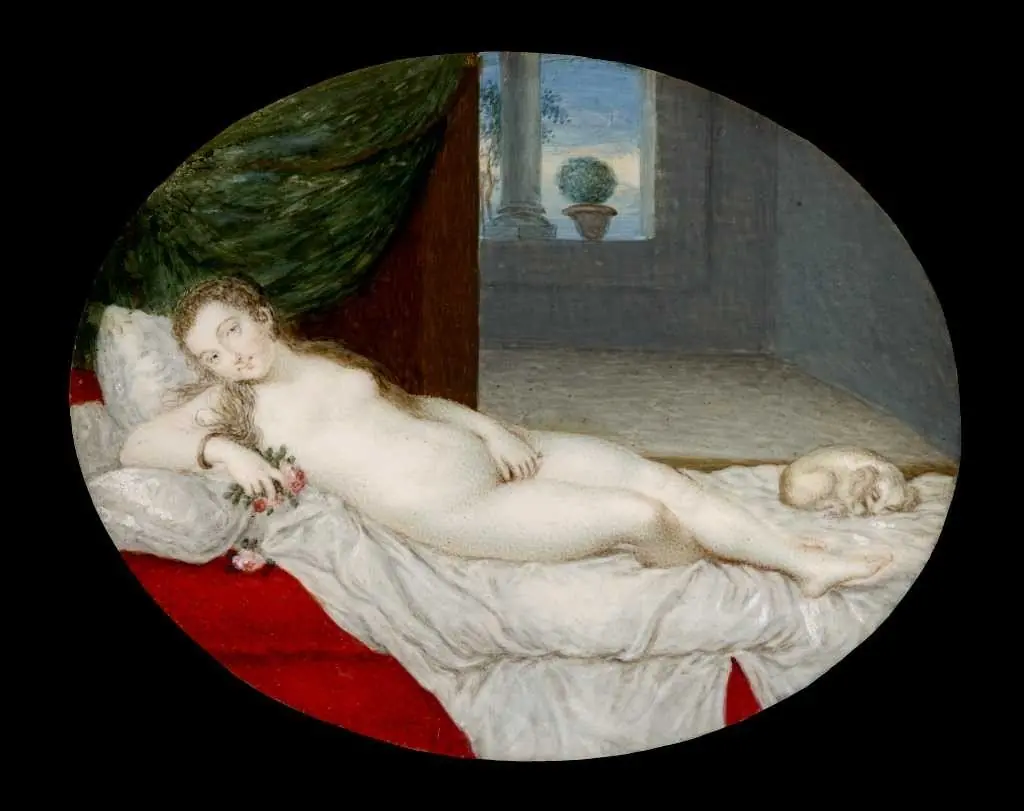 Venus of Urbino
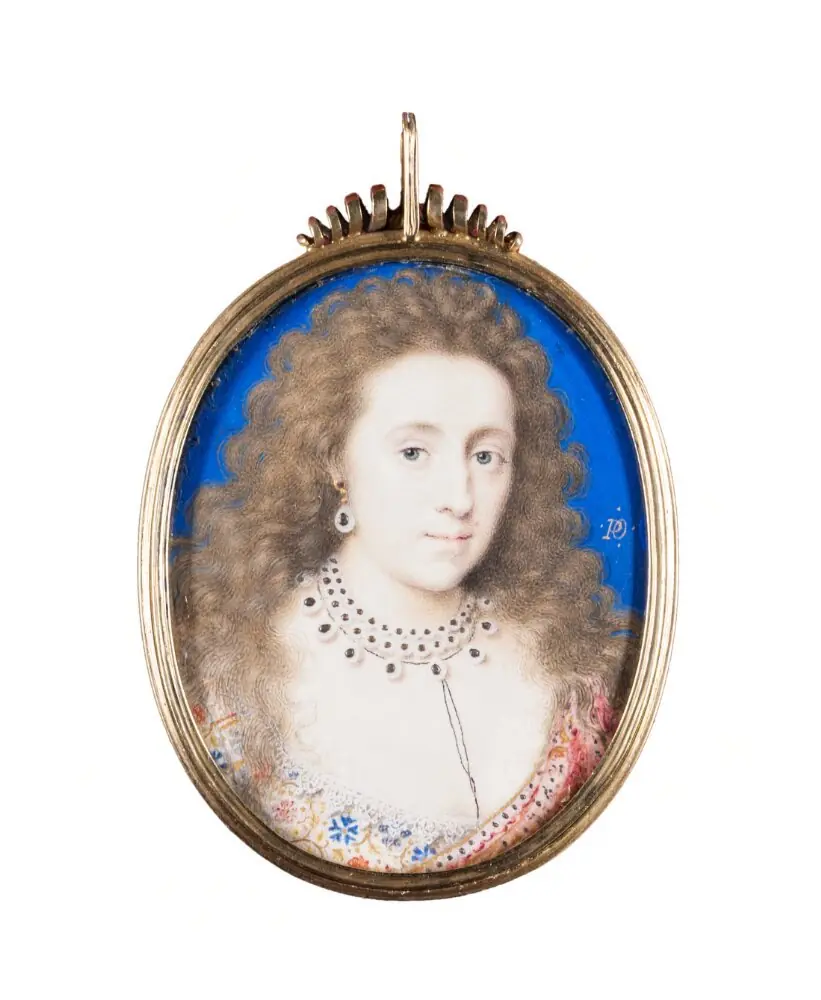 Lady Arabella Stuart
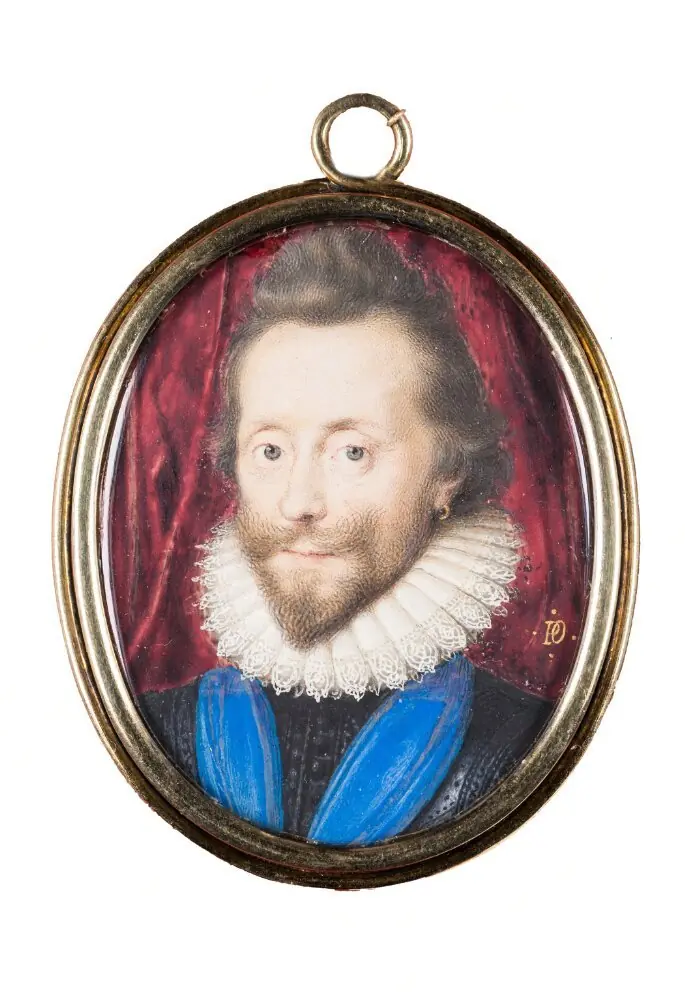 Henry Wristhesley 3rd earl of Southampton