Artwork
Venus of Urbino
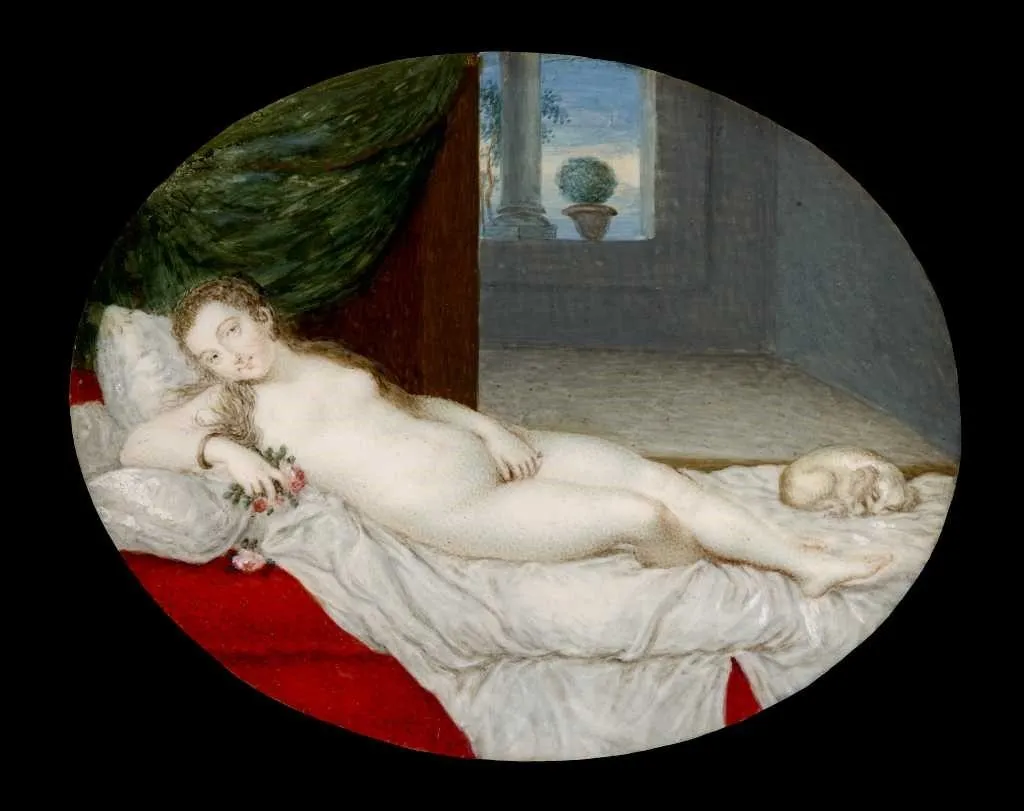
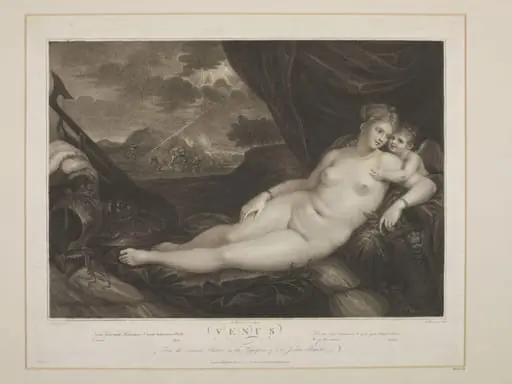
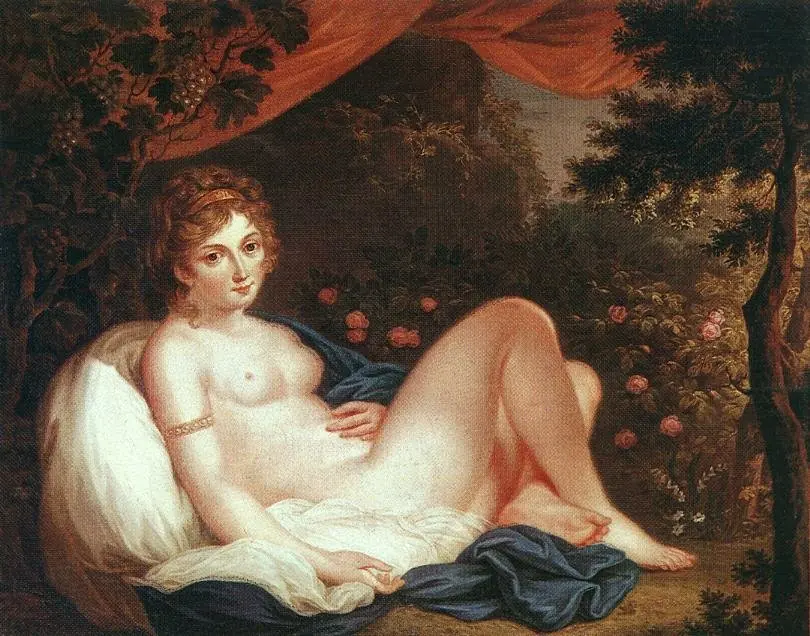
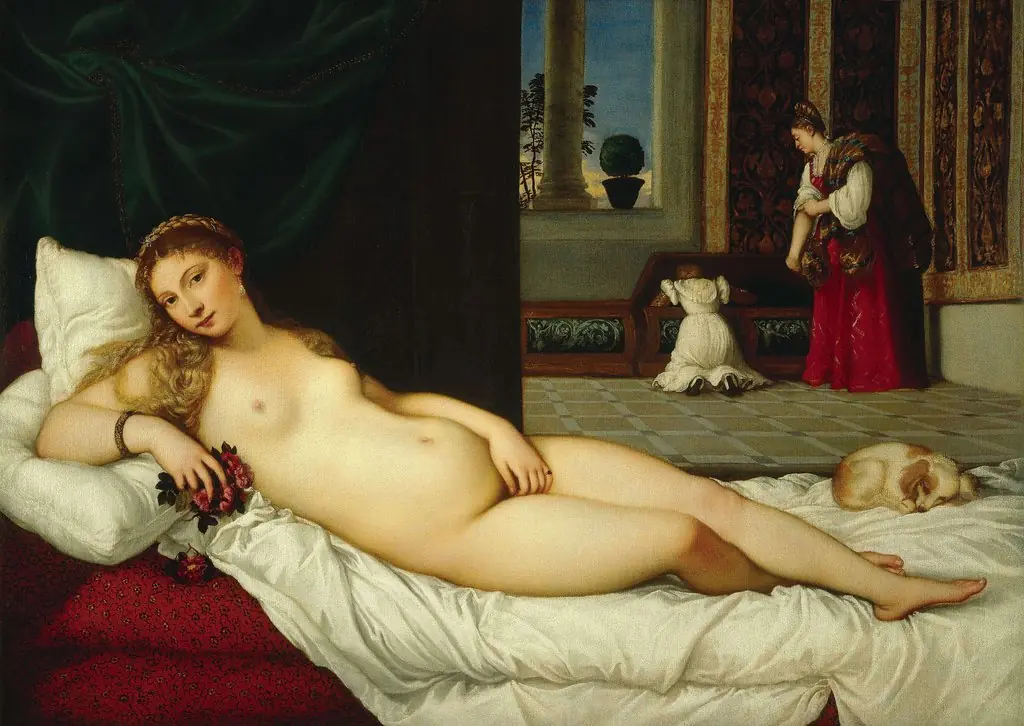
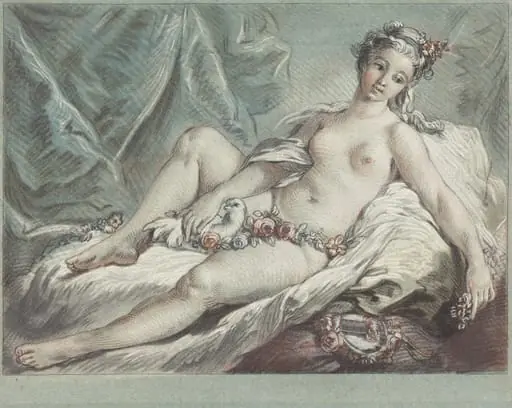
Venus of Urbino is a paint painting by Peter Oliver. It dates from 1630 and is held in the collection of the Museum of Fine Arts, Houston.
About this work
Overview
The piece is held in the Museum of Fine Arts, Houston, and reflects the artist’s skill in translating complex compositions into delicate, tactile form.
Created in 1630 by English miniaturist Peter Oliver, this small-scale work on ivory portrays a reclining female figure as Venus. Unlike large-scale oil paintings of the same mythological subject, Oliver’s version is intimate and refined, executed in a medium traditionally reserved for portraiture. The piece is held in the Museum of Fine Arts, Houston, and reflects the artist’s skill in translating complex compositions into delicate, tactile form.
Subject & Meaning
The figure embodies Venus, the Roman goddess of love, depicted in a private, domestic setting rather than a mythological landscape. Her relaxed posture, the flowers she holds, and the sleeping dog at her feet suggest themes of sensuality, fertility, and quiet companionship. The choice of a domestic interior, rather than classical ruins or celestial imagery, grounds the myth in human experience, emphasizing intimacy over grandeur.
Technique & Style
Oliver employed ivory as both support and surface, carving and painting with fine brushes to achieve subtle gradations of tone. Chiaroscuro is used sparingly but effectively to model the figure’s form, lending volume without heavy contrast. The delicate rendering of hair, fabric, and skin reflects the precision expected in miniature portraiture, while the soft lighting enhances the quiet, enclosed atmosphere of the scene.
History & Provenance
Peter Oliver, son of the renowned miniaturist Isaac Oliver, inherited his father’s studio and working methods after Isaac’s death in 1617. This work, completed in 1630, likely draws on compositional studies from his father’s archive. The piece remained in private collections until entering the Museum of Fine Arts, Houston, where it is now preserved as a rare example of early 17th-century English miniature painting on ivory.
Context
In early 17th-century England, miniature portraiture flourished among the aristocracy, often serving as personal mementos or tokens of affection. While mythological subjects were uncommon in miniatures, Oliver’s *Venus of Urbino* bridges the gap between portraiture and allegory, reflecting broader European tastes influenced by Titian’s famous oil painting of the same title, adapted here to a more restrained, intimate scale.
Legacy
Oliver’s work stands as a quiet testament to the adaptability of miniature painting, extending its range beyond likeness into symbolic representation. Though overshadowed by larger Renaissance and Baroque treatments of Venus, this ivory miniature preserves a distinctive English interpretation of classical myth, valued today for its technical finesse and restrained emotional tone.
Artist & collection
Artist
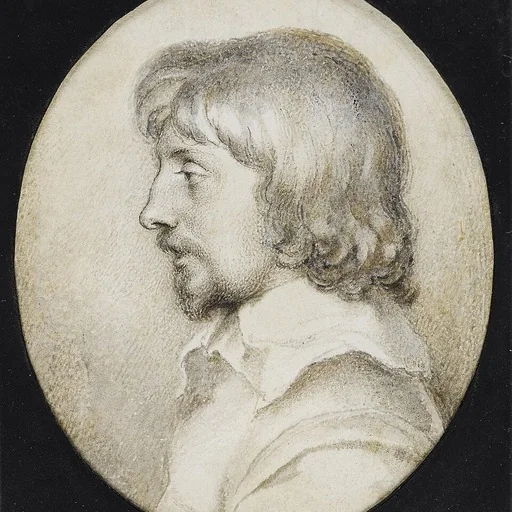
Peter Oliver (1589 – before 27 December 1647) was an English miniaturist. He was born in 1589, the eldest son of Isaac Oliver, a French-born English portrait miniature painter, and his first wife, Elizabeth…

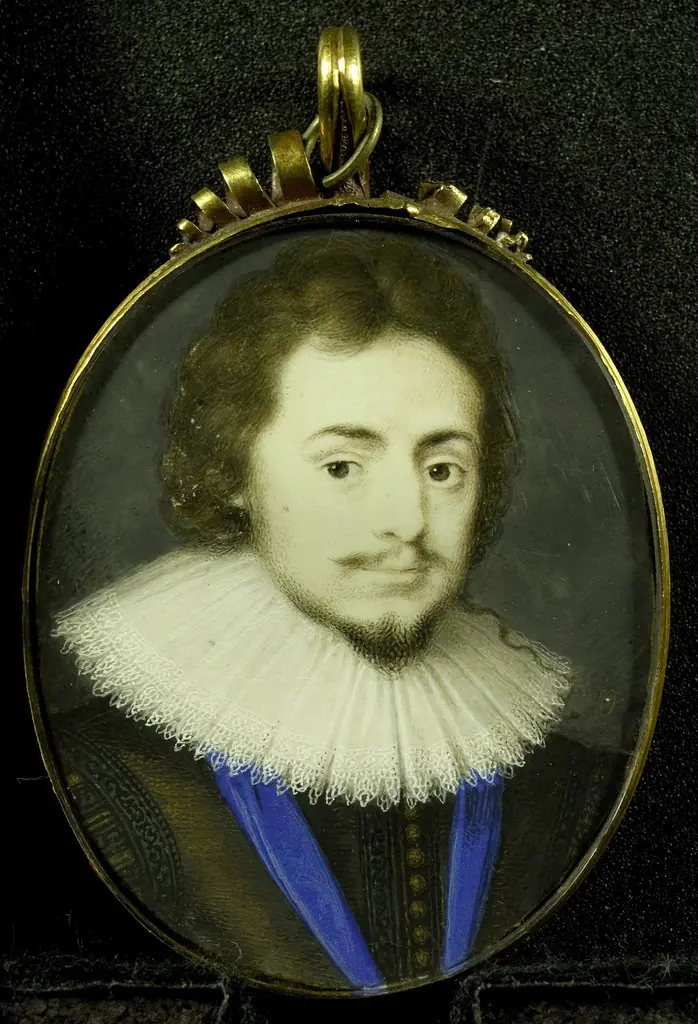 Portrait of Frederick V of the Palatinate
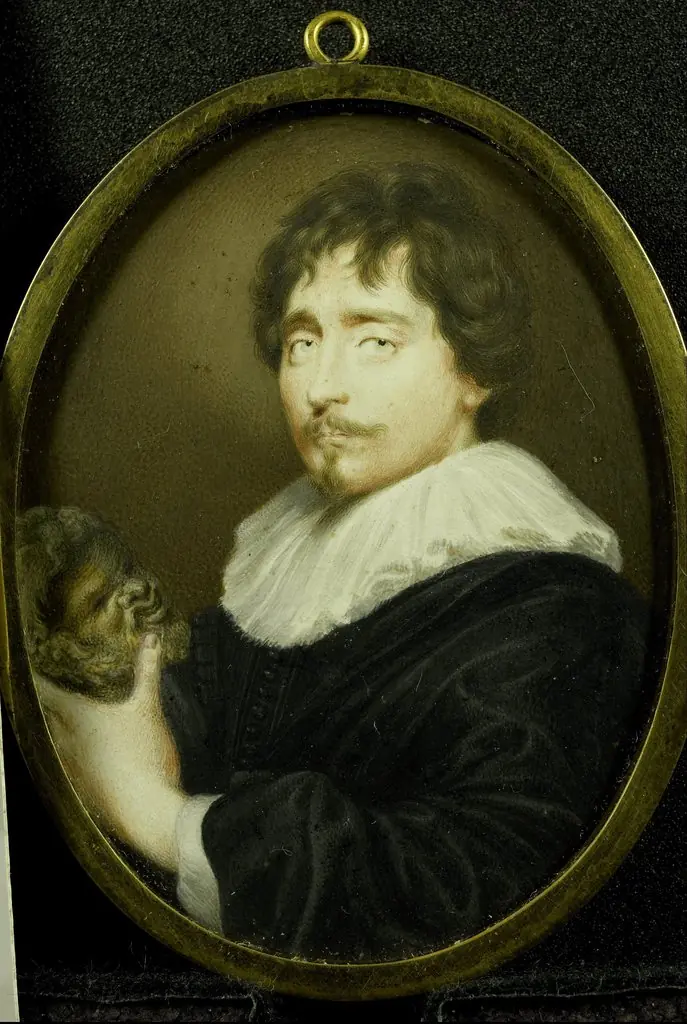 Portrait of a man with a sculpture of a head of Silenus in his hand
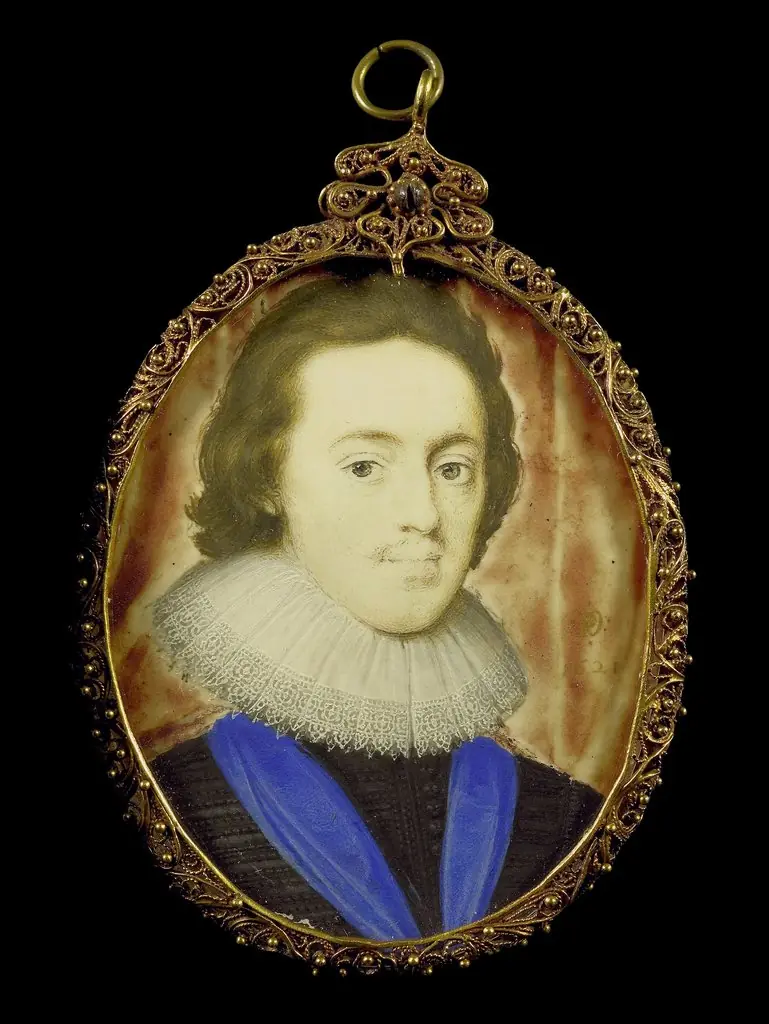 Karel Stuart (1600-49), prins van Wales. De latere koning Karel I van Engeland
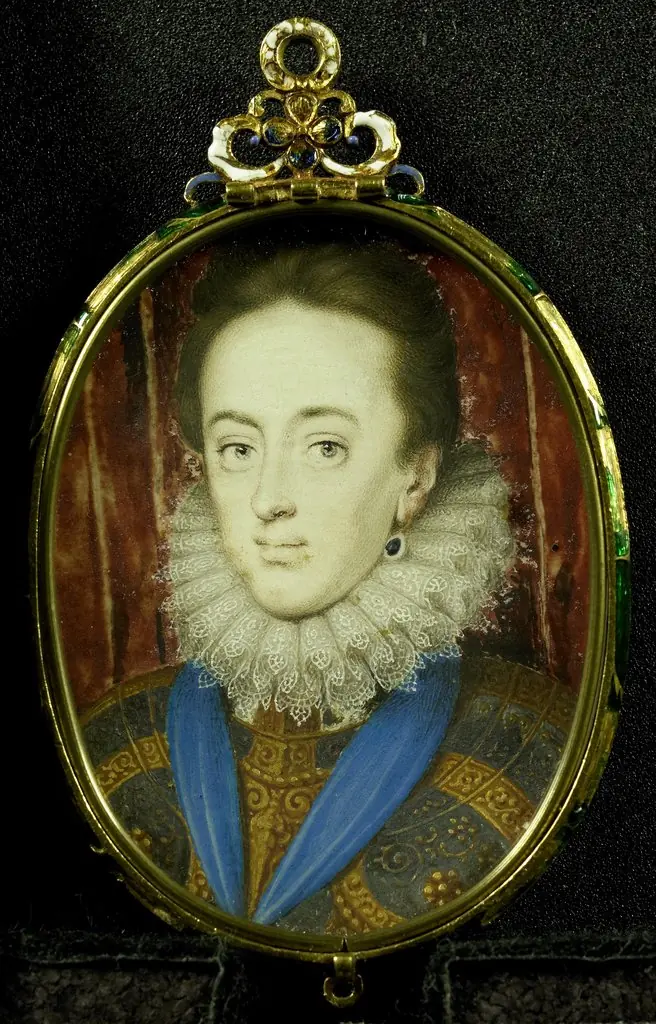 Portrait of Charles I Stuart (1600-1649)
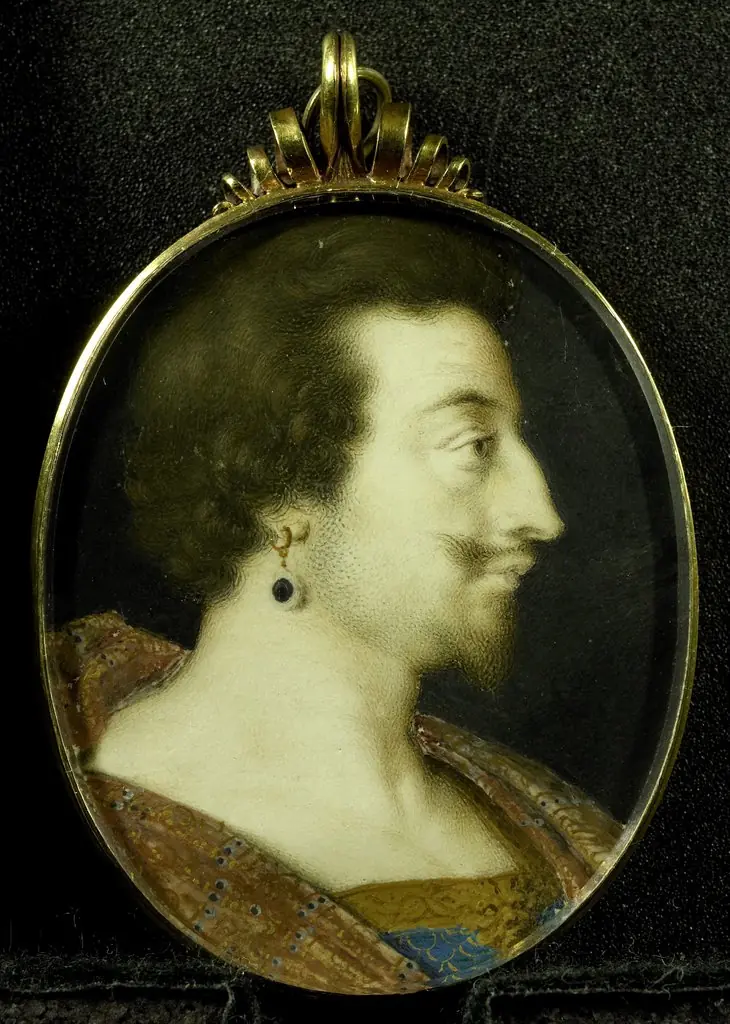 George Villiers (1592-1628), hertog van Buckingham
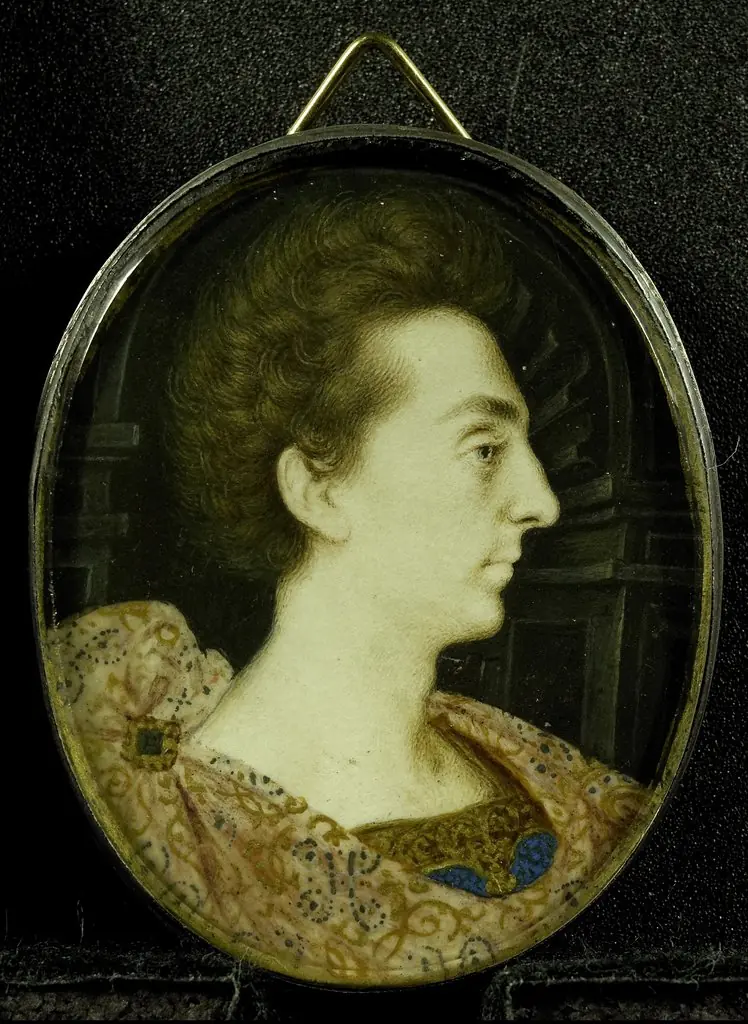 Portrait of Henry Frederick Stuart (1594-1612) or of George Villiers (1592-1628)
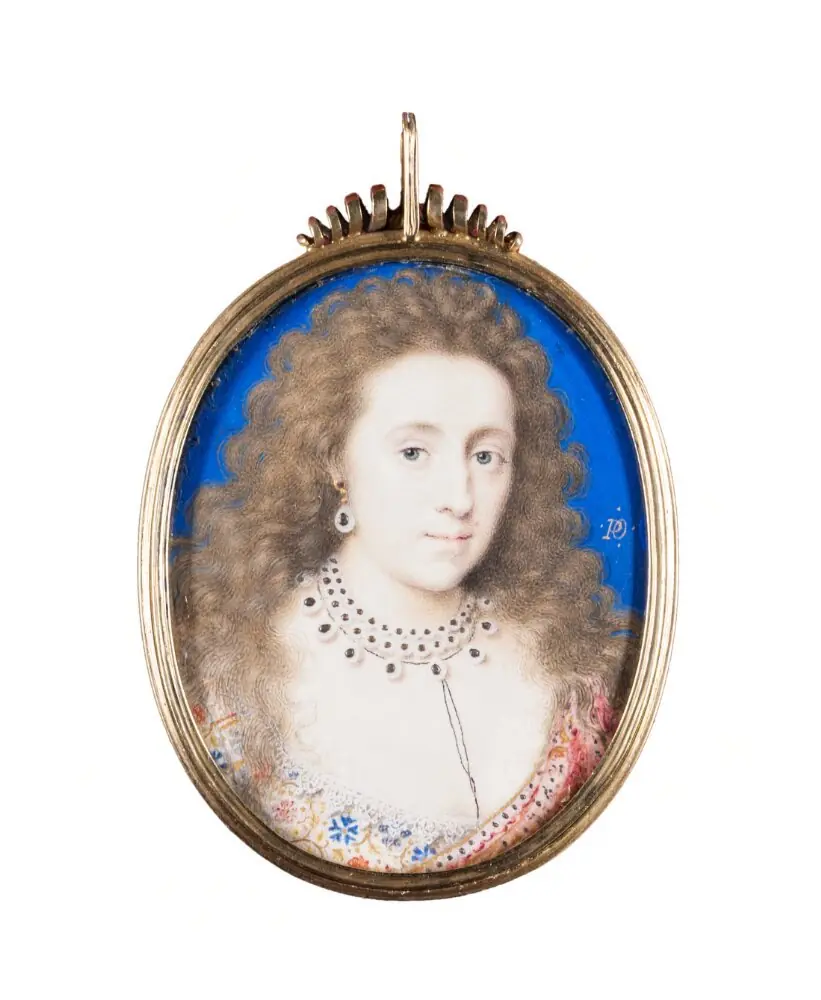 Lady Arabella Stuart
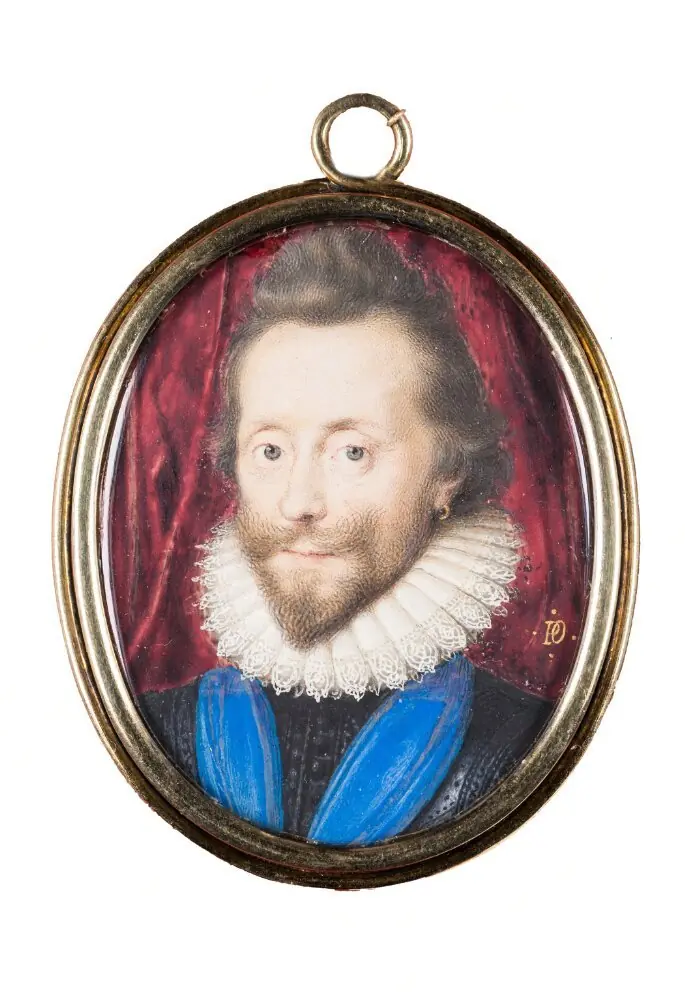 Henry Wristhesley 3rd earl of Southampton