Artwork
Henry Wristhesley 3rd earl of Southampton
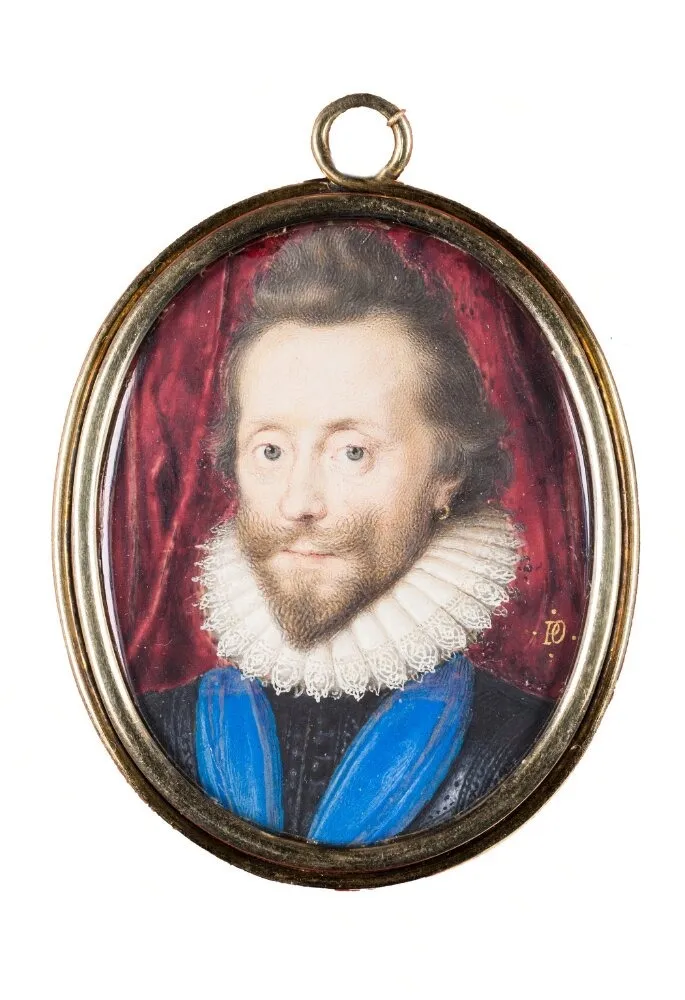
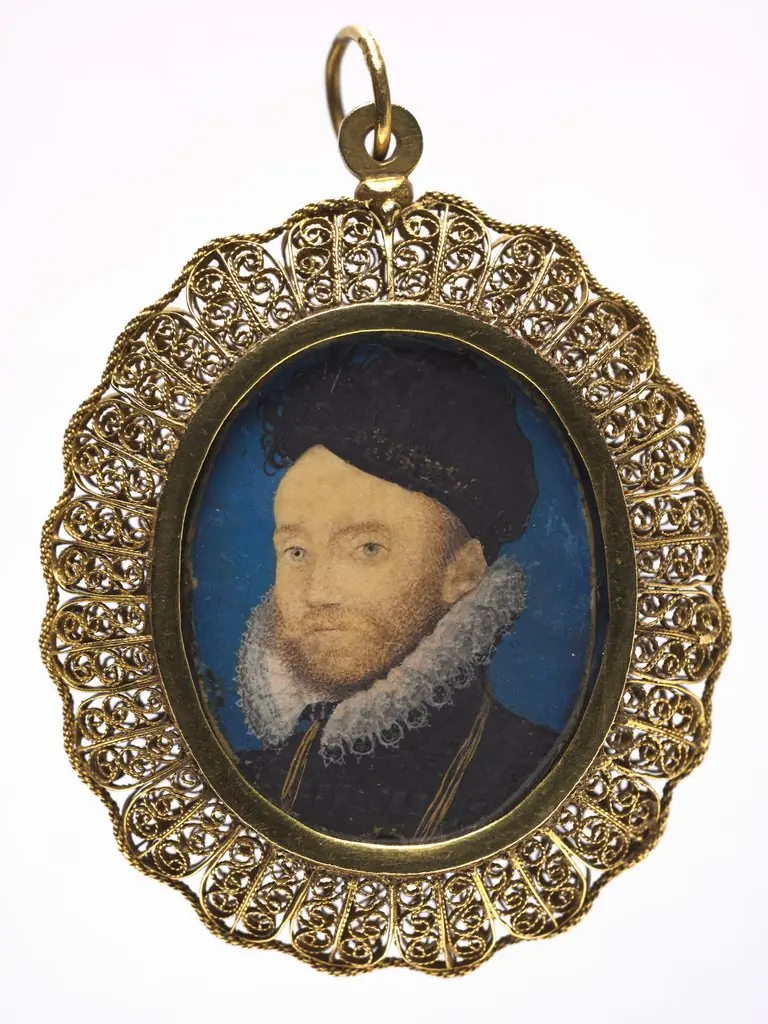
Henry Wristhesley 3rd earl of Southampton is an unspecified painting by Peter Oliver. It dates from 1630 and is held in the collection of the Nationalmuseum. This miniature portrait, executed around 1630, depicts Henry Wriothesley, the third Earl of Southampton.
About this work
The painting is a good example of the portrait genre, and it would be interesting to compare it to other portraits from the same time period.
This painting is a portrait of a man, possibly from the 16th or 17th century. He has dark hair and a beard, and is wearing a blue jacket with a white ruffled collar. The background is a deep red color.
The man's face is the main focus of the painting, and his expression is serious but calm. His eyes seem to be looking directly at the viewer, which gives the painting a sense of intimacy.
The painting is a good example of the portrait genre, and it would be interesting to compare it to other portraits from the same time period. If you're interested in learning more about portraits from this era, you might want to look into the work of Peter Oliver.
Overview
This miniature portrait, executed around 1630, depicts Henry Wriothesley, the third Earl of Southampton. Rendered in the delicate medium of miniature painting, the work presents the nobleman in a blue jacket with a white ruffled collar against a deep red background, his dark hair and beard framing a calm, direct gaze.
Subject & Meaning
The sitter, Henry Wriothesley, was a prominent English aristocrat of the early seventeenth century. The portrait’s sober expression and intimate eye contact suggest a personal representation intended for private viewing, reflecting the status and self‑presentation typical of noble portraiture of the period.
Technique & Style
Created by Peter Oliver, a specialist in miniature portraiture, the piece demonstrates the fine brushwork and meticulous detail inherited from his father, Isaac Oliver. The use of a limited palette, precise rendering of facial features, and the contrast between the vivid red ground and the cool blue attire exemplify the refined aesthetic of English miniatures of the era.
History & Provenance
Peter Oliver, born in 1589 and active in Isleworth until his death in 1647, produced this work as part of his career focused on small-scale portraiture. The miniature now forms part of the Nationalmuseum’s collection, having entered the institution through acquisition, though the exact path of ownership prior to its museum accession is not recorded.
Context
Miniature portraits in early seventeenth‑century England served as portable symbols of identity and allegiance, often exchanged among family members or used as diplomatic tokens. Oliver’s work aligns with this tradition, offering a personal likeness of a high‑ranking noble within the broader practice of courtly portraiture.
Artist & collection
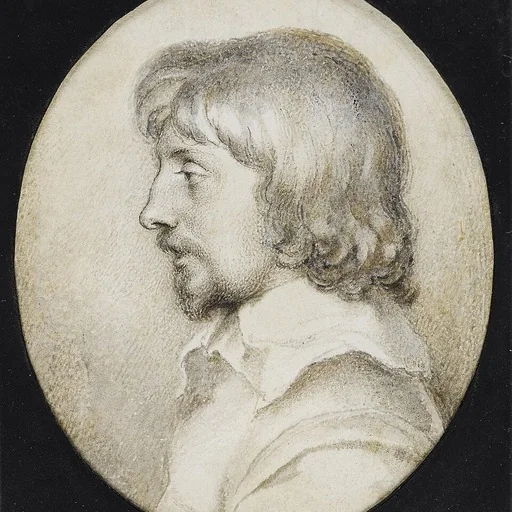
Artist
Peter Oliver (1589 – before 27 December 1647) was an English miniaturist. He was born in 1589, the eldest son of Isaac Oliver, a French-born English portrait miniature painter, and his first wife, Elizabeth…

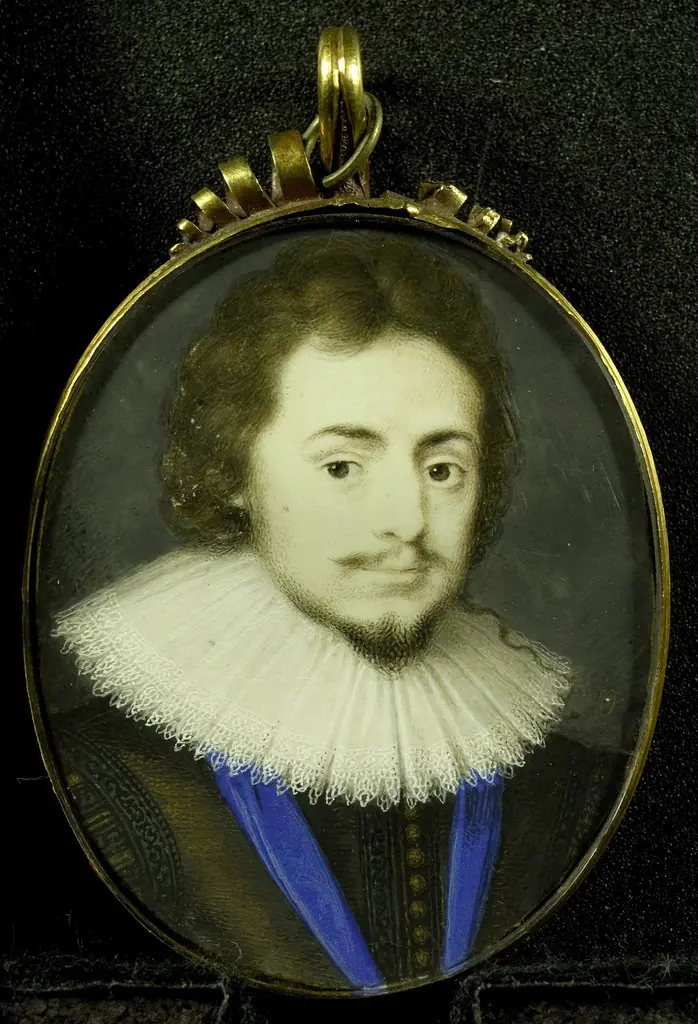 Portrait of Frederick V of the Palatinate
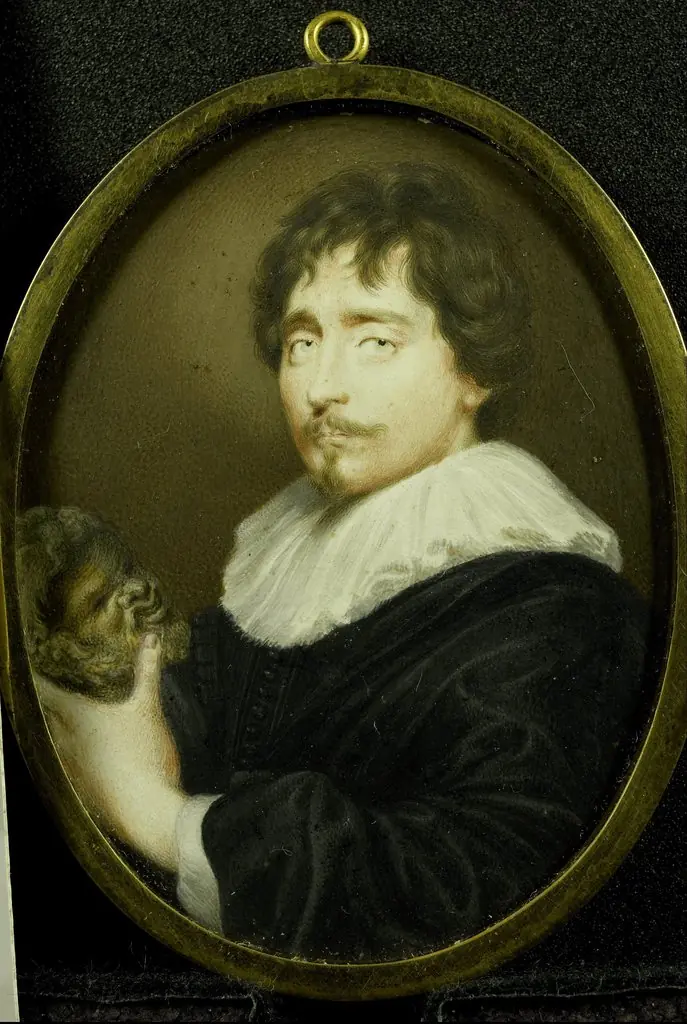 Portrait of a man with a sculpture of a head of Silenus in his hand
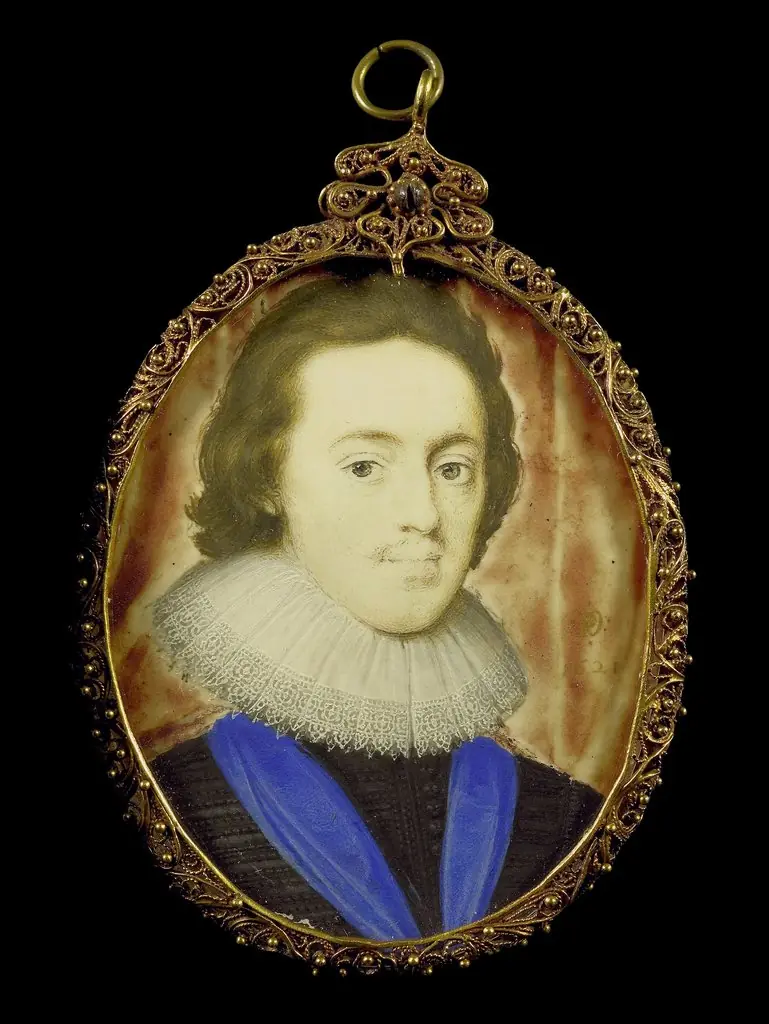 Karel Stuart (1600-49), prins van Wales. De latere koning Karel I van Engeland
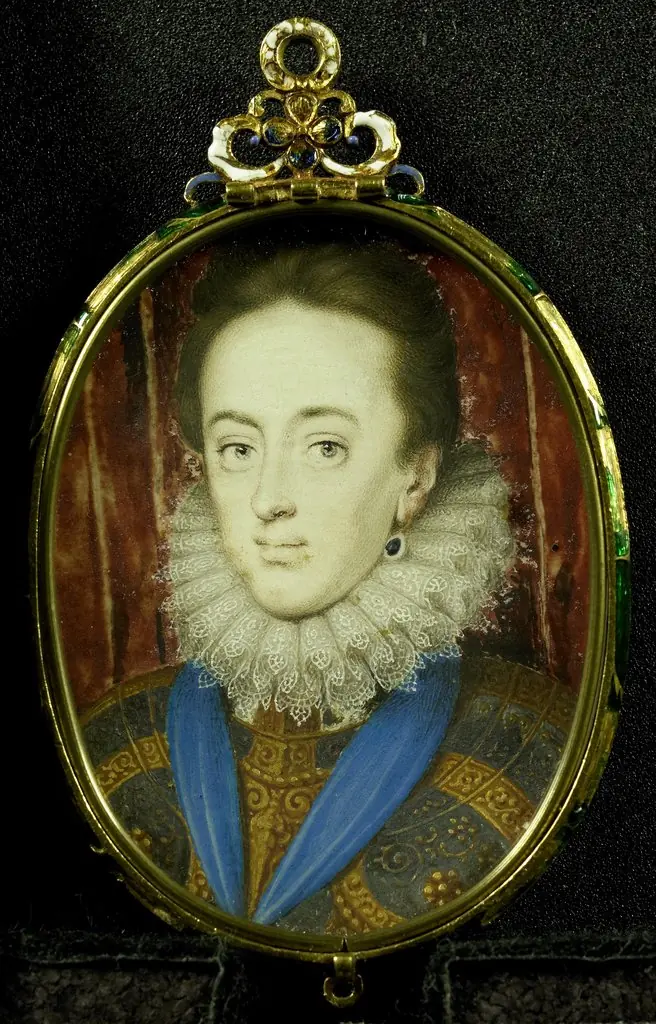 Portrait of Charles I Stuart (1600-1649)
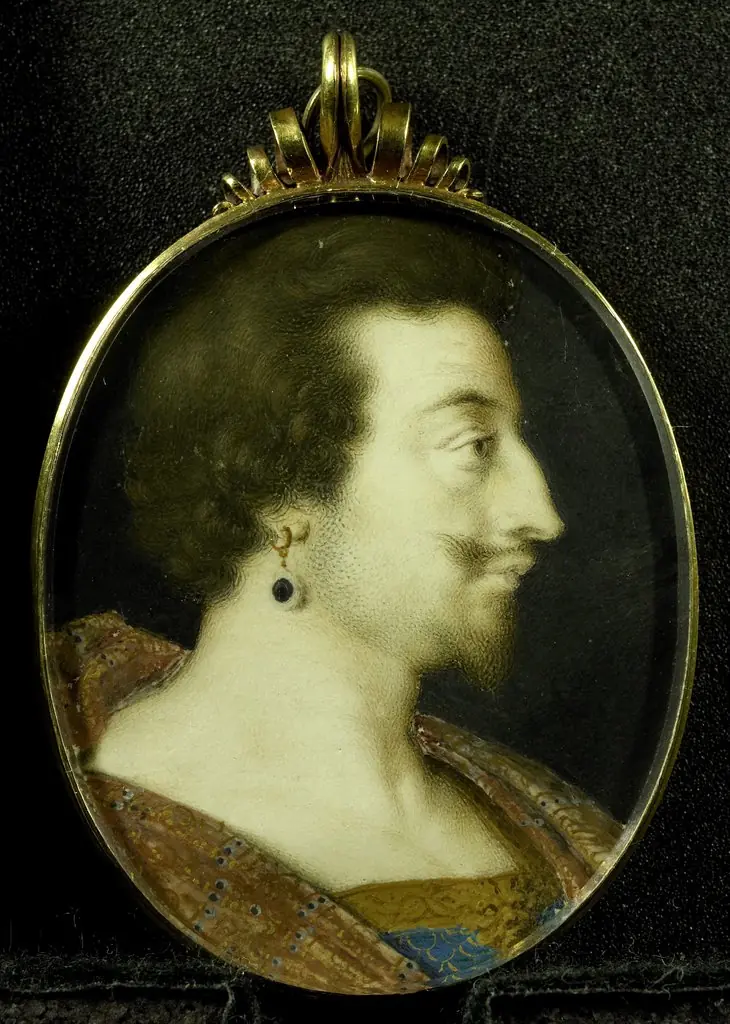 George Villiers (1592-1628), hertog van Buckingham
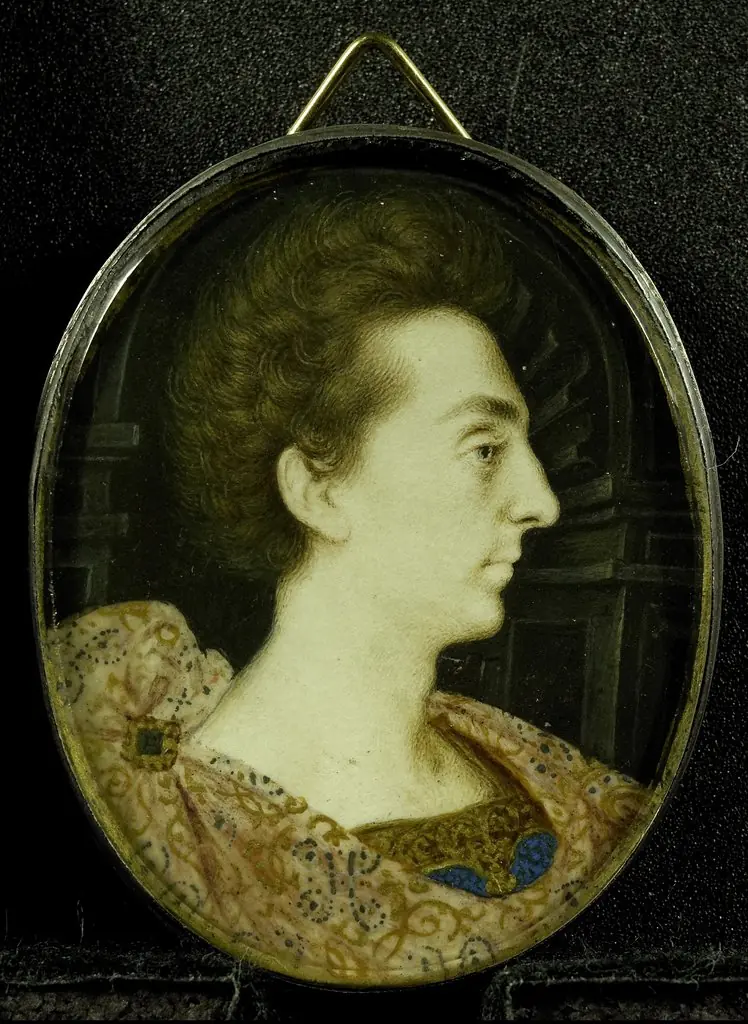 Portrait of Henry Frederick Stuart (1594-1612) or of George Villiers (1592-1628)
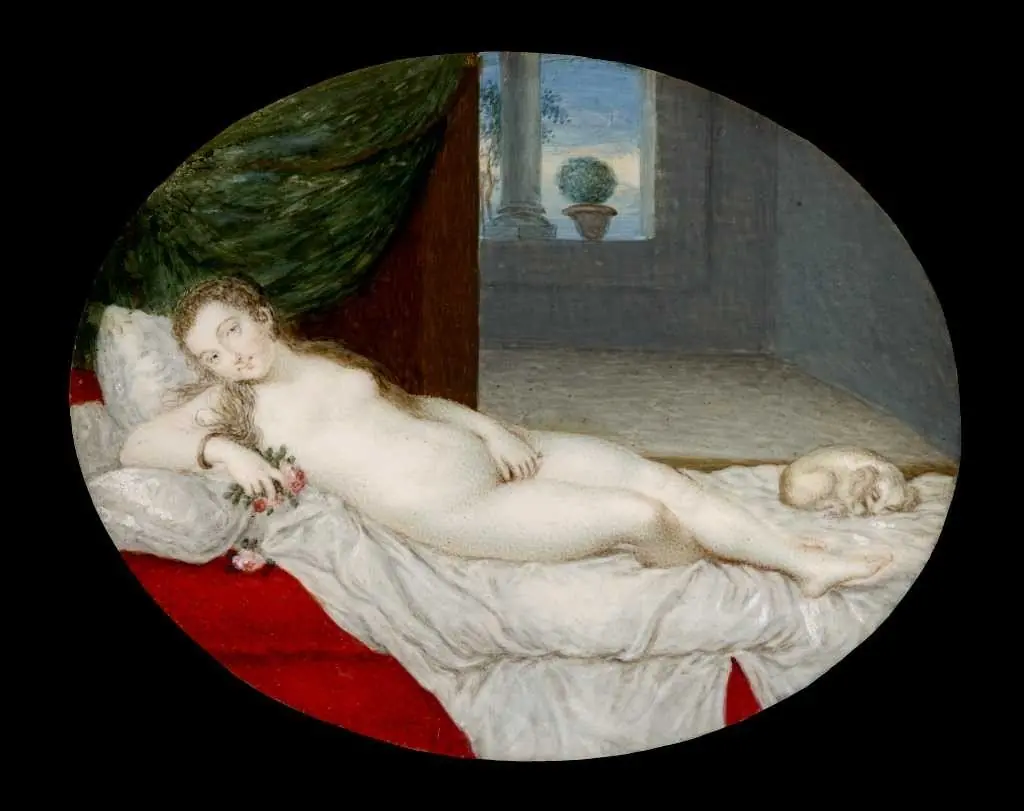 Venus of Urbino
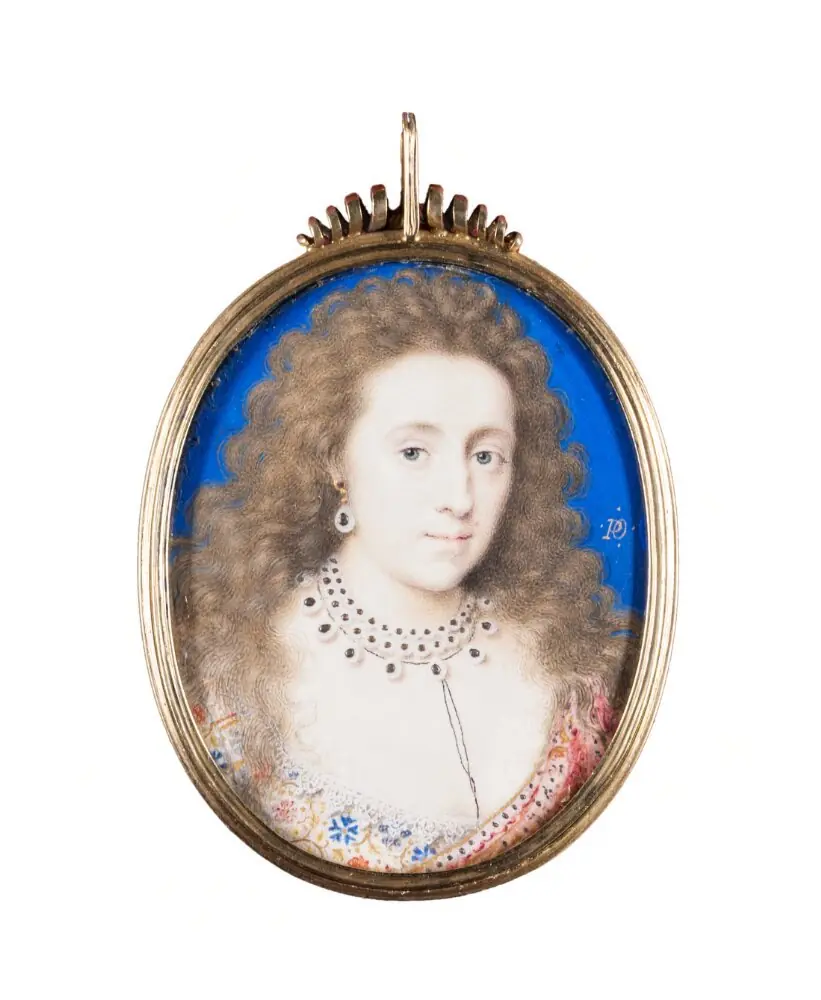 Lady Arabella Stuart
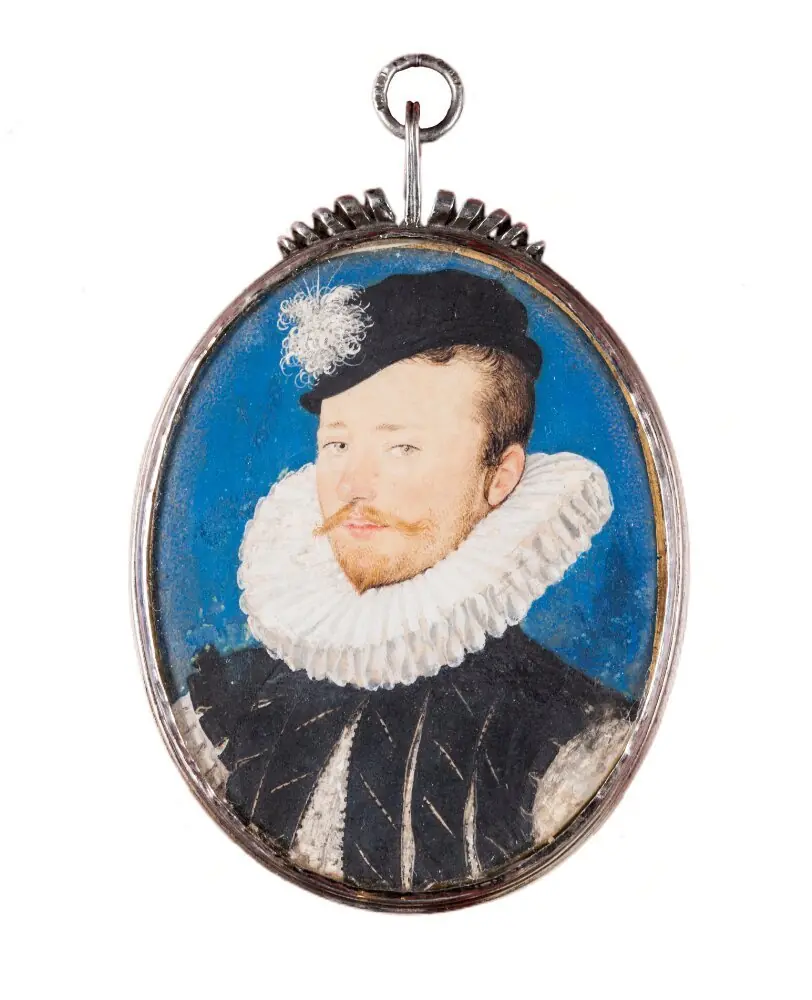 Unknown man
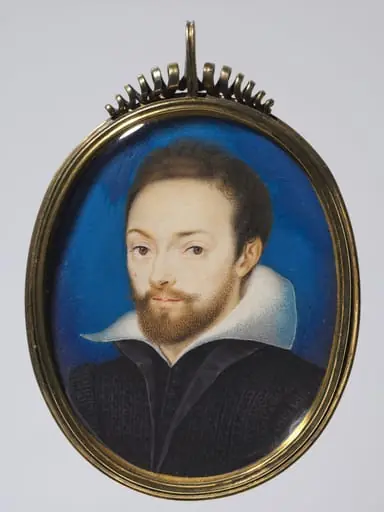 Portrait of a Man
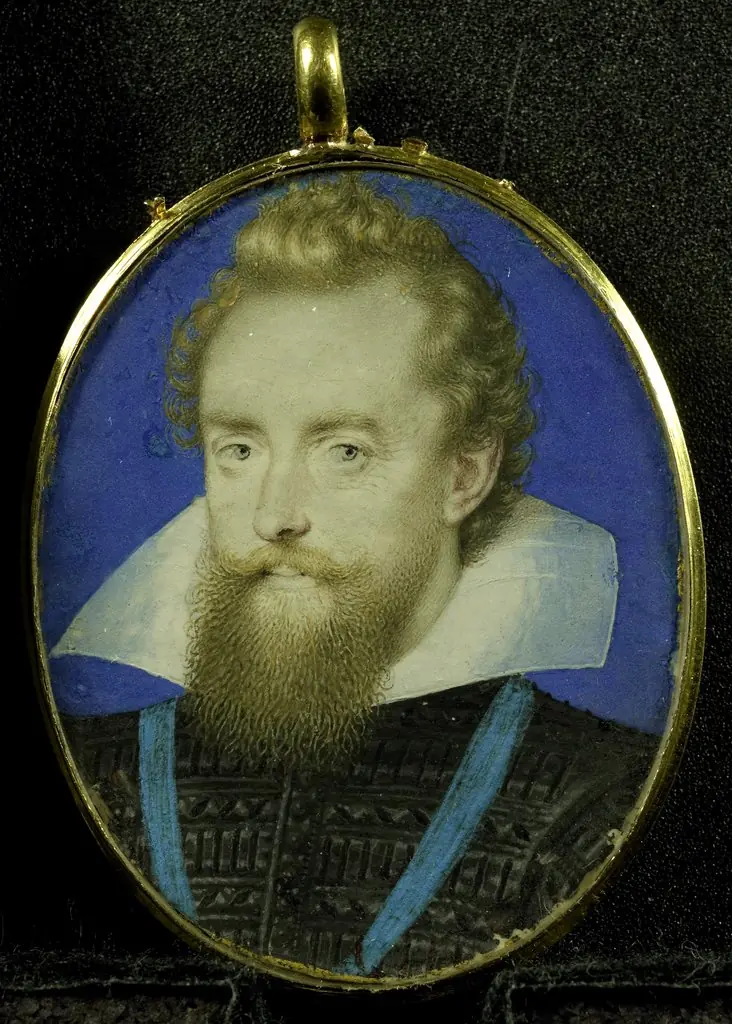 Ludovic Stuart (1574-1623/1624), eerste hertog van Richmond en tweede hertog van Lennox of Thomas Howard (1561-1628), graaf van Suffolk
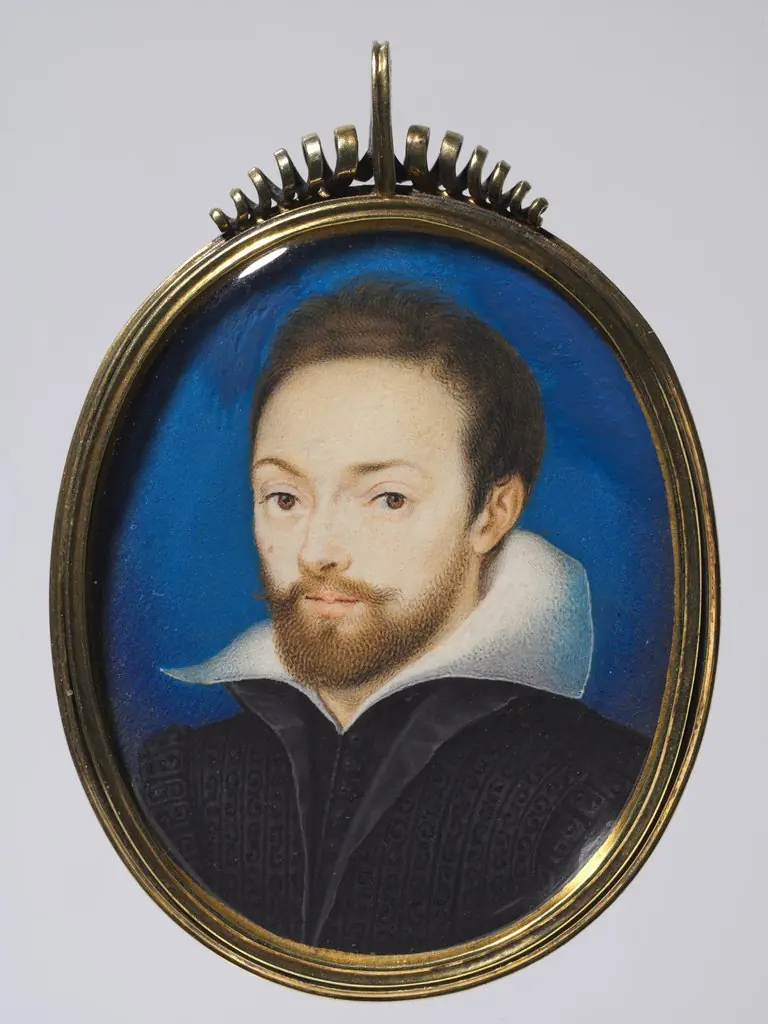 Portrait of a Man
 Portrait of Jacob van den Eynde, Governor of Woerden
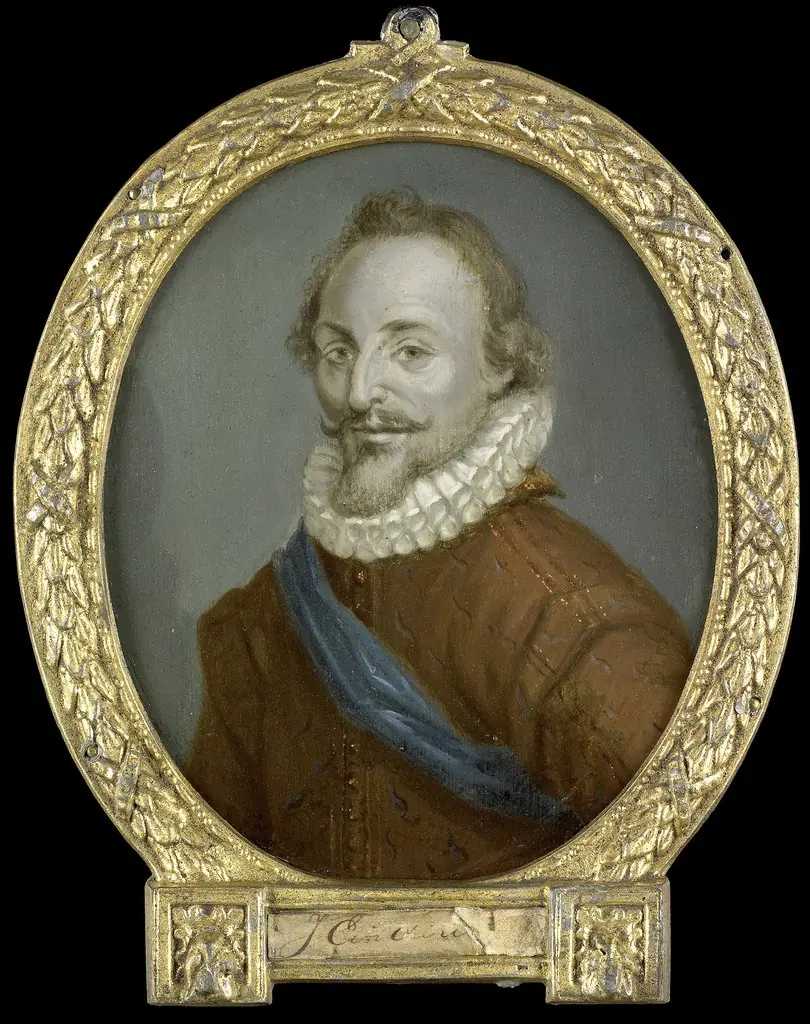 Portrait of Jacob van den Eynde, Governor of Woerden
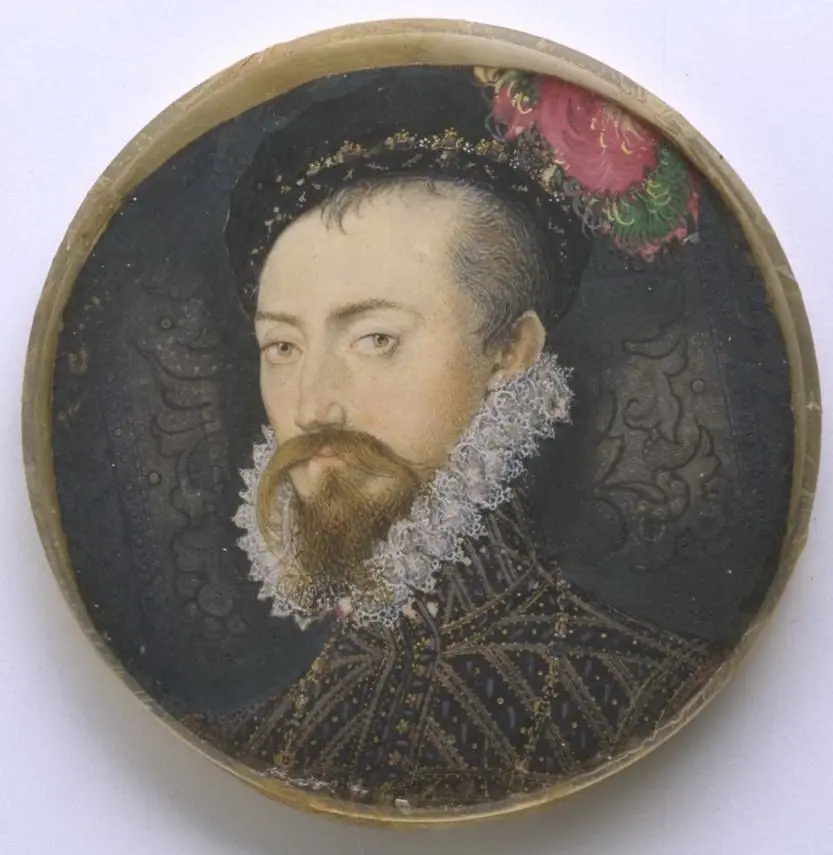 Robert Dudley, Earl of Leicester
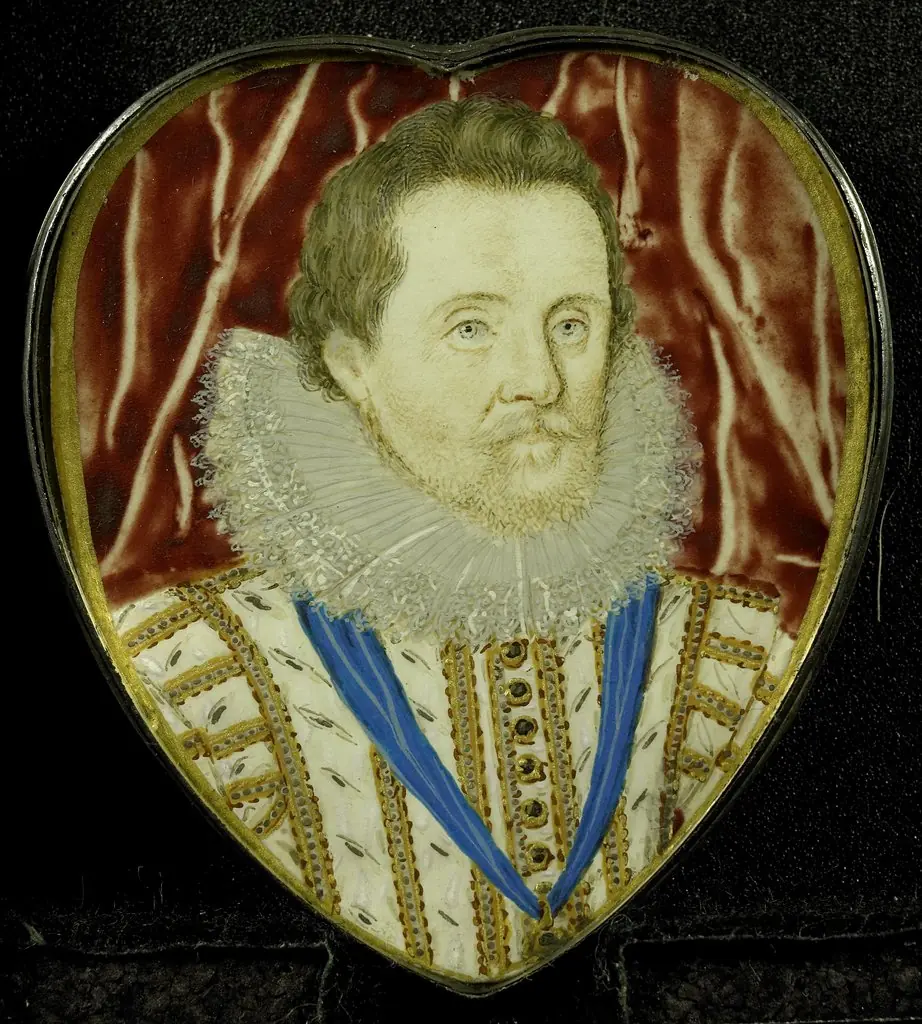 Portrait of James I Stuart (1566-1625)
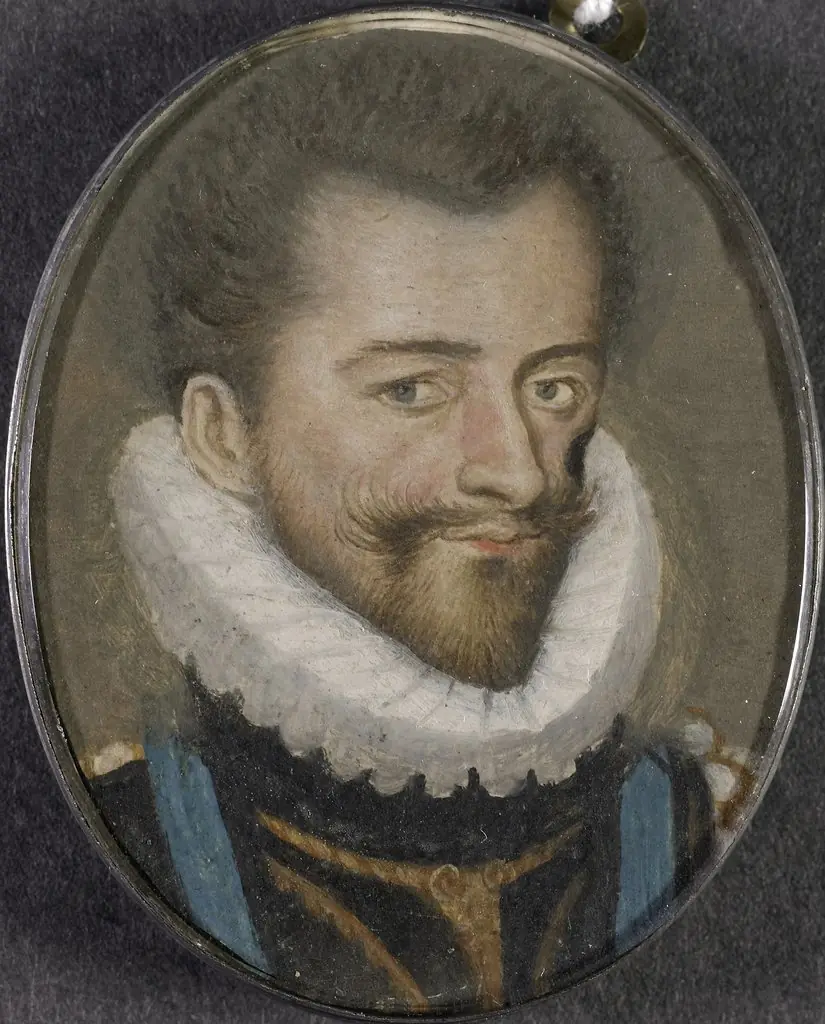 Hendrik I van Lotharingen (1550-88), hertog van Guise
 Portrait of a Man
 Portrait of a Man