Artwork
Christ on the Cross
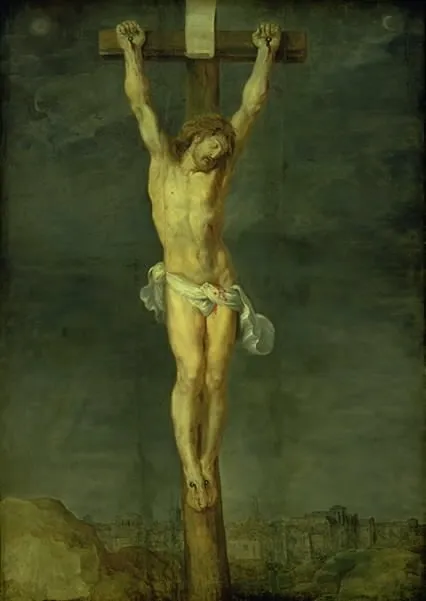
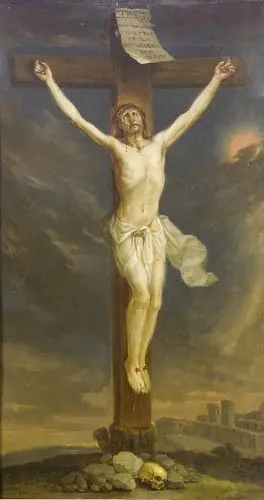
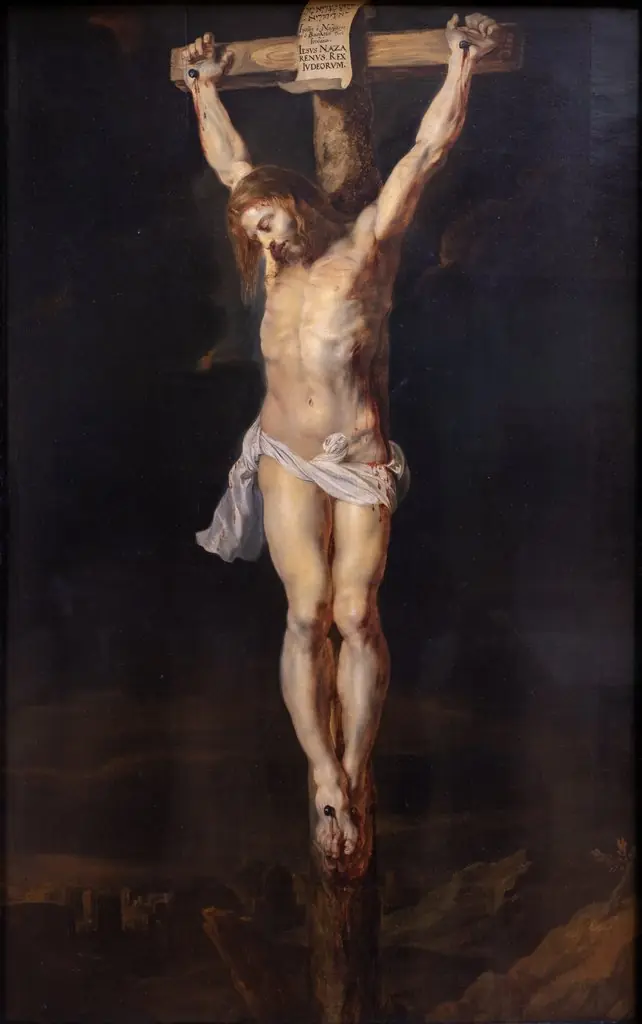
Christ on the Cross is an oil painting by the Flemish Baroque painting artist Peter Paul Rubens. It dates from 1612 and is held in the collection of the Statens Museum for Kunst.
About this work
Overview
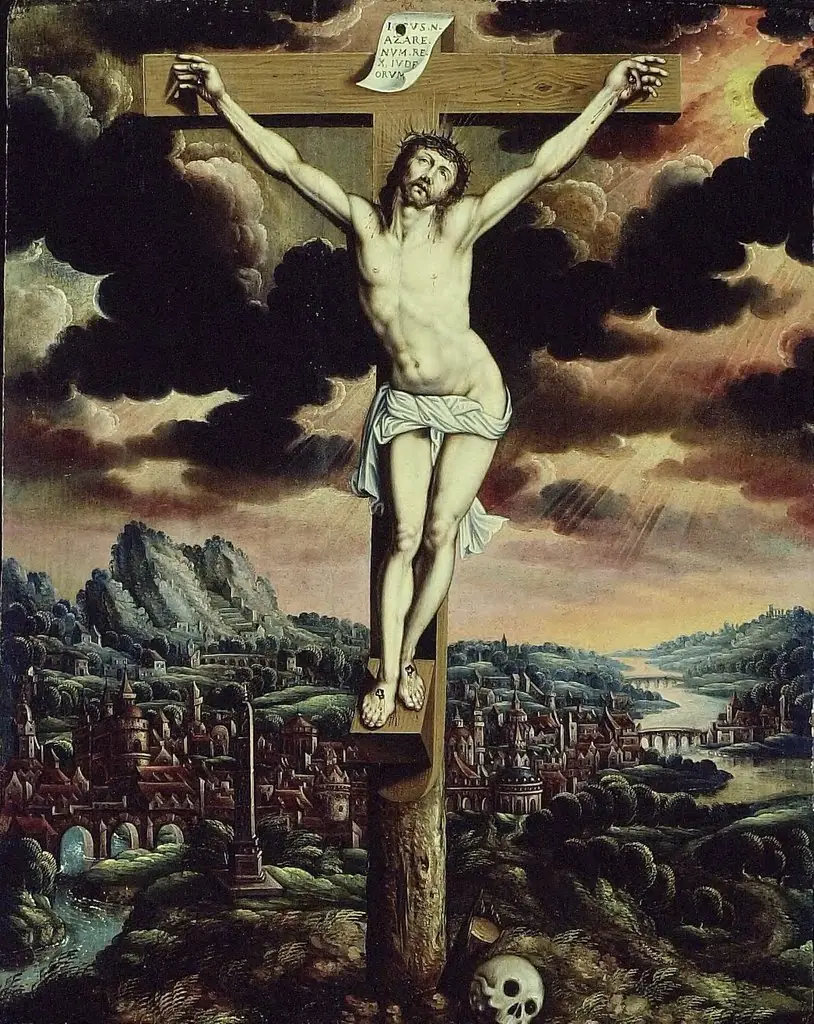
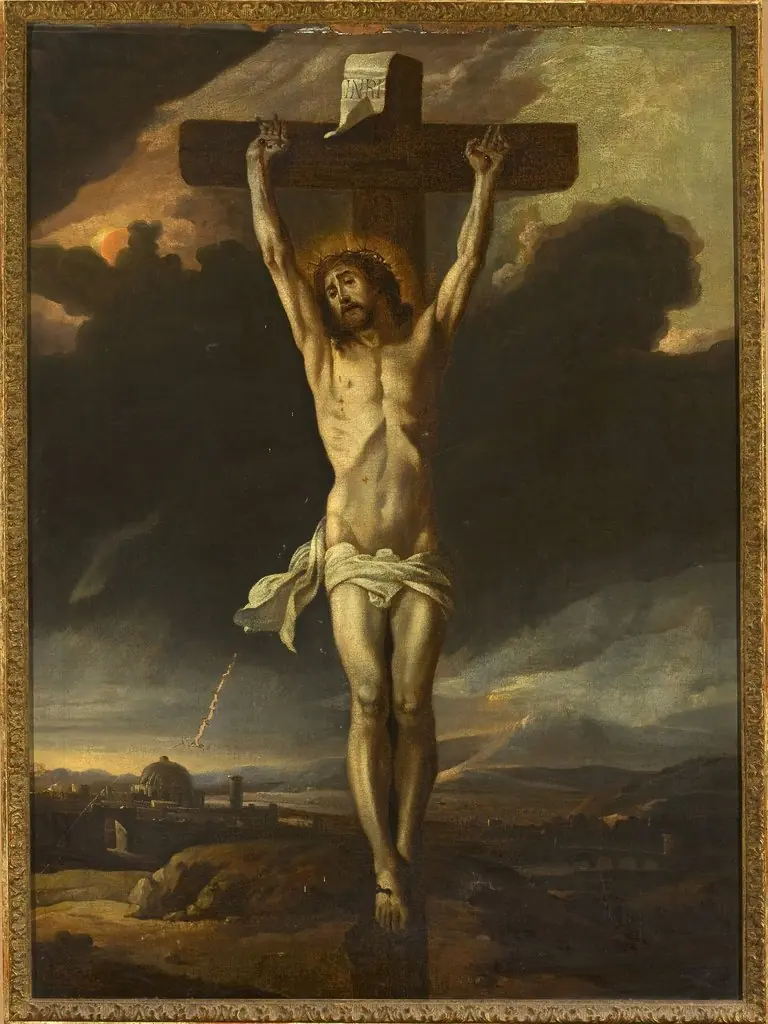
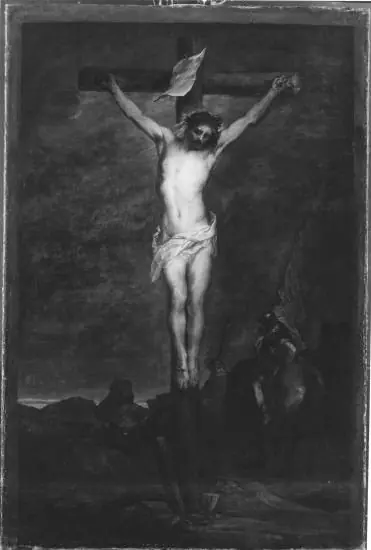
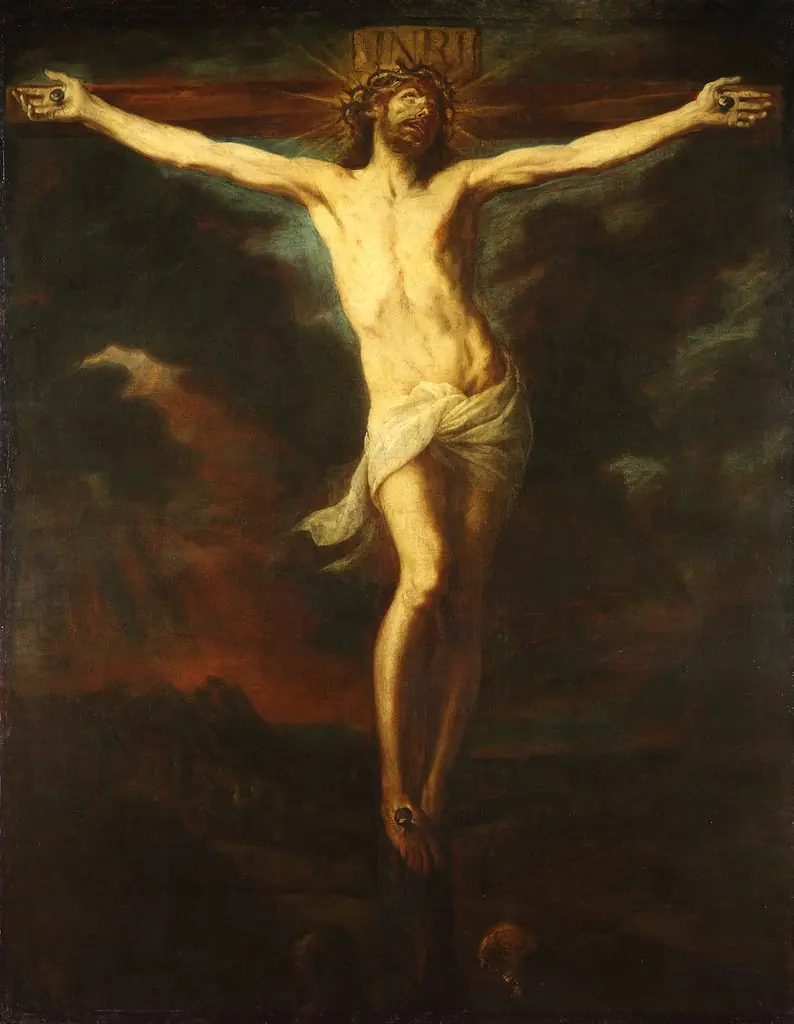
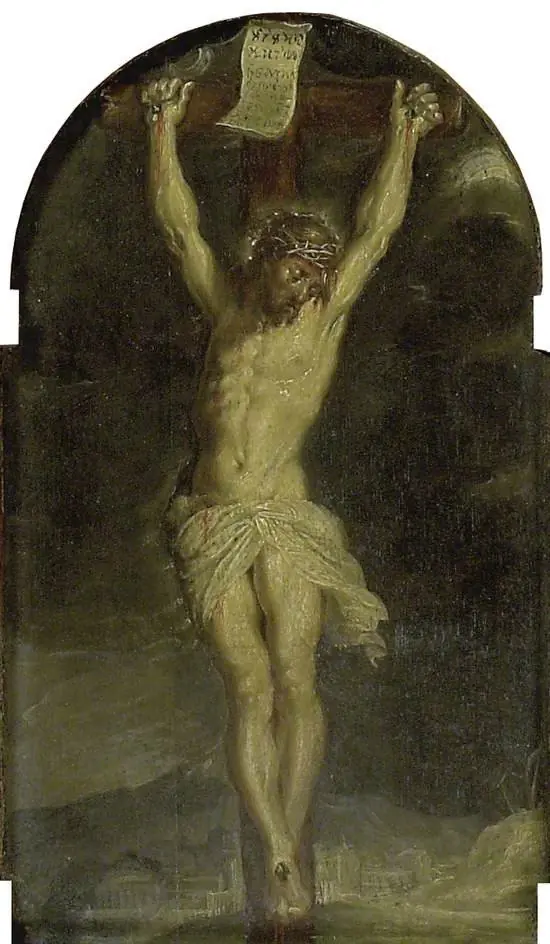
Created in 1612, this oil on canvas by Peter Paul Rubens presents a crucifixion scene in which the body of Christ dominates the composition. The figure is rendered nude, his limbs secured to a wooden cross, while a modest cloth covers his hips. The painting resides in Denmark’s Statens Museum for Kunst.
Subject & Meaning
Rubens portrays the moment of Christ’s death with a serene facial expression that contrasts with the physical suffering of his outstretched arms and bent knees. The work aligns with Counter‑Reformation aims, using the calm visage to invite contemplation of redemption and divine sacrifice.
Technique & Style
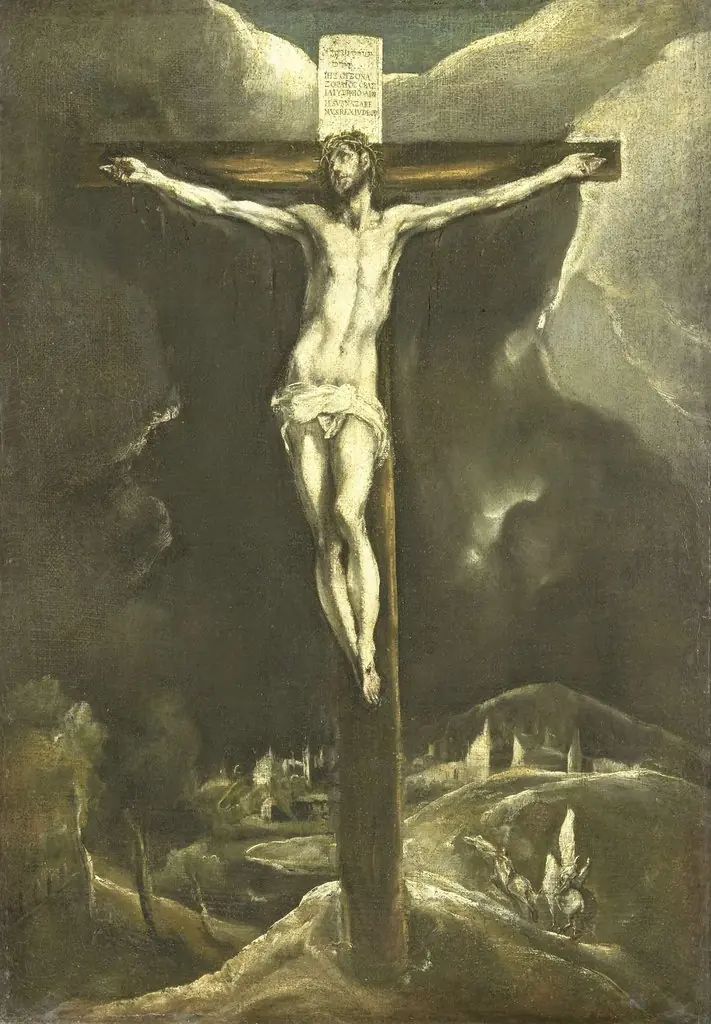
The artist employs a dramatic chiaroscuro, illuminating the flesh against a deep, indistinct backdrop that hints at a distant cityscape. Detailed musculature and a subtle yellowish pallor emphasize the corporeal reality, while the surrounding darkness heightens emotional intensity, a hallmark of Flemish Baroque dynamism.
History & Provenance
After its completion, the painting entered various private collections before being acquired by the Statens Museum for Kunst, where it has been on display as part of the museum’s Baroque holdings. Its provenance reflects the broader circulation of Rubens’ religious works across Europe.
Context
Rubens, a leading figure of the Flemish Baroque, integrated classical composition with fervent Christian iconography. This piece exemplifies his response to the Catholic Church’s call for vivid, affective imagery intended to reinforce faith during the post‑Council of Trent period.
Artist & collection
Artist
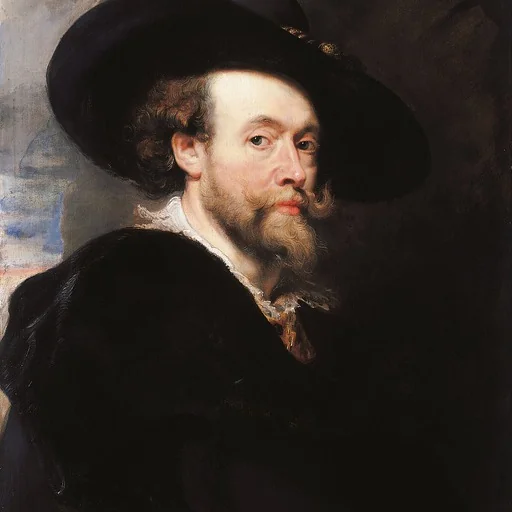
Sir Peter Paul Rubens ( ROO-bənz; Dutch: ; 28 June 1577 – 30 May 1640) was a Flemish artist and diplomat.