Artwork
Christ triumphant over Sin, Death, and the Grave
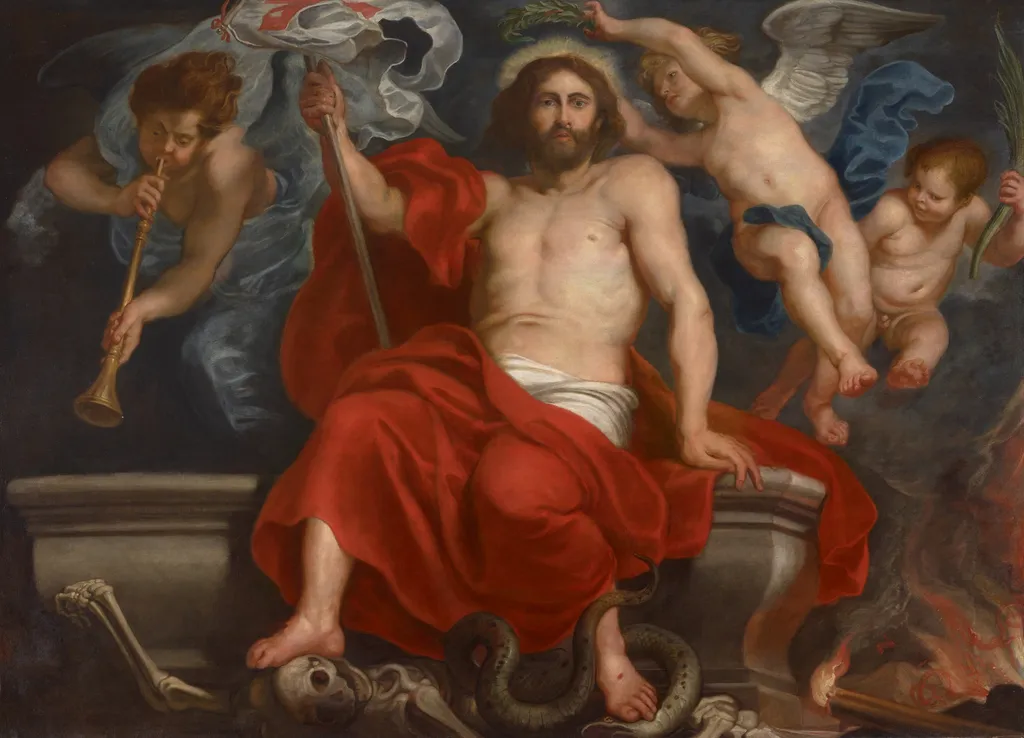
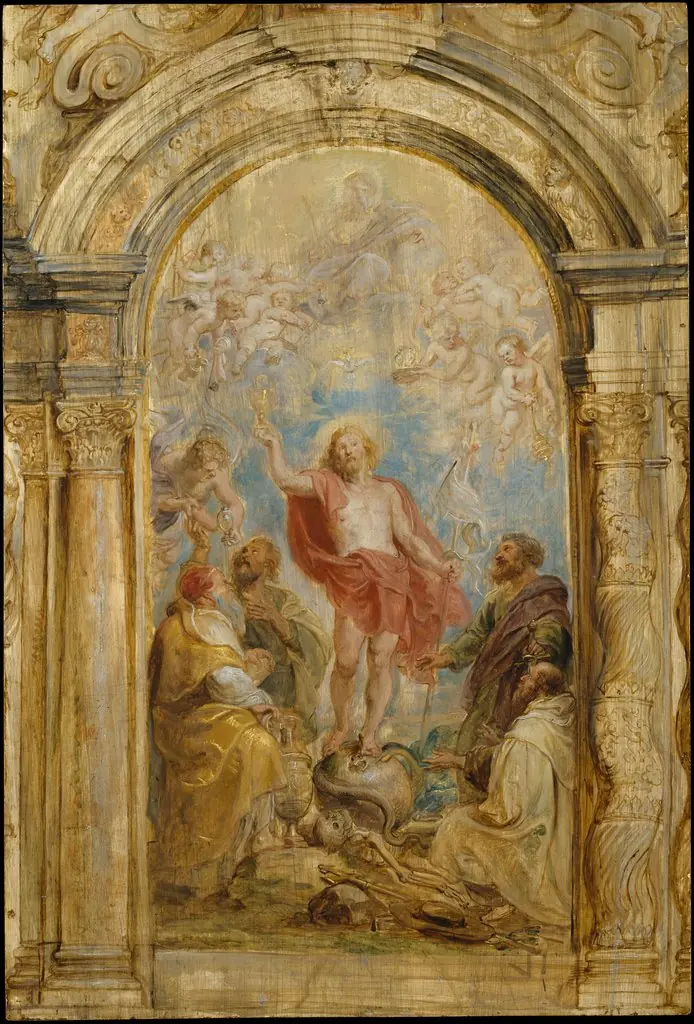
Christ triumphant over Sin, Death, and the Grave is an oil painting by the Flemish Baroque painting artist Peter Paul Rubens. It dates from 1618 and is held in the collection of the Liechtenstein Museum.
About this work
Overview
Christ triumphant over Sin, Death, and the Grave is a 1618 oil painting by Peter Paul Rubens, exemplifying the Flemish Baroque style through its dramatic and emotionally charged depiction of a religious theme.
Subject & Meaning
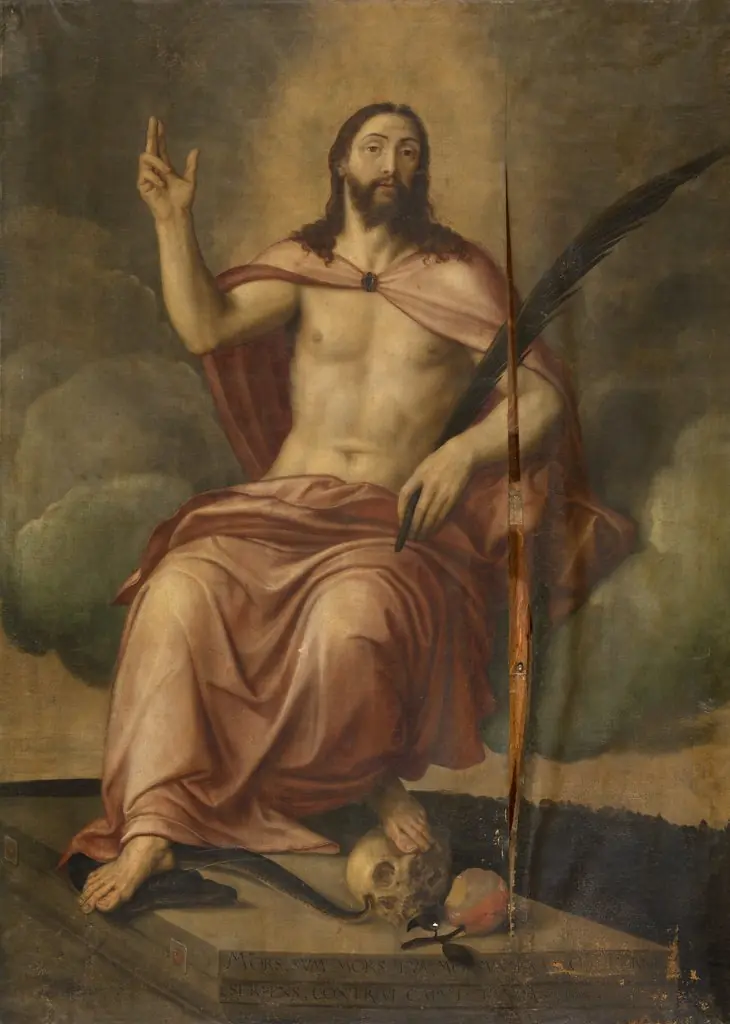
The painting portrays Jesus Christ seated on a pedestal, symbolizing triumph. Accompanied by an angel blowing a horn and another figure with a palm branch, Christ asserts power over the vanquished symbols of Sin (a snake), Death (a skull), and the Grave (bones), conveying redemption and divine authority.
Technique & Style
Characteristically Flemish Baroque, the work features vivid color, dynamic movement (evident in the winged figures), and classical influences. Rubens's composition emphasizes dramatic tension and emotional depth, typical of his style.
History & Provenance
Created in 1618 by Peter Paul Rubens, the painting is now part of the Louvre Museum's collection.
Context
Reflecting the artistic and religious climate of its time, the painting draws on Christian theology and classical motifs, aligning with the Counter-Reformation's emphasis on powerful, emotionally engaging religious art.
Legacy
As a work by a leading Flemish Baroque artist, it influences subsequent generations of artists in depicting dramatic religious narratives, though its specific impact is not broadly highlighted in available information.
Own this work as a print
Artist & collection
Artist
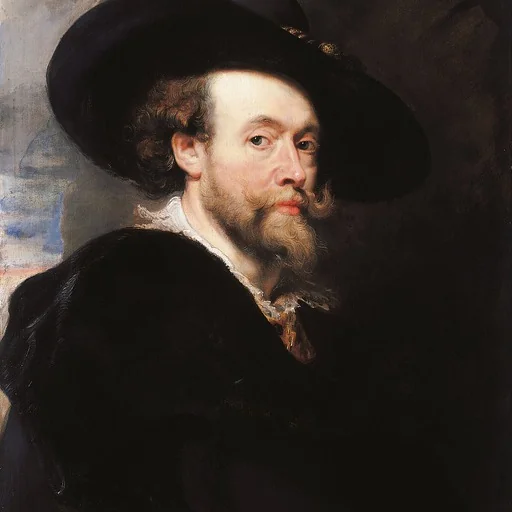
Sir Peter Paul Rubens ( ROO-bənz; Dutch: ; 28 June 1577 – 30 May 1640) was a Flemish artist and diplomat.

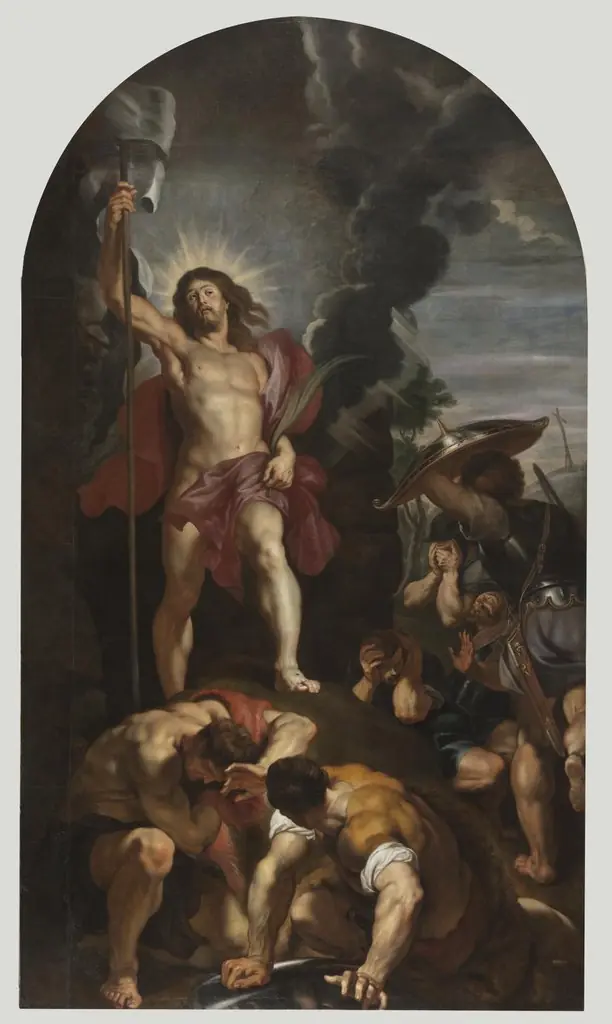 Resurrection of Christ
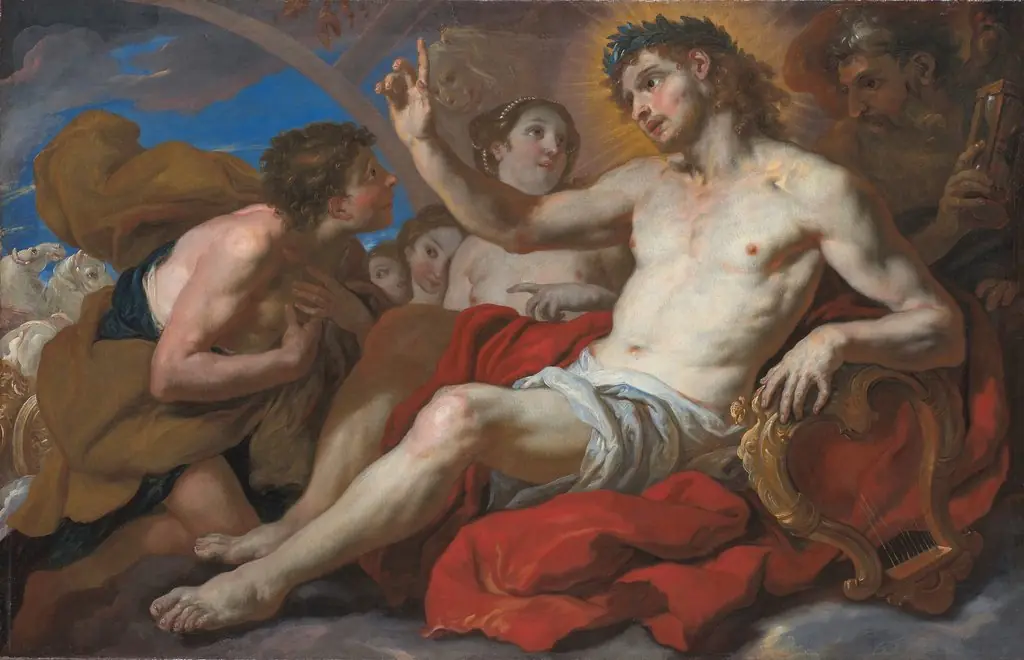 Apollo Granting Phaeton Permission to Drive the Chariot of the Sun
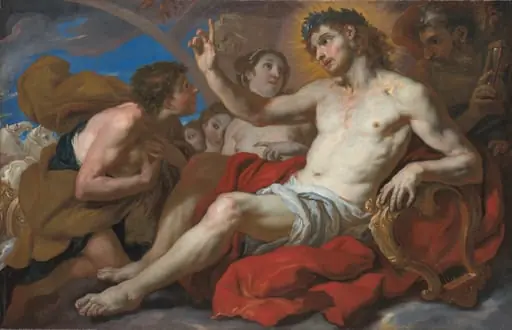 Apollo Granting Phaeton Permission to Drive the Chariot of the Sun
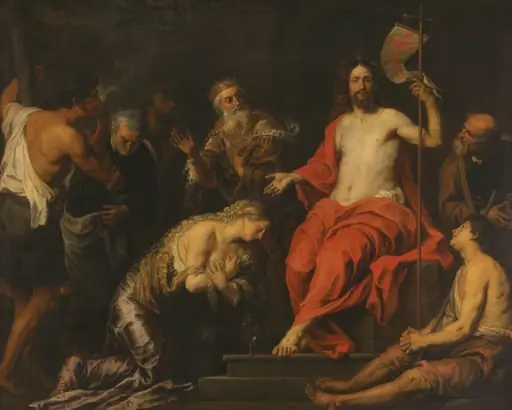 Untitled
 Landscape with Diana and Actaeon (Ovid, Metamorphoses, III, 193)
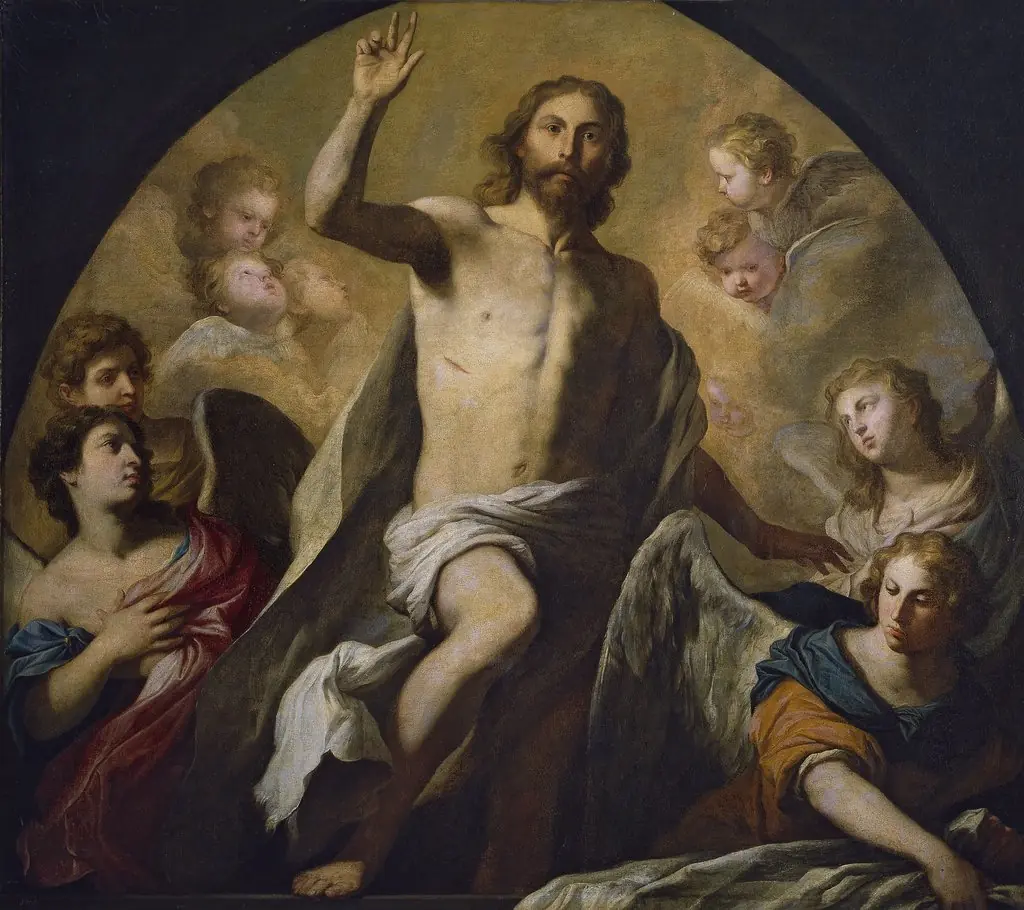 The Resurrection of Jesus Christ
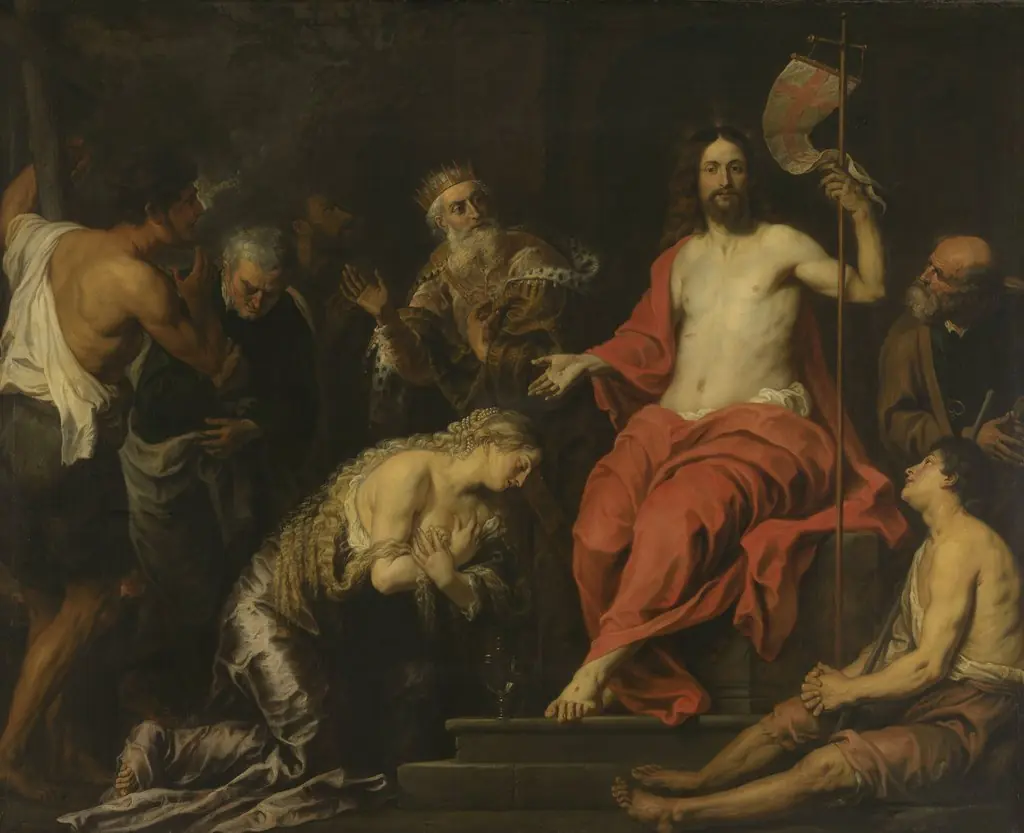 Christ and the repentant sinners
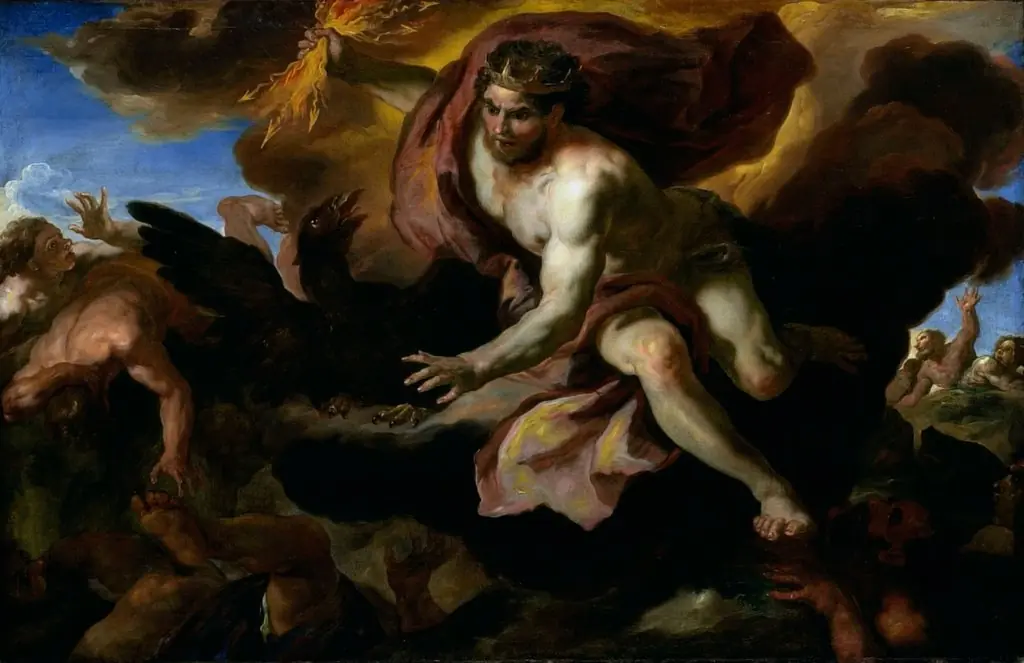 Jove casts his Thunderbolts at the Rebellious Giants
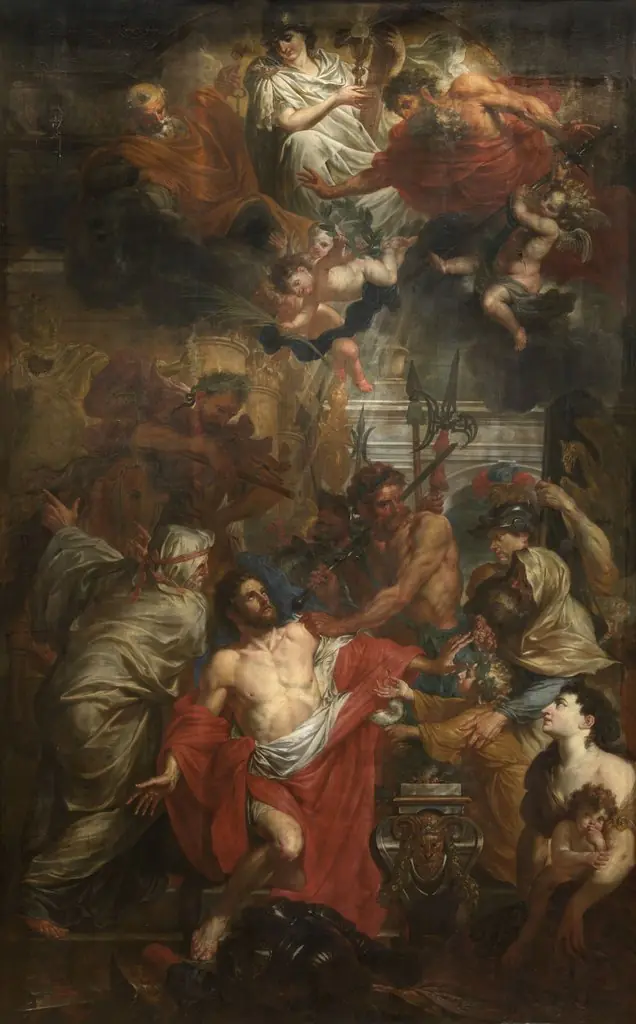 The Martyrdom of Saint George
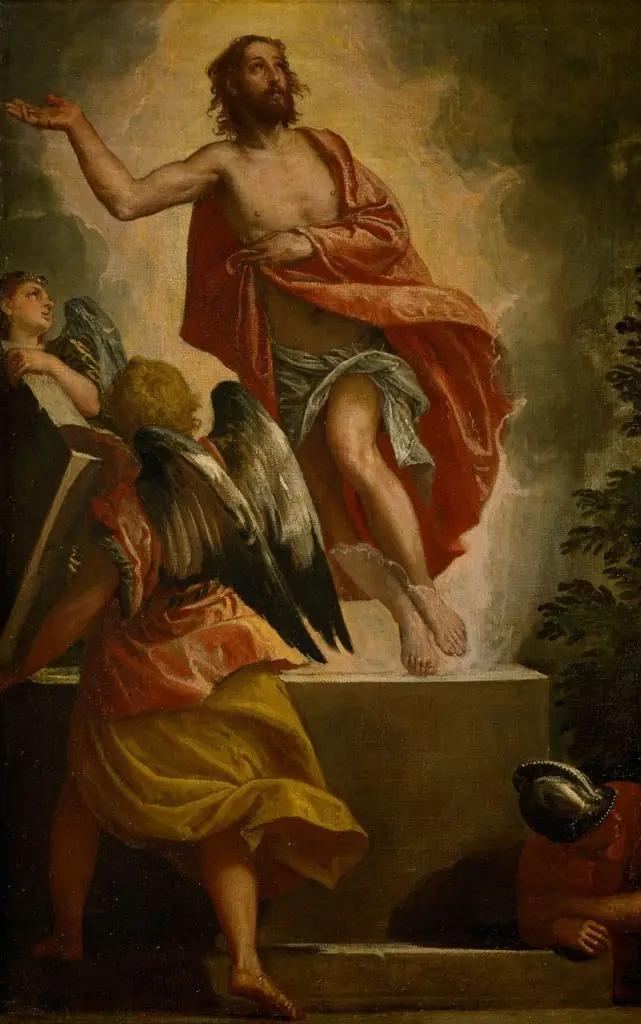 Ascension of Christ