Artwork
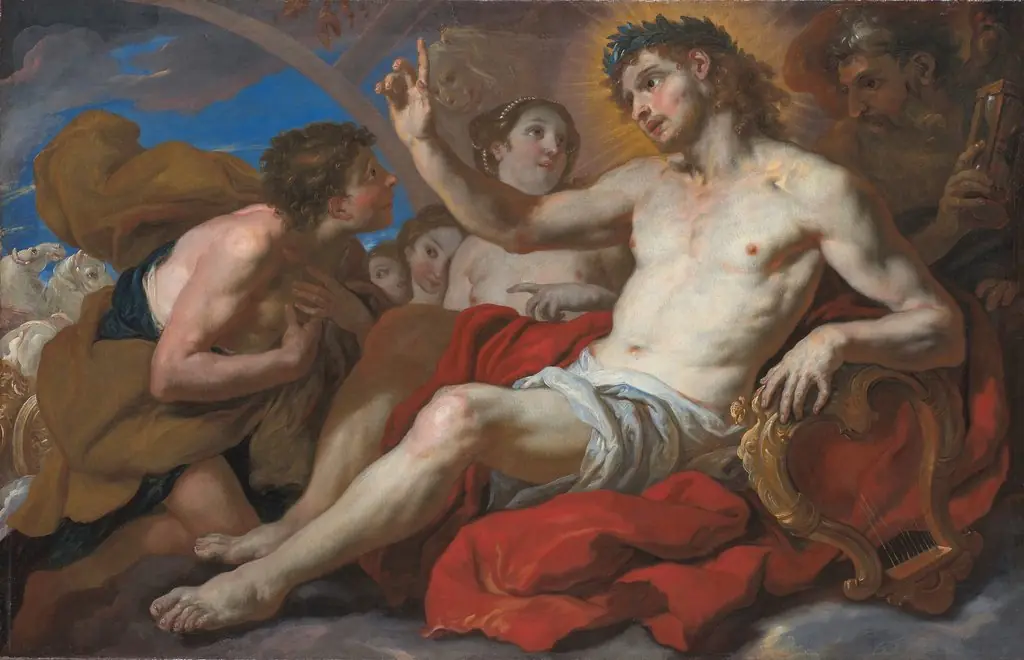
Apollo Granting Phaeton Permission to Drive the Chariot of the Sun
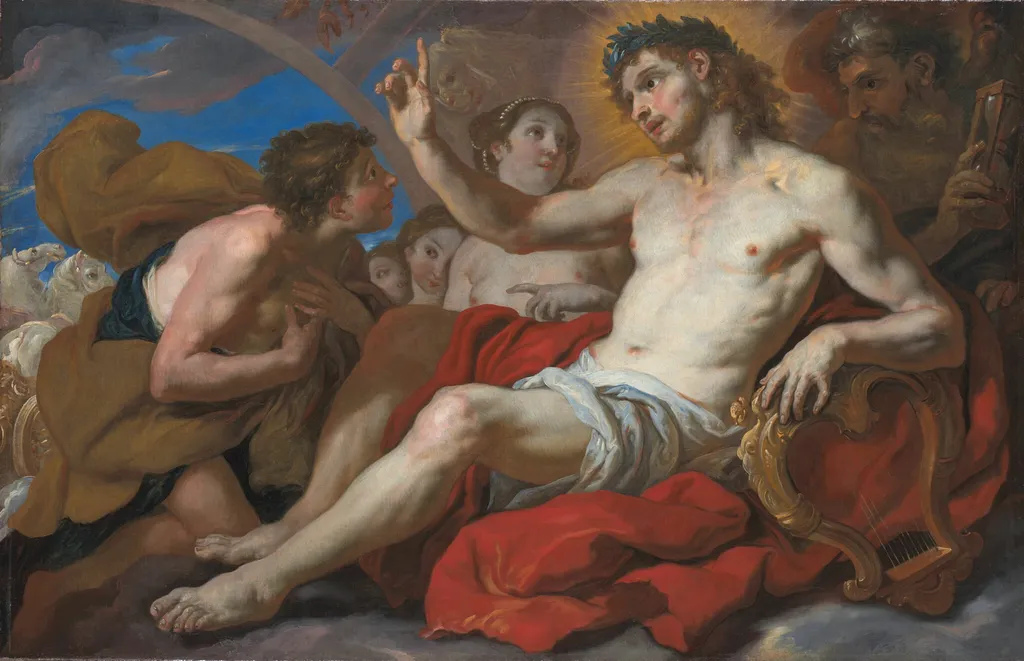
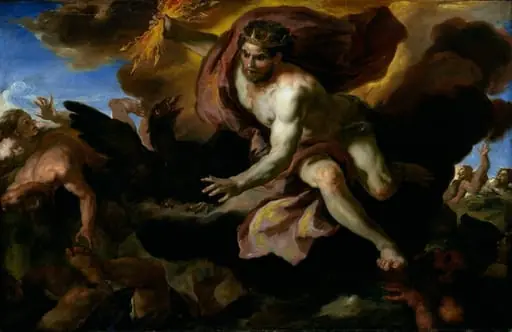
Apollo Granting Phaeton Permission to Drive the Chariot of the Sun is an oil painting by the Barbizon school artist Johann Michael Rottmayr. It dates from 1695 and is held in the collection of the Art Institute of Chicago.
About this work
Overview
The scene is rendered with dramatic clarity and formal composition, typical of late Baroque religious and mythological painting in Central Europe.
Painted around 1695 by Johann Michael Rottmayr, this oil on canvas work depicts a pivotal moment from Greek mythology. It captures Apollo, the sun god, bestowing control of his celestial chariot upon his son Phaeton. The scene is rendered with dramatic clarity and formal composition, typical of late Baroque religious and mythological painting in Central Europe. The painting is part of the Art Institute of Chicago’s collection.
Subject & Meaning
The painting illustrates the myth of Phaeton, who, seeking proof of his divine lineage, begs his father Apollo to let him steer the sun’s chariot. Apollo, reluctant but bound by oath, yields. The moment depicted is one of tragic inevitability: the father’s reluctant consent foreshadows the son’s fatal overreach. It reflects themes of hubris, paternal duty, and the limits of human ambition.
Technique & Style
Rottmayr employs layered glazing to achieve luminous effects, particularly in the depiction of light radiating from Apollo and the chariot. The figures are rendered with sculptural solidity, their drapery and musculature defined by careful chiaroscuro. The composition is balanced yet dynamic, with diagonal lines guiding the eye from Apollo’s outstretched hand to the eager grasp of Phaeton, reinforcing the transfer of power.
History & Provenance
Commissioned likely for a noble or ecclesiastical patron in the Habsburg territories, the painting entered the Art Institute of Chicago’s collection in the 20th century. Its journey from Central Europe to the United States reflects broader patterns of art migration following the decline of aristocratic patronage. No significant alterations or documented restorations are recorded in its modern history.
Context
Created during the height of the Baroque era, the painting aligns with a broader European trend of illustrating classical myths to convey moral or theological lessons. Rottmayr, active in Vienna and Salzburg, was influenced by Italian and German Baroque traditions. His work contributed to the visual culture of Habsburg courts, where mythological narratives served as allegories for power, order, and divine authority.
Legacy
Though not widely reproduced in popular culture, Rottmayr’s painting remains a representative example of Central European Baroque mythological painting. It preserves the visual language of its time—elevated drama, symbolic gesture, and technical refinement—offering insight into how classical stories were interpreted in early modern religious and aristocratic contexts.
Own this work as a print
Artist & collection
Artist
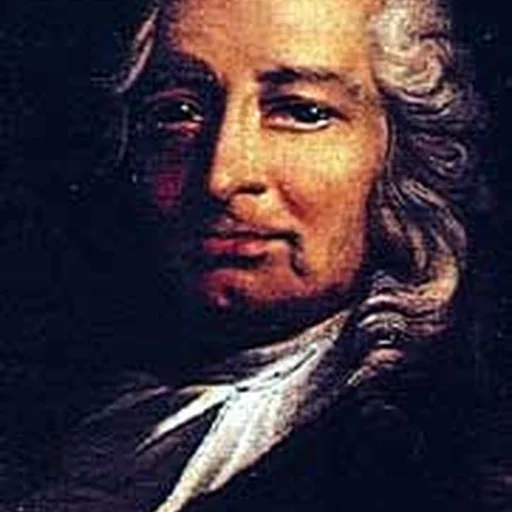
Johann Michael Rottmayr (1656–1730) was an Austrian artist, born in Laufen.

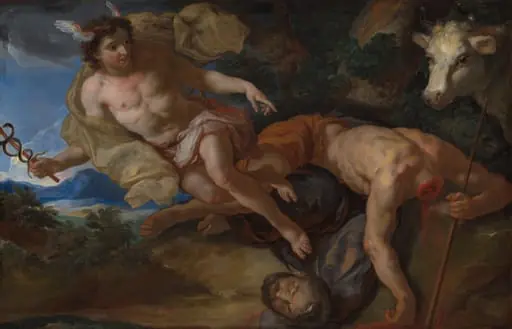 Mercury Rescues the Disguised Io after Beheading Argus
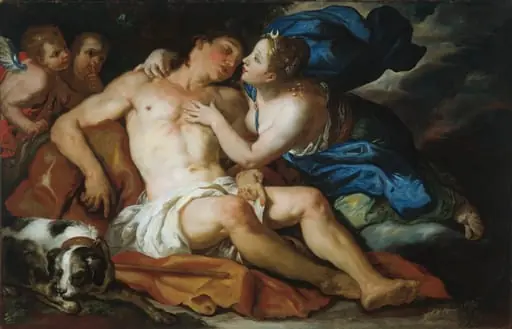 Diana and Endymion
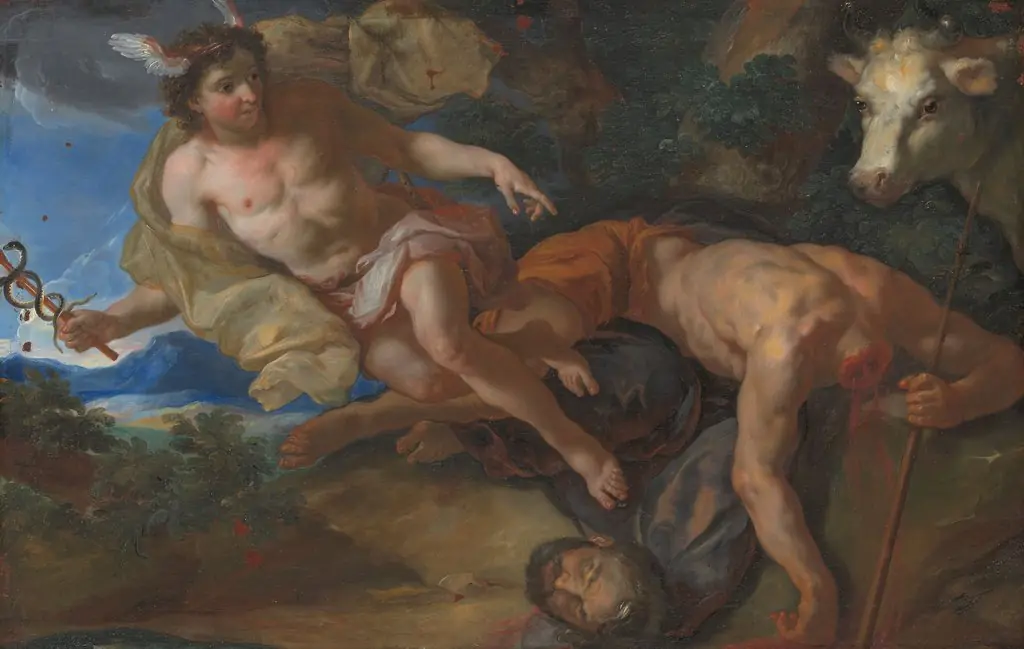 Mercury rescues the disguised Io after beheading Argus
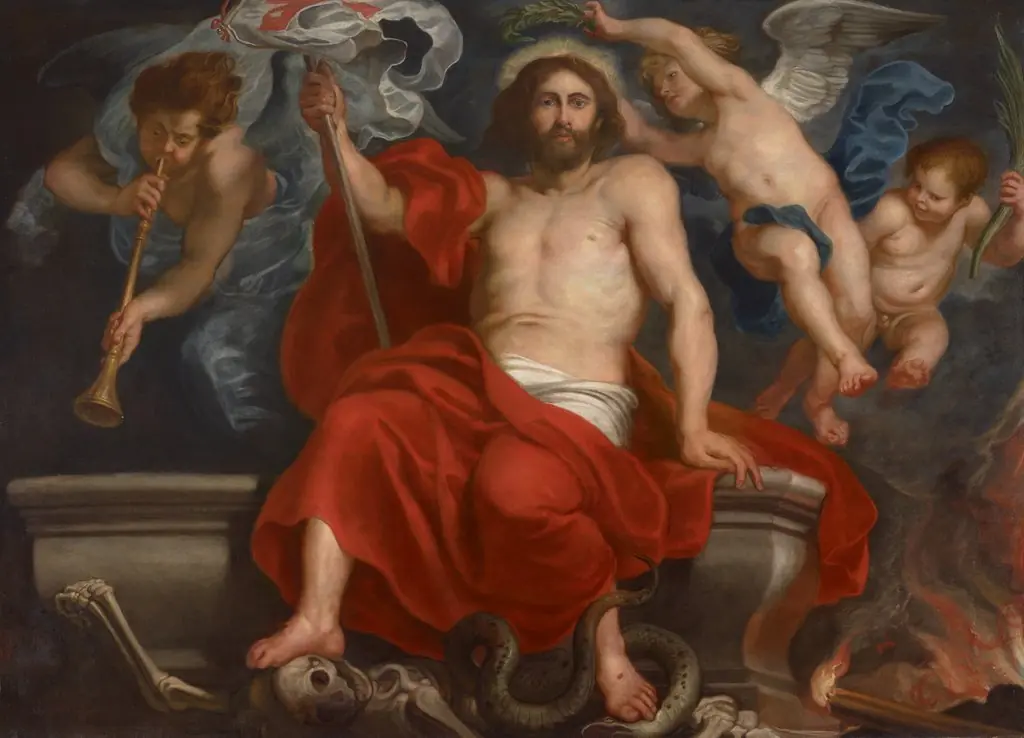 Christ triumphant over Sin, Death, and the Grave
 Untitled
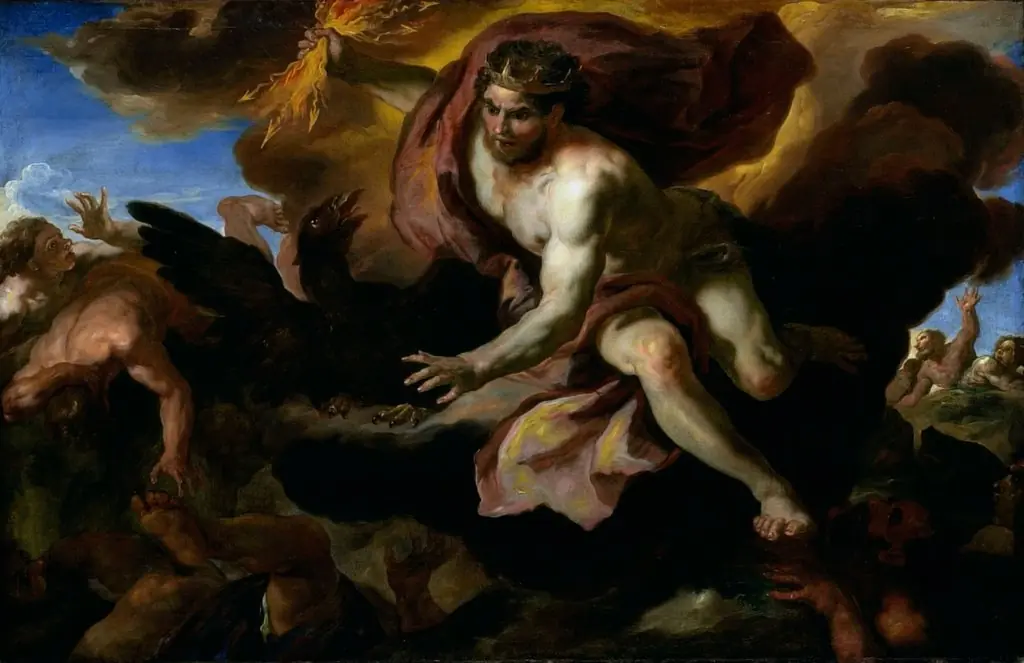 Jove casts his Thunderbolts at the Rebellious Giants
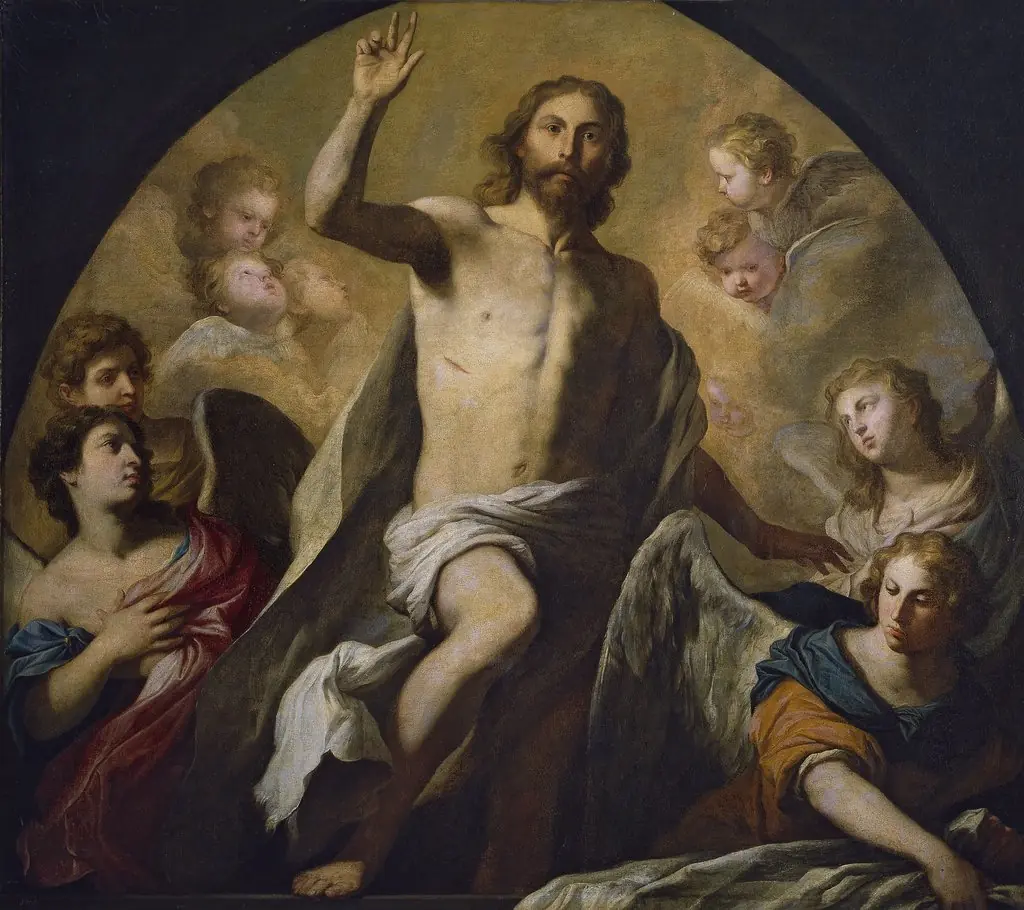 The Resurrection of Jesus Christ
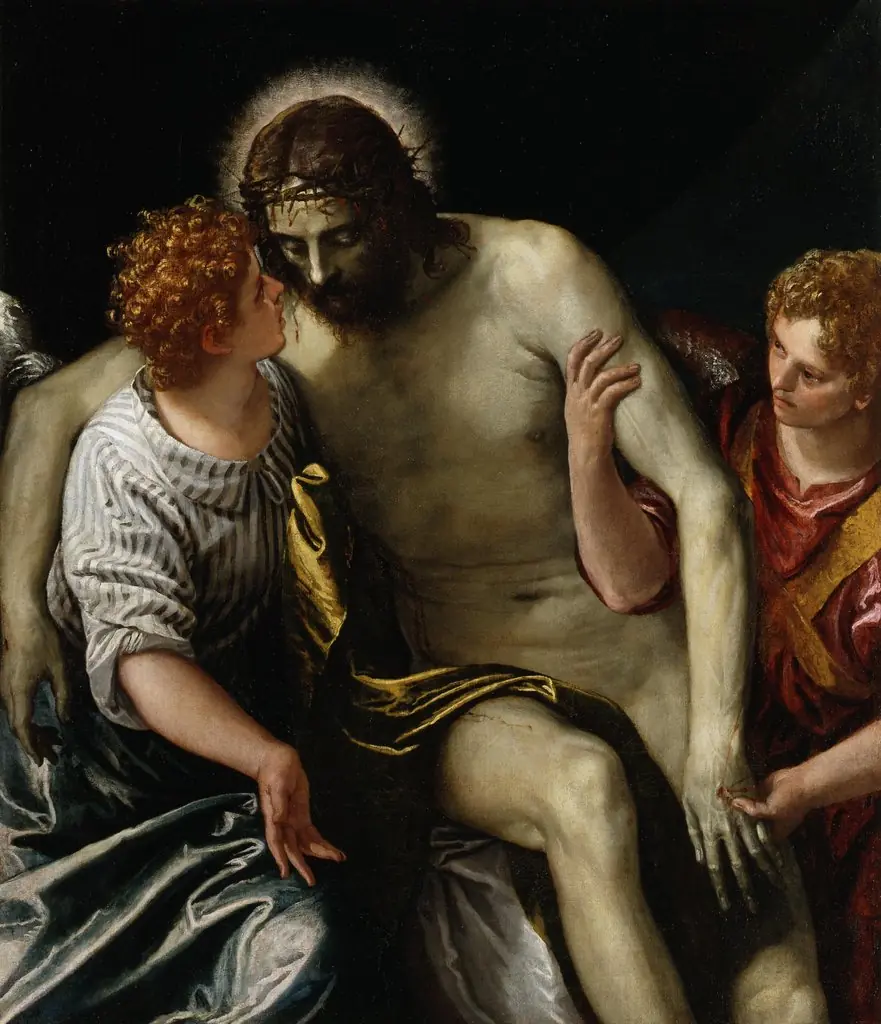 Dead Christ Supported by Two Angels
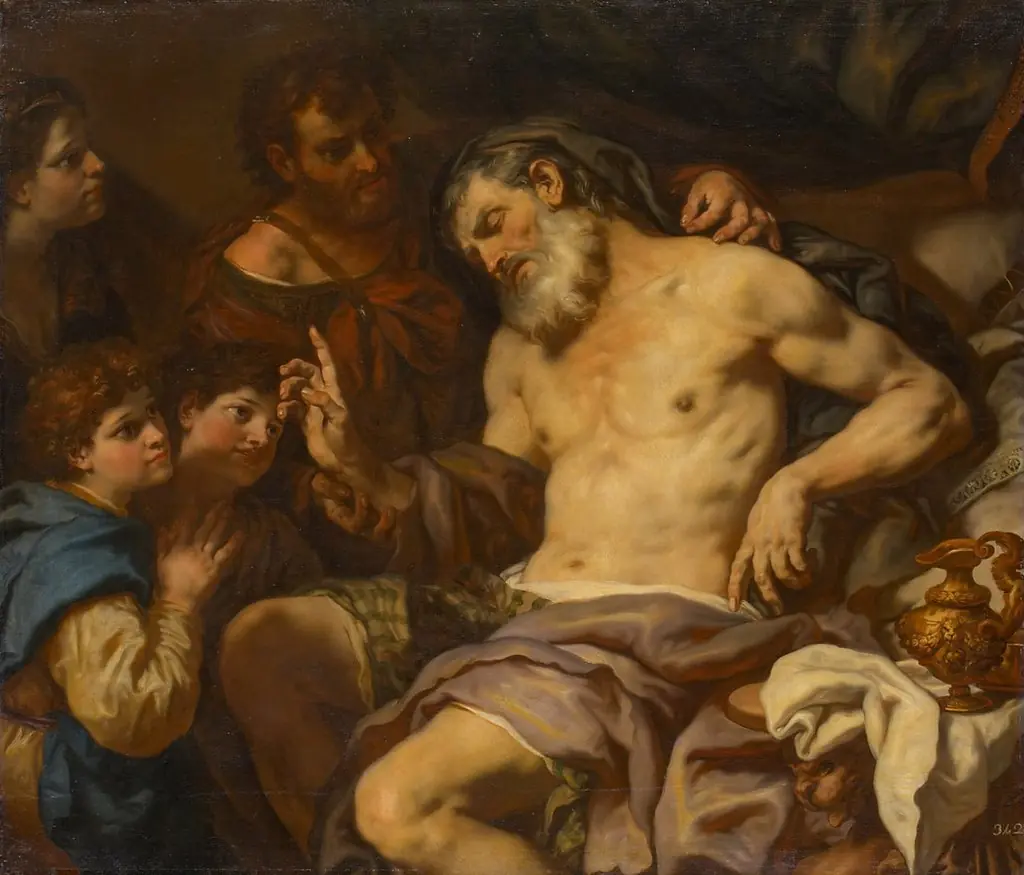 Jacob Blesses Ephraim and Manasseh
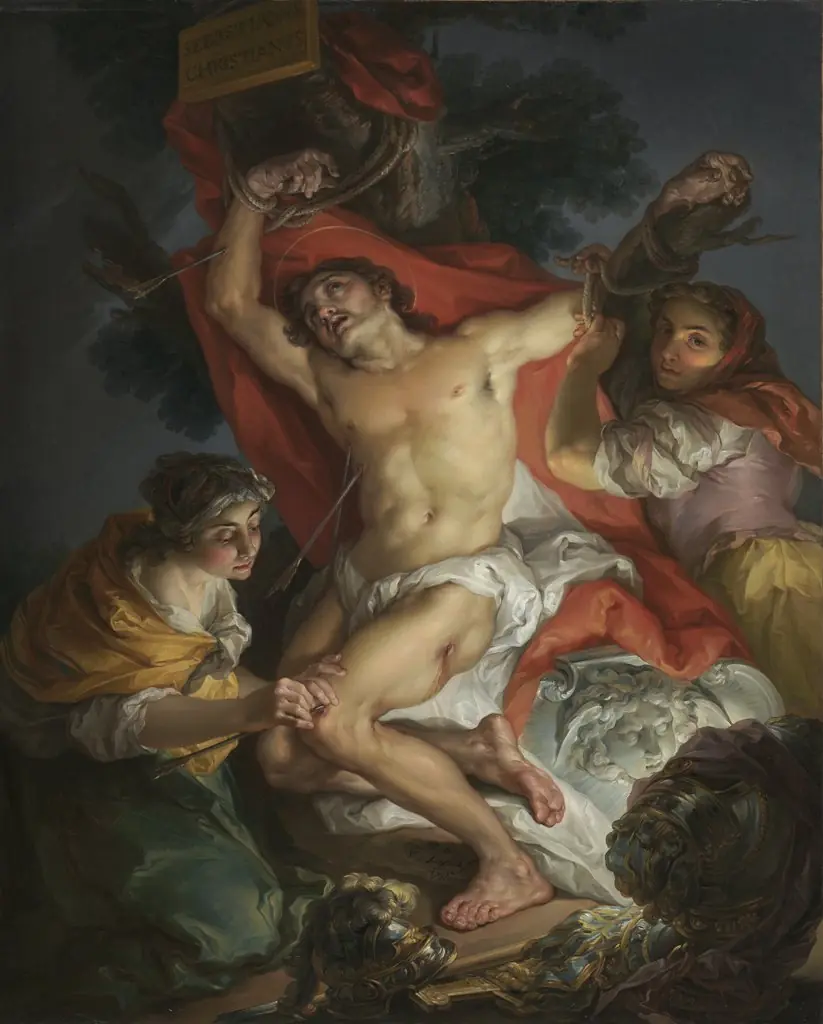 Saint Sebastian Tended by Saint Irene
 Jove Casts His Thunderbolts at the Rebellious Giants