Artwork
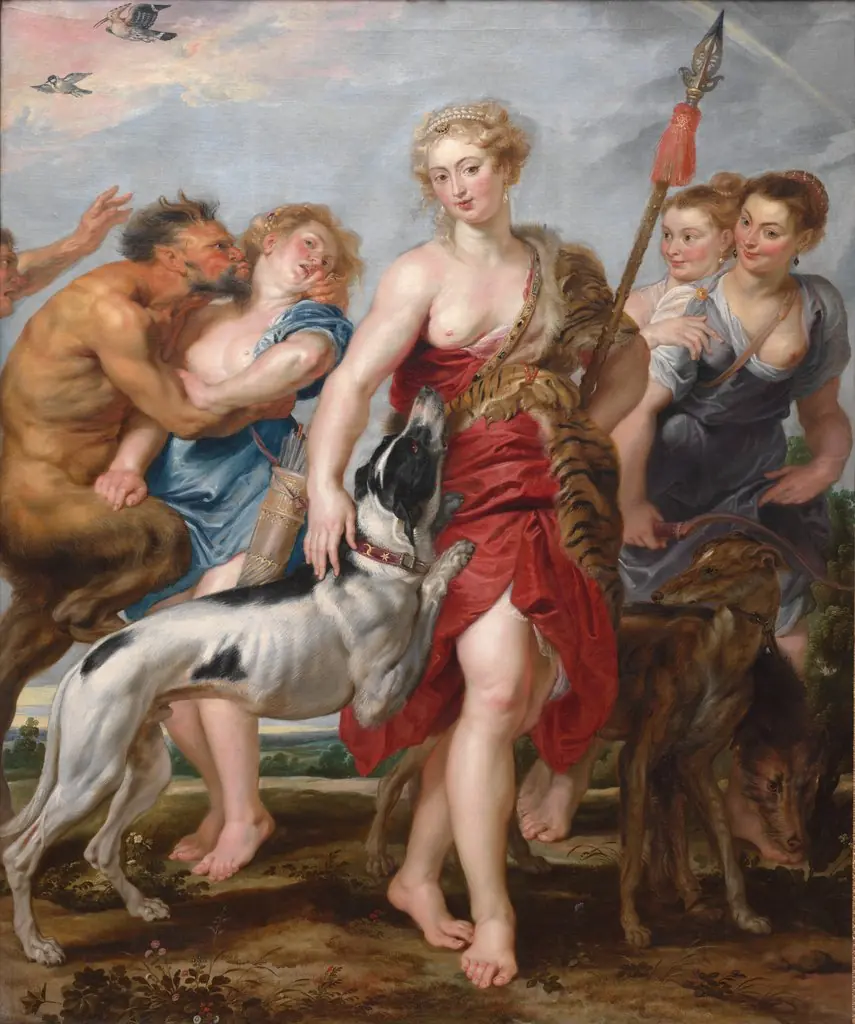
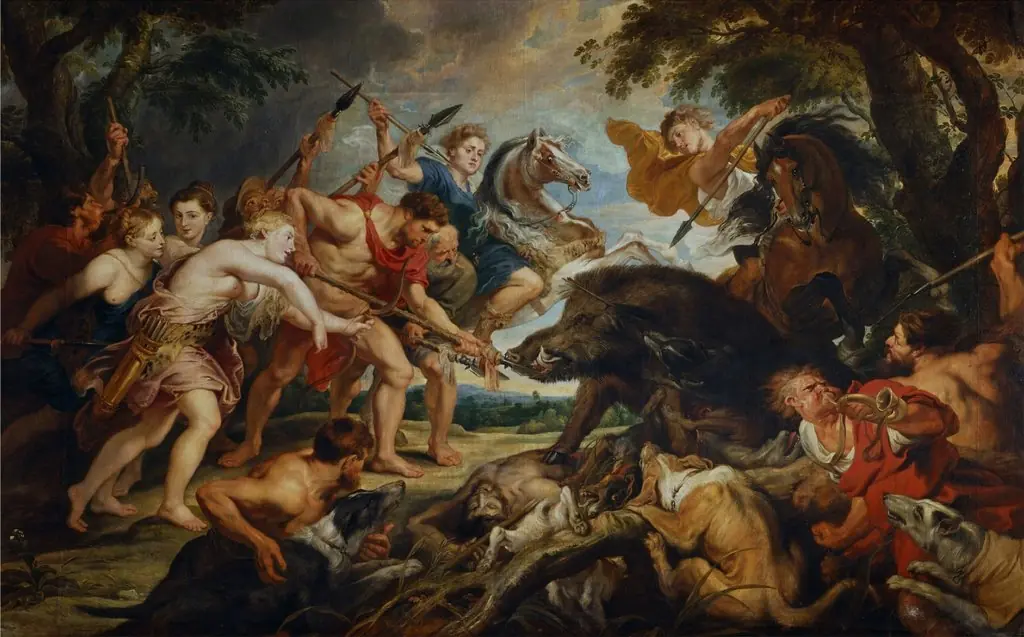
Diana and her Nymphs Hunting
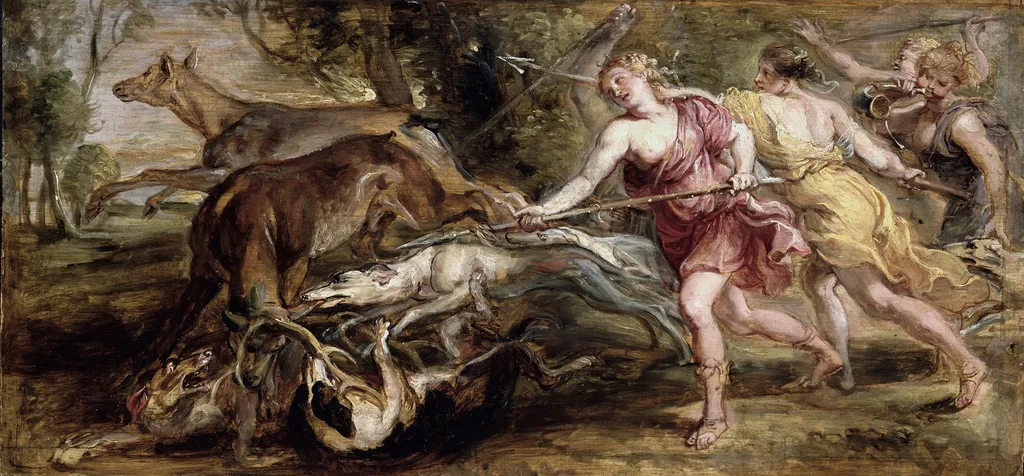
Diana and her Nymphs Hunting is an oil painting by the Flemish Baroque painting artist Peter Paul Rubens. It dates from 1636 and is held in the collection of the Museo del Prado.
About this work
Overview
Peter Paul Rubens's 1636 oil painting, *Diana and her Nymphs Hunting*, exemplifies the Flemish Baroque style.
Peter Paul Rubens's 1636 oil painting, *Diana and her Nymphs Hunting*, exemplifies the Flemish Baroque style. It depicts the Roman goddess Diana and her companions engaged in a dynamic pursuit within a forest setting. This work showcases the artist's characteristic emphasis on vibrant color, energetic composition, and mythological themes, reflecting his significant influence within the Baroque tradition.
Subject & Meaning
The painting portrays Diana, the Roman goddess of the hunt, wilderness, and moon, accompanied by her nymphs. They are shown actively engaged in a hunt, armed with a spear and assisted by dogs, pursuing deer through a dense forest. This mythological narrative allowed Rubens to explore themes of nature, divine power, and the classical world, frequently revisited in his extensive oeuvre.
Technique & Style
Executed in oil, the artwork embodies the Flemish Baroque aesthetic through its dramatic sense of motion and rich palette. Rubens employed bold, expressive brushstrokes, creating visible texture and layered effects that contribute to the painting's vitality. The interplay of light and shadow, alongside vibrant hues and flowing drapery, enhances the dynamic energy and sensuality inherent in the scene.
History & Provenance
Created in 1636, *Diana and her Nymphs Hunting* is a notable example of Peter Paul Rubens's later work. The painting is currently housed in the esteemed collection of the Museo del Prado, where it represents a significant contribution to the museum's holdings of European Baroque art.
Artist & collection
Artist
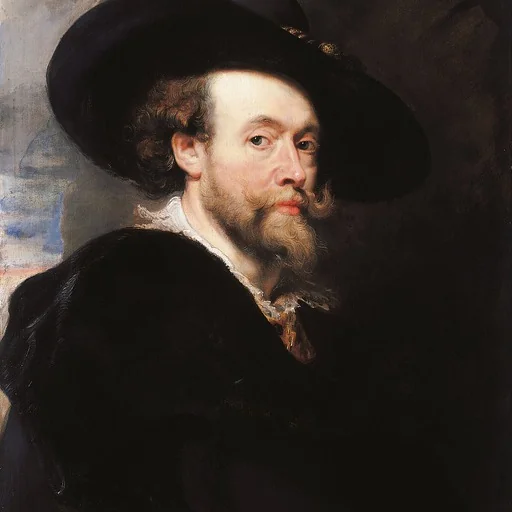
Sir Peter Paul Rubens ( ROO-bənz; Dutch: ; 28 June 1577 – 30 May 1640) was a Flemish artist and diplomat.