Artwork
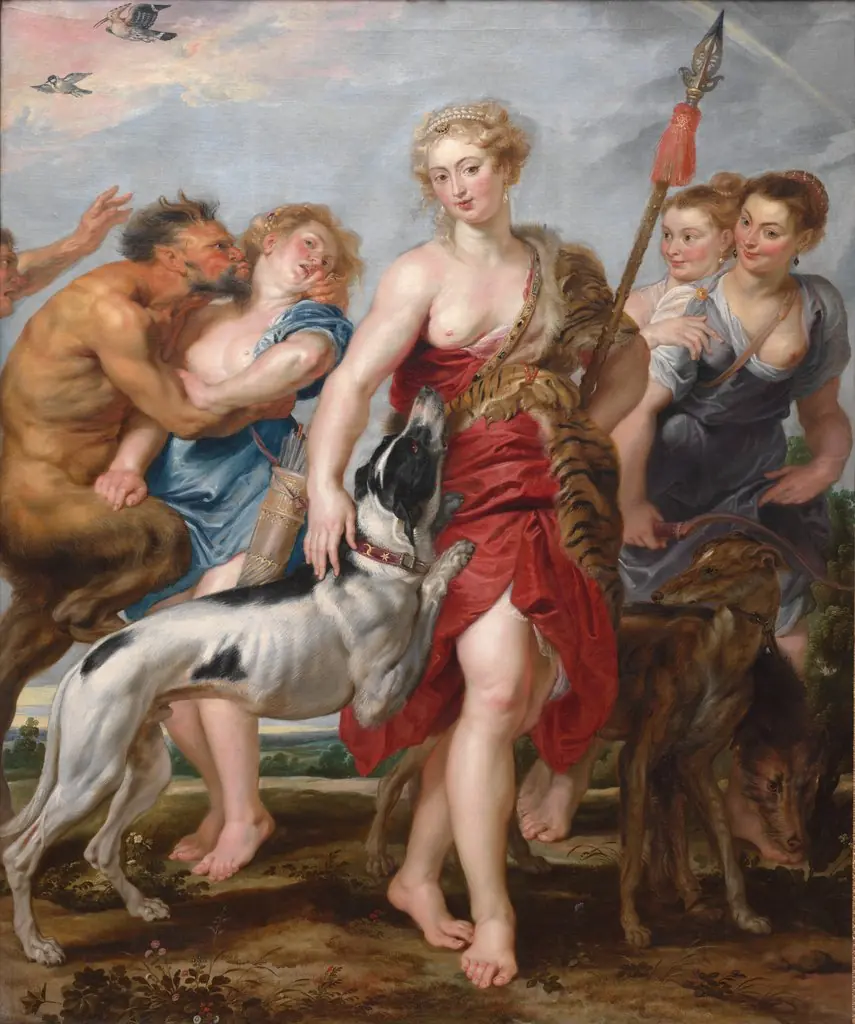
Diana and her Nymphs surprised by Satyrs
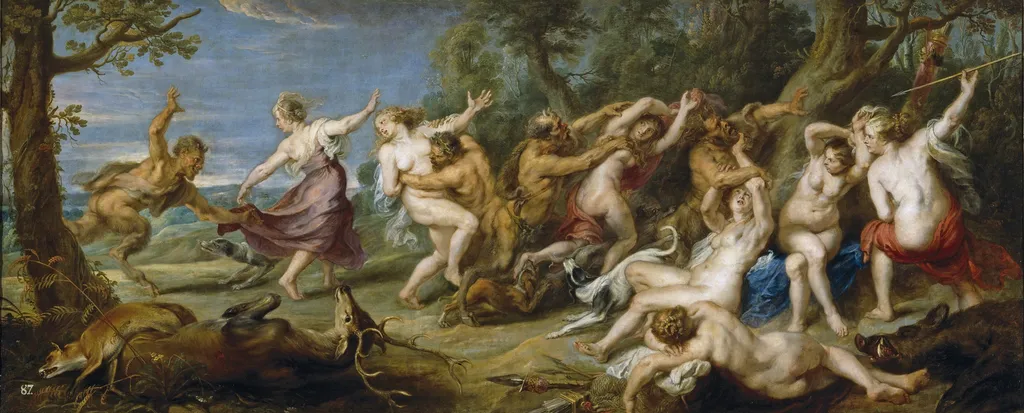
Diana and her Nymphs surprised by Satyrs is an oil painting by the Flemish Baroque painting artist Peter Paul Rubens. It dates from 1639 and is held in the collection of the Museo del Prado.
About this work
Overview
Peter Paul Rubens painted *Diana and her Nymphs surprised by Satyrs* in 1639, employing oil on canvas. The work belongs to the Flemish Baroque tradition, noted for its vigorous movement and saturated palette. It is currently part of the Museo del Prado’s collection in Madrid.
Subject & Meaning
The composition portrays the goddess Diana and her attendant nymphs in a forest clearing when a group of mischievous satyrs intrudes. The figures are captured in mid‑action—some fleeing, others seized—conveying a moment of sudden disruption that reflects classical narratives of divine chastity confronting rustic revelry.
Technique & Style
Rubens utilizes fluid brushwork and a warm chromatic scheme to animate the scene. The interplay of light and shadow across the bodies enhances their three‑dimensionality, while the diagonal arrangement of figures generates a sense of kinetic energy typical of Baroque drama.
History & Provenance
Created toward the end of Rubens’s career, the painting entered the Spanish royal collection before being transferred to the Prado Museum, where it remains on public display. Its provenance traces a path from the artist’s workshop to the institutional holdings of one of Europe’s foremost art museums.
Artist & collection
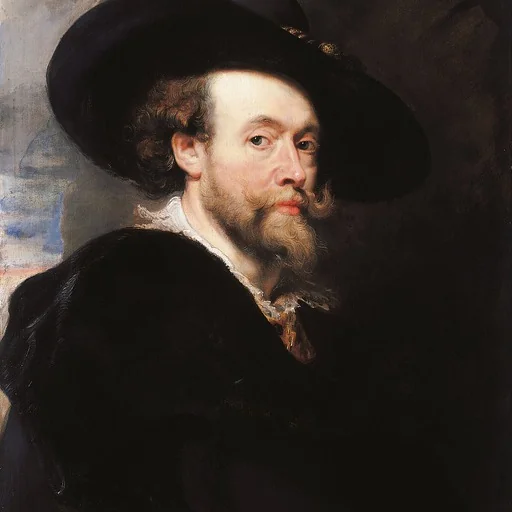
Artist
Sir Peter Paul Rubens ( ROO-bənz; Dutch: ; 28 June 1577 – 30 May 1640) was a Flemish artist and diplomat.