Artwork
Miracles of St. Francis Xavier
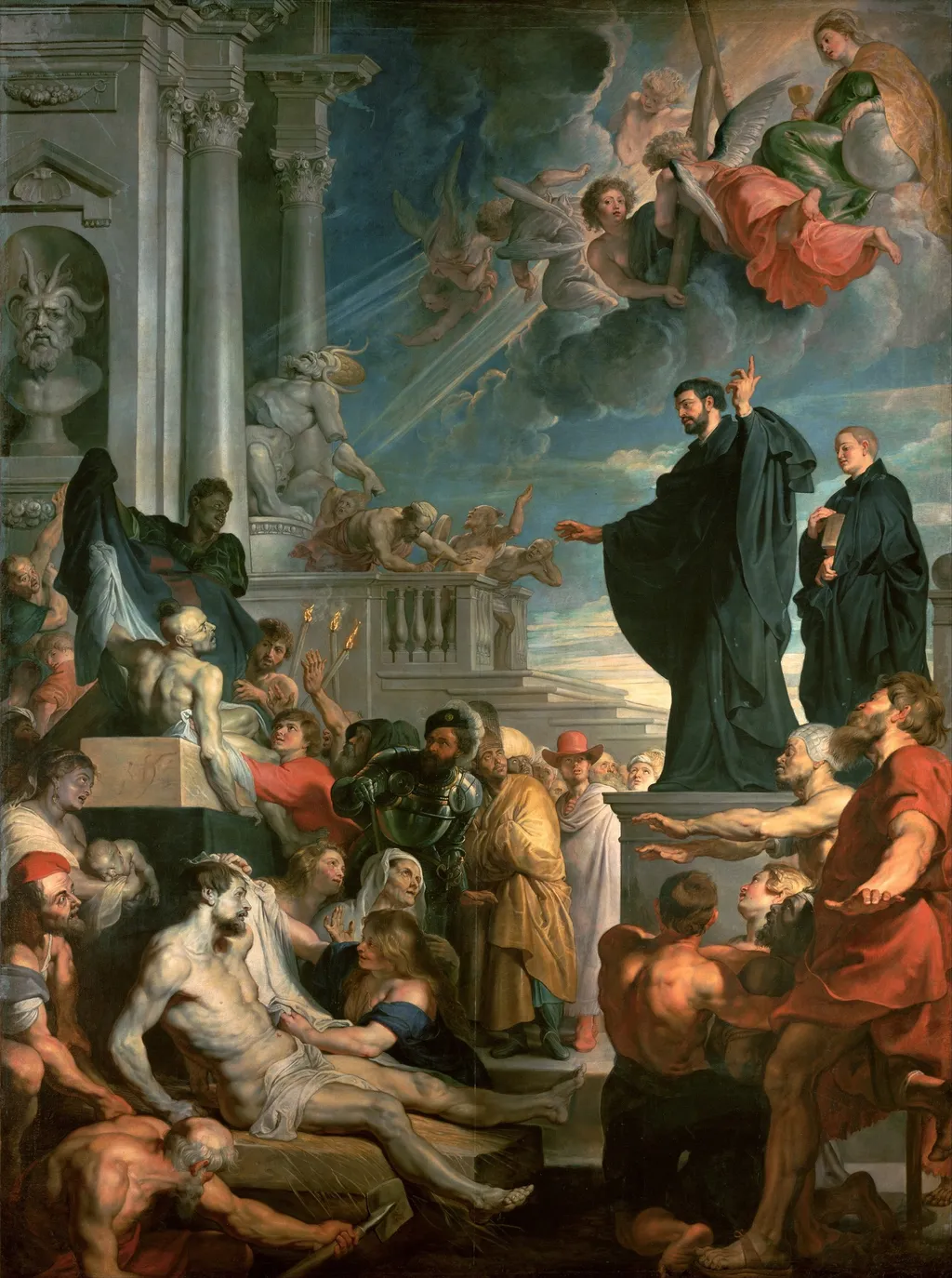
Miracles of St. Francis Xavier is an oil painting by the Flemish Baroque painting artist Peter Paul Rubens. It dates from 1617 and is held in the collection of the Kunsthistorisches Museum.
About this work
Overview
Peter Paul Rubens created the large altarpiece titled Miracles of St. Francis Xavier around 1617‑1618. Originally commissioned by the Jesuit community in Antwerp for their church—now called St. Charles Borromeo Church—the work now belongs to the Kunsthistorisches Museum in Vienna.
Subject & Meaning
The composition illustrates a series of miraculous events attributed to St. Francis Xavier during his Asian missions. Figures from diverse Asian and African backgrounds populate the scene, and a Hindu idol is shown being destroyed in the distance, underscoring the saint’s evangelizing impact.
Technique & Style
Rubens employs vigorous chiaroscuro, contrasting bright, illuminated faces and statues with deep shadows that heighten drama. A storm‑filled sky pours shafts of light onto the crowd, while a palette of deep blues, warm reds, and earthy browns intensifies the visual tension.
History & Provenance
After serving its liturgical function in Antwerp, the altarpiece entered the Viennese collection, where it remains on public display. Rubens also produced a companion work, The Miracles of St. Ignatius of Loyola, intended for the same Jesuit setting.
Context
The painting reflects the Counter‑Reformation emphasis on missionary zeal and the Jesuit order’s promotion of saintly exemplars. By depicting a multicultural assemblage, Rubens visualized the global reach of Catholic evangelism in the early seventeenth century.
Own this work as a print
Artist & collection
Artist
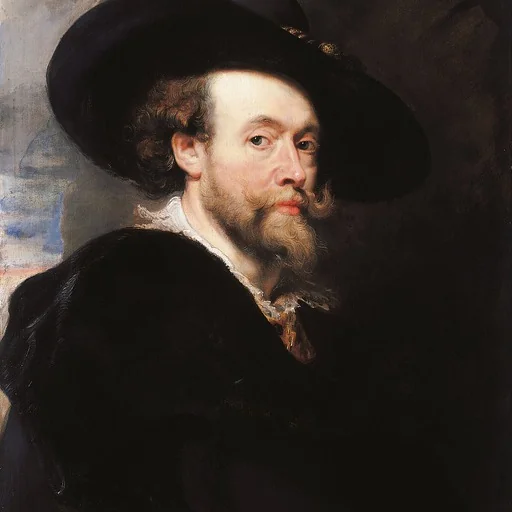
Sir Peter Paul Rubens ( ROO-bənz; Dutch: ; 28 June 1577 – 30 May 1640) was a Flemish artist and diplomat.

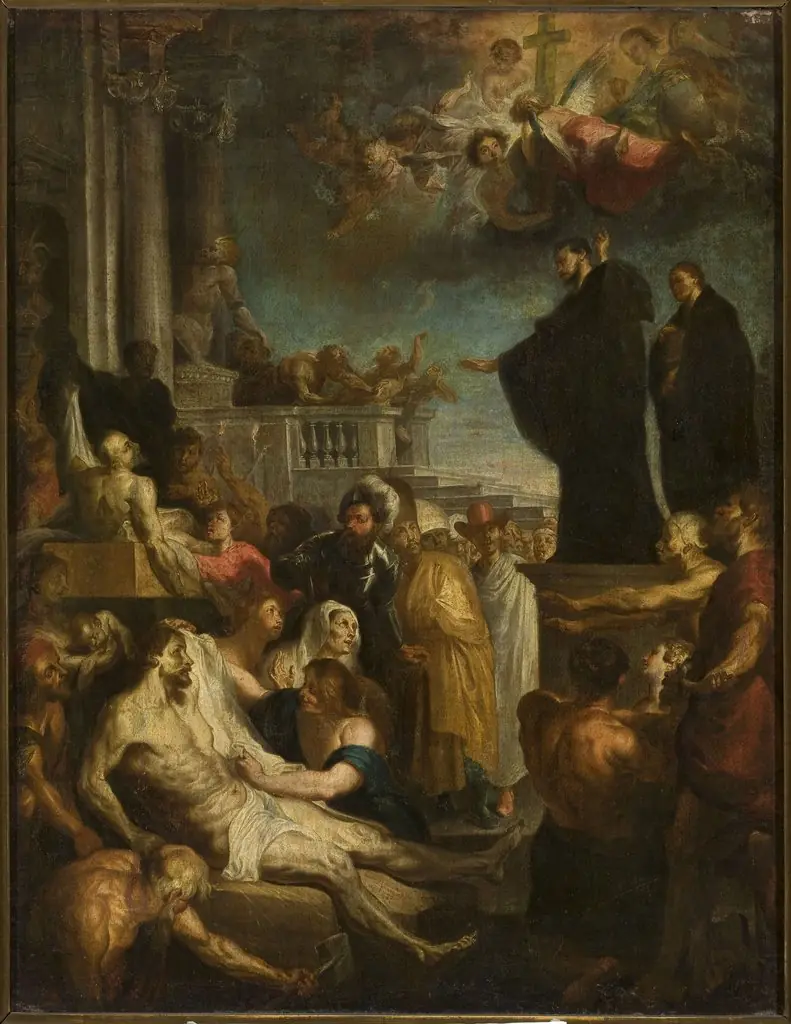 Two saints preaching
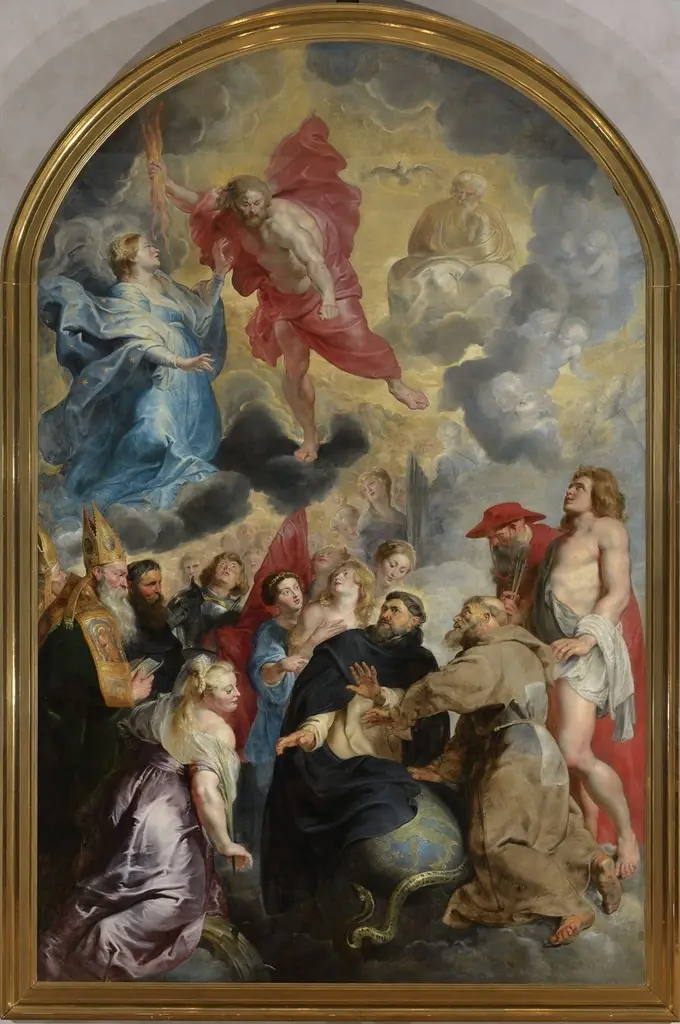 Saint Dominic and Saint Francis Protecting the World from the Wrath of Christ
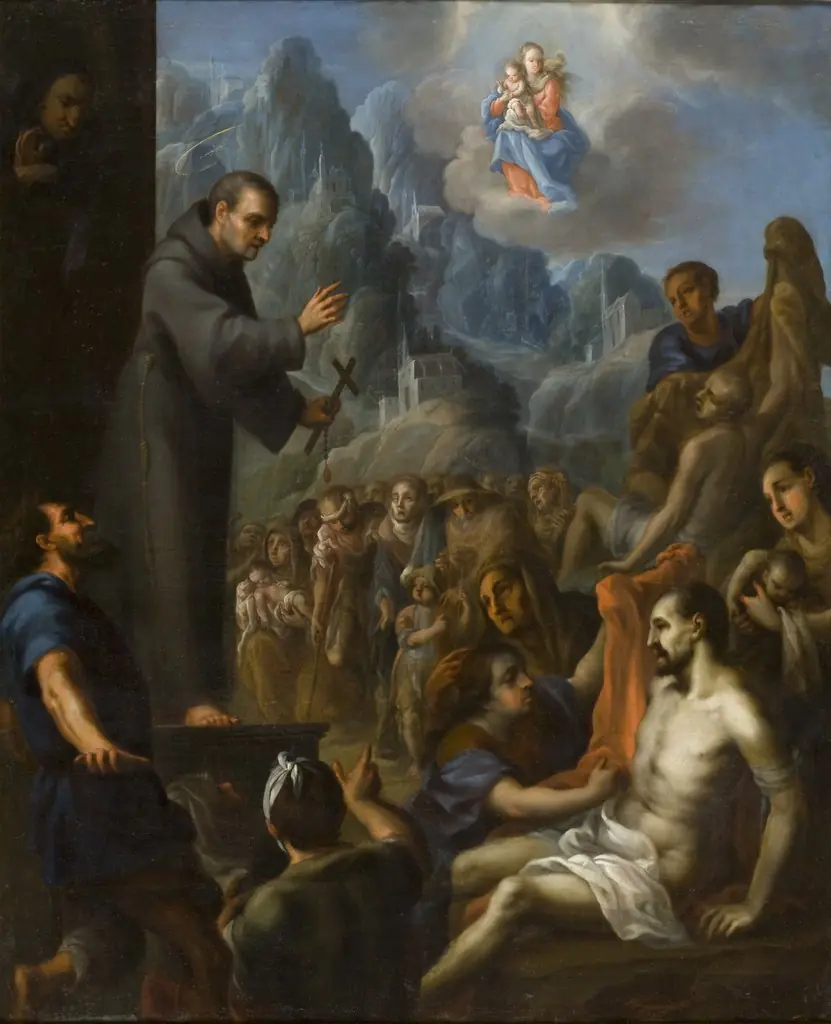 Miracles of Saint Salvador de Horta (Milagros del beato Salvador de Horta)
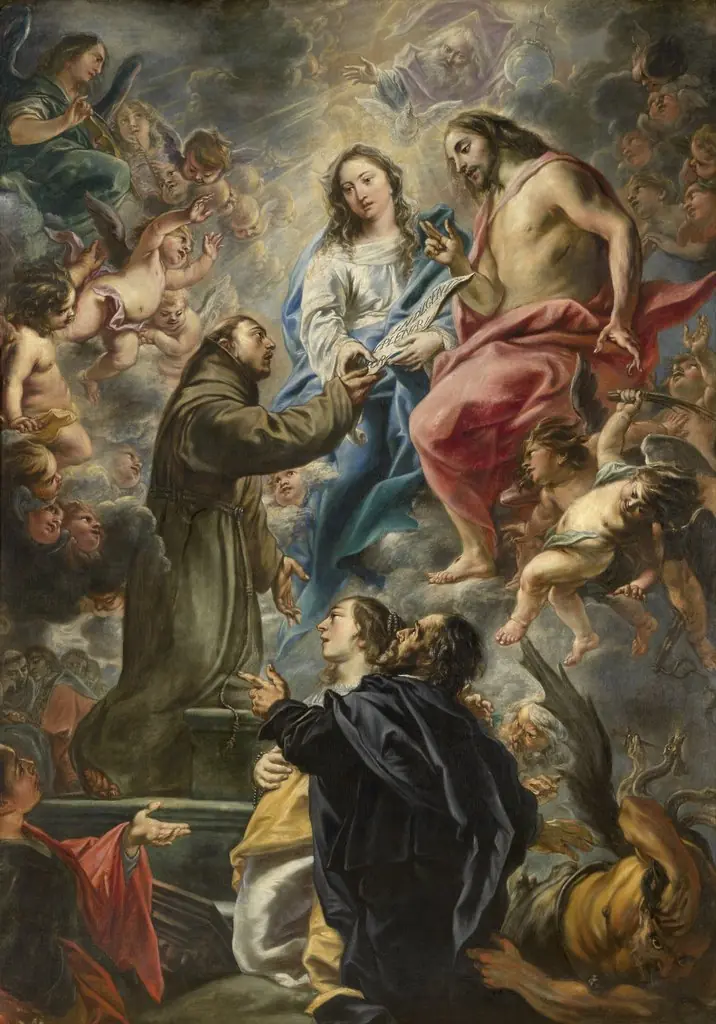 Portiuncula
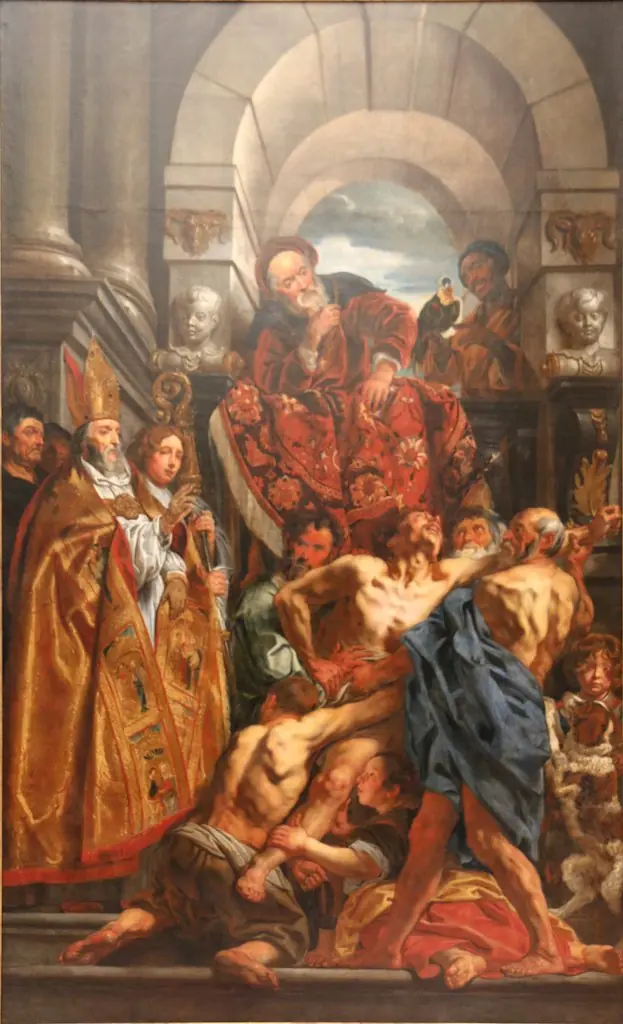 De heilige Martinus geneest een bezetene
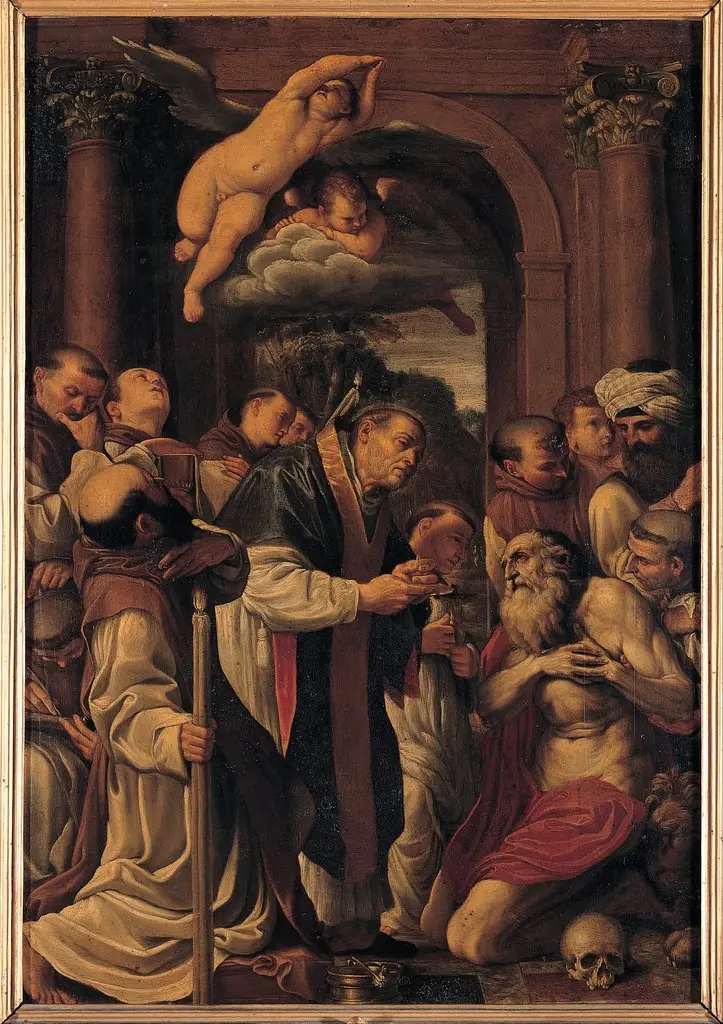 Communion of St. Jerome
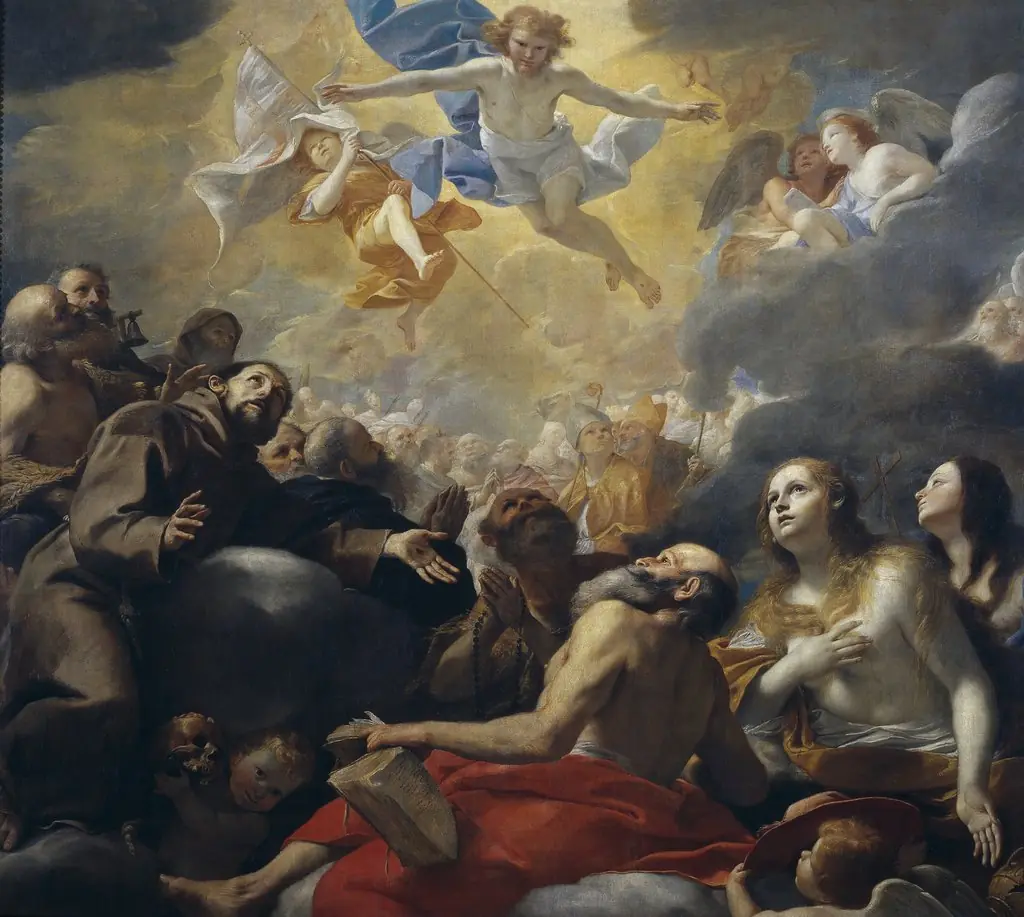 Christ in Glory with Saints
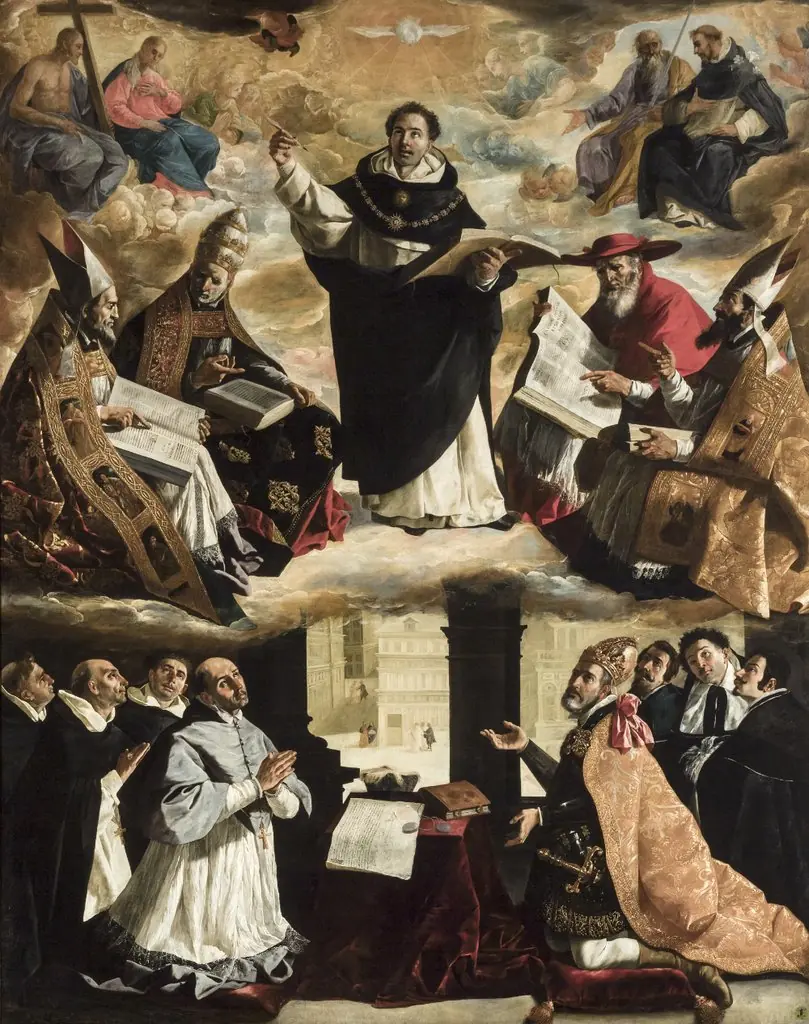 The Apotheosis of St. Thomas of Aquino
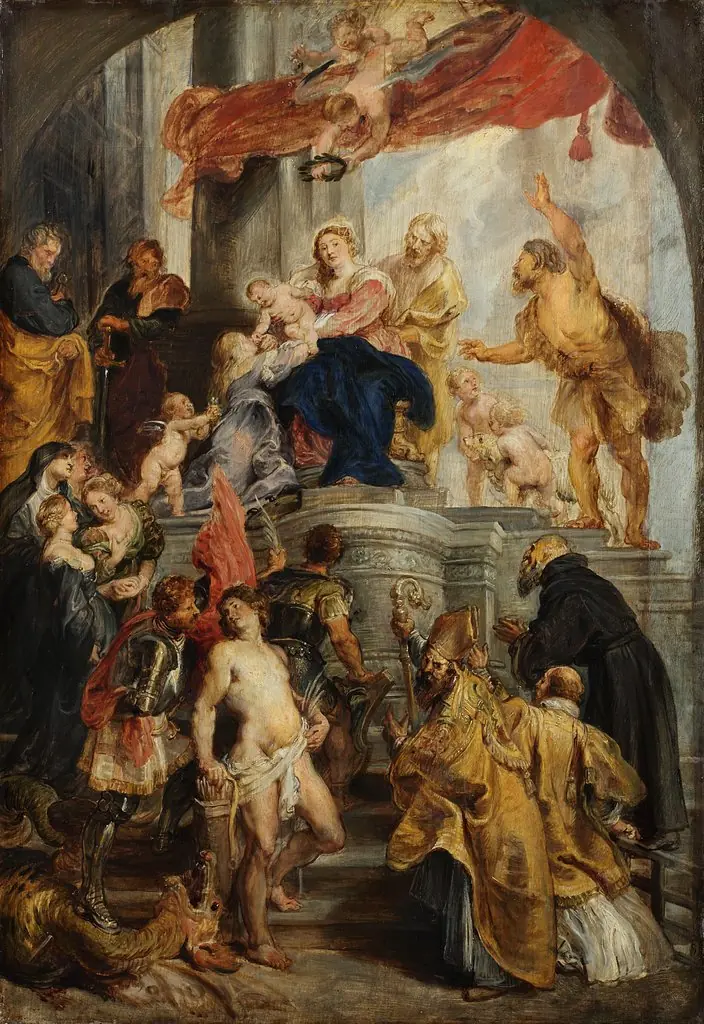 The Virgin and Child Enthroned with Saints by Peter Paul Rubens