Artwork
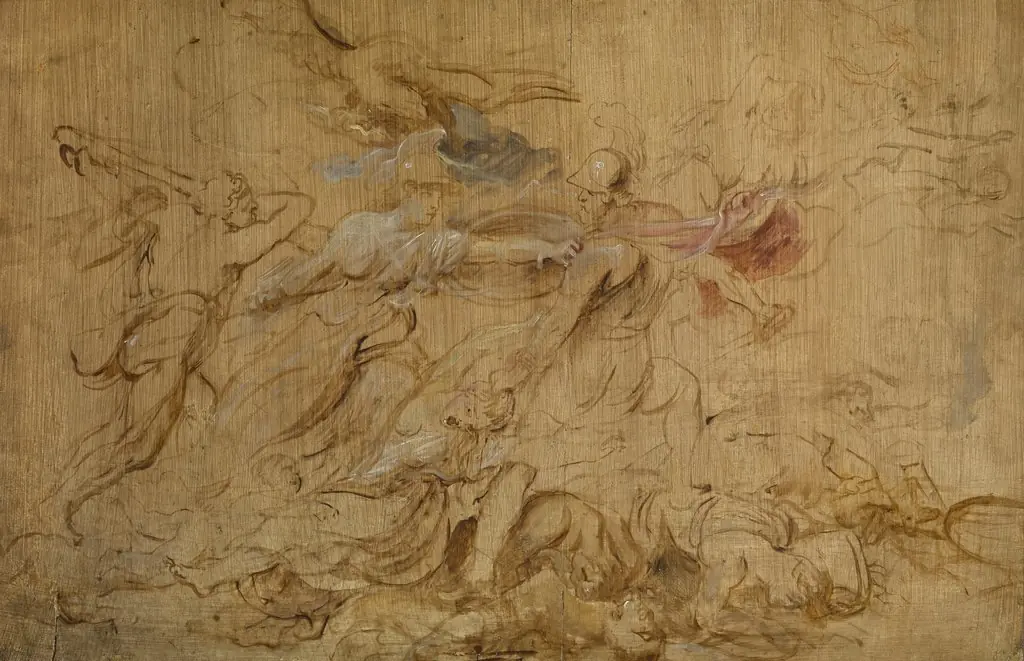
Multiple Sketch for the Banqueting House Ceiling
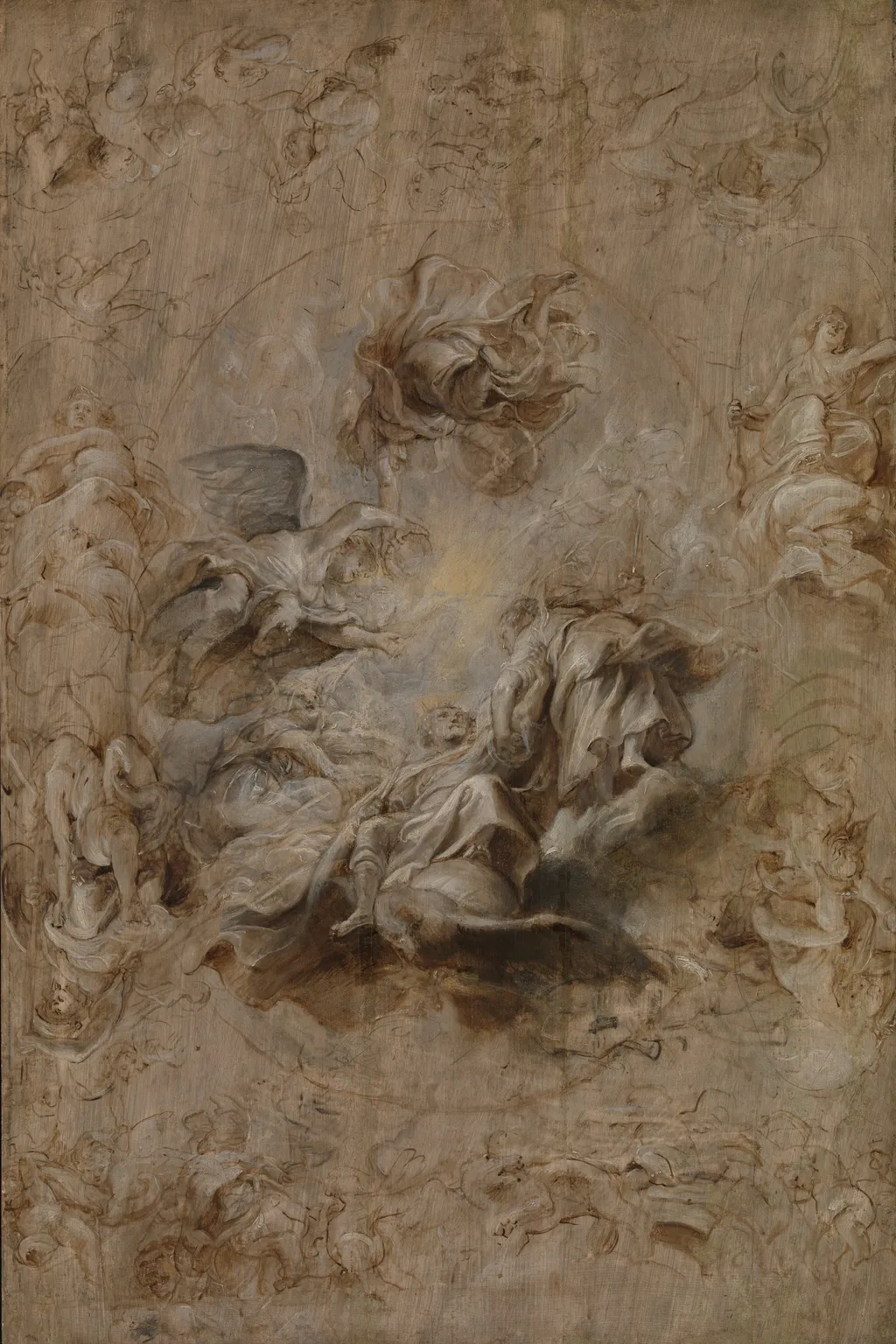
Multiple Sketch for the Banqueting House Ceiling is an oil painting by the Flemish Baroque painting artist Peter Paul Rubens. It dates from 1629 and is held in the collection of the Tate.
About this work
Overview
Created in 1629, this oil sketch by Peter Paul Rubens served as a preparatory study for the grand ceiling decoration of London’s Banqueting House. Executed in a muted brown palette, the composition is densely populated with figures—human and angelic—arranged in dynamic poses that suggest movement through the celestial space.
Subject & Meaning
The drawing depicts an allegorical scene that intertwines mythological and religious motifs, a hallmark of Rubens’s oeuvre. Angels and clothed figures interact in a narrative that reflects the Counter‑Reformation’s emphasis on dramatic, didactic imagery, intended to convey moral and political messages within a celebratory setting.
Technique & Style
Rubens employed the Flemish Baroque language of vigorous motion, rich coloration, and strong contrasts of light and shadow. Visible brushwork and layered paint give the surface a tactile quality, while the chiaroscuro modeling enhances the three‑dimensionality of the crowded figures, reinforcing the sense of theatrical drama.
History & Provenance
The sketch was produced as part of Rubens’s commission to design the ceiling program for the Banqueting House, a project overseen by architect Inigo Jones. After serving its preparatory function, the work entered private collections before being acquired by its present museum, where it remains a key document of Rubens’s design process.
Own this work as a print
Artist & collection
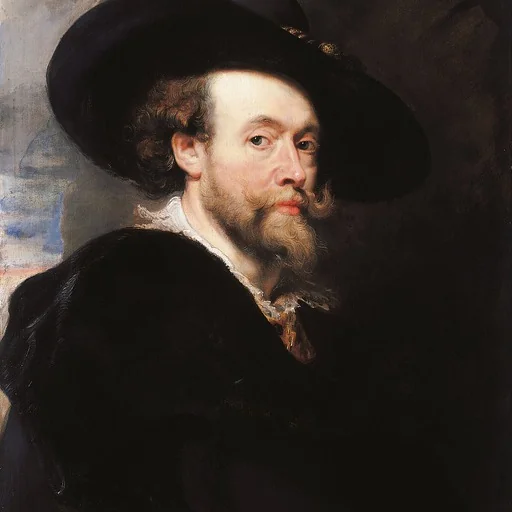
Artist
Sir Peter Paul Rubens ( ROO-bənz; Dutch: ; 28 June 1577 – 30 May 1640) was a Flemish artist and diplomat.

 Hercules and Minerva expelling Mars
 The Assumption of the Virgin
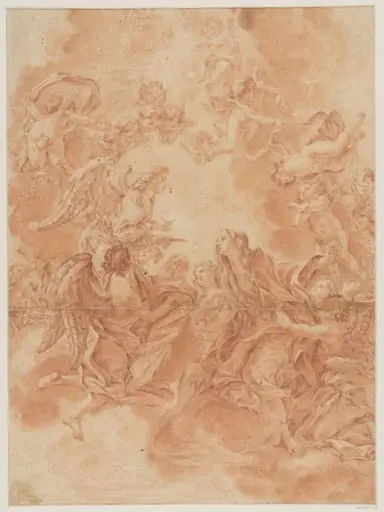 The Communion of St Mary Magdalene
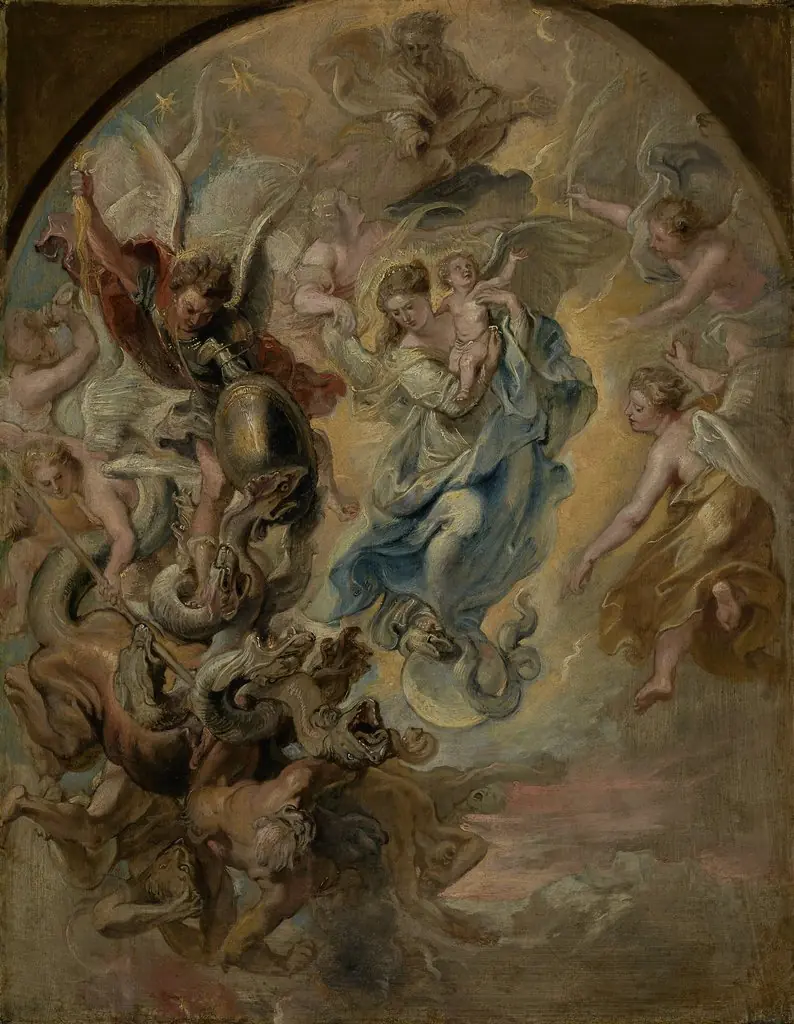 The Virgin as the Woman of the Apocalypse
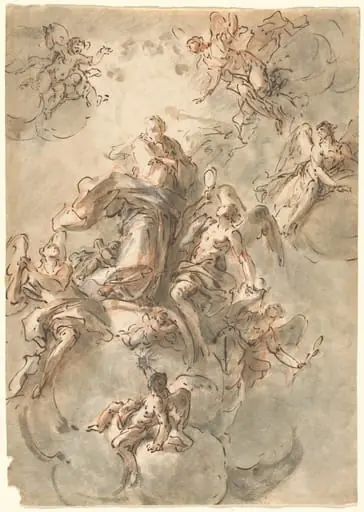 Virgin of the Immaculate Conception
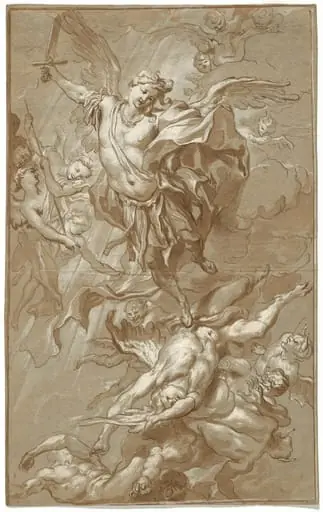 Saint Michael and the Rebel Angels
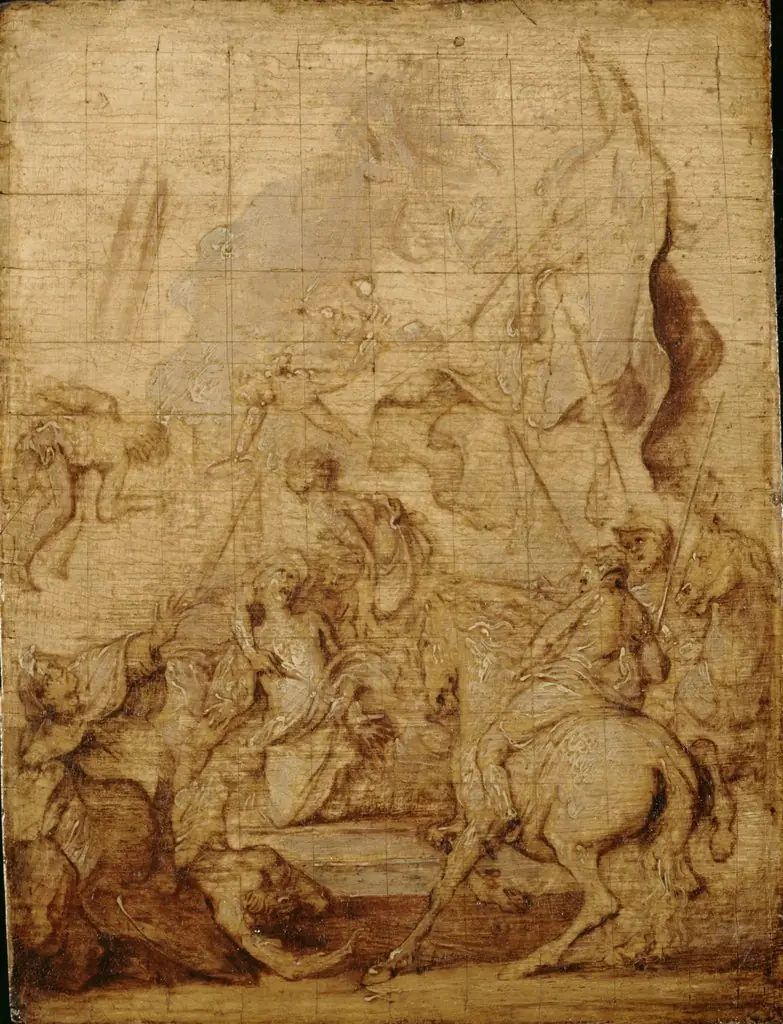 Martyrdom of St. George
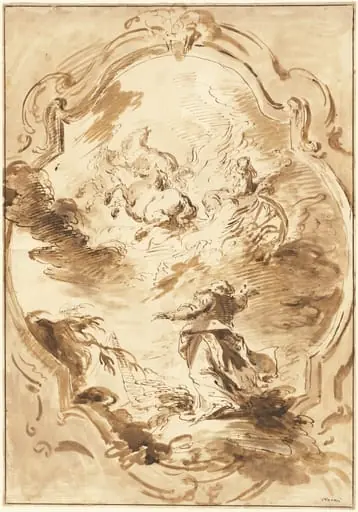 Elisha Watching Elijah Ascend in the Fiery Chariot
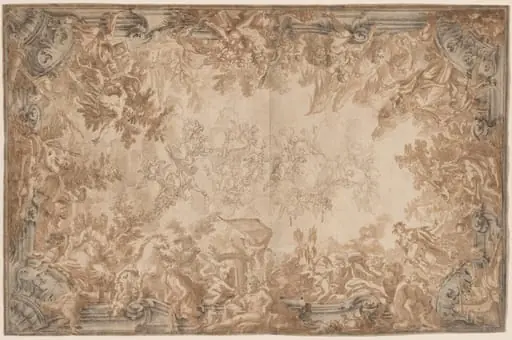 The Triumph of Empire, with the Four Continents
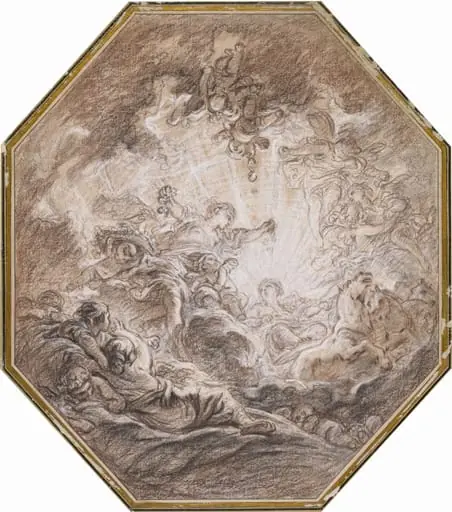 Aurora Heralding the Arrival of the Morning Sun
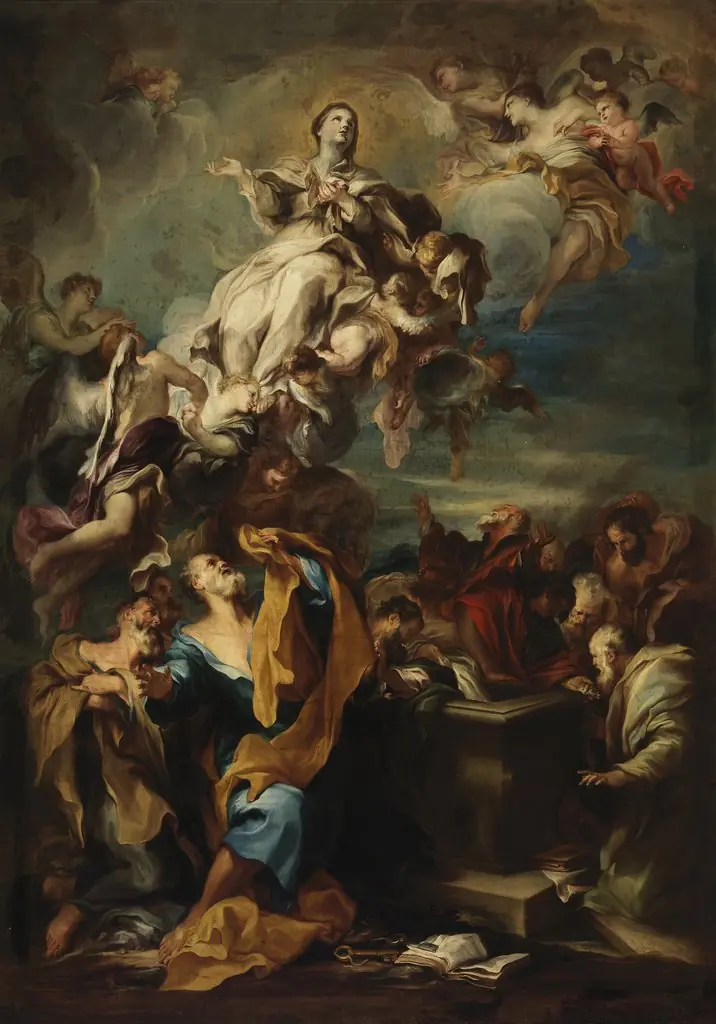 The Assumption of the Virgin
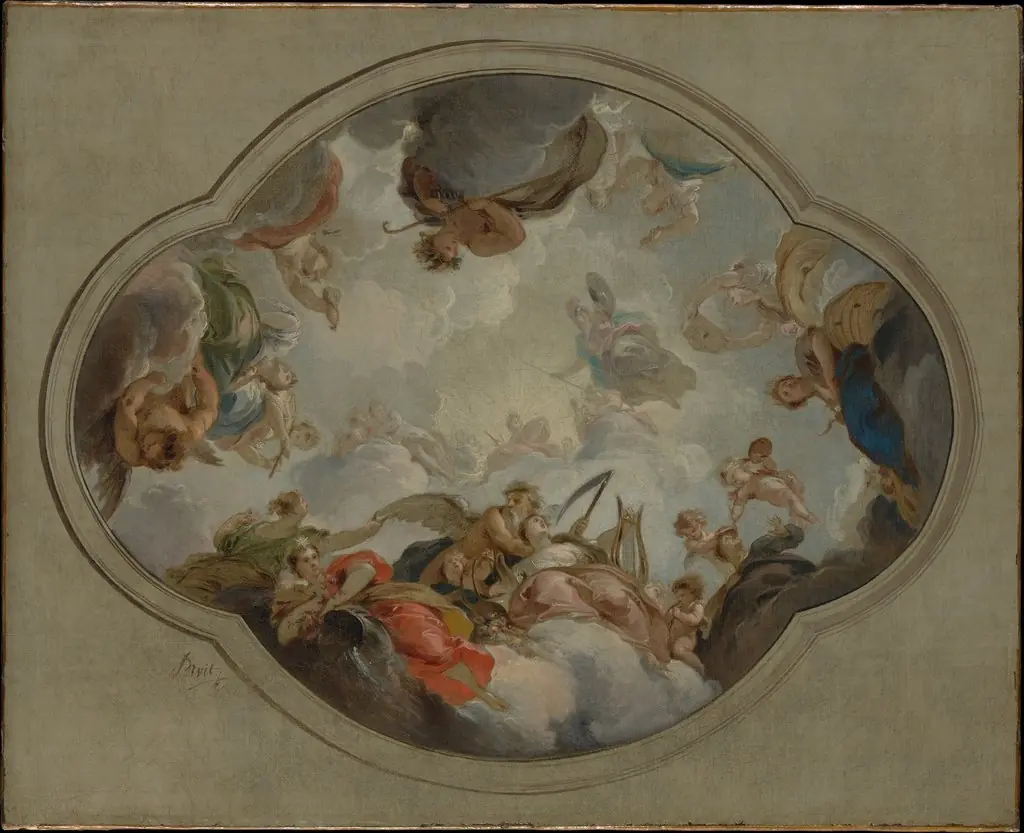 Allegory of the Arts