Artwork
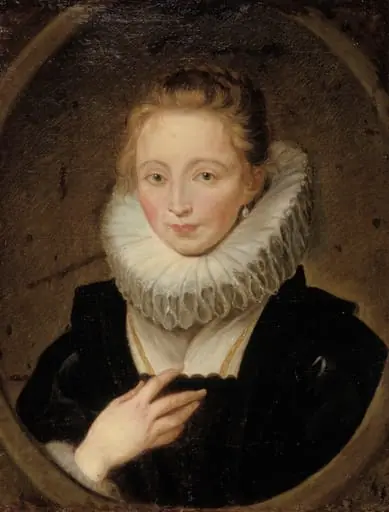
Portrait of Lady-in-Waiting to the Infanta Isabella
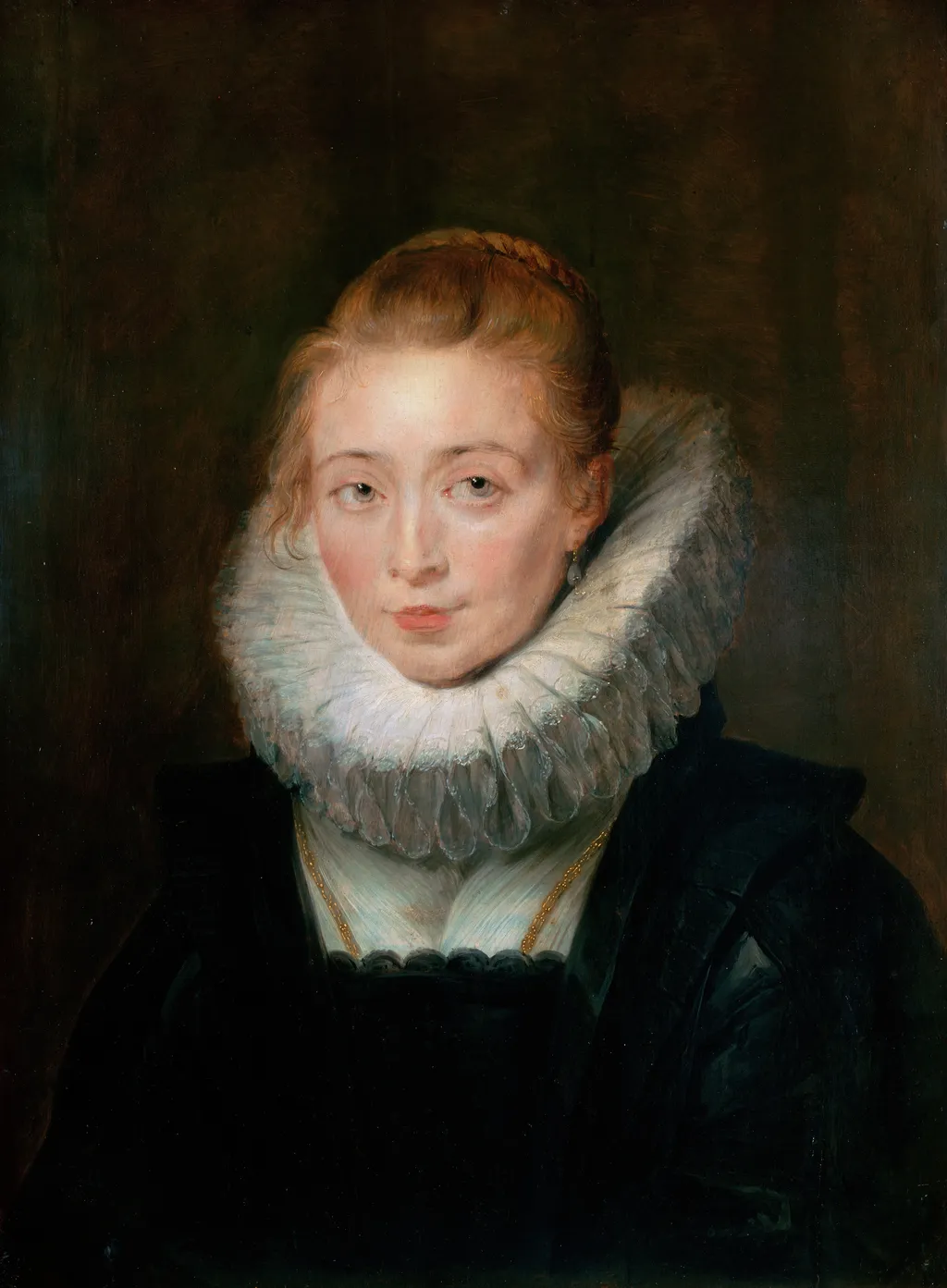
Portrait of Lady-in-Waiting to the Infanta Isabella is an oil painting by the Flemish Baroque painting artist Peter Paul Rubens. It dates from 1625 and is held in the collection of the Hermitage Museum. Created in 1625, this oil painting presents a young woman rendered in the Flemish Baroque idiom.
About this work
The artist's use of chiaroscuro, a technique that emphasizes contrasts between light and dark, adds depth and dimension to the portrait.
This portrait depicts a woman with a serious expression, her gaze directed at the viewer. She wears a dark dress with a white ruffled collar and a gold necklace. Her hair is styled in an updo, and she has a subtle smile. The background of the painting is dark, which helps to accentuate the subject's features.
The woman's attire and hairstyle suggest that the painting was created during the early 17th century. The artist's use of chiaroscuro, a technique that emphasizes contrasts between light and dark, adds depth and dimension to the portrait.
If you're interested in learning more about the artist behind this painting, you might want to look up Peter Paul Rubens.
Overview
Created in 1625, this oil painting presents a young woman rendered in the Flemish Baroque idiom. The work is attributed to Sir Peter Paul Rubens, a prominent painter and diplomat of the early seventeenth century. It currently belongs to the collection of the State Hermitage Museum in Saint Petersburg.
Subject & Meaning
The sitter is identified as Clara Serena Rubens, the artist’s daughter, portrayed with a composed expression and a direct gaze toward the viewer. Her attire—a dark dress trimmed with a white ruffled collar and a gold necklace—combined with a modest smile, conveys both personal intimacy and the decorum expected of a lady-in-waiting to the Infanta Isabella.
Technique & Style
Rubens employs a pronounced chiaroscuro, using deep shadows behind the figure to heighten the illumination on her face, hands, and jewelry. The brushwork is fluid yet controlled, characteristic of his dynamic Baroque approach, while the muted palette and careful modeling give the portrait a three‑dimensional presence.
History & Provenance
The painting remained in private hands before entering the State Hermitage Museum’s holdings, where it has been displayed as part of the museum’s Flemish Baroque collection. Documentation traces its acquisition to the early twentieth century, confirming its attribution to Rubens and its dating to the mid‑1620s.
Context
During the early 1600s, portraiture served both familial and courtly functions, often reinforcing social status. Rubens, active as a diplomat, frequently painted members of the Spanish Habsburg court, and this work reflects the cross‑cultural ties between Flanders and the Spanish Netherlands, illustrating contemporary fashions in dress and hairstyle.
Own this work as a print
Artist & collection
Artist
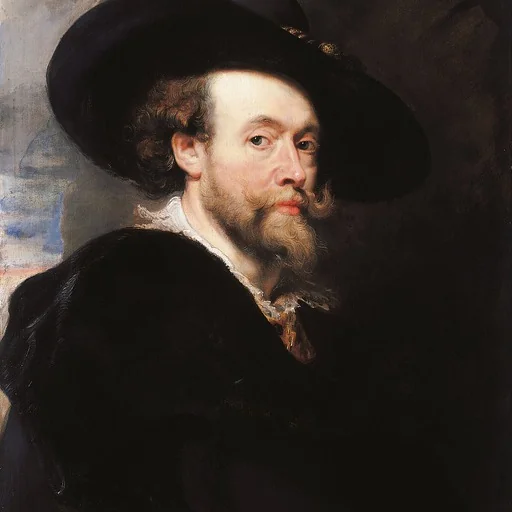
Sir Peter Paul Rubens ( ROO-bənz; Dutch: ; 28 June 1577 – 30 May 1640) was a Flemish artist and diplomat.

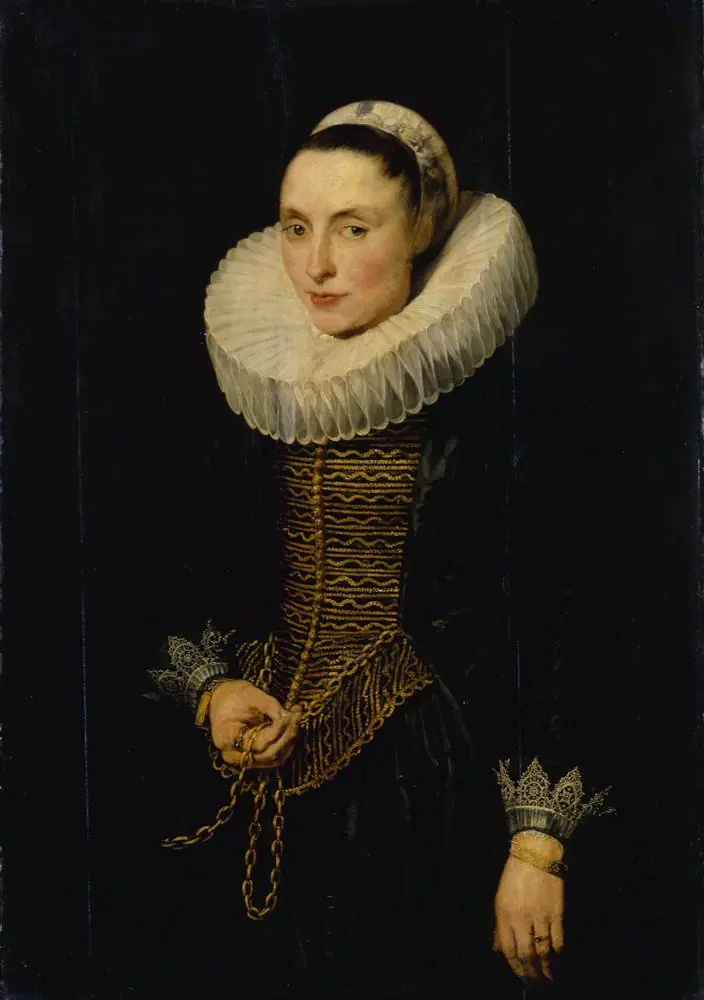 Portrait of a Lady
 Ärkehertiginna Isabellas kammarjungfru
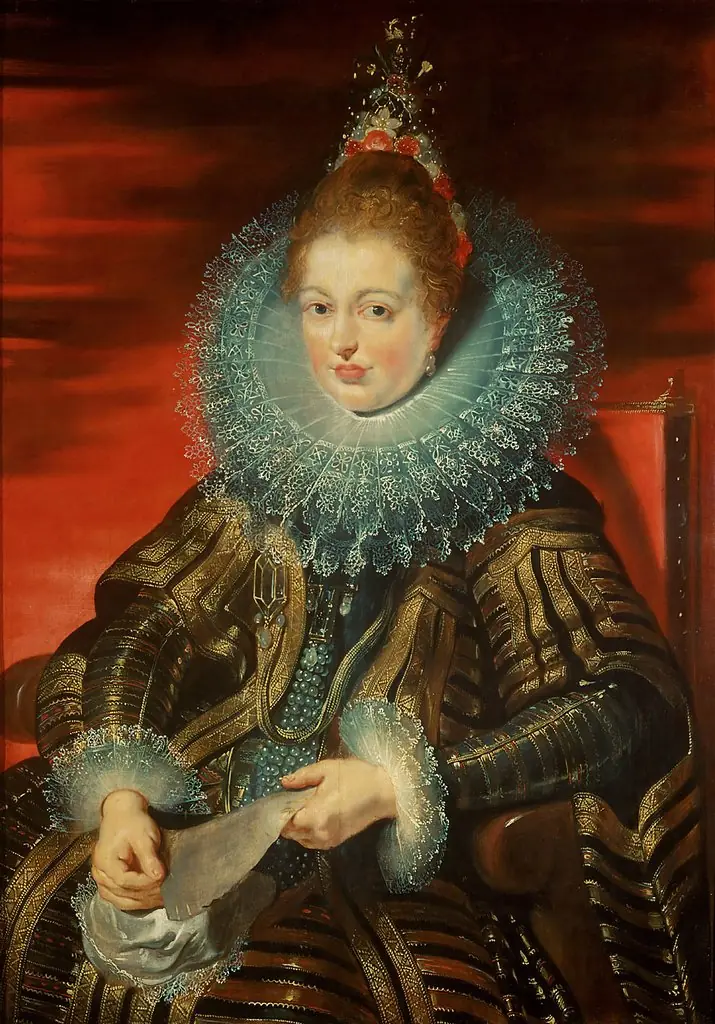 Isabella Clara Eugenia, wife of Albrecht VII
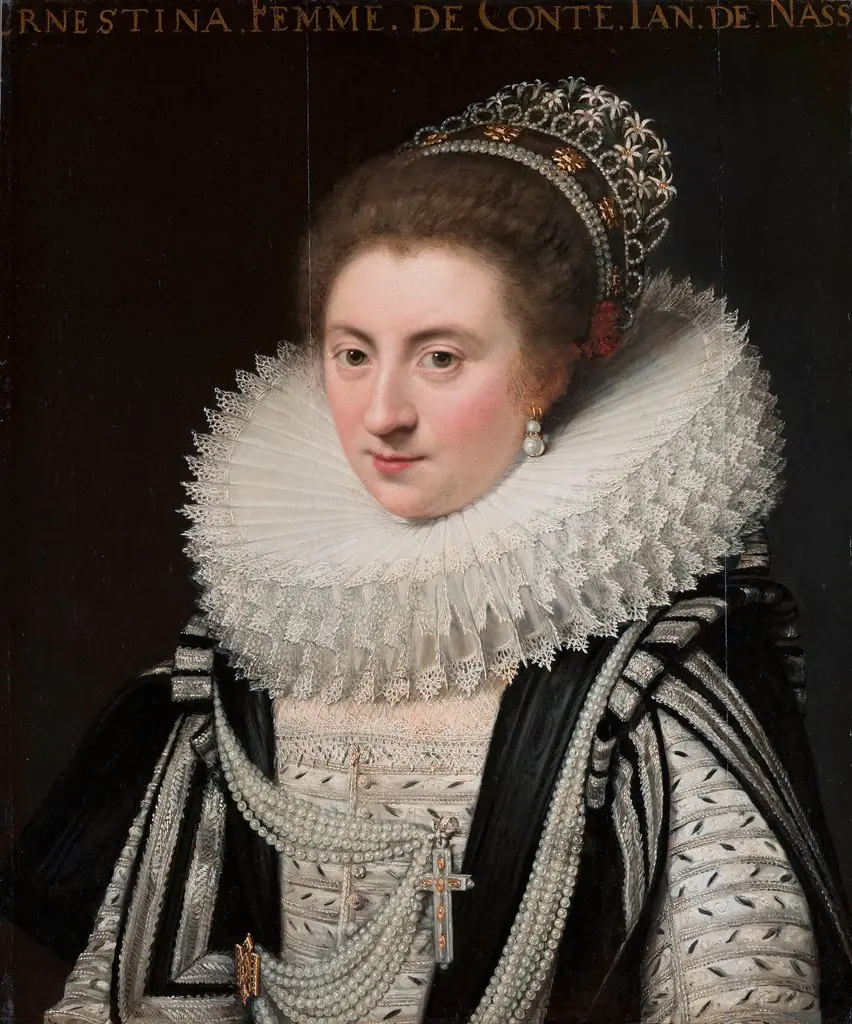 Portrait of Ernestine Yolande (1594-1663), Princess of Ligne
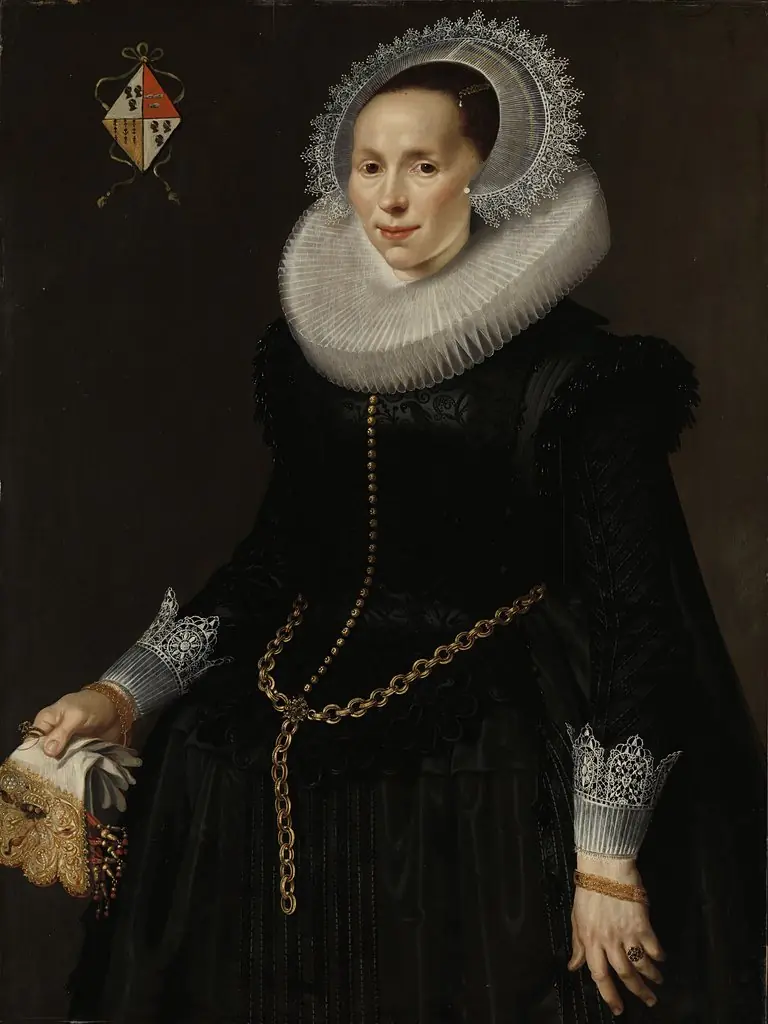 Portrait of Johanna Le Maire (c. 1601-60)
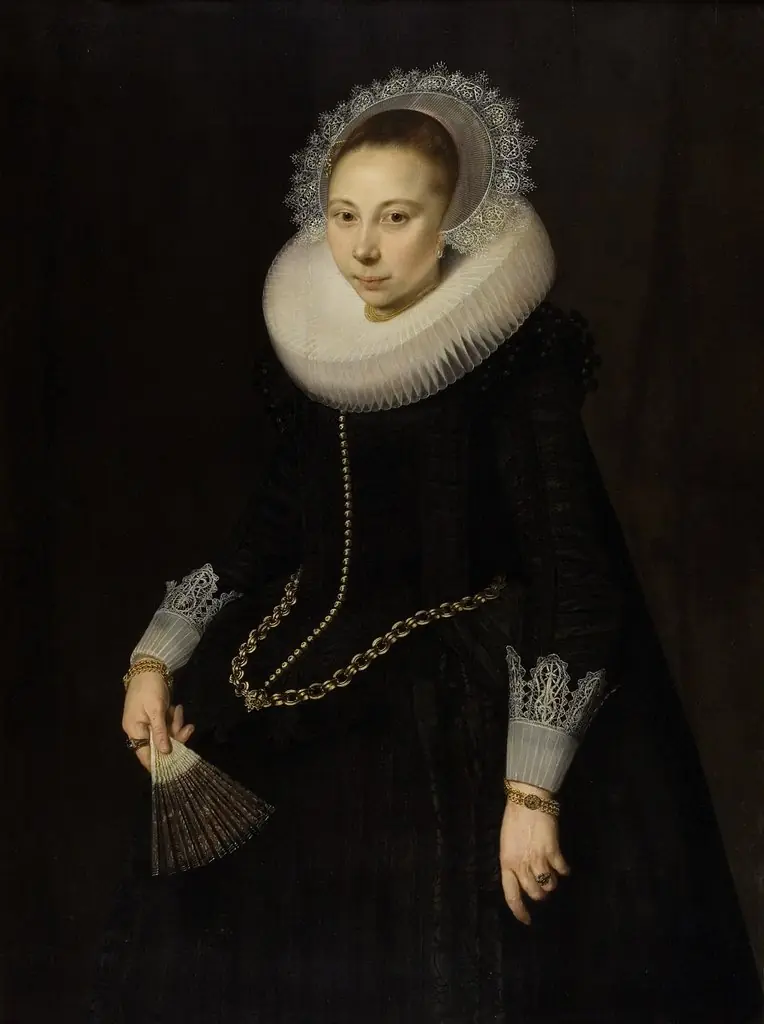 Portrait of Maria Overrijn van Schoterbosch (1599/1600-1638)
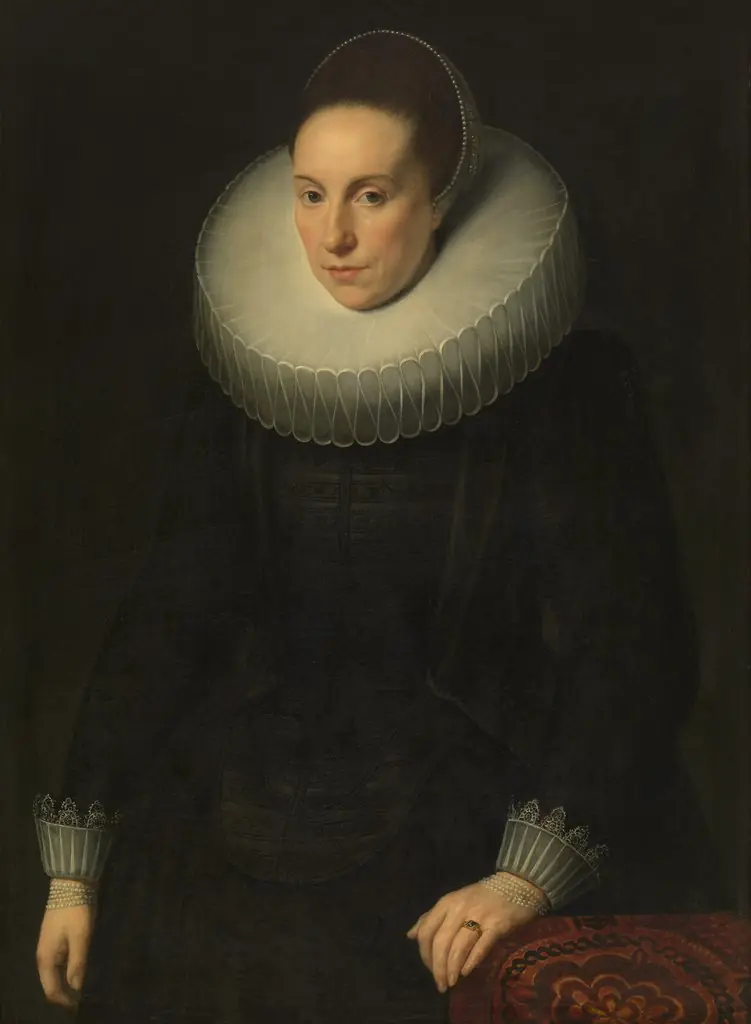 Portret van een vrouw
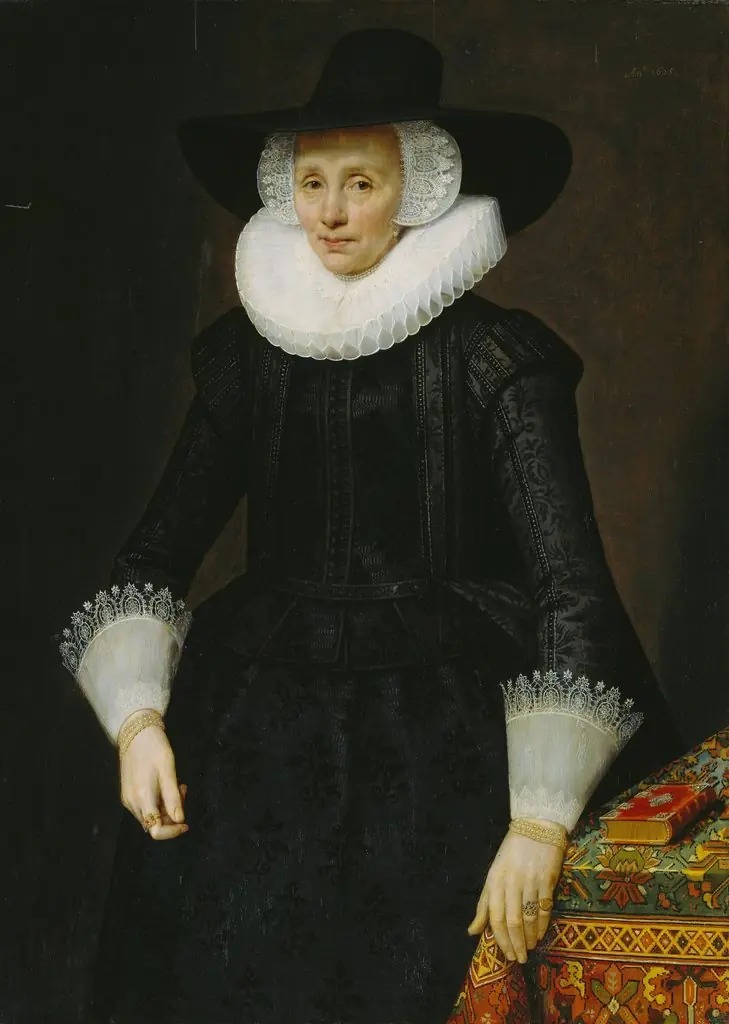 Portrait of Margarita Courten (1564-1640)
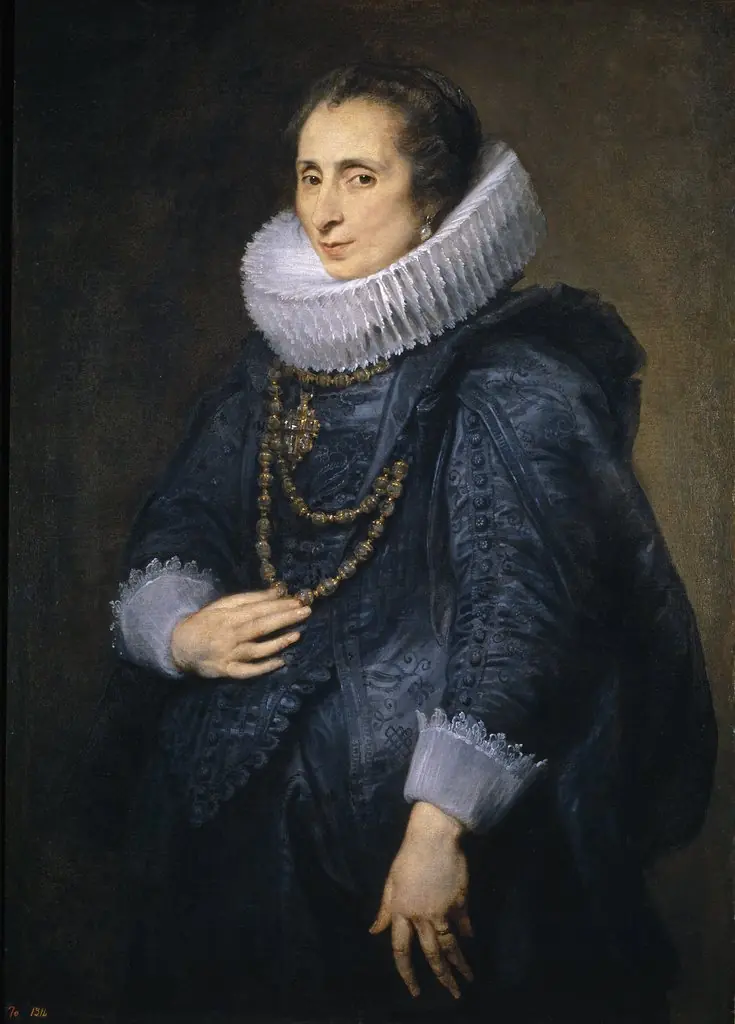 Unknown Lady
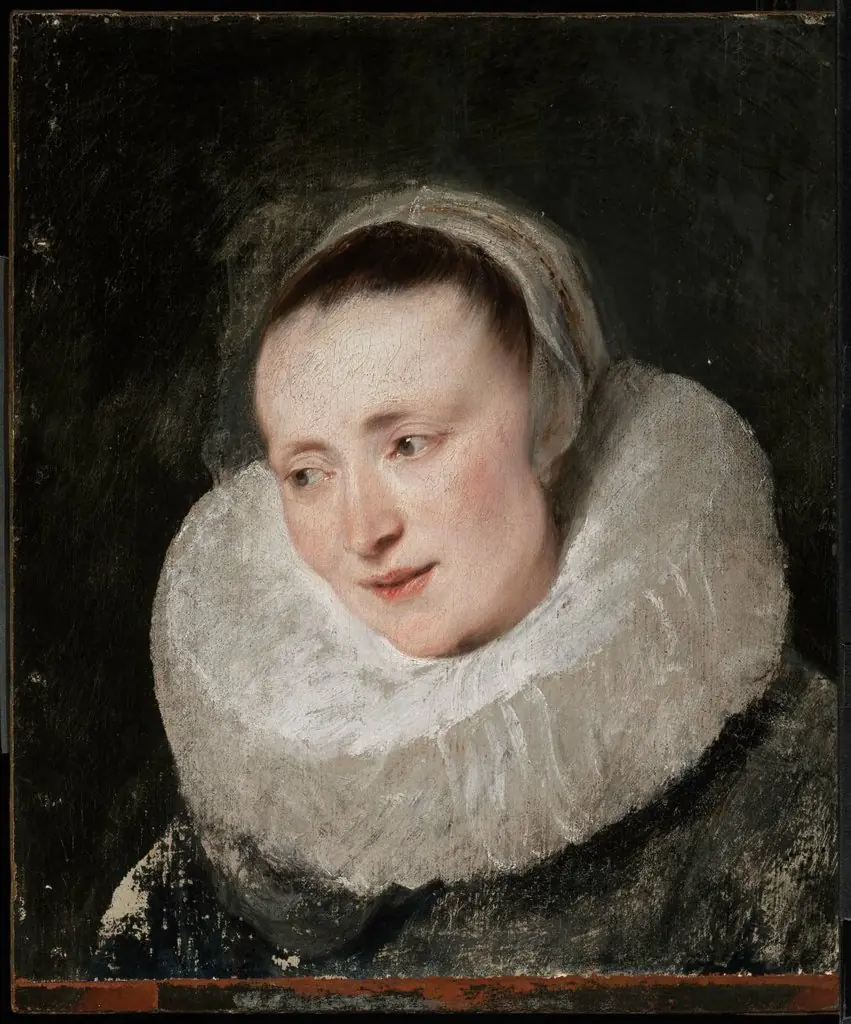 Margareta Snyders (Born de Vos)
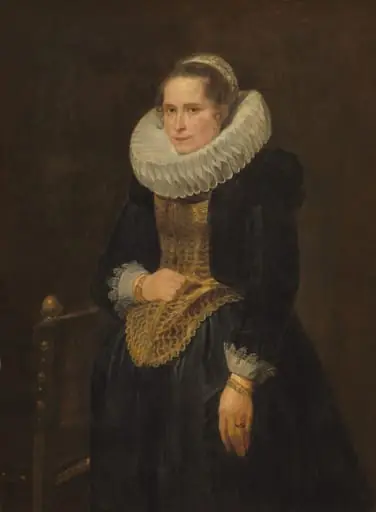 Portrait of a Flemish Lady
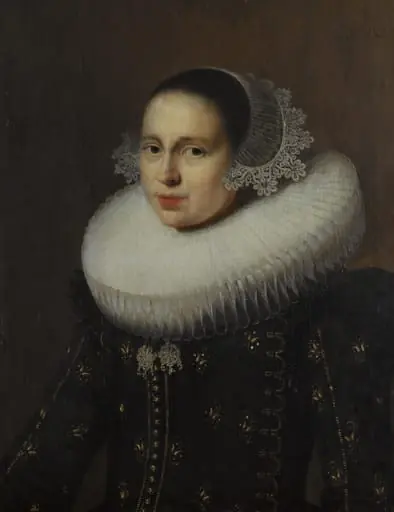 Portrait of Hendrickje Uylenburgh (1600-c. 1682)