Artwork
Rast der Diana nach der Jagd (Werkstatt) und Peter Paul Rubens
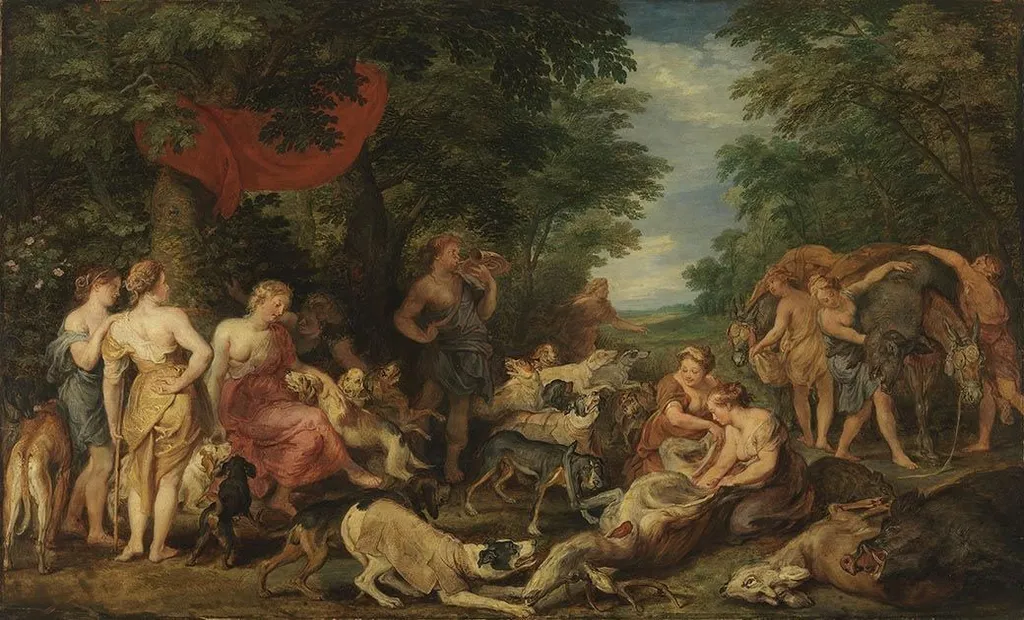
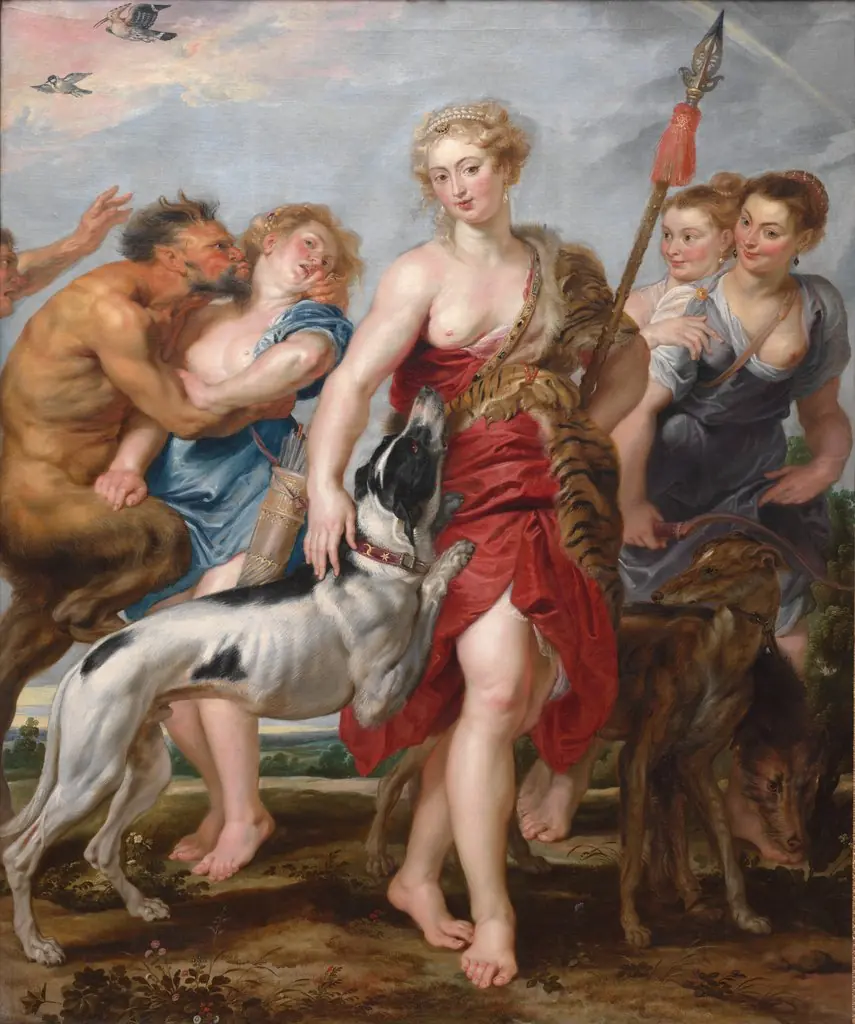
Rast der Diana nach der Jagd (Werkstatt) und Peter Paul Rubens is an unspecified painting by the Flemish Baroque painting artist Peter Paul Rubens. It dates from 1618 and is held in the collection of the Bavarian State Painting Collections.
About this work
Overview
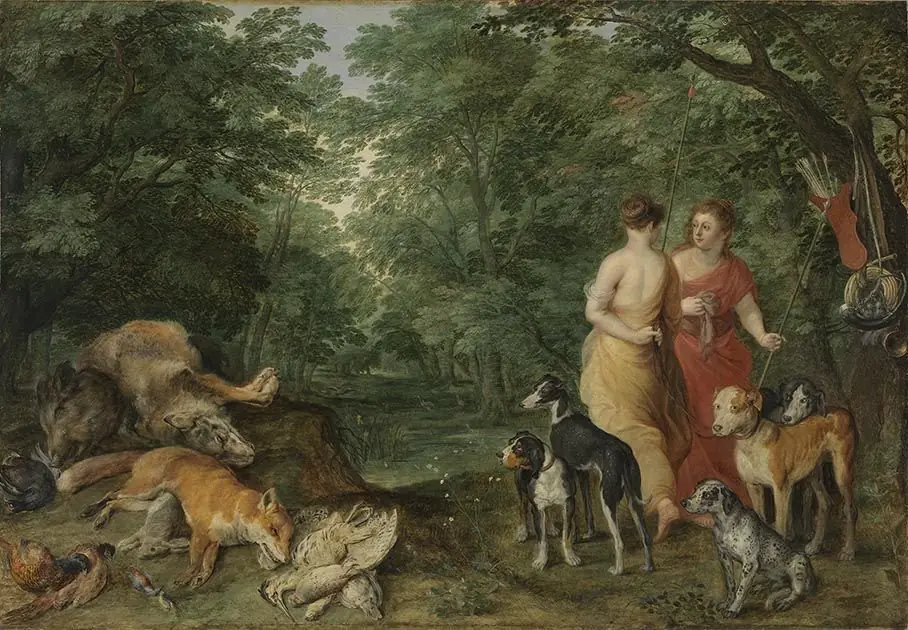
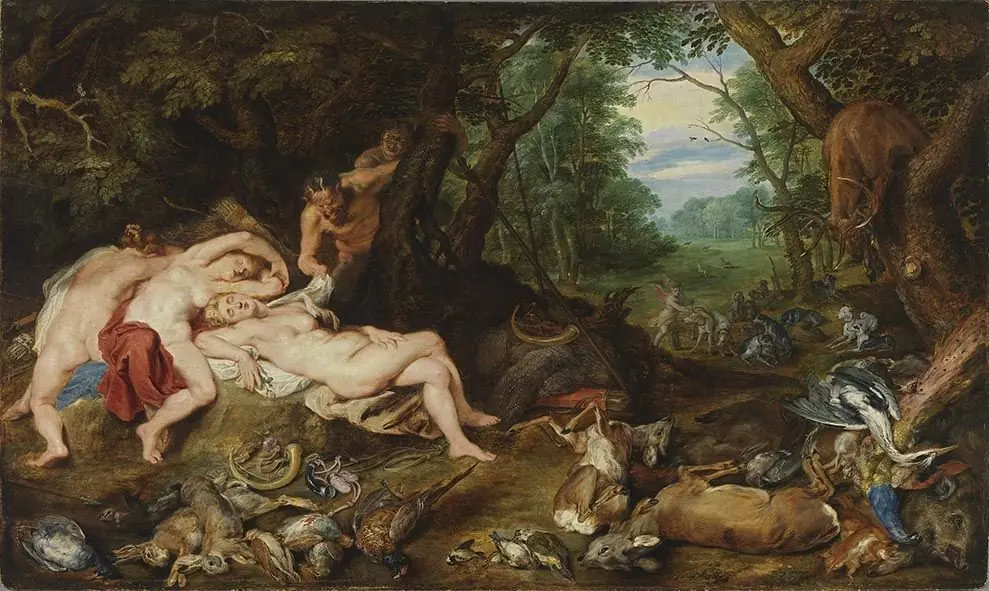
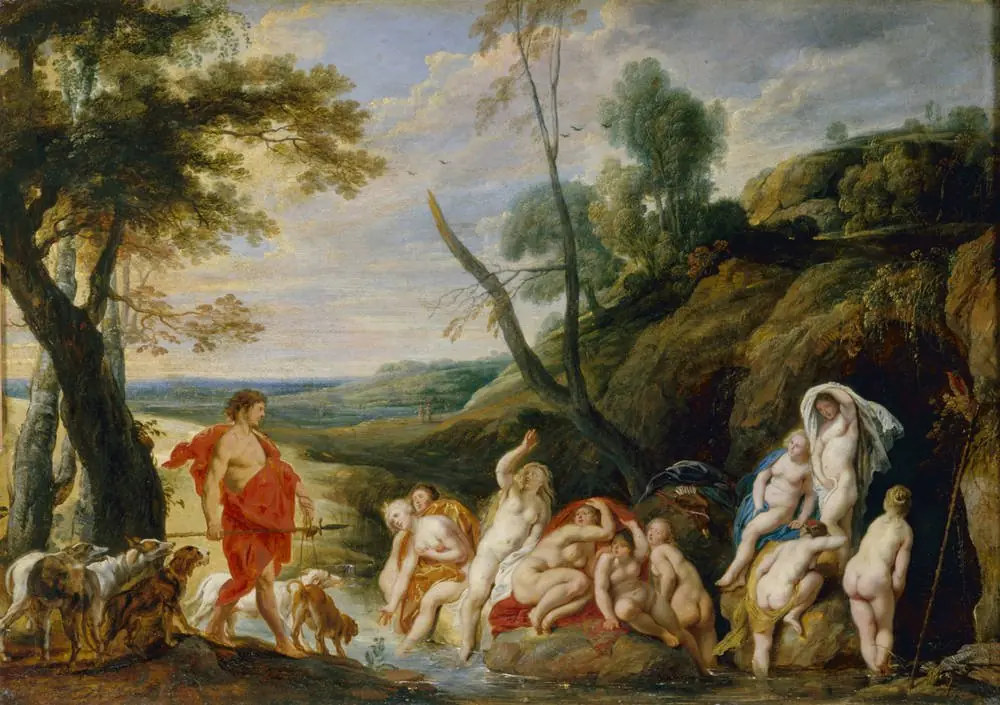
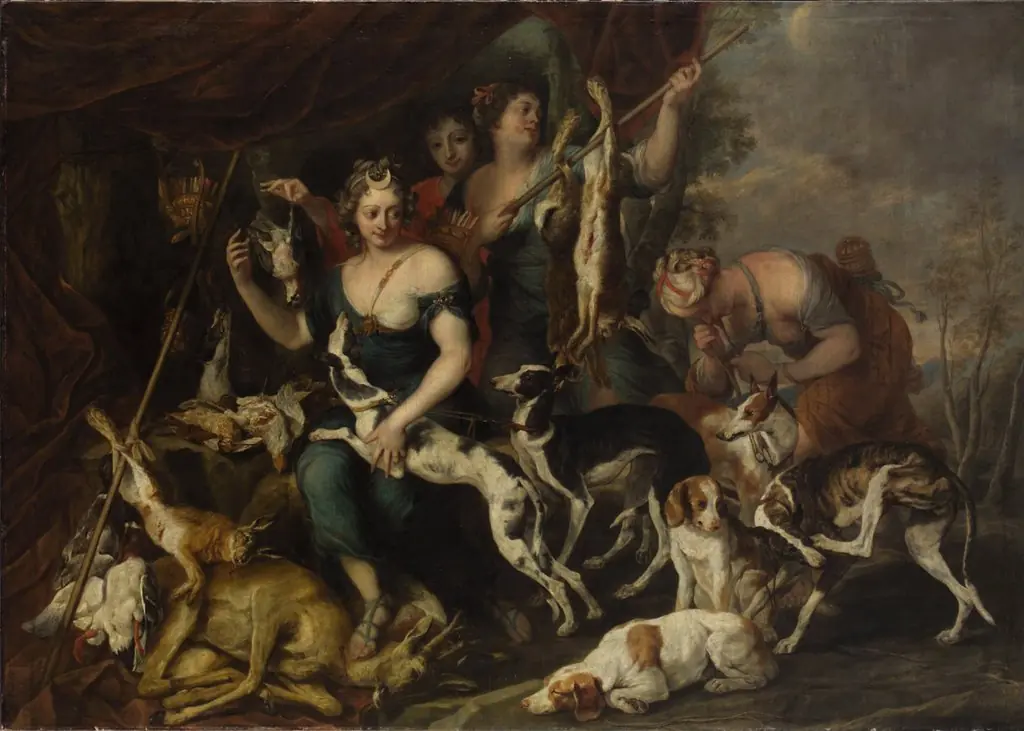
Created around 1618, *Rast der Diana nach der Jagd (Werkstatt)* is a Flemish Baroque canvas attributed to the workshop of Peter Paul Rubens.
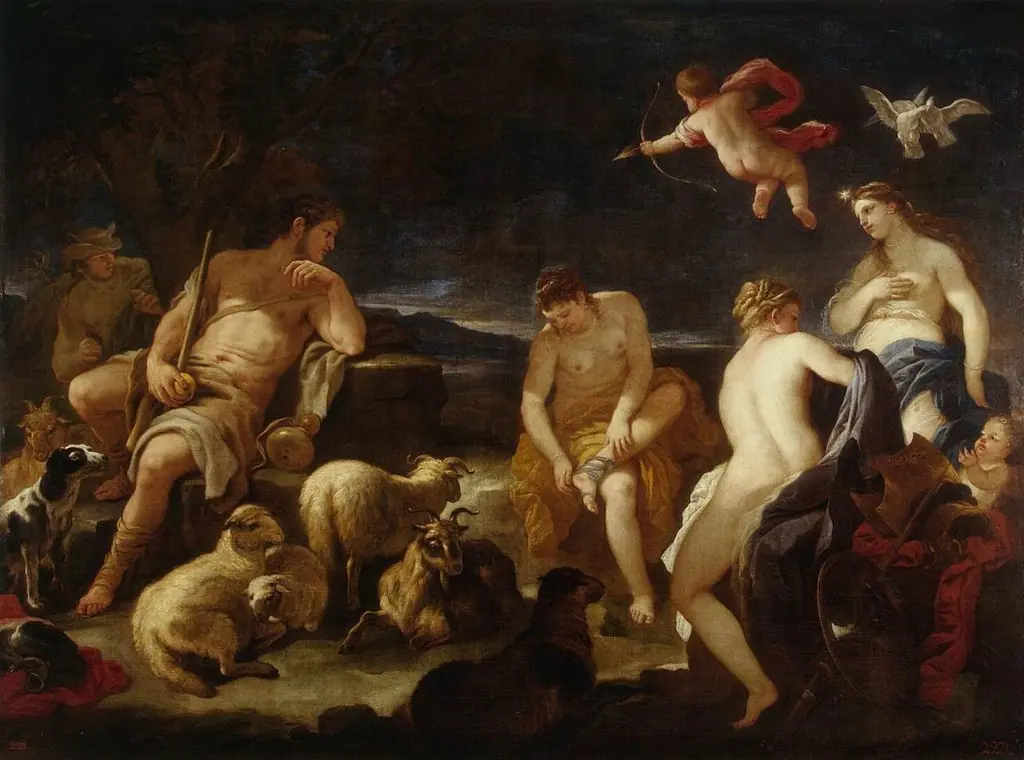
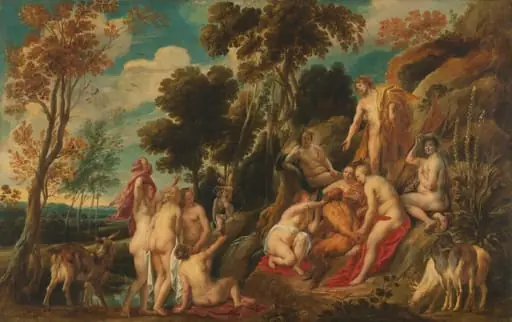
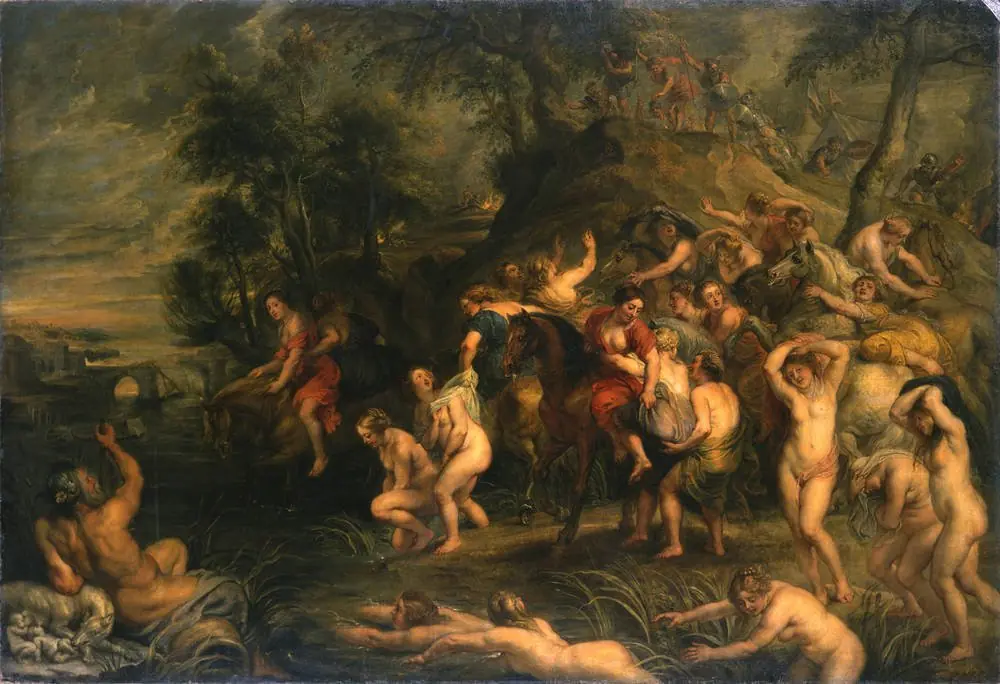
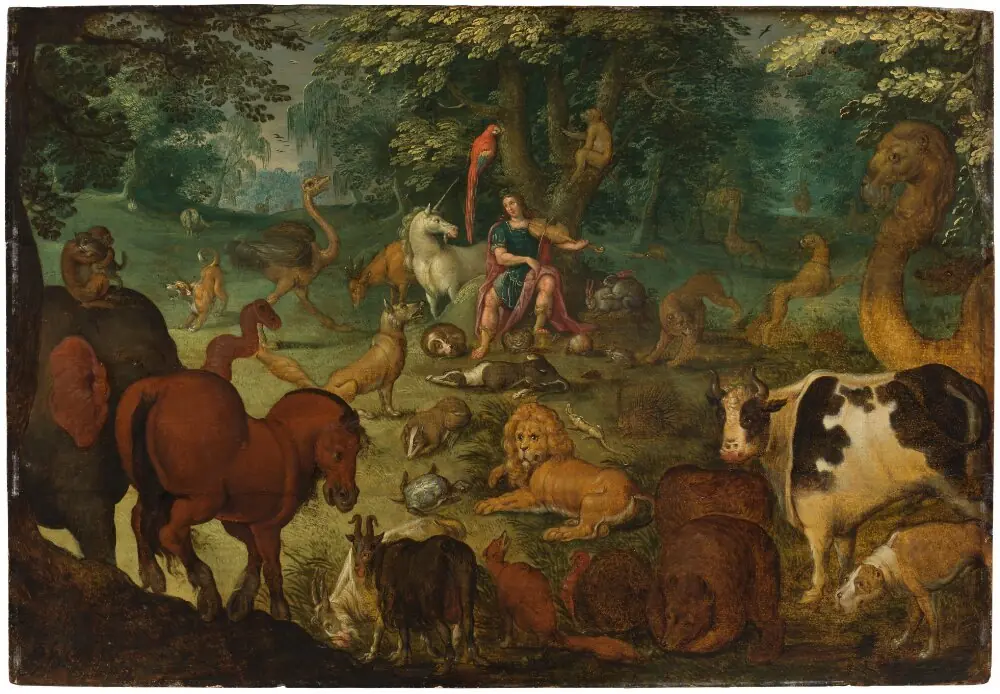
Created around 1618, *Rast der Diana nach der Jagd (Werkstatt)* is a Flemish Baroque canvas attributed to the workshop of Peter Paul Rubens. The composition captures a moment after a hunt, presenting a forest clearing populated by semi‑nude figures—men, women, and children—intermixed with animals and dogs. Warm earth tones dominate, while a stormy sky and a prominent tree draped in red provide a dramatic backdrop.
Subject & Meaning
The scene illustrates the mythological goddess Diana returning from the chase, a popular theme in 17th‑century art that linked classical narratives with contemporary moral ideas. By placing the deity among ordinary, partially clothed figures, Rubens emphasizes the interplay between the divine and the rustic, suggesting a celebration of nature’s bounty and the virtues associated with the hunt.
Technique & Style
Rubens’ workshop employs a vigorous chiaroscuro, using strong contrasts of light and shadow to model the bodies and separate them from the dense foliage. The brushwork is fluid, especially in the rendering of flesh and animal fur, while the palette of reds, browns, and greens reinforces the earthy atmosphere. The composition’s dynamism reflects the Baroque preference for movement and emotional intensity.
History & Provenance
The painting is a studio version, likely executed under Rubens’ supervision rather than by his hand alone, a common practice for large mythological commissions of the period. It remained in private collections throughout the 17th and 18th centuries before entering a museum inventory in the early 20th century, where it has been catalogued as part of Rubens’ broader mythological oeuvre.
Artist & collection
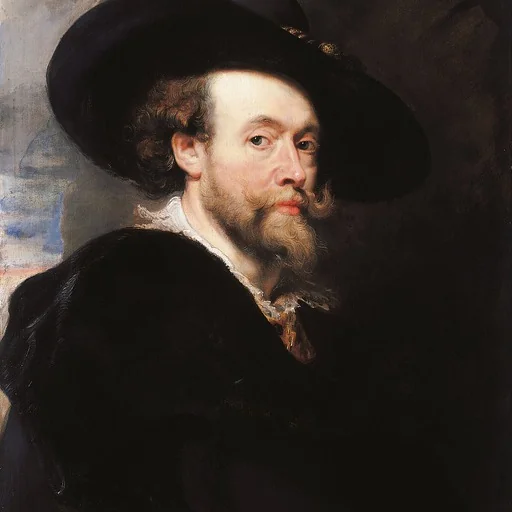
Artist
Sir Peter Paul Rubens ( ROO-bənz; Dutch: ; 28 June 1577 – 30 May 1640) was a Flemish artist and diplomat.