Artwork
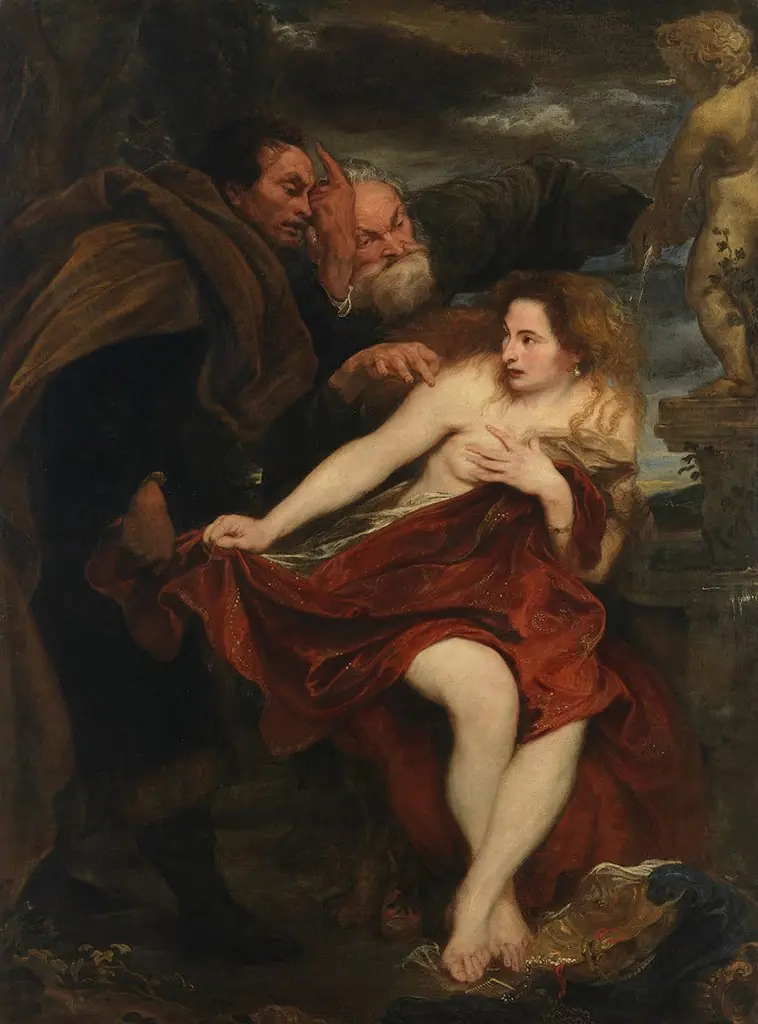
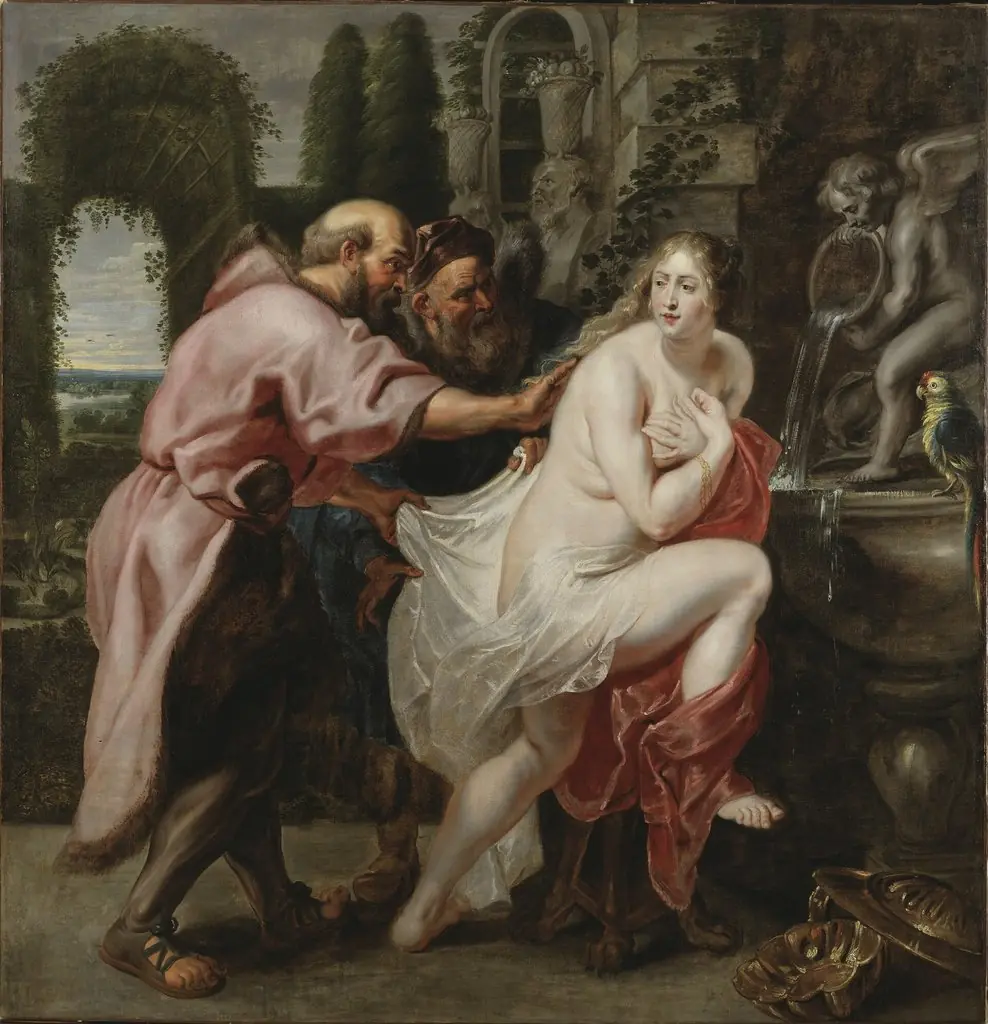
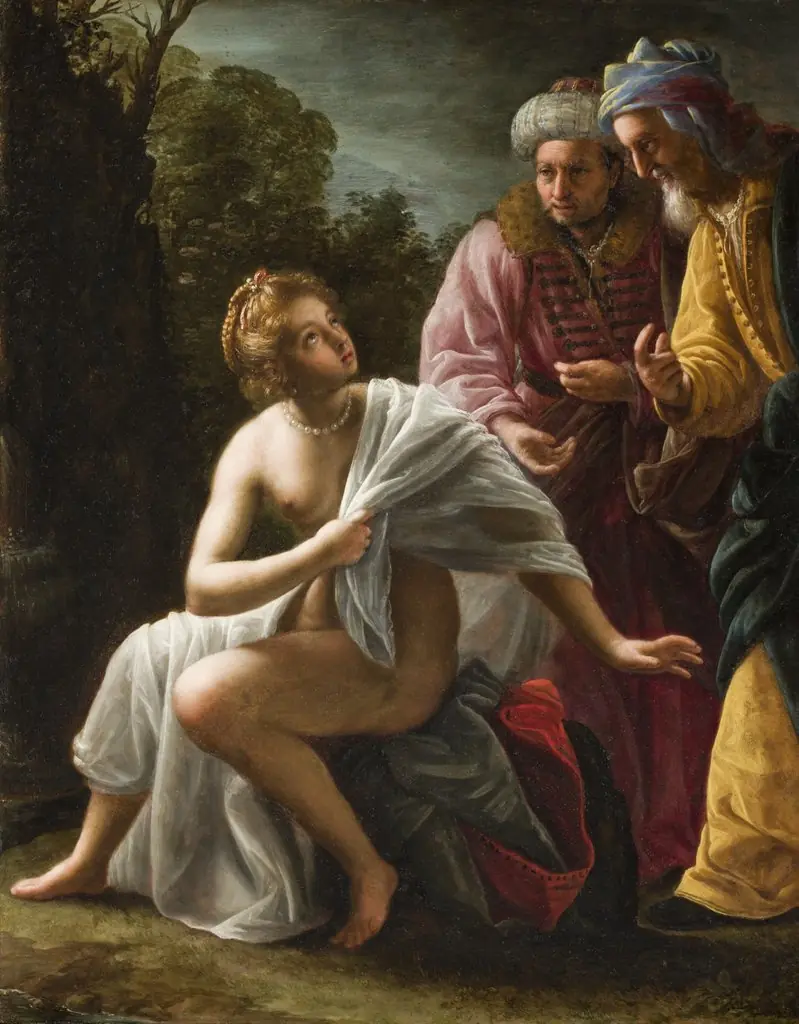
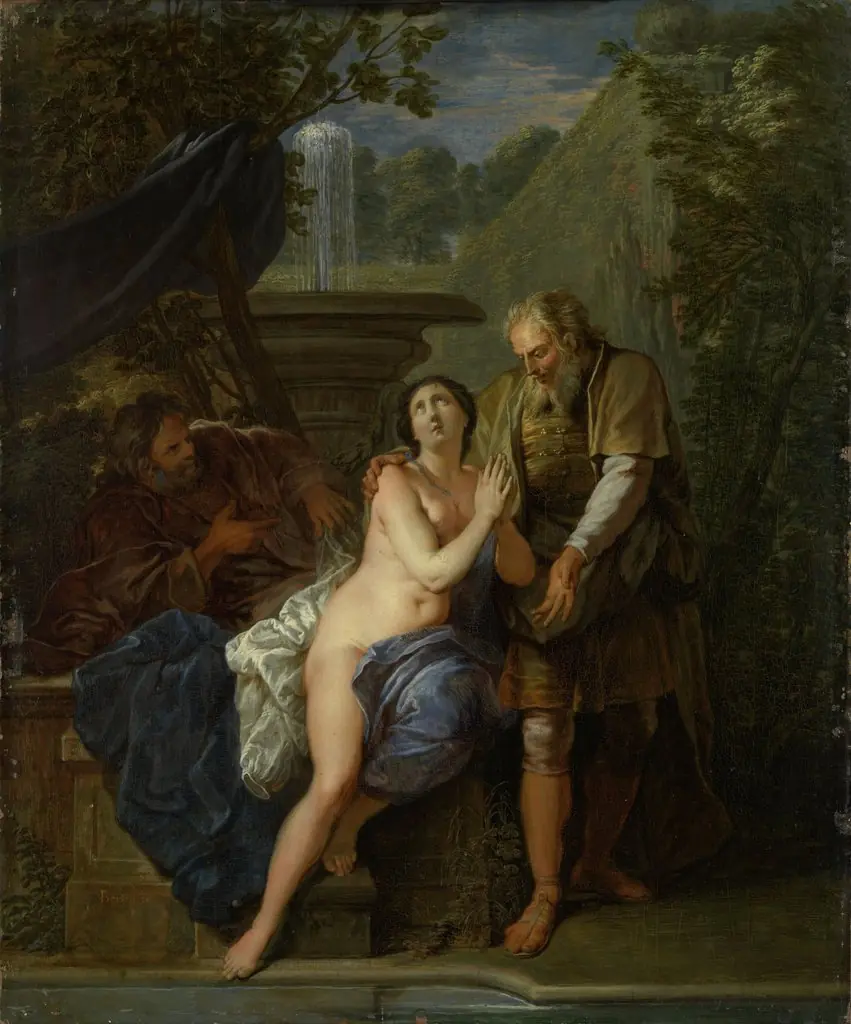
Susanna and the Elders
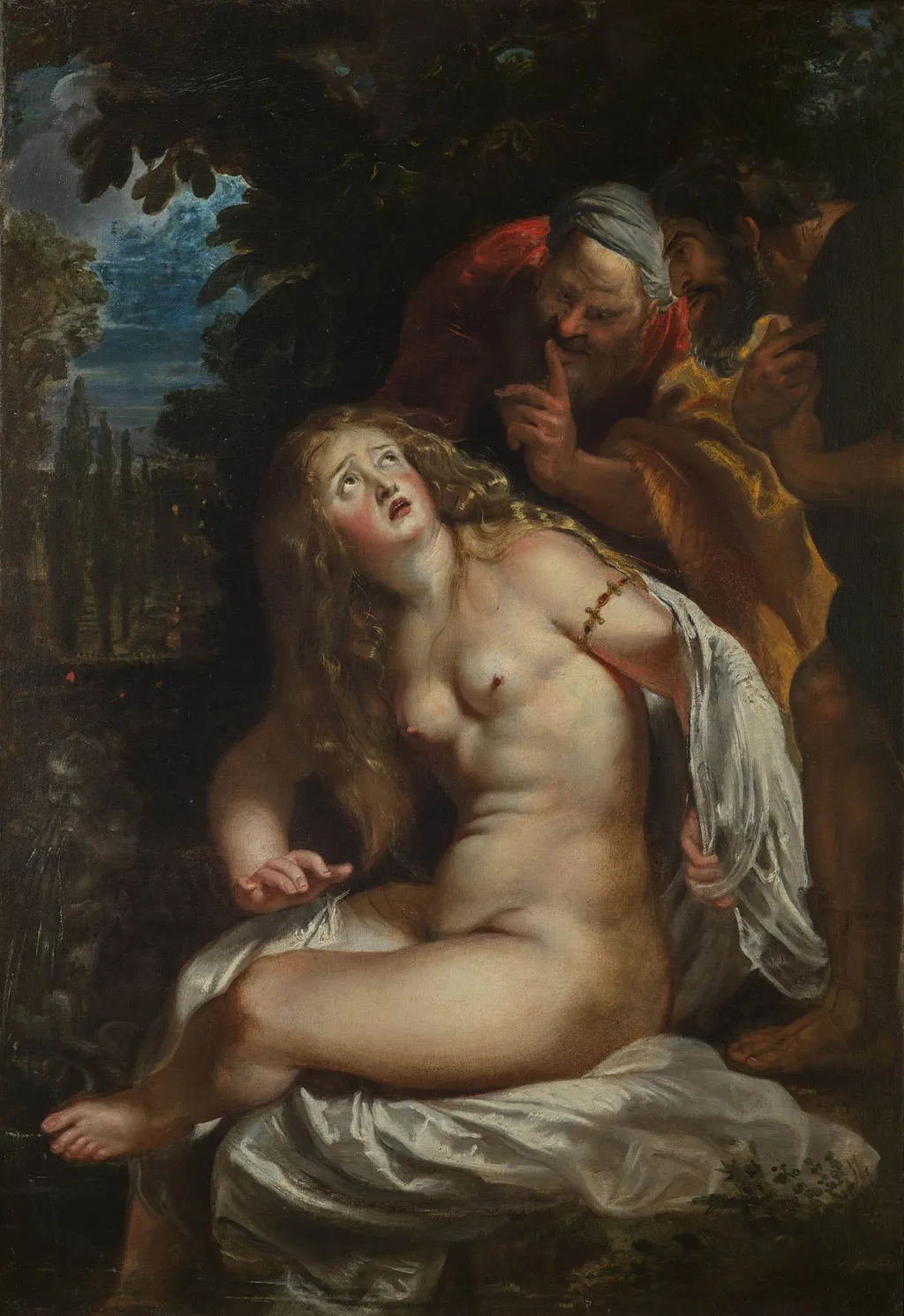
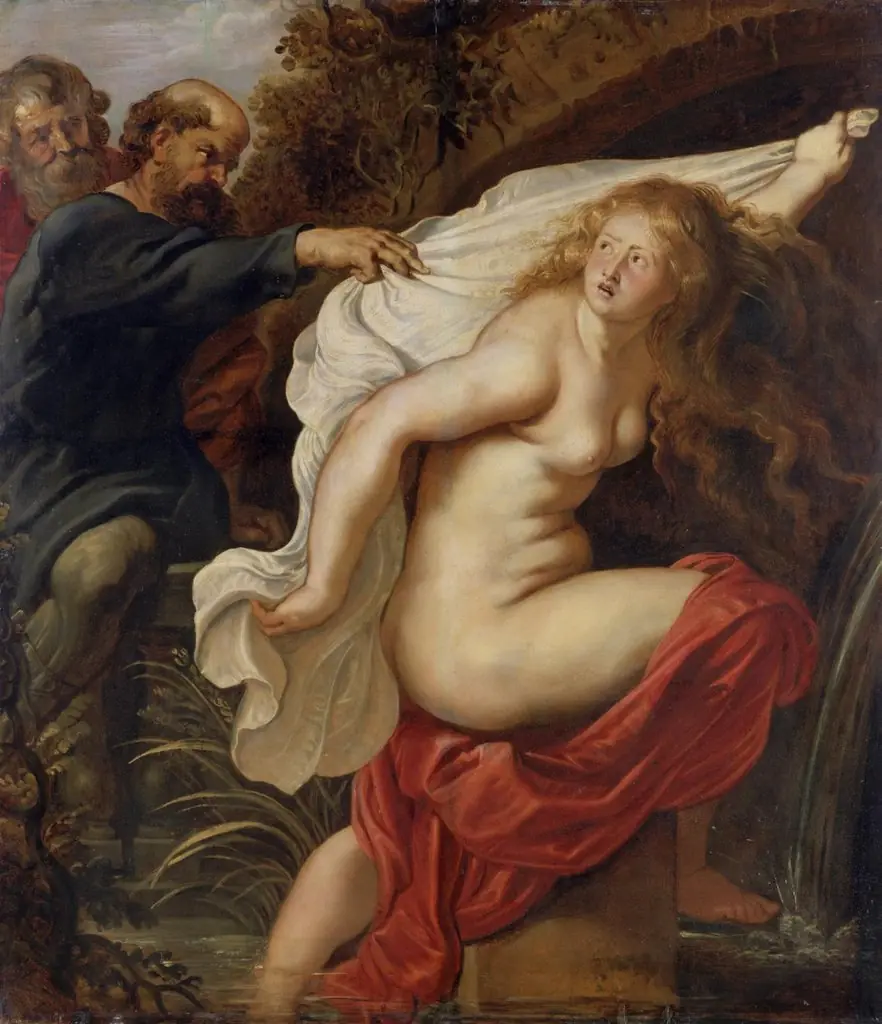
Susanna and the Elders is an oil painting by the Flemish Baroque painting artist Peter Paul Rubens. It dates from 1606 and is held in the collection of the Borghese Collection.
About this work
Overview
Painted in 1607 during Peter Paul Rubens’s second visit to Rome, this oil on canvas depicts the biblical story of Susanna and the Elders.
Painted in 1607 during Peter Paul Rubens’s second visit to Rome, this oil on canvas depicts the biblical story of Susanna and the Elders. It is among the earliest known treatments of the subject by the artist and remains in the Galleria Borghese in Rome, where it has been documented since at least the mid-1600s. The work reflects Rubens’s engagement with classical themes and emerging Baroque sensibilities during his formative years in Italy.
Subject & Meaning
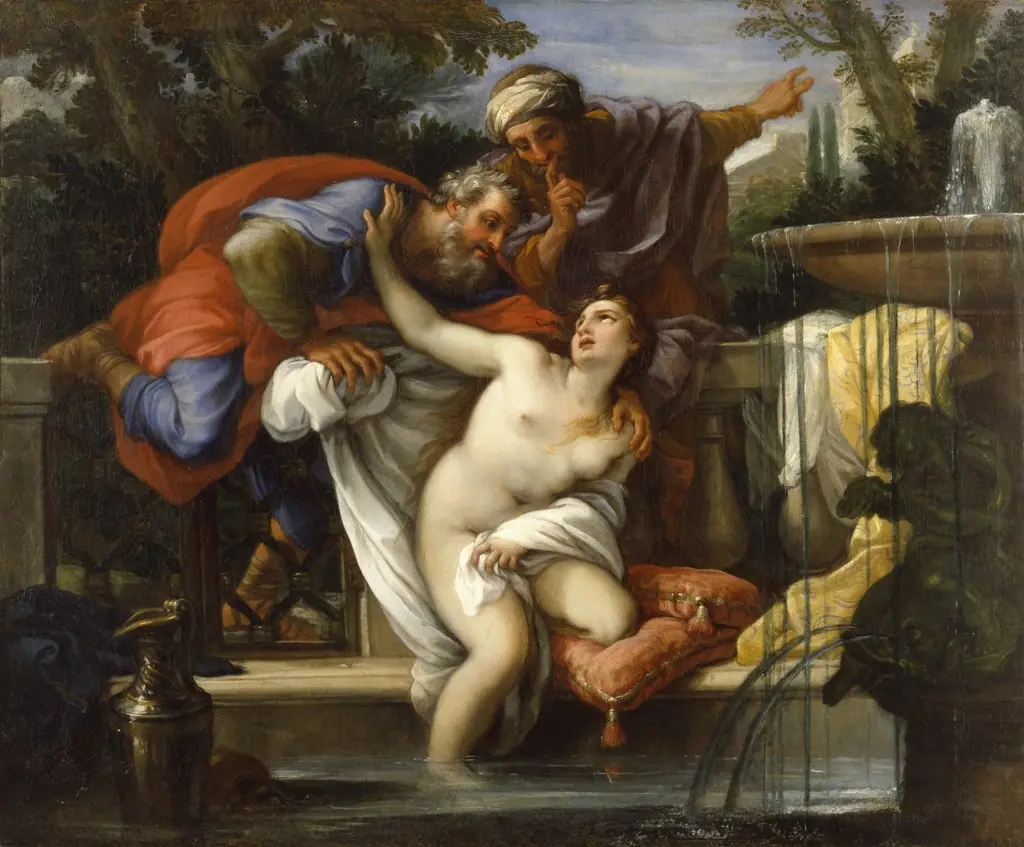
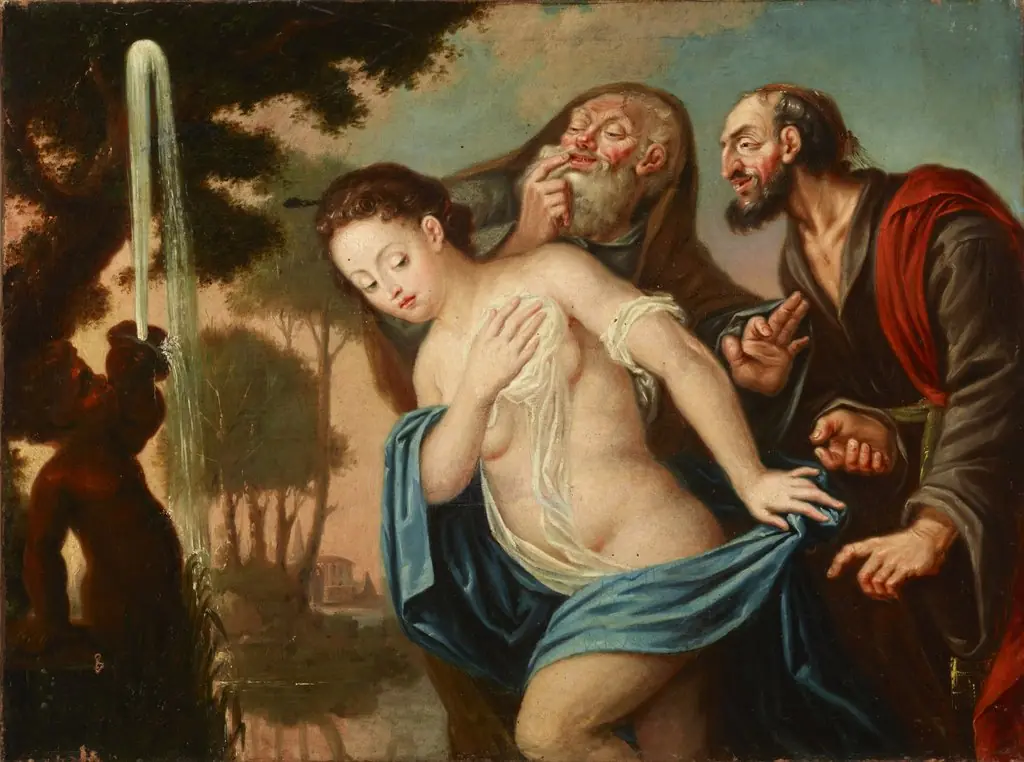
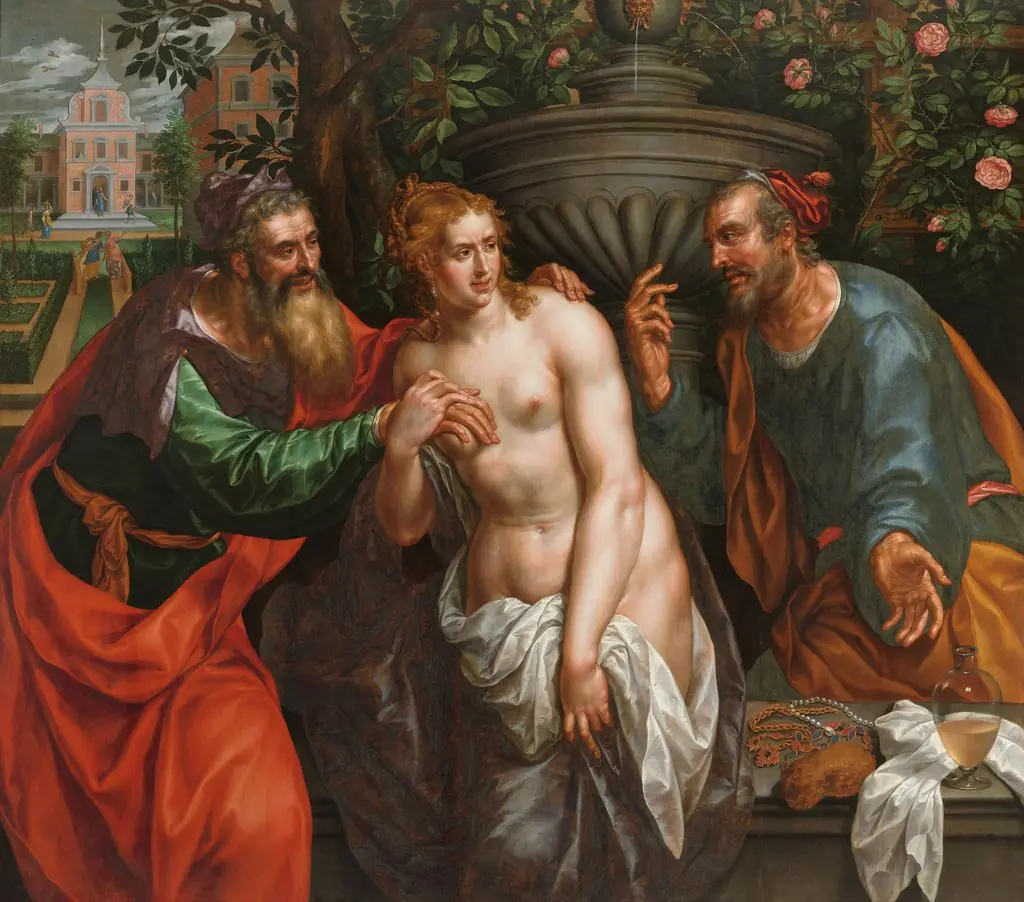
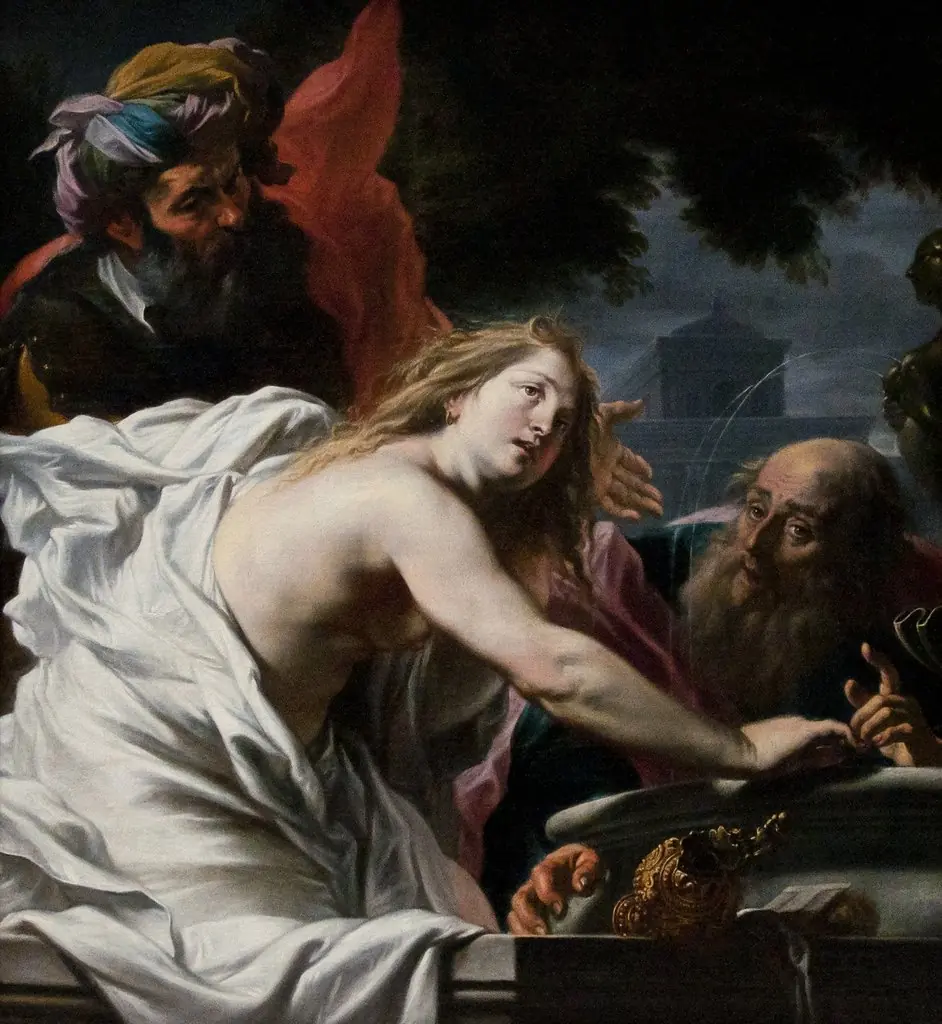
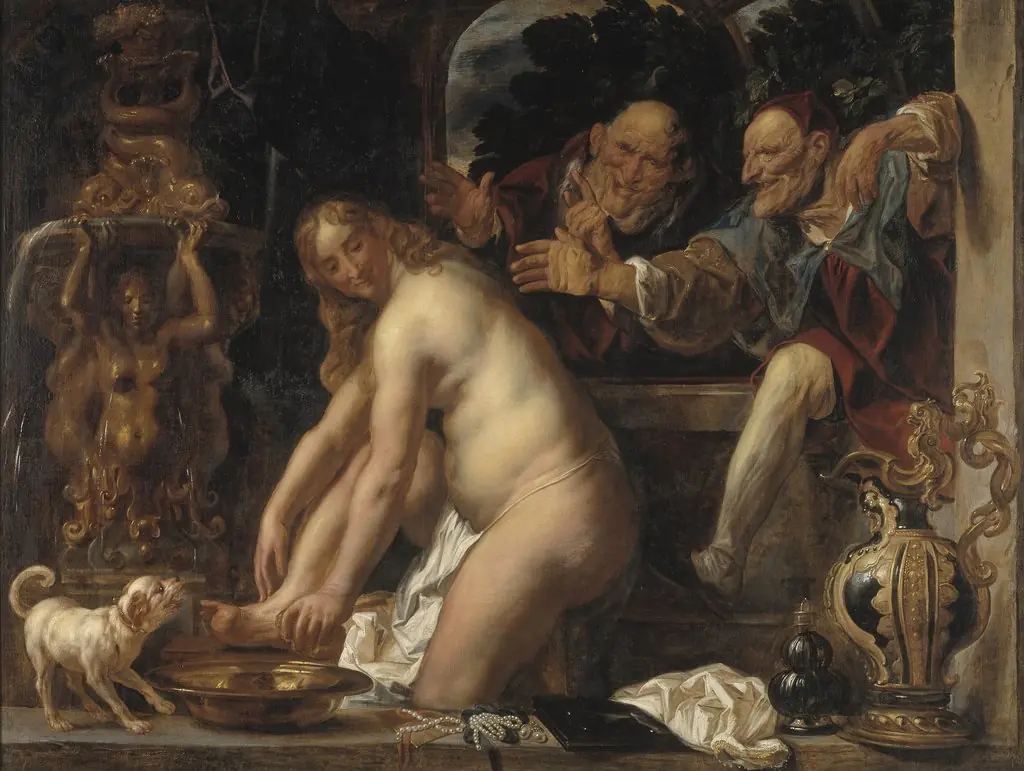
The scene illustrates Susanna, a virtuous woman from the Book of Daniel, being harassed by two elderly men while bathing in her garden. Her raised arms convey resistance and vulnerability, contrasting with the elders’ looming, intrusive postures. The narrative underscores themes of moral integrity under pressure and the abuse of power, common in Counter-Reformation art as moral allegories for spiritual purity.
Technique & Style
Rubens employs bold, fluid brushwork and dramatic chiaroscuro to heighten emotional tension. Light falls sharply across Susanna’s figure, isolating her from the shadowed figures of the elders and the dense foliage behind them. The rich textures of skin, fabric, and foliage are rendered with energetic strokes, revealing his study of Titian and Michelangelo. The composition’s diagonal energy draws the viewer into the moment of confrontation.
History & Provenance
The painting entered the Borghese collection by the mid-17th century, likely acquired during Cardinal Scipione Borghese’s active patronage of Baroque art. Rubens revisited the subject multiple times, producing at least three other autograph versions and several workshop copies. The 1607 version is the earliest, preceding later iterations in Madrid and Munich, and remains the most dynamically composed of the group.
Context
Created during Rubens’s time in Rome, the painting reflects his immersion in Renaissance and Mannerist traditions, as well as his exposure to classical sculpture and Roman frescoes. The subject’s popularity among Northern and Italian artists at the time made it a vehicle for exploring female vulnerability and male authority. Rubens’s interpretation diverges from earlier, more static depictions by emphasizing physical immediacy and psychological tension.
Legacy
This early work established a visual template for Susanna’s portrayal in Baroque art, influencing later interpretations by artists such as Rembrandt and Tintoretto. Its emphasis on emotional realism and dynamic composition marked a shift from idealized Renaissance treatments. Though Rubens returned to the theme, this version retains its distinct power as a foundational example of his evolving narrative style.
Own this work as a print
Artist & collection
Artist
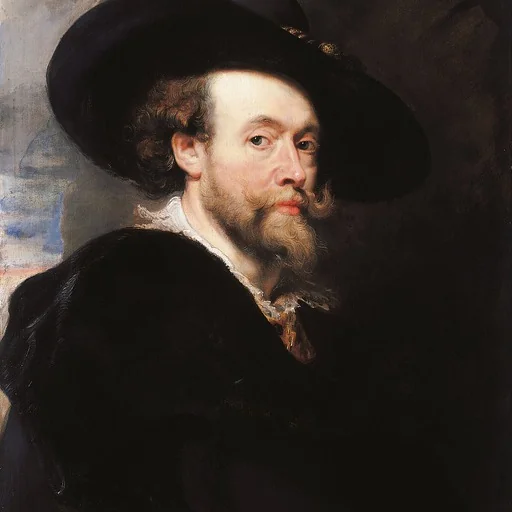
Sir Peter Paul Rubens ( ROO-bənz; Dutch: ; 28 June 1577 – 30 May 1640) was a Flemish artist and diplomat.