Collection
Borghese Collection

Image: Wikimedia Commons.
Borghese Collection is a collection.
About Borghese Collection
Overview
The Borghese Collection is a renowned assembly of Roman sculptures, Old Master paintings, and modern art, originally assembled by the Borghese family starting in the 17th century. Housed within the Galleria Borghese in Rome, the collection represents one of the most significant private art accumulations in European history. It is particularly celebrated for its extensive holdings of works by Gian Lorenzo Bernini and Caravaggio, which were acquired during the cardinal's lifetime and remain largely intact within the villa that was built to display them.
History & Founding
The collection was instigated by Cardinal Scipione Borghese (1577–1633), the nephew of Pope Paul V, who began acquiring art and commissioning works intensively after his uncle's ascension to the papal throne in 1605. Scipione utilized immense wealth, including papal gifts and investments in land and towns, to fund his patronage. The collection evolved over centuries through inheritance and political shifts; notably, in 1807, due to financial difficulties and pressure from Napoleon's brother-in-law, a significant portion of the ancient sculpture collection was sold to the French government and moved to the Louvre. In 1902, the Italian state purchased the villa and the remaining collection, establishing it as a public national museum.
Building & Architecture
The Galleria Borghese is located within a villa designed as a suburban residence and exhibition space, conceived as a 'villa of delights' that merged elegance with theatricality. The structure was designed by architects Flaminio Ponzio and Giovanni Vasanzio, embodying the ideals of early Baroque architecture. The building was specifically conceived to house and display Scipione's growing collection, integrating the art with the architectural space and the extensive gardens that Scipione developed. The villa features prominent Borghese symbols, such as eagles and dragons, atop its parapets.
Collection Highlights & Notable Holdings
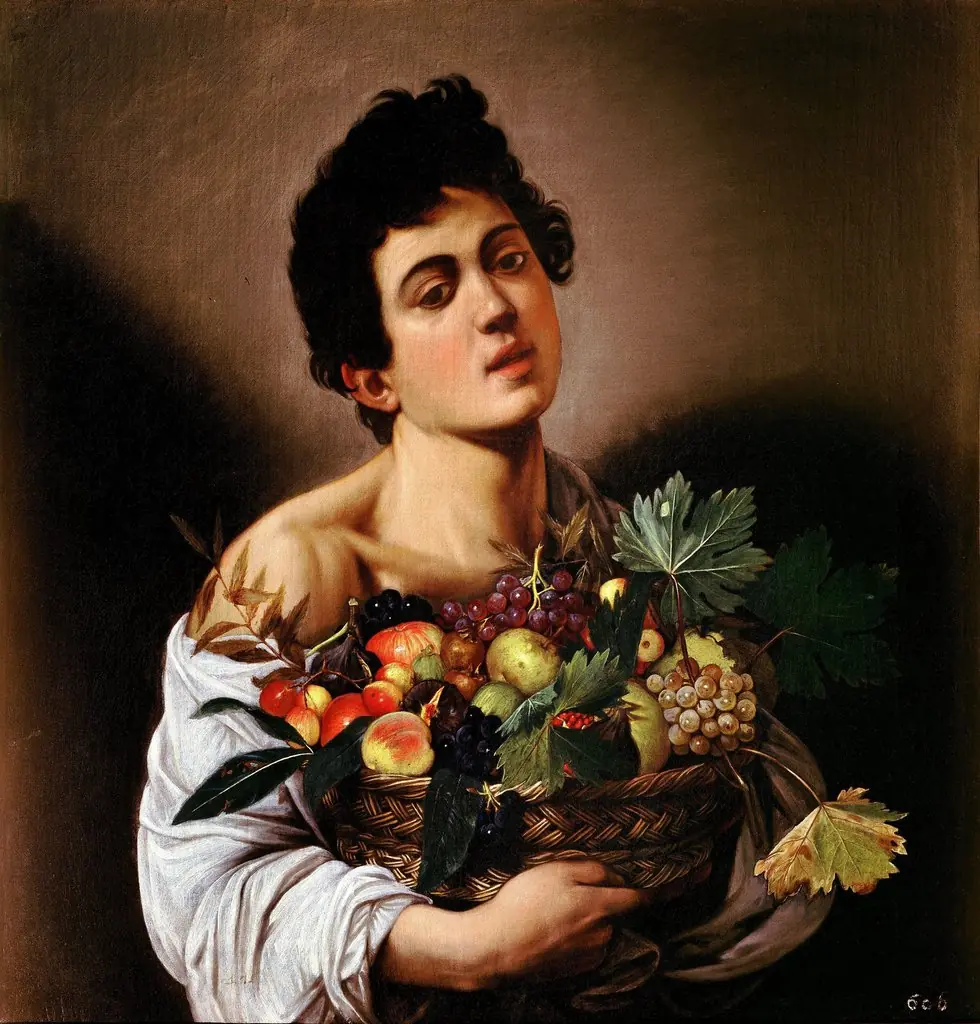
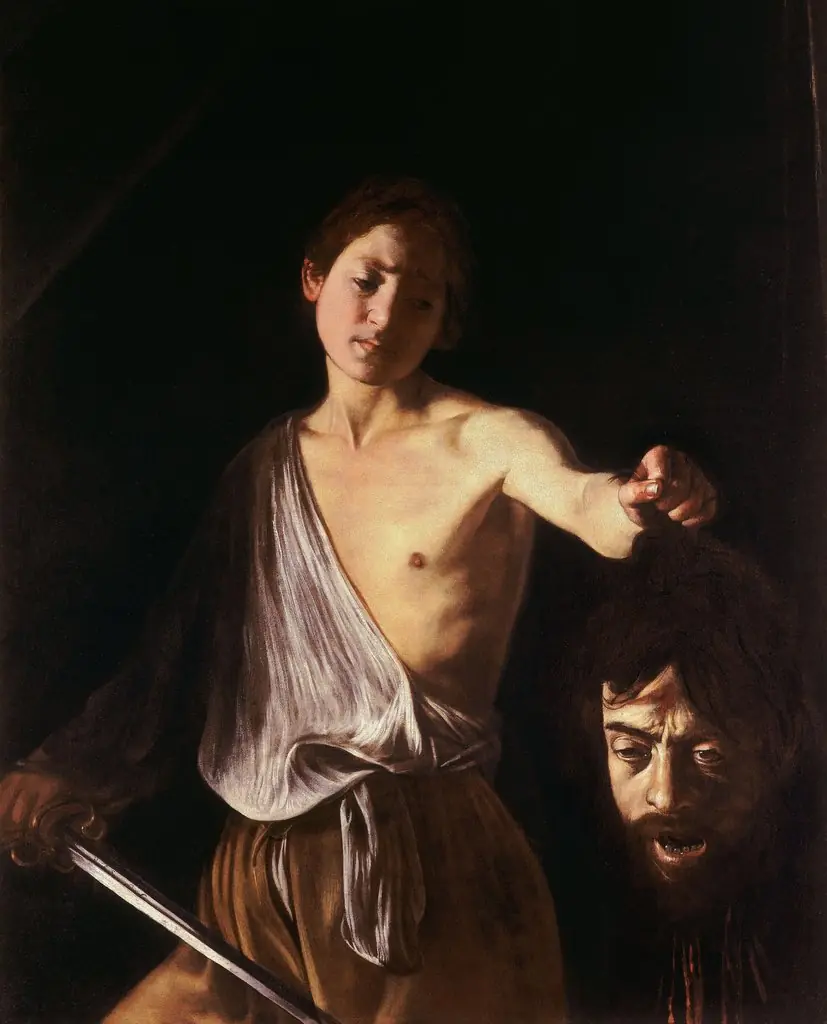
The collection is distinguished by a major proportion of Gian Lorenzo Bernini's lifetime output of secular sculpture, allowing viewers to trace his artistic maturity from juvenile works like 'Aeneas, Anchises, and Ascanius' to his masterpieces. It also holds a significant number of works by Caravaggio, including early pieces acquired from the estate of Cavaliere d'Arpino in 1607, such as a probable self-portrait and 'Saint John the Baptist' (1605/6). The holdings also include ancient sculptures like the 'Satyr and Dolphin', a Roman marble copy of a lost Greek bronze, and Early Renaissance altarpieces.
Significance & Legacy
The Borghese Collection remains a testament to the artistic grandeur of Rome's past and the enduring legacy of human creativity, serving as a primary example of early Baroque patronage. Cardinal Scipione's support was crucial for the development of artists like Bernini, whose first patron was the Cardinal, and for the preservation of Caravaggio's work. The collection's survival, despite the loss of ancient sculptures to Napoleon, allows it to showcase the evolution of Baroque art and the specific tastes of a powerful papal nephew who used art to rehabilitate his reputation and demonstrate his cultural influence.
What to see at Borghese Collection
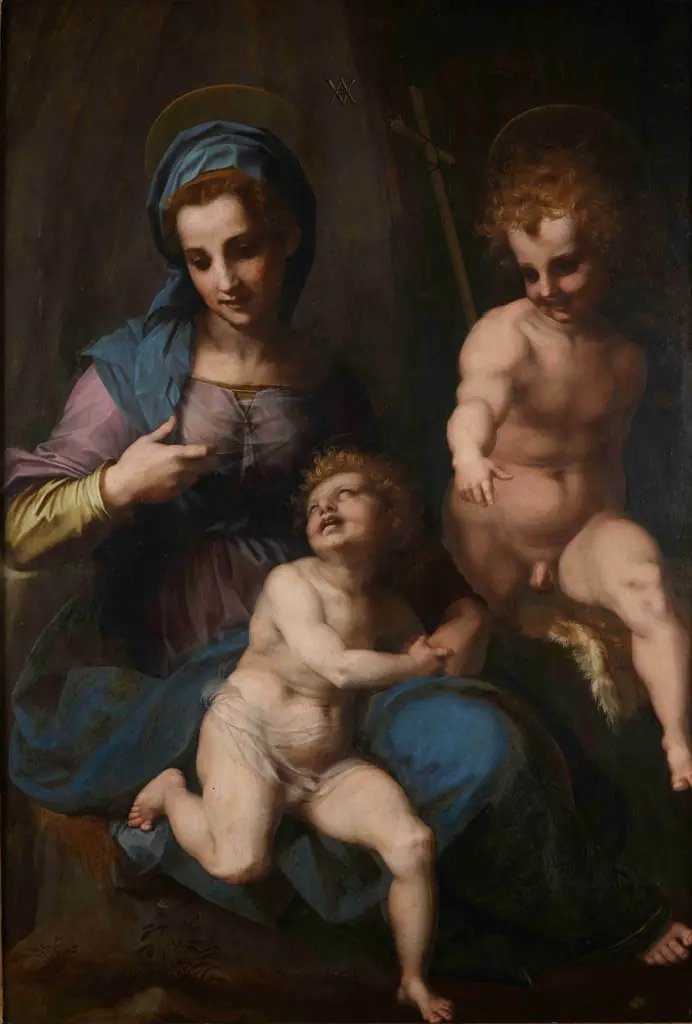
Start with Madonna and Child with Young St John by Andrea del Sarto.
Plan your visit
Borghese Collection