Artwork
The Adoration of the Shepherds
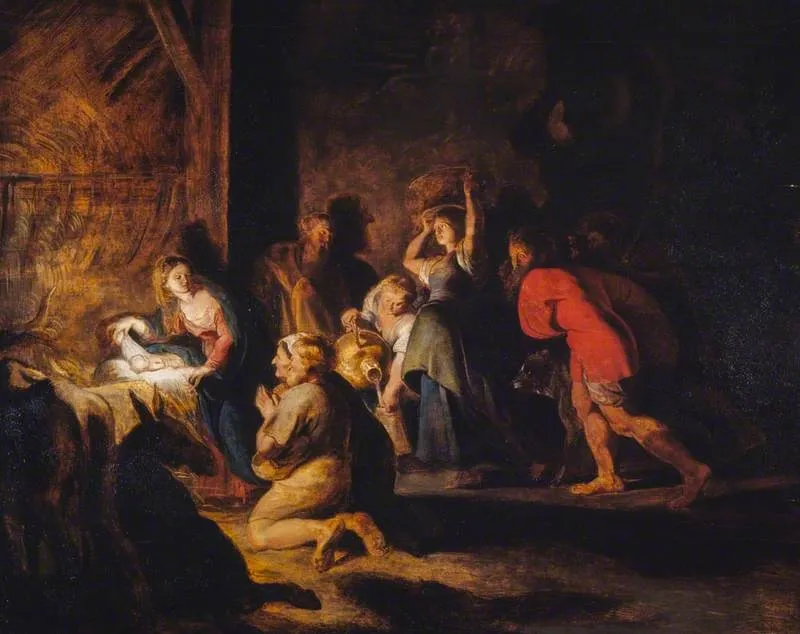
The Adoration of the Shepherds is an oil painting by the Flemish Baroque painting artist Peter Paul Rubens. It dates from 1615 and is held in the collection of the National Galleries Scotland.
About this work
Overview
Painted in 1615 by Peter Paul Rubens, this oil-on-canvas work captures the biblical moment when shepherds arrive to honor the newborn Christ.
Painted in 1615 by Peter Paul Rubens, this oil-on-canvas work captures the biblical moment when shepherds arrive to honor the newborn Christ. Executed in the Flemish Baroque style, the painting reflects Rubens’s mastery of emotional intensity and physical presence. It is now part of the collection at the Scottish National Gallery, where it remains a key example of early 17th-century religious art from the Southern Netherlands.
Subject & Meaning
The scene centers on the infant Jesus, lying on straw, surrounded by figures in quiet awe. A kneeling woman, likely the Virgin Mary, and a standing man, possibly Joseph, frame the child with reverent postures. Nearby shepherds, illuminated by a fire, embody the humble witnesses called to witness the divine. The composition emphasizes humility and sacred intimacy, aligning with Counter-Reformation ideals that sought to make religious narratives emotionally accessible.
Technique & Style
Rubens employs chiaroscuro to model forms with dramatic light and shadow, drawing focus to the Christ Child while deepening the nocturnal atmosphere. Warm tones from the fire contrast with the cool, receding background, enhancing spatial depth. The figures are rendered with robust, lifelike volume, and their gestures convey quiet emotion rather than theatricality. Brushwork is fluid yet precise, characteristic of Rubens’s ability to blend naturalism with spiritual gravity.
History & Provenance
Commissioned during Rubens’s mature period, the painting likely originated in Antwerp, where he maintained a large workshop. It entered the Scottish National Gallery’s collection in the 19th century, having passed through private hands in Europe. Its survival through centuries of political and religious upheaval underscores its enduring value as a devotional object and artistic achievement within the Flemish tradition.
Context
Created during the height of the Counter-Reformation, the painting responds to Catholic efforts to reaffirm the power of sacred imagery. Rubens, deeply engaged with Church commissions, infused his religious works with human warmth to inspire piety. The emphasis on shepherds—lowly yet chosen—mirrors contemporary theological focus on grace accessible to all, not just the elite.
Legacy
The painting exemplifies how Flemish Baroque artists redefined religious scenes through psychological depth and physical presence. While not widely reproduced in popular culture, it influenced later generations of painters in its balance of naturalism and spiritual solemnity. Today, it remains a quiet testament to Rubens’s ability to convey the sacred through the ordinary.
Artist & collection
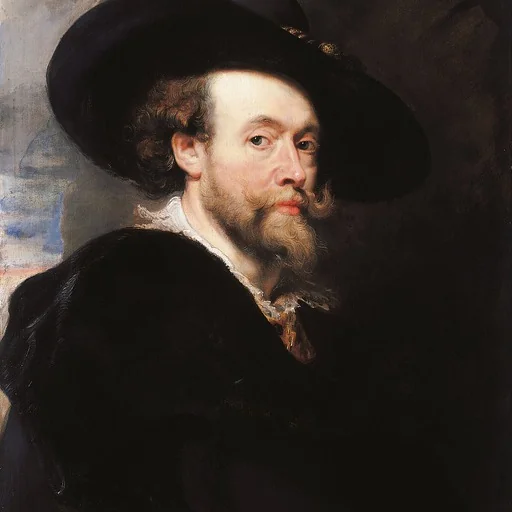
Artist
Sir Peter Paul Rubens ( ROO-bənz; Dutch: ; 28 June 1577 – 30 May 1640) was a Flemish artist and diplomat.

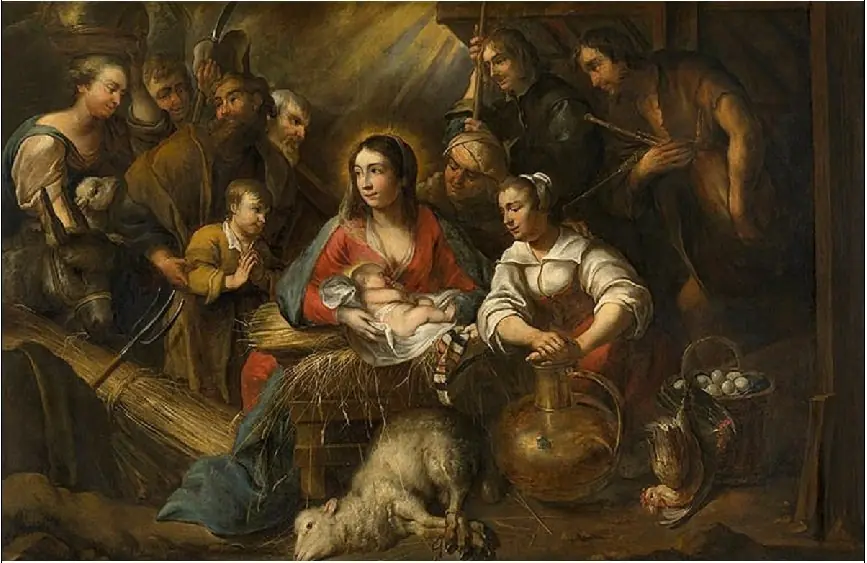 The Adoration of the Shepherds
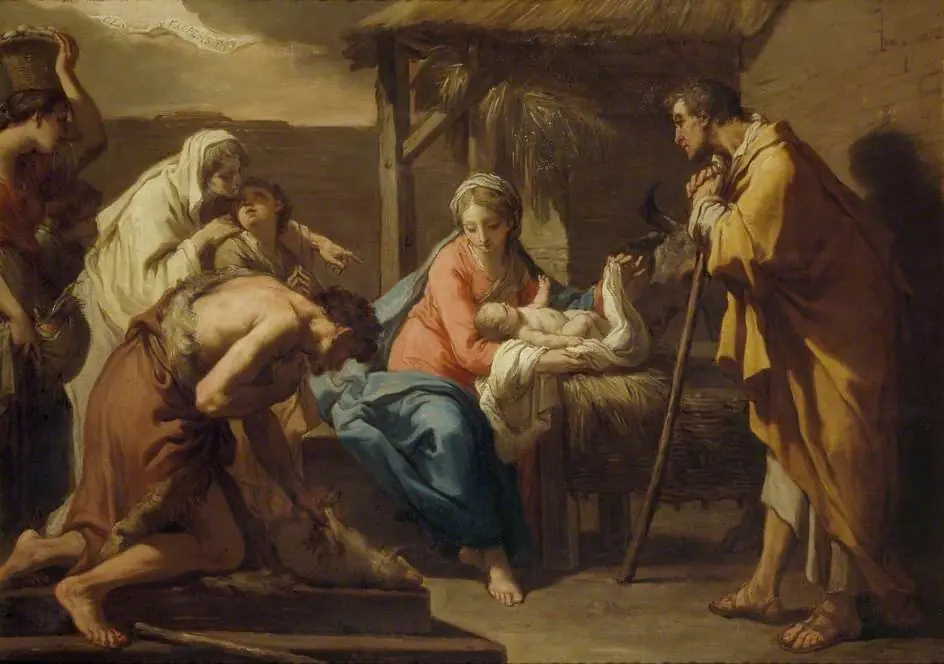 The Adoration of the Shepherds
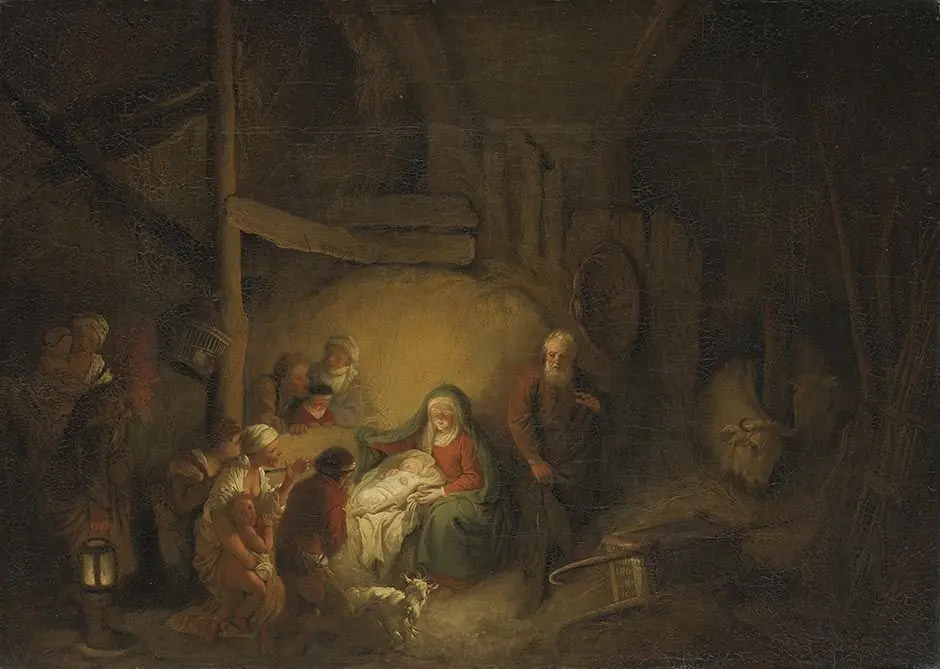 The adoration of the shepherds
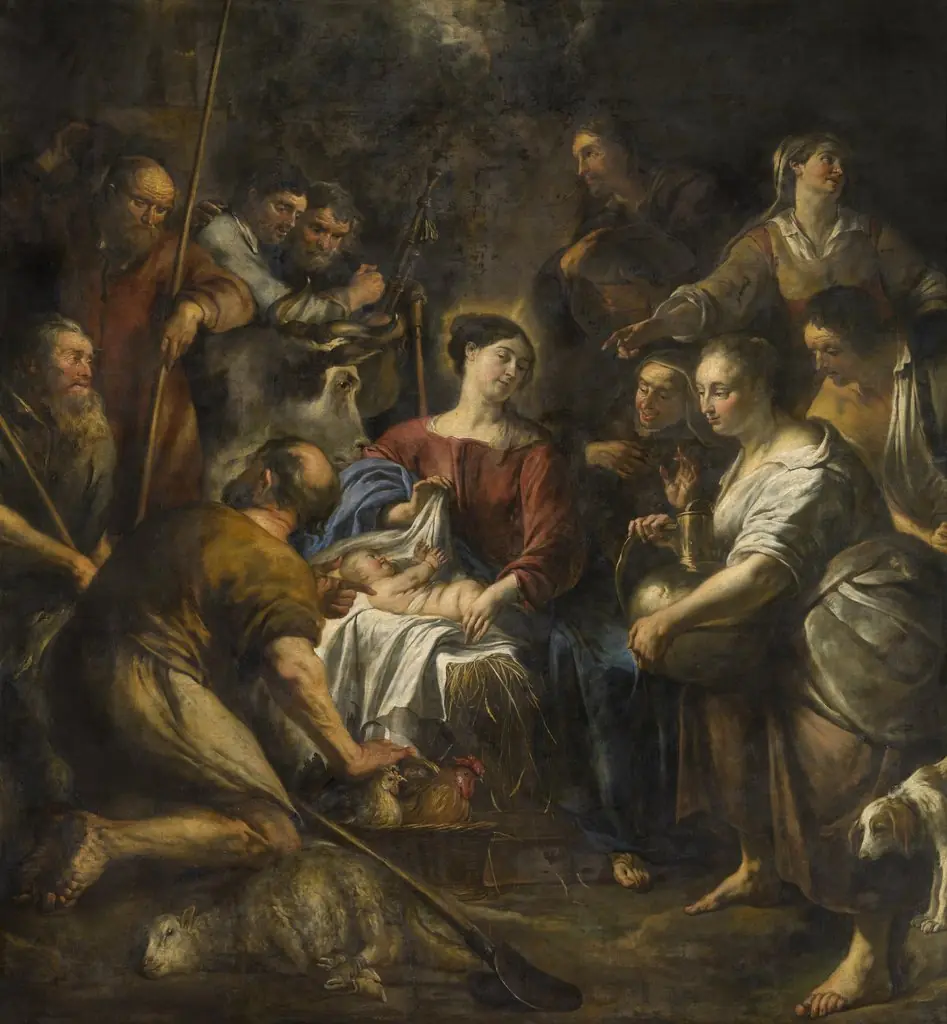 The Adoration of the Shepherds
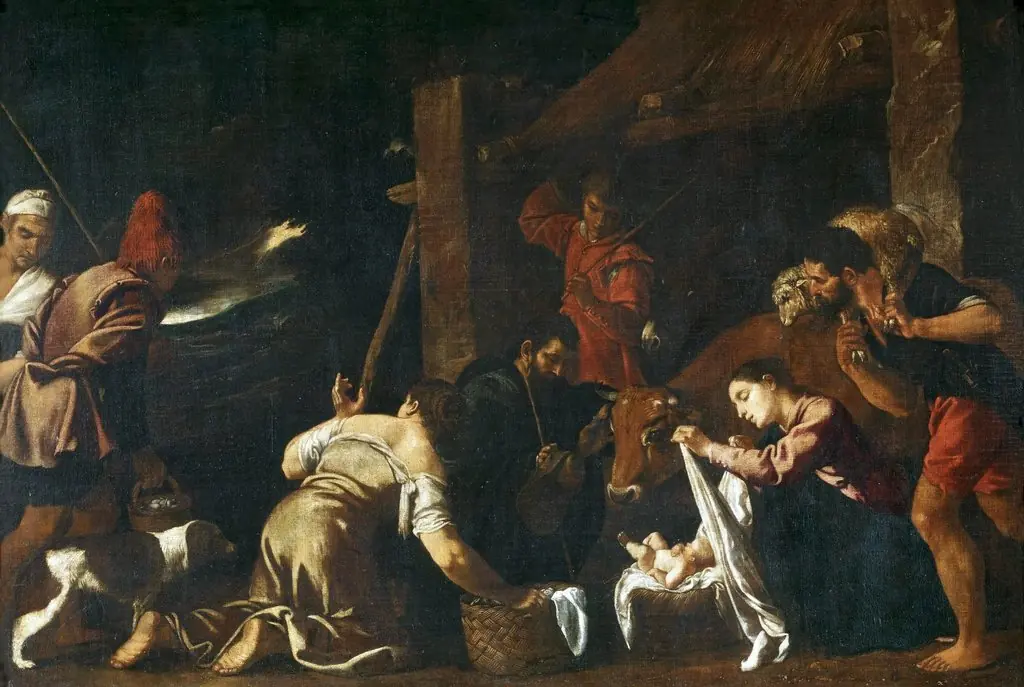 The Adoration of the shepherds
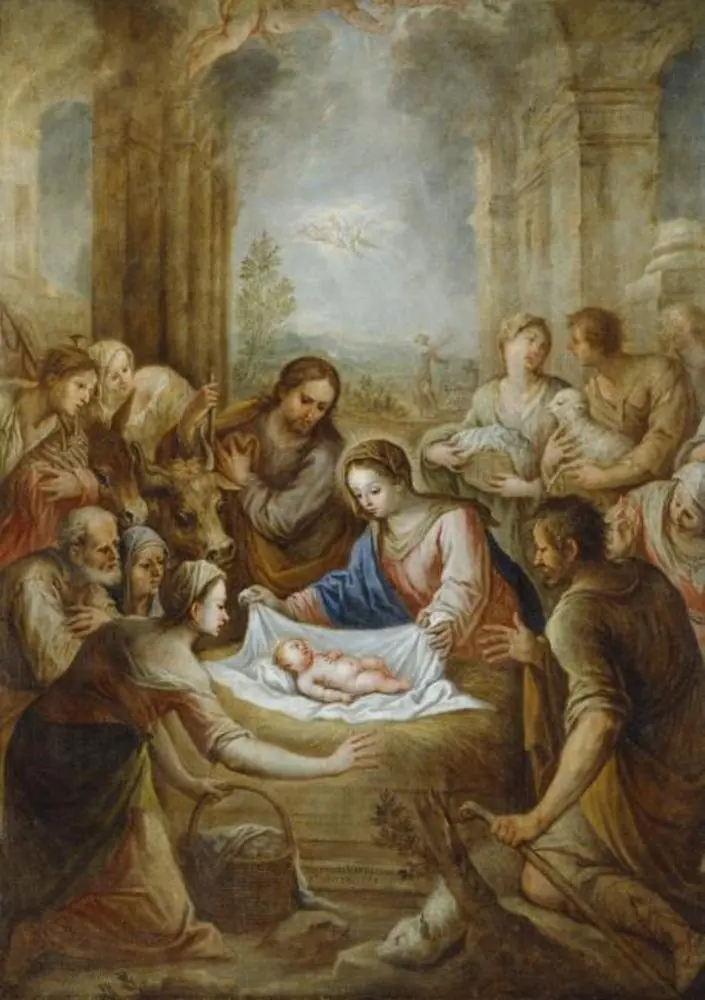 The Adoration of the Shepherds
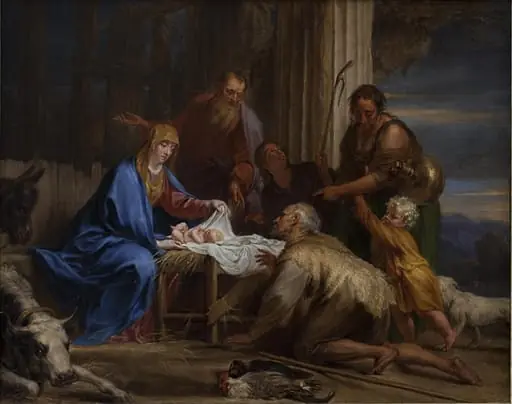 The Adoration of the Shepherds
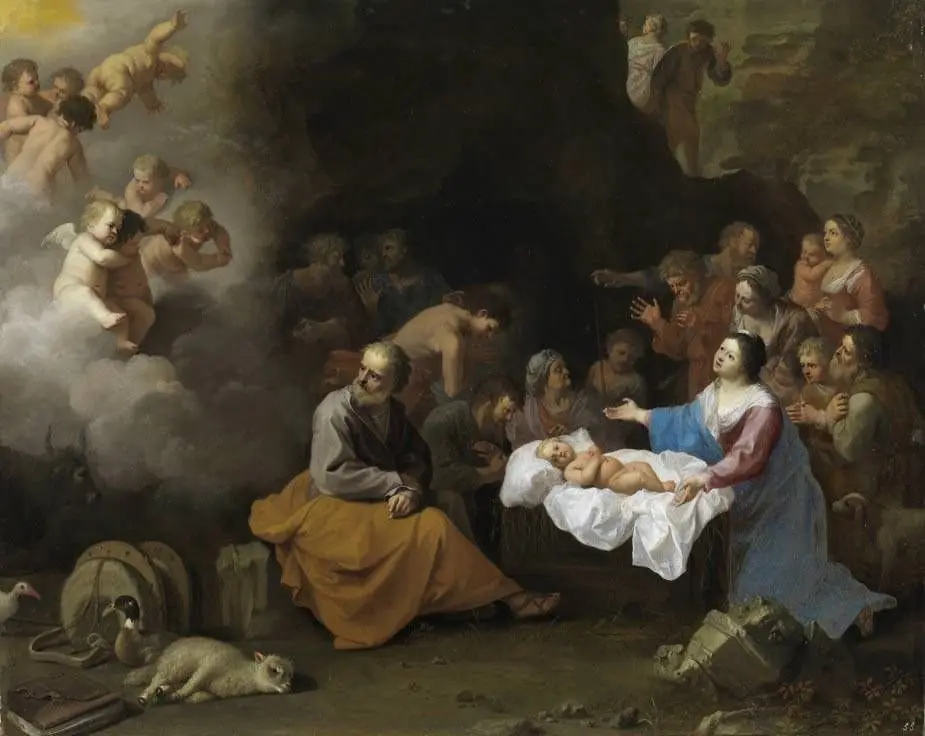 The adoration of the shepherds
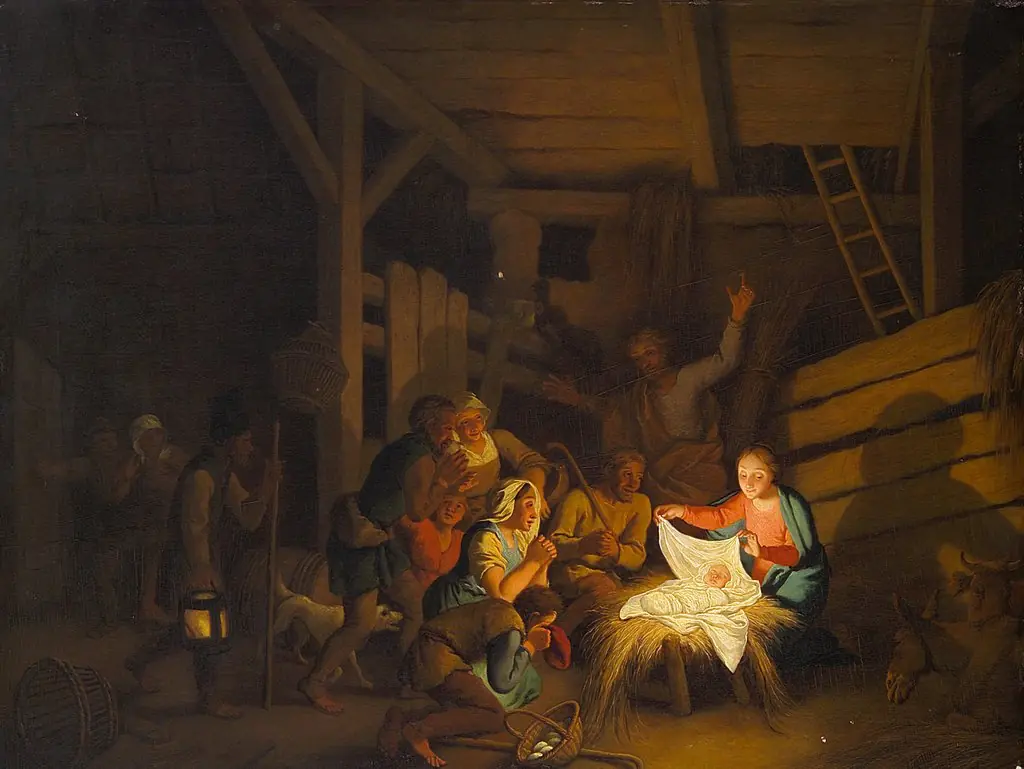 Anbetung der Hirten
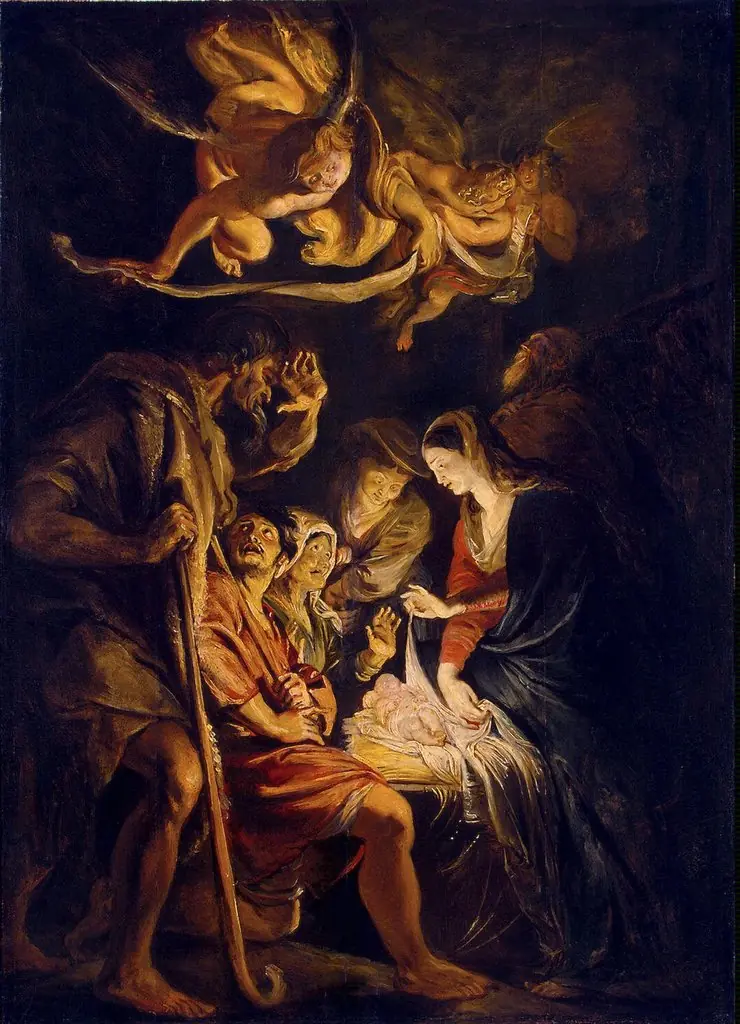 Adoration of the Shepherds (Hermitage)
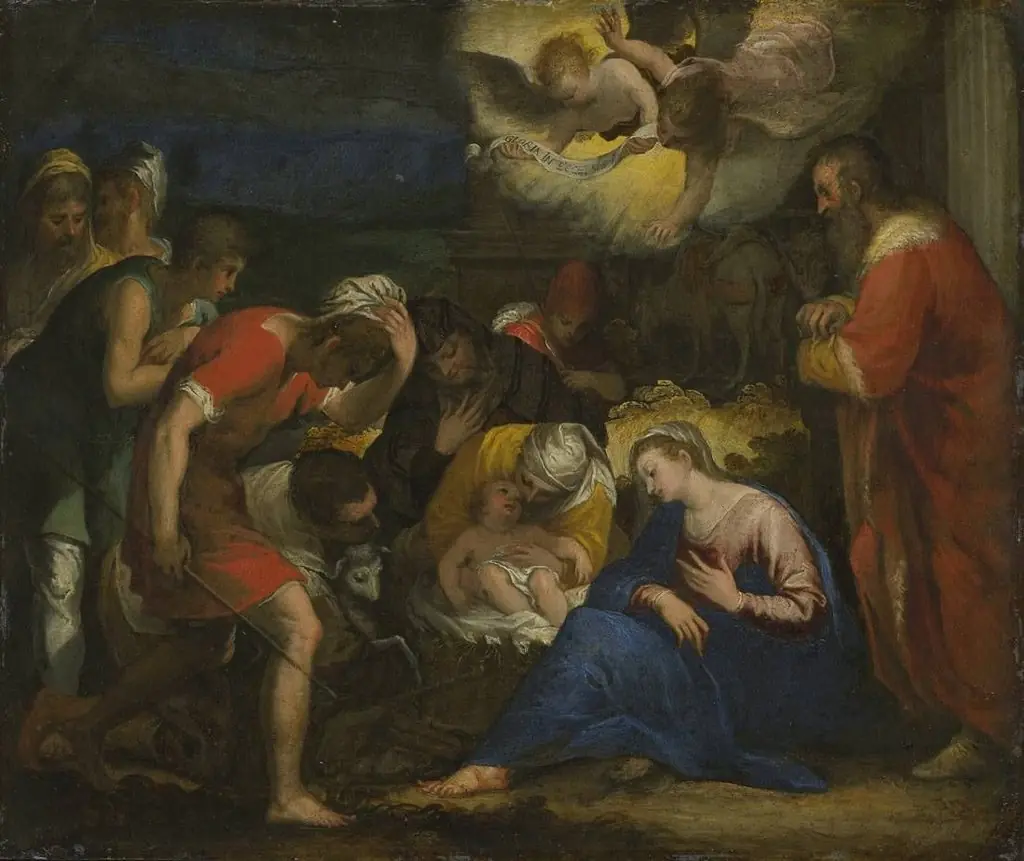 Die Anbetung der Hirten
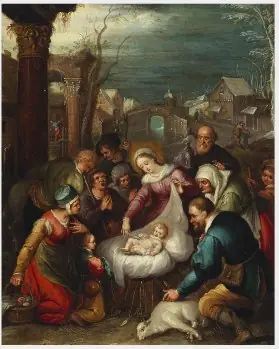 The Adoration of the Shepherds