Artwork
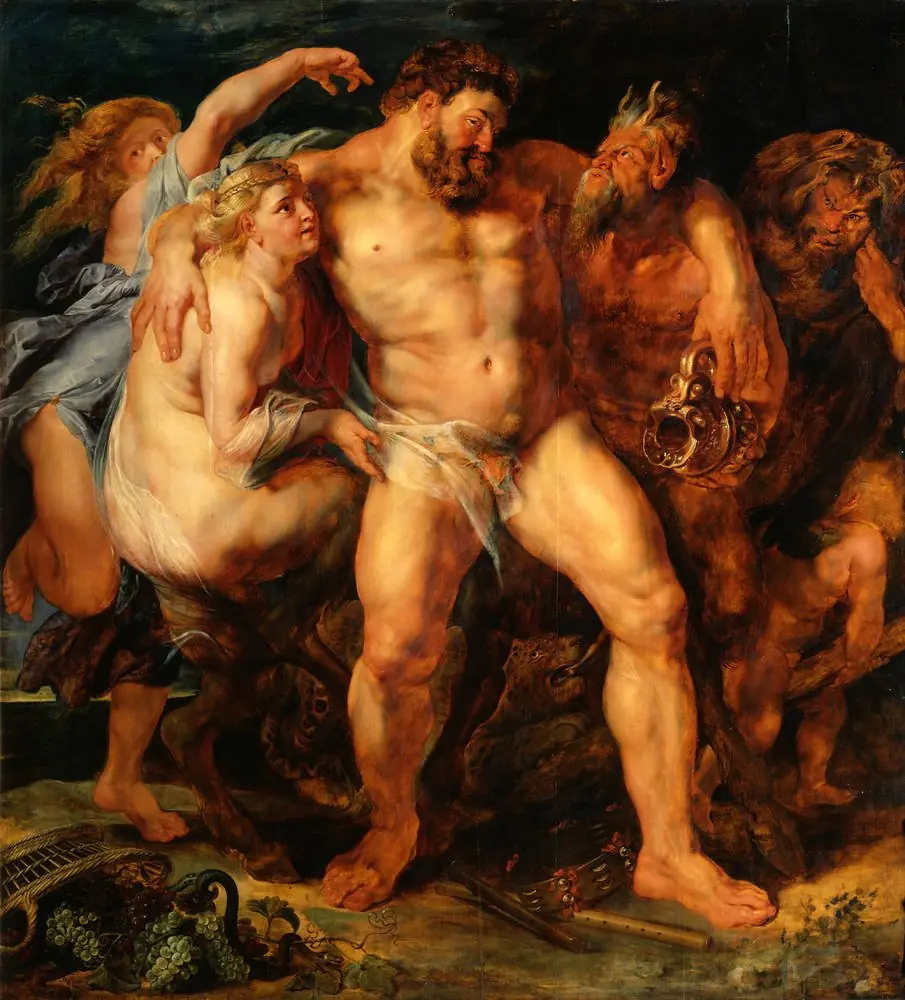
The Drunken Hercules being Led by a Satyr Couple
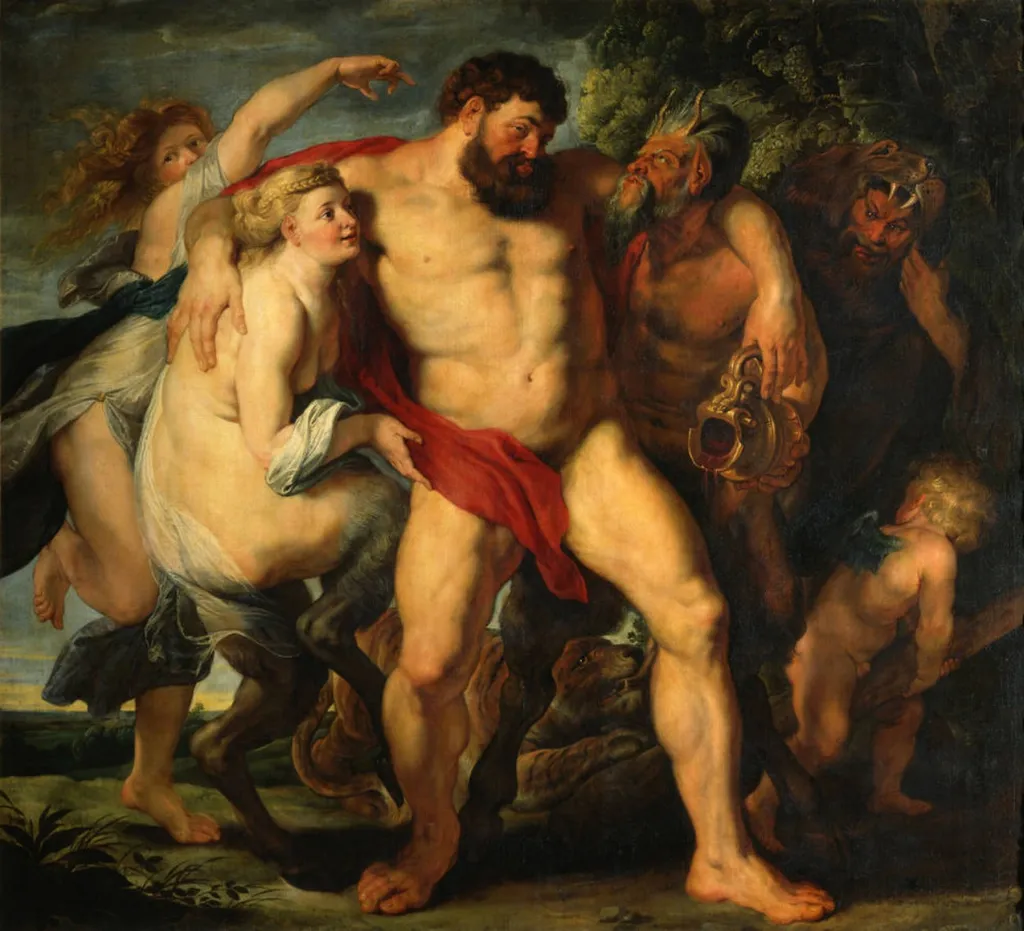
The Drunken Hercules being Led by a Satyr Couple is an oil painting by the Flemish Baroque painting artist Peter Paul Rubens. It dates from 1615 and is held in the collection of the Staatliche Kunstsammlungen Dresden.
About this work
Overview
Rendered in the Flemish Baroque style, the composition captures a moment of animated movement as two satyrs guide the weakened hero along a woodland path.
Painted in 1615 by Peter Paul Rubens, this oil-on-canvas work portrays a mythological episode involving Hercules in a state of intoxication. Rendered in the Flemish Baroque style, the composition captures a moment of animated movement as two satyrs guide the weakened hero along a woodland path. The painting reflects Rubens’s mastery in blending classical narrative with dynamic physicality and rich chromatic expression.
Subject & Meaning
The scene illustrates Hercules after his labors, overcome by wine and led by a pair of satyrs—one male, one female—figures associated with Dionysian revelry. Their interaction suggests a transition from heroic strength to vulnerable indulgence, a theme common in Renaissance and Baroque interpretations of myth. The satyrs’ playful demeanor contrasts with Hercules’s limp posture, underscoring the tension between discipline and excess.
Technique & Style
Rubens employs thick, fluid brushwork to convey texture in skin, fur, and fabric, enhancing the tactile presence of the figures. Warm, saturated hues dominate the palette, with the hero’s crimson drape drawing the eye amid earthy greens and browns. The composition’s diagonal flow and exaggerated musculature reflect Baroque ideals of motion and emotional immediacy, while the loose handling of the background suggests atmospheric depth without detailed finish.
History & Provenance
Created during Rubens’s mature period in Antwerp, the painting entered the collection of the Gemäldegalerie Alte Meister in Dresden in the 18th century. It was likely acquired as part of a broader European interest in classical-themed works by leading Flemish artists. Its preservation and display reflect its recognition as a representative example of early 17th-century narrative painting within the Saxon royal holdings.
Context
While the Catholic Church promoted art that inspired devotion during the Counter-Reformation, secular mythological subjects remained popular among elite patrons. Rubens, fluent in humanist culture and court diplomacy, often fused classical themes with contemporary sensibilities. This painting aligns with a broader trend in Northern Europe where mythological scenes served as vehicles for exploring human nature, pleasure, and moral ambiguity.
Legacy
The painting exemplifies Rubens’s enduring influence on the depiction of the human form in motion and the integration of myth into Baroque visual culture. Though not among his most widely reproduced works, it continues to be studied for its nuanced portrayal of physicality and psychological contrast. Its presence in a major European museum underscores its role in shaping later interpretations of classical subjects in Western art.
Artist & collection
Artist
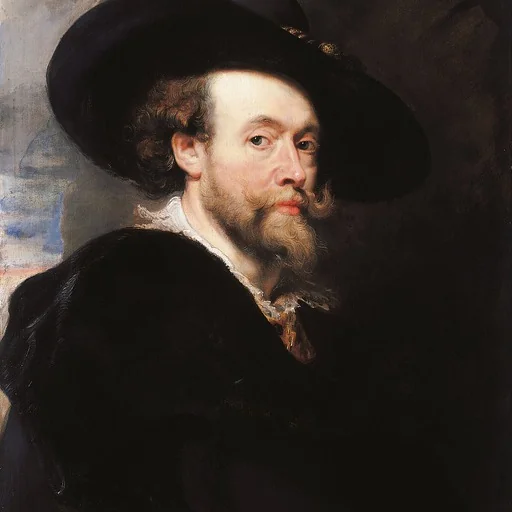
Sir Peter Paul Rubens ( ROO-bənz; Dutch: ; 28 June 1577 – 30 May 1640) was a Flemish artist and diplomat.