Artwork
Diana returning from the Hunt
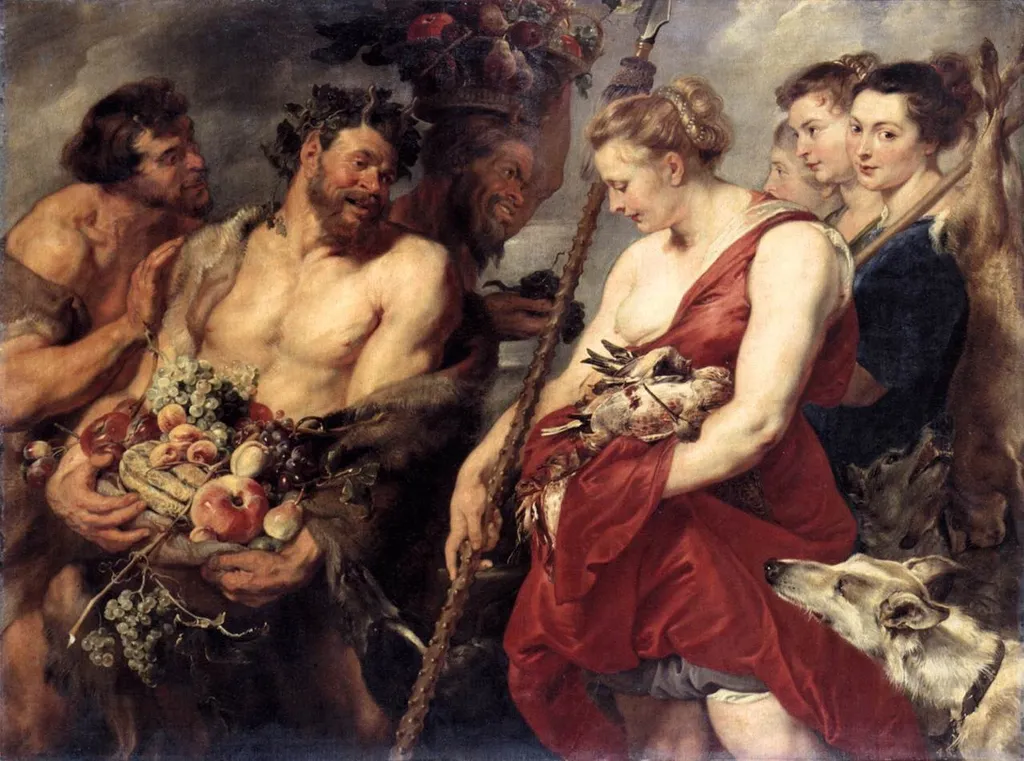
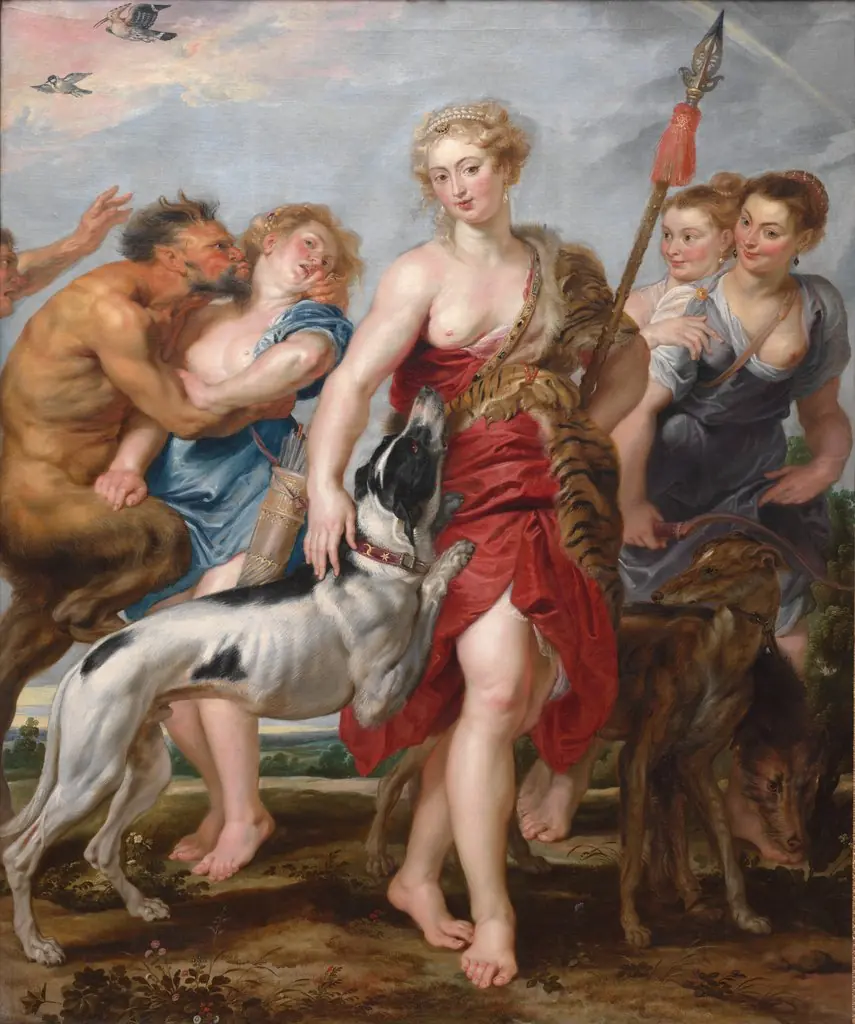
Diana returning from the Hunt is an oil painting by the Flemish Baroque painting artist Peter Paul Rubens. It dates from 1616 and is held in the collection of the Staatliche Kunstsammlungen Dresden.
About this work
Overview
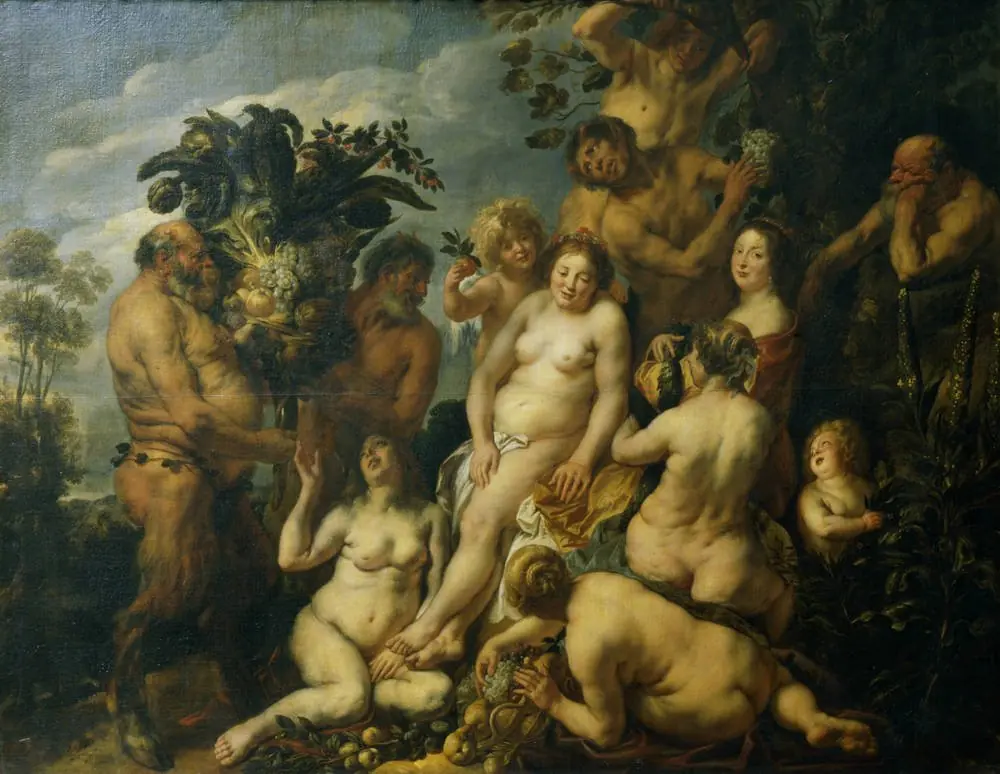
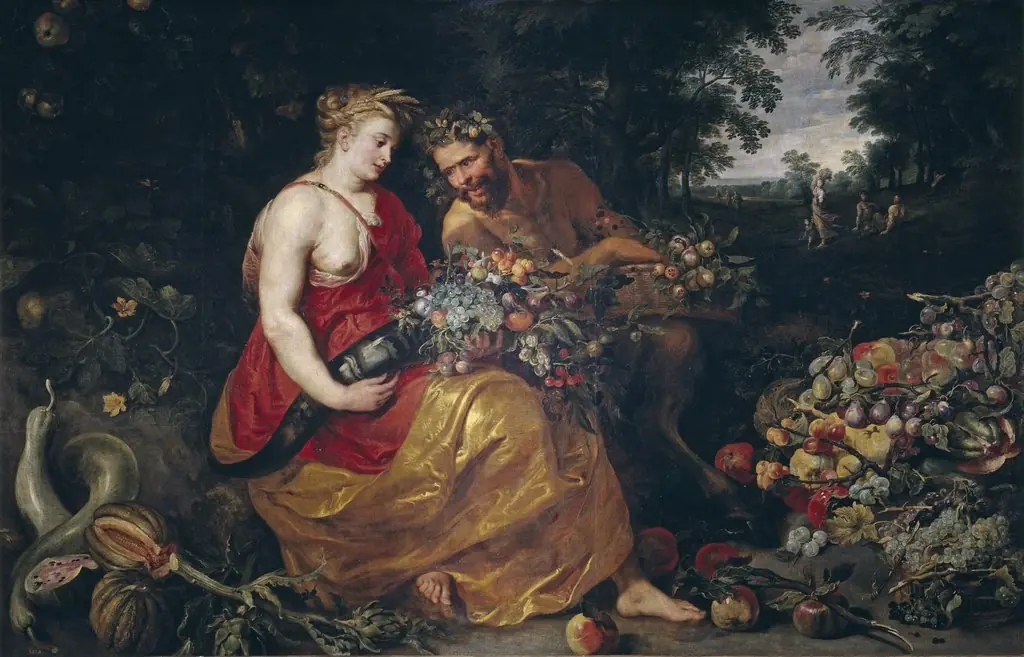
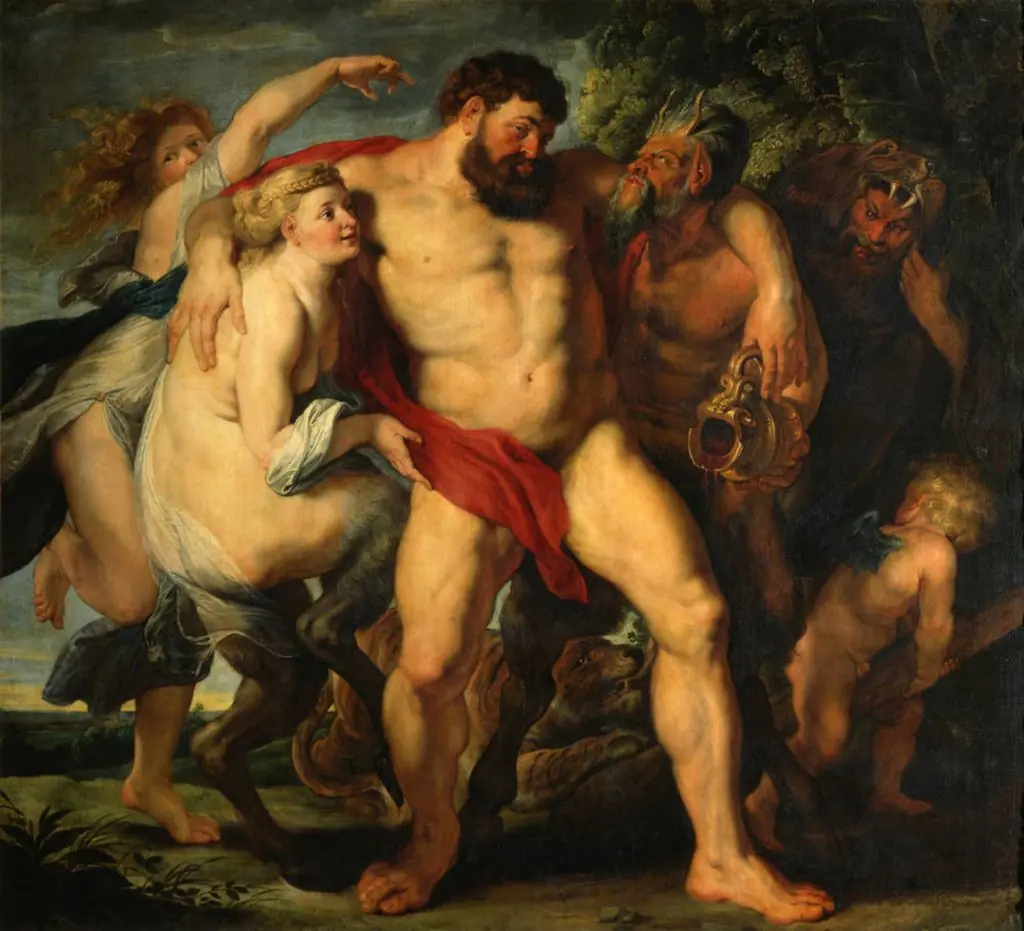
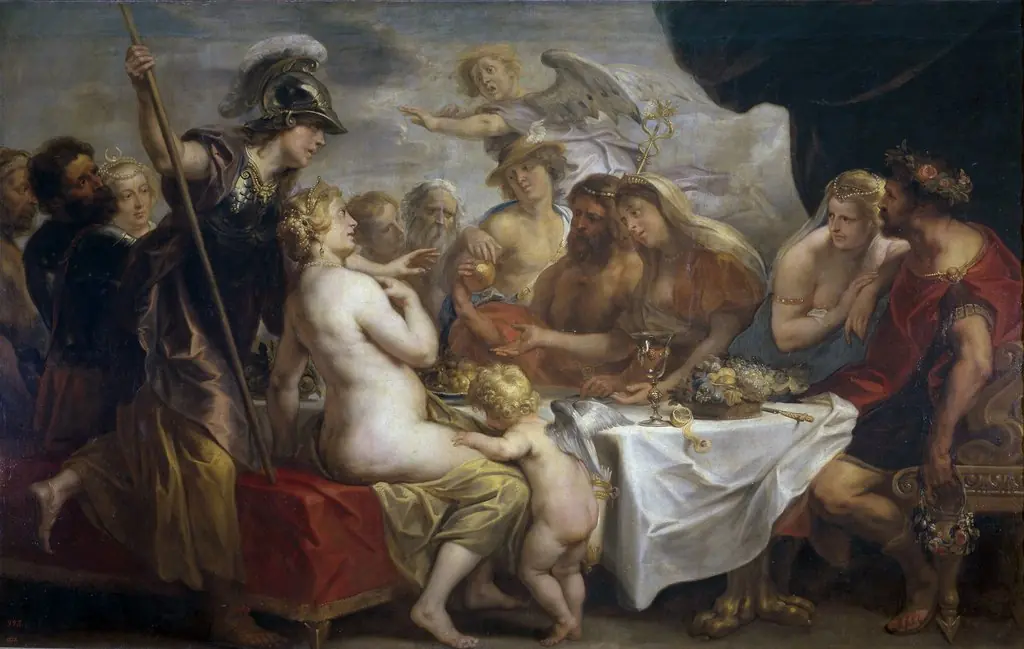
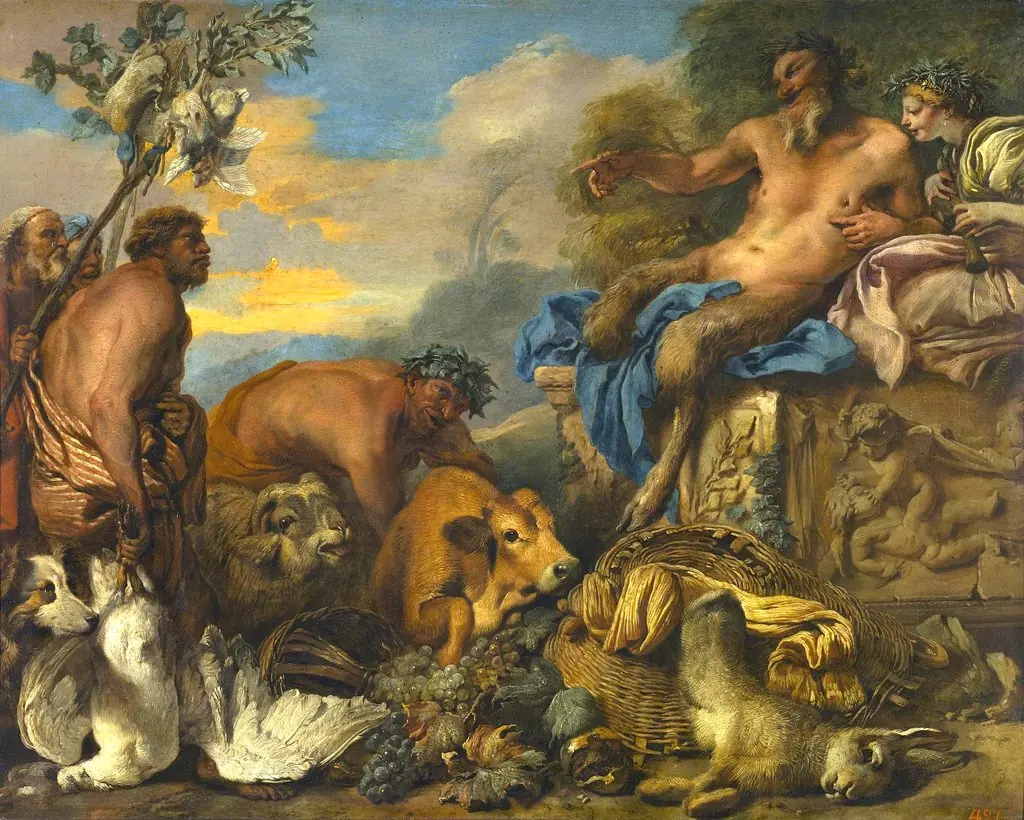
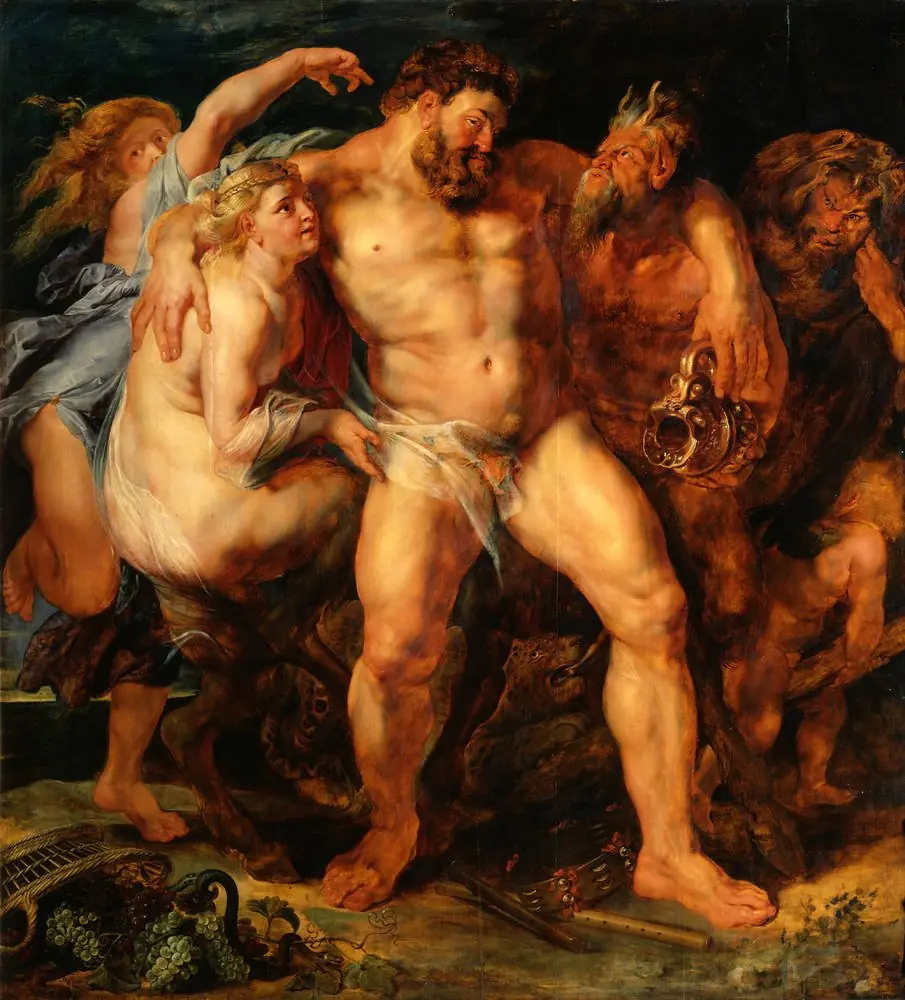
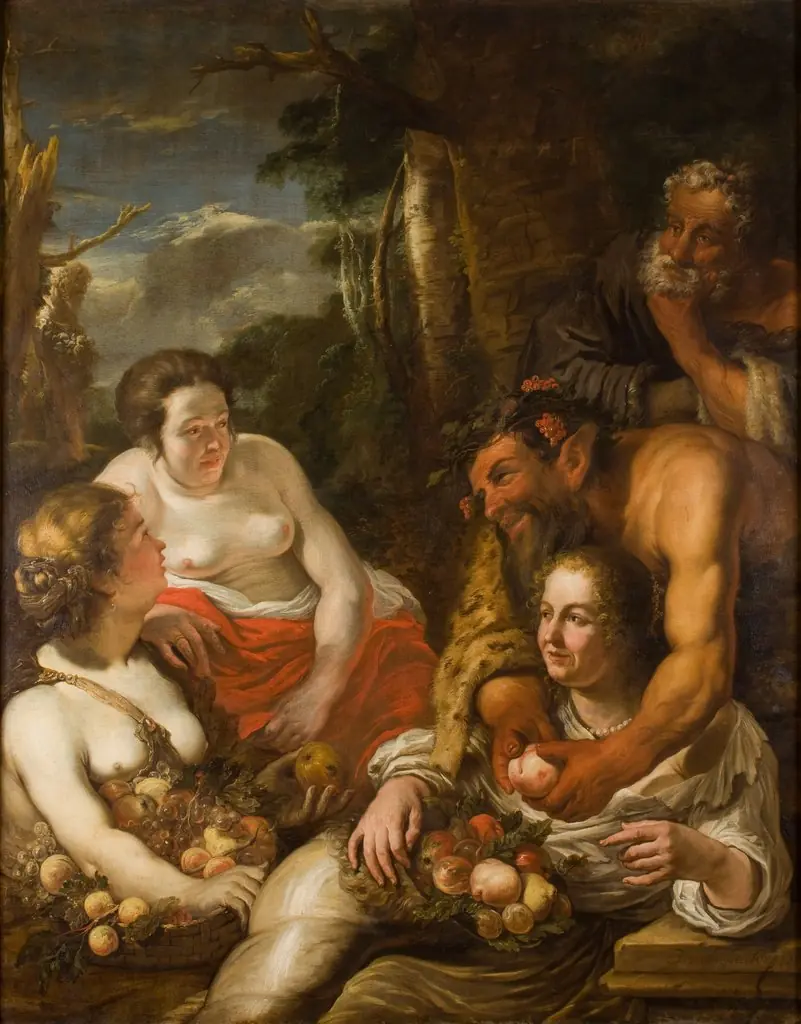
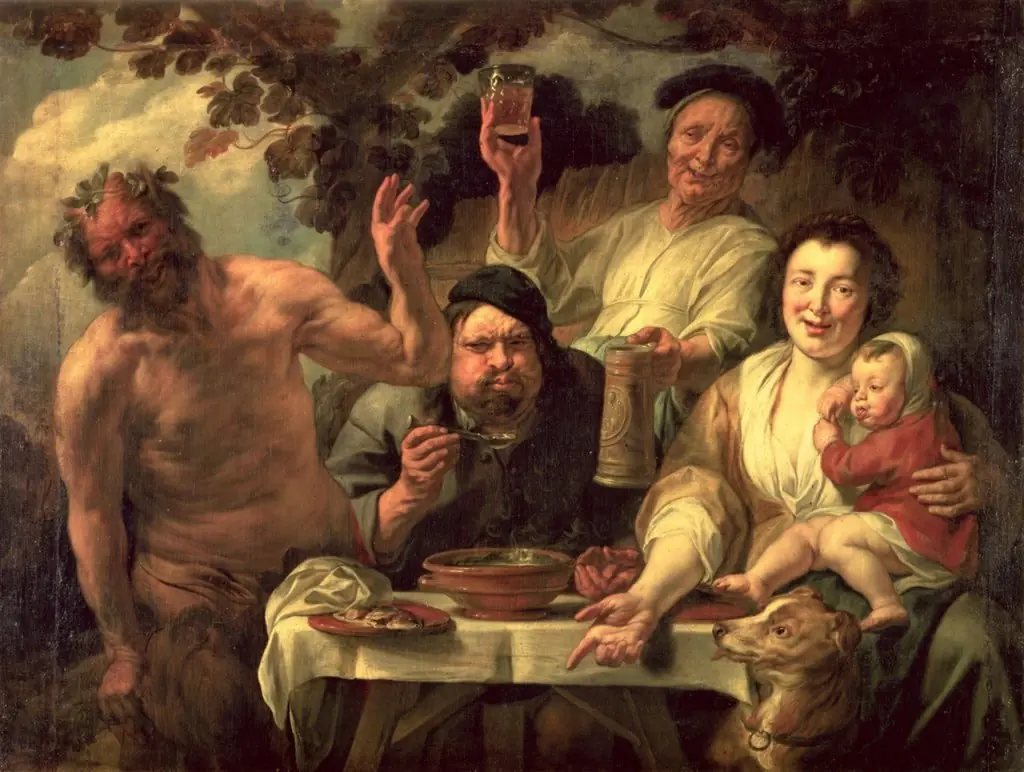
Peter Paul Rubens created the oil painting *Diana Returning from the Hunt* in 1616. Executed during his mature period, the work presents a mythological tableau set in a wooded landscape, featuring the goddess Diana, the satyr Pan, and a small hunting party surrounded by fruit and game.
Subject & Meaning
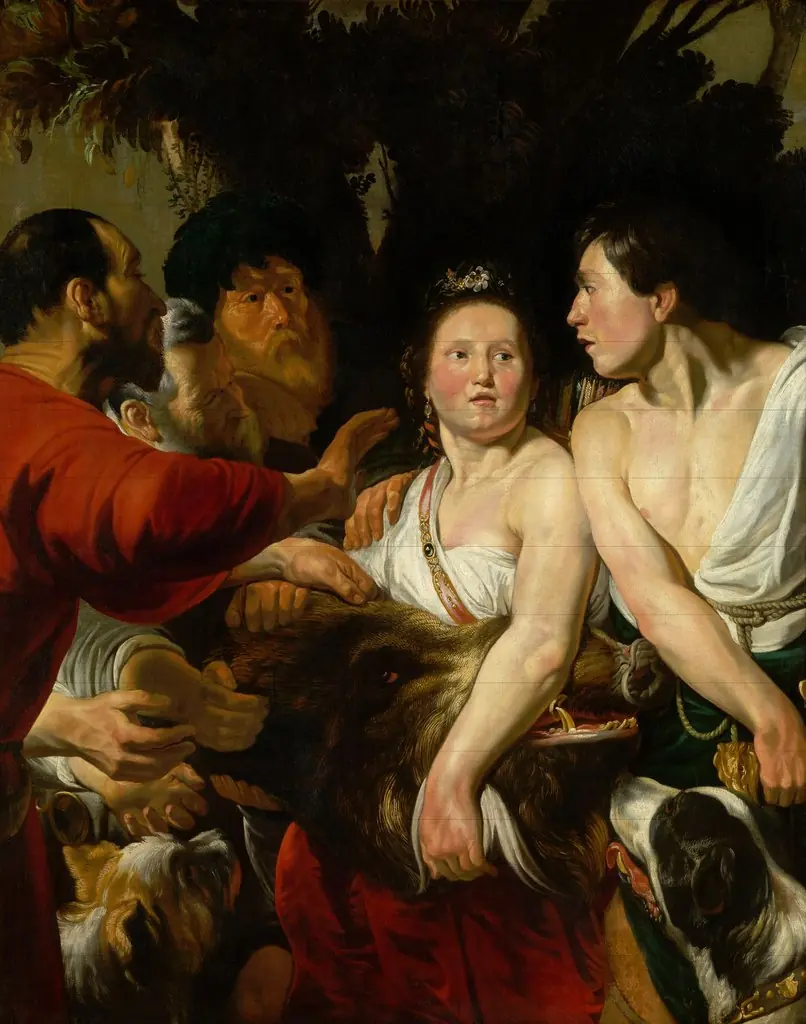
The central figure, identified as Diana, is shown in a red garment, holding a bow and a freshly killed animal, indicating the conclusion of a hunt. Pan, depicted with a beard and fur, holds a basket of fruit, while other attendants—some nude, one with a dog at Diana’s feet—contribute to the theme of abundance and the harmony between the hunt and nature.
Technique & Style
Rubens employs the dynamic composition characteristic of Flemish Baroque, using vigorous poses and swirling movement to convey immediacy. The rich oil palette emphasizes flesh tones and the deep greens of the forest, while the interplay of light and shadow heightens the sensuality of the figures and the texture of the surrounding foliage.
History & Provenance
After its completion, the painting entered the collection of the Gemäldegalerie Alte Meister in Dresden, where it remains on display. Its acquisition reflects the 17th‑century interest of German courts in Rubens’ work as a model of Baroque grandeur.
Context
Rubens frequently turned to classical mythology for allegorical subjects, aligning his art with the Counter‑Reformation’s emphasis on dramatic, emotionally engaging imagery. The depiction of Diana, a goddess associated with chastity and the hunt, allowed Rubens to explore themes of virtue, fertility, and the bounty of nature within a single composition.
Artist & collection

Artist
Sir Peter Paul Rubens ( ROO-bənz; Dutch: ; 28 June 1577 – 30 May 1640) was a Flemish artist and diplomat.