Artwork
The Elevation of the Cross
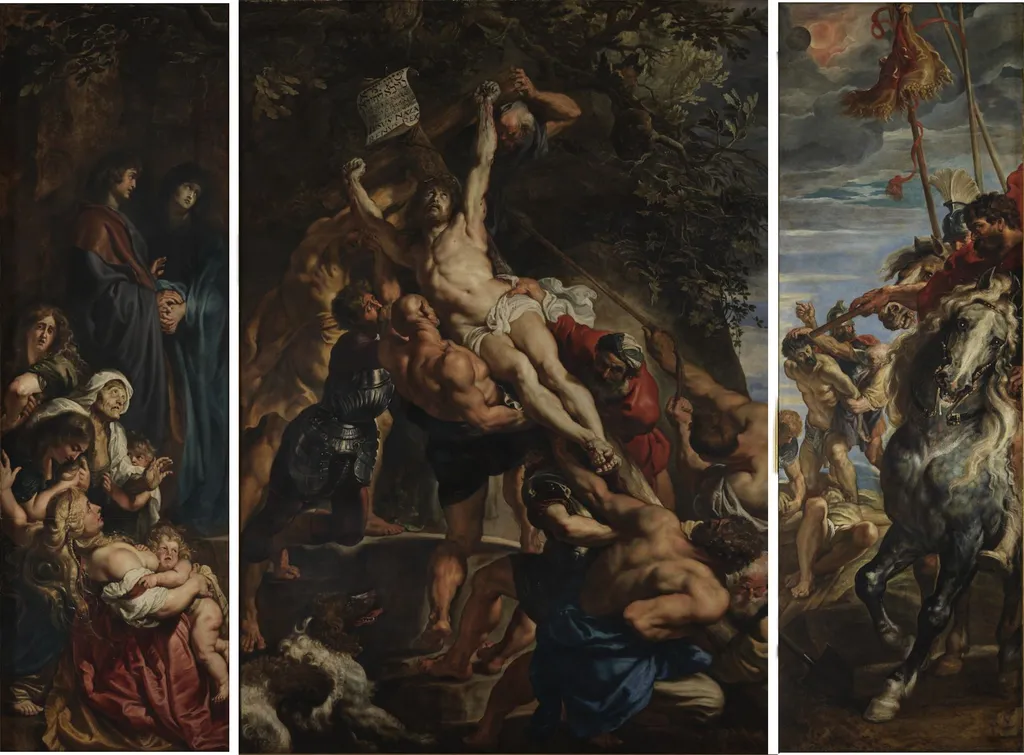
The Elevation of the Cross is an oil painting by the Baroque artist Peter Paul Rubens. It dates from 1610 and is held in the collection of the Onze-Lieve-Vrouwekathedraal.
About this work
Overview
Painted in oil on panel between 1610 and 1611, The Elevation of the Cross is a large triptych by Peter Paul Rubens, created for the Cathedral of Our Lady in Antwerp. Designed as a winged altarpiece, its hinged side panels can be closed over the central scene, enabling two distinct visual experiences: an open display of the full narrative and a closed view with simpler imagery, typical of Counter-Reformation devotional practice.
Subject & Meaning
The composition emphasizes physical effort and emotional gravity, reinforcing the theological weight of Christ’s sacrifice through dynamic human action.
The central panel portrays the moment Christ is hoisted onto the cross, surrounded by straining laborers and onlookers. The left and right wings depict supporting figures from the Passion: the Virgin Mary and John the Evangelist on one side, and Roman soldiers and mourners on the other. The composition emphasizes physical effort and emotional gravity, reinforcing the theological weight of Christ’s sacrifice through dynamic human action.
Technique & Style
Rubens employs vigorous brushwork, muscular anatomy, and dramatic chiaroscuro to convey tension and movement. The figures are rendered with sculptural solidity, their limbs twisted in exertion, while rich pigments and layered glazes enhance the texture of skin, fabric, and wood. His synthesis of Venetian color and Flemish detail reflects his study of Italian Renaissance masters, adapted to a distinctly Baroque intensity.
History & Provenance
Commissioned for the high altar of Antwerp Cathedral, the triptych was installed shortly after completion and remained in place through periods of religious upheaval. It survived damage during the 16th-century iconoclastic riots and was later restored in the 19th century. Its location has never changed, maintaining its original liturgical function within the cathedral.
Context
Created during the height of the Counter-Reformation, the work responds to Catholic calls for emotionally engaging religious imagery. Rubens’s depiction of physical struggle and collective devotion aligns with the Church’s aim to inspire piety through vivid, accessible scenes of Christ’s suffering. The triptych format itself was traditional in Northern Europe, but Rubens infused it with unprecedented dynamism.
Legacy
The Elevation of the Cross became a defining example of Baroque religious art in the Southern Netherlands. Its influence extended to later painters who adopted its compositional energy and emotional realism. Though not widely copied, its structural and expressive approach helped shape the visual language of Catholic altarpieces across Europe for generations.
Artist & collection
Artist
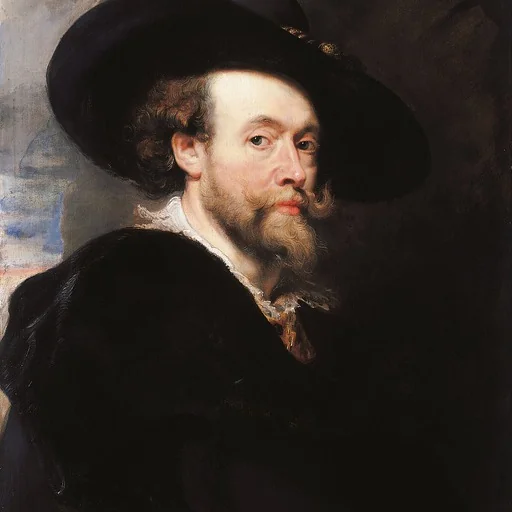
Sir Peter Paul Rubens ( ROO-bənz; Dutch: ; 28 June 1577 – 30 May 1640) was a Flemish artist and diplomat.

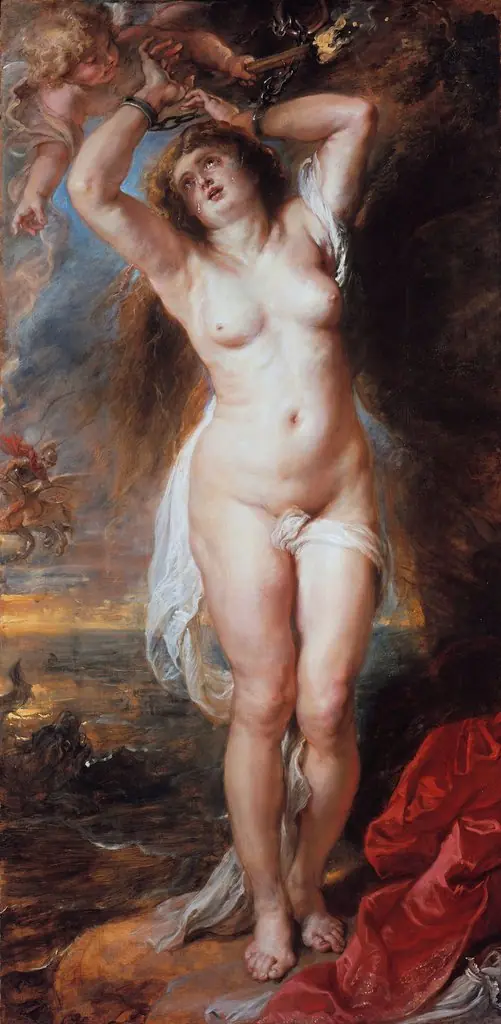
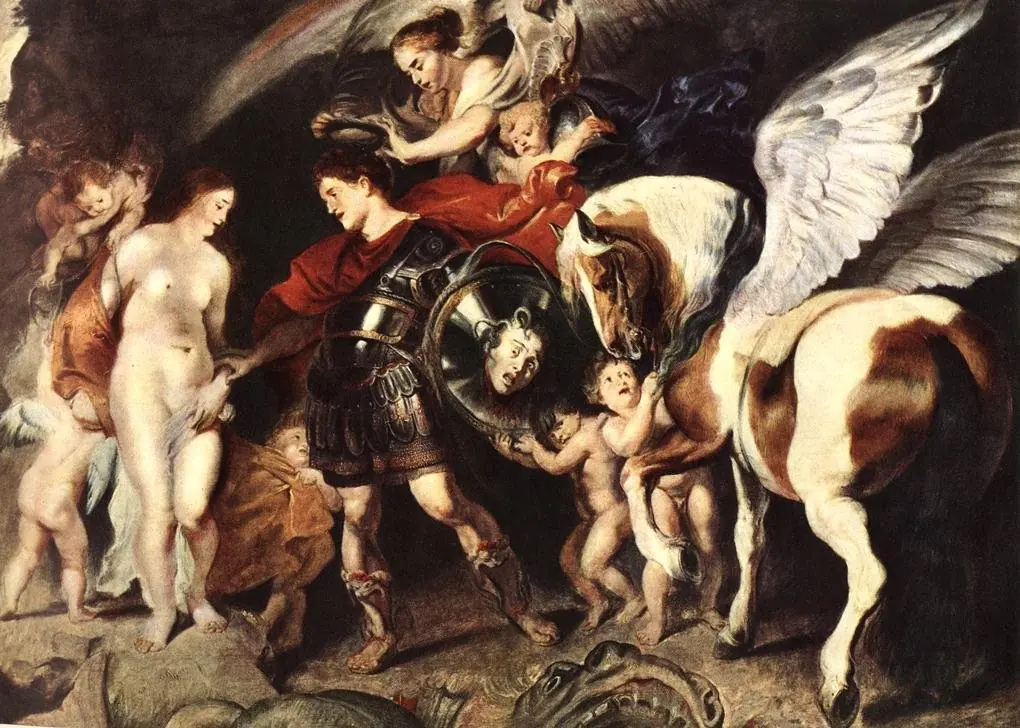
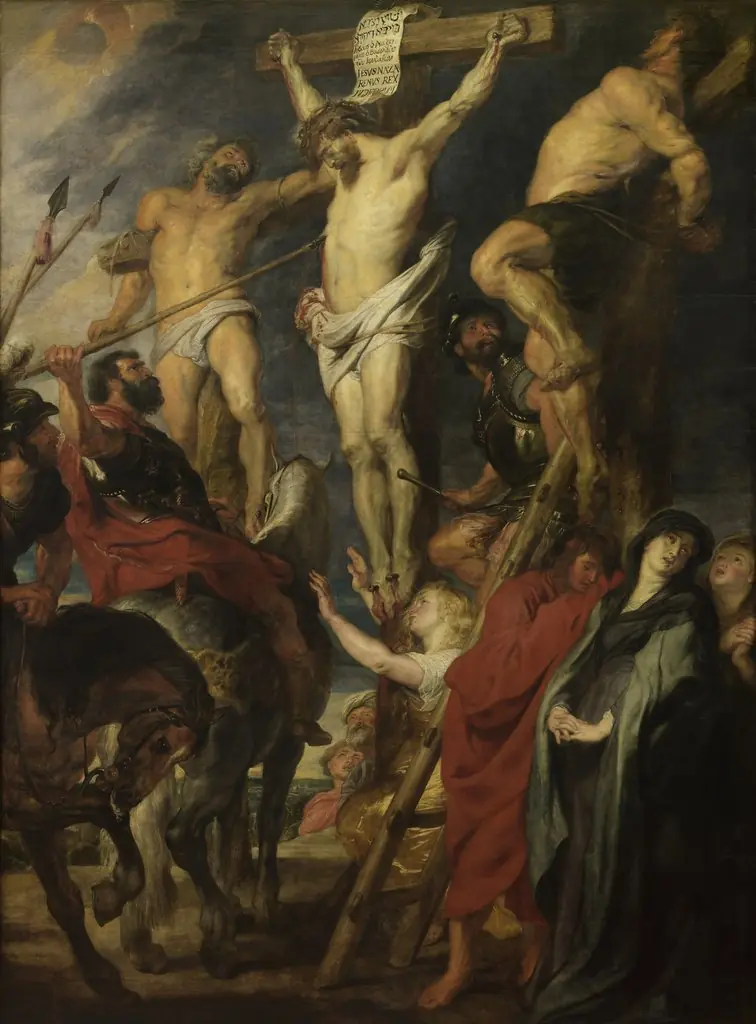 Christ on the Cross between the two criminals
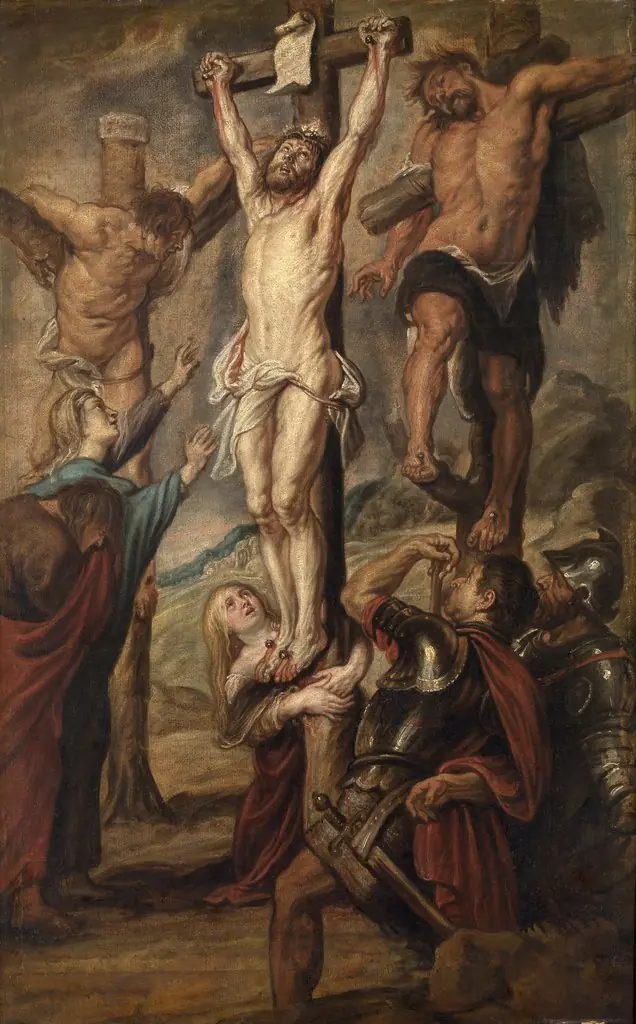 Calvary
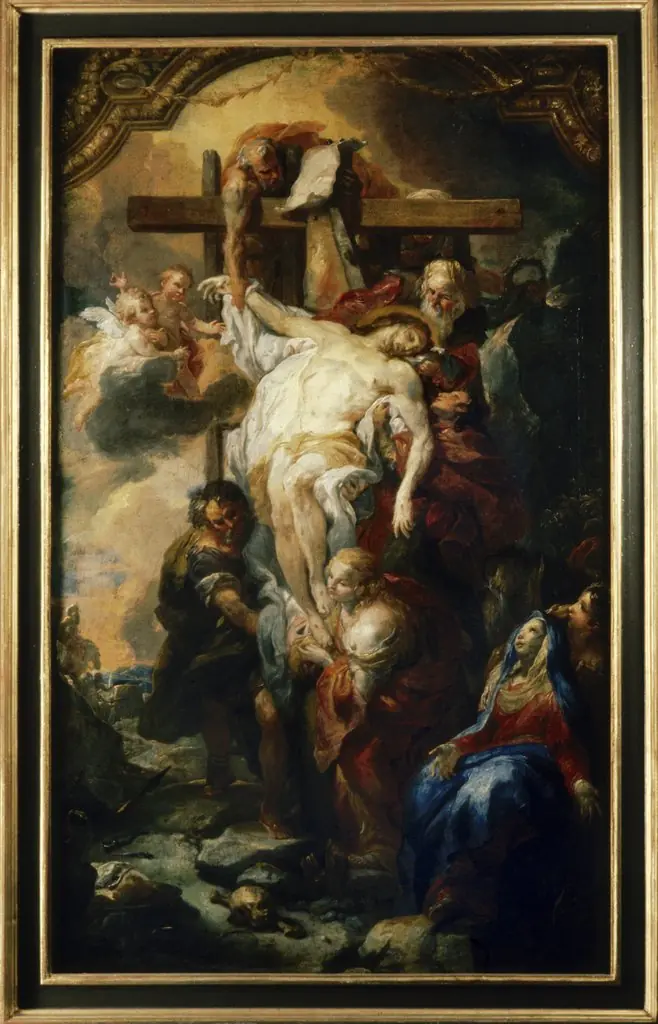 The Deposition from the Cross
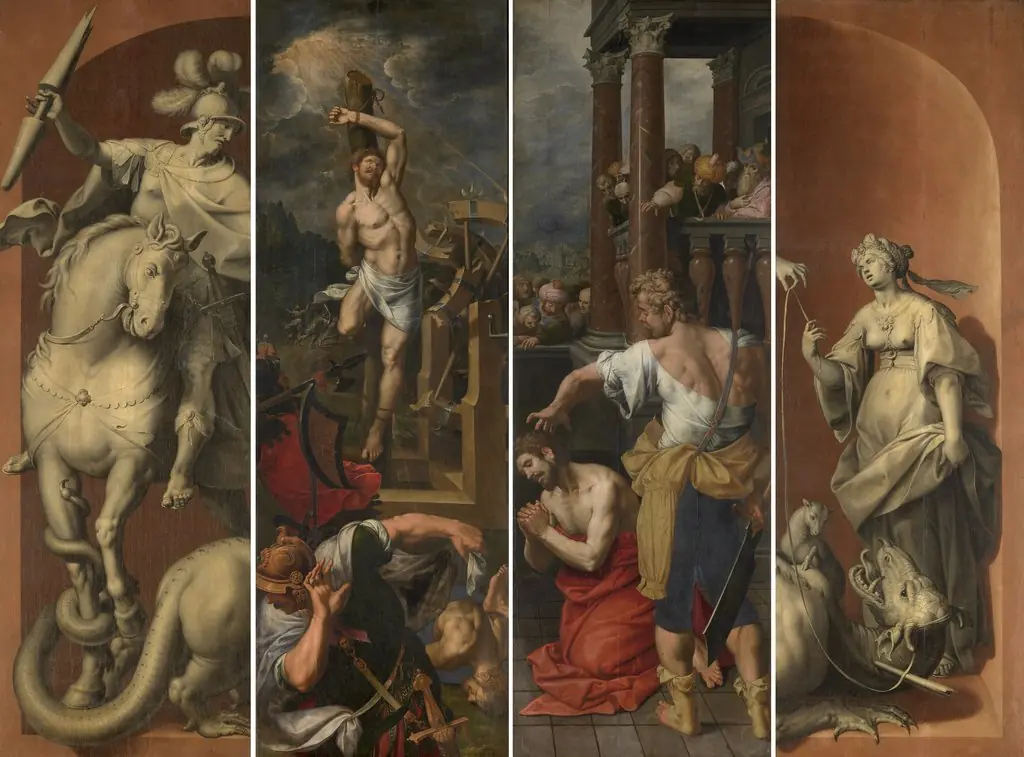 The Story of Saint George
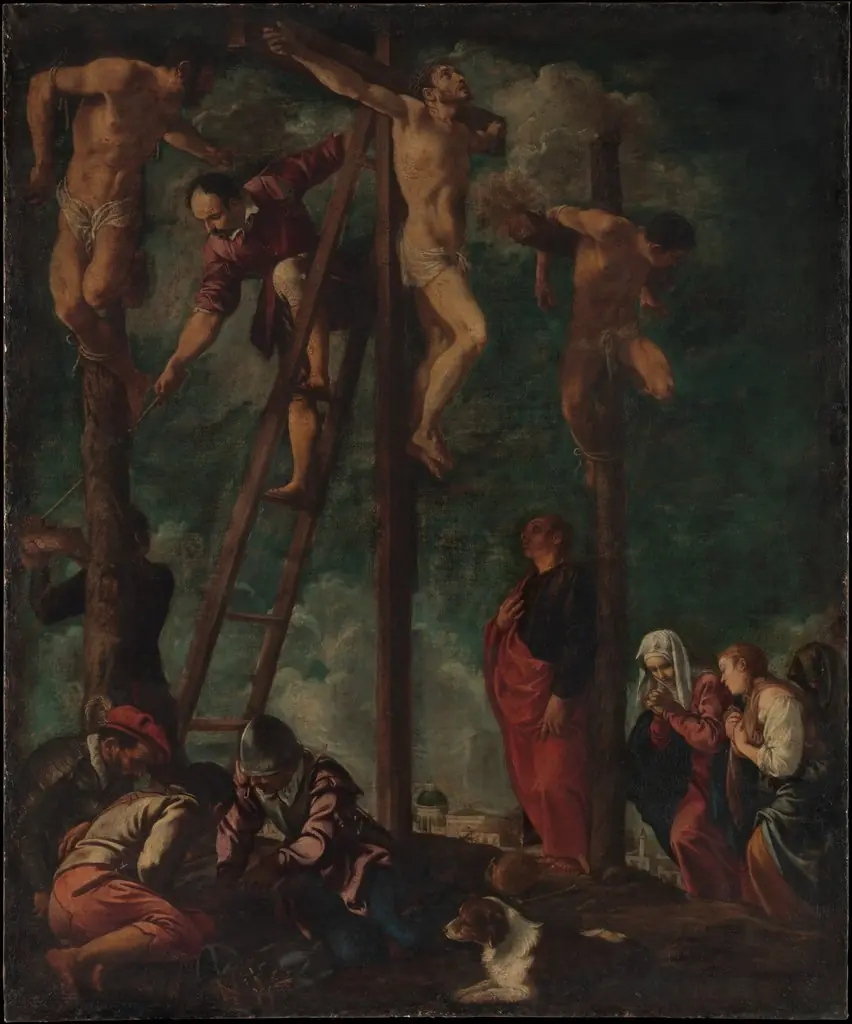 The Crucifixion
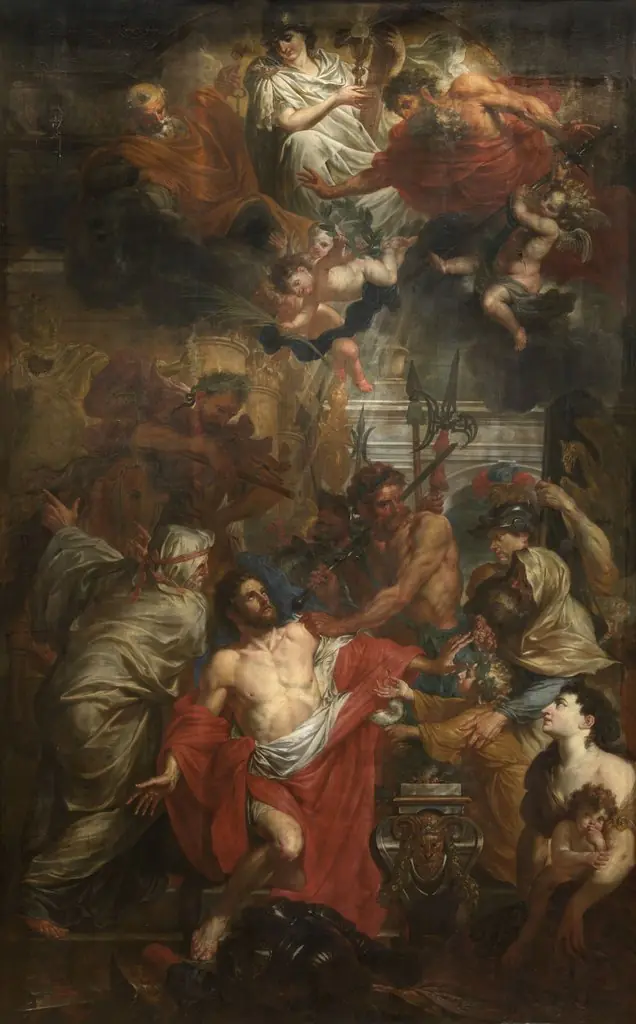 The Martyrdom of Saint George
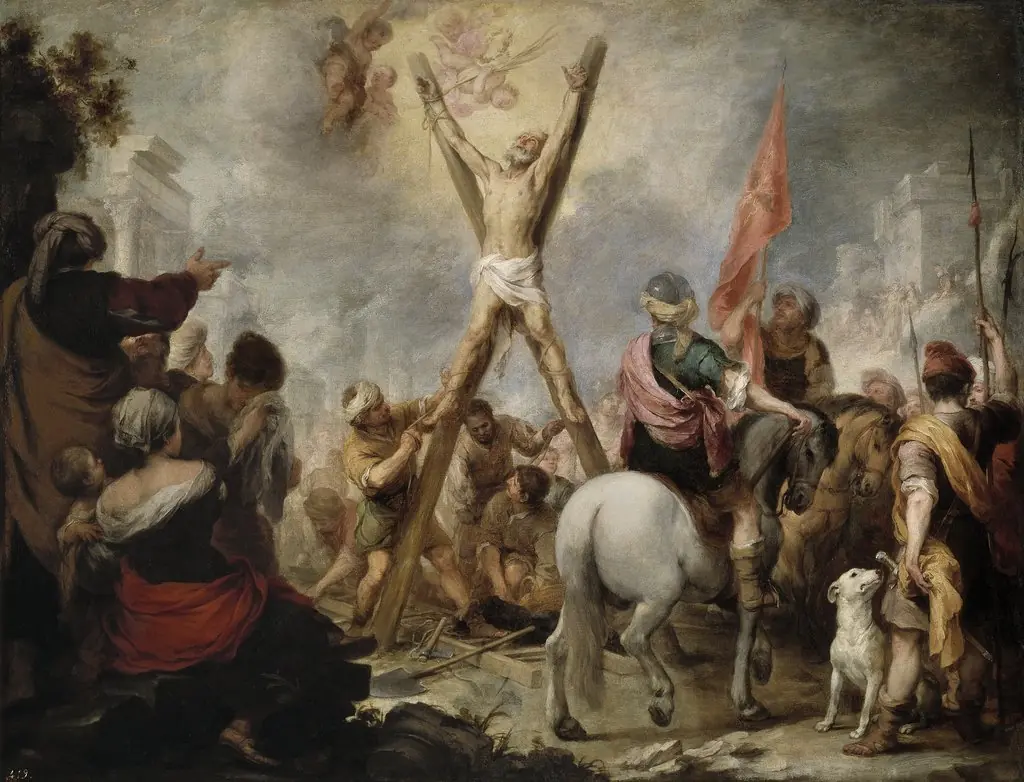 The Martyrdom of St. Andrew
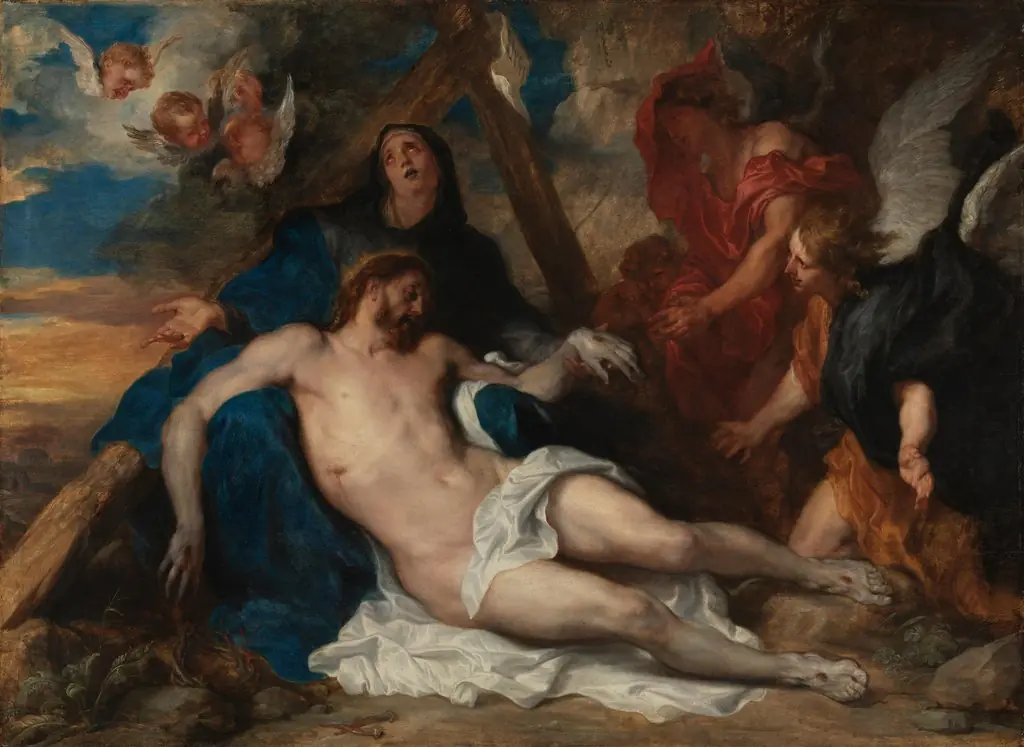 Lamentation of Christ
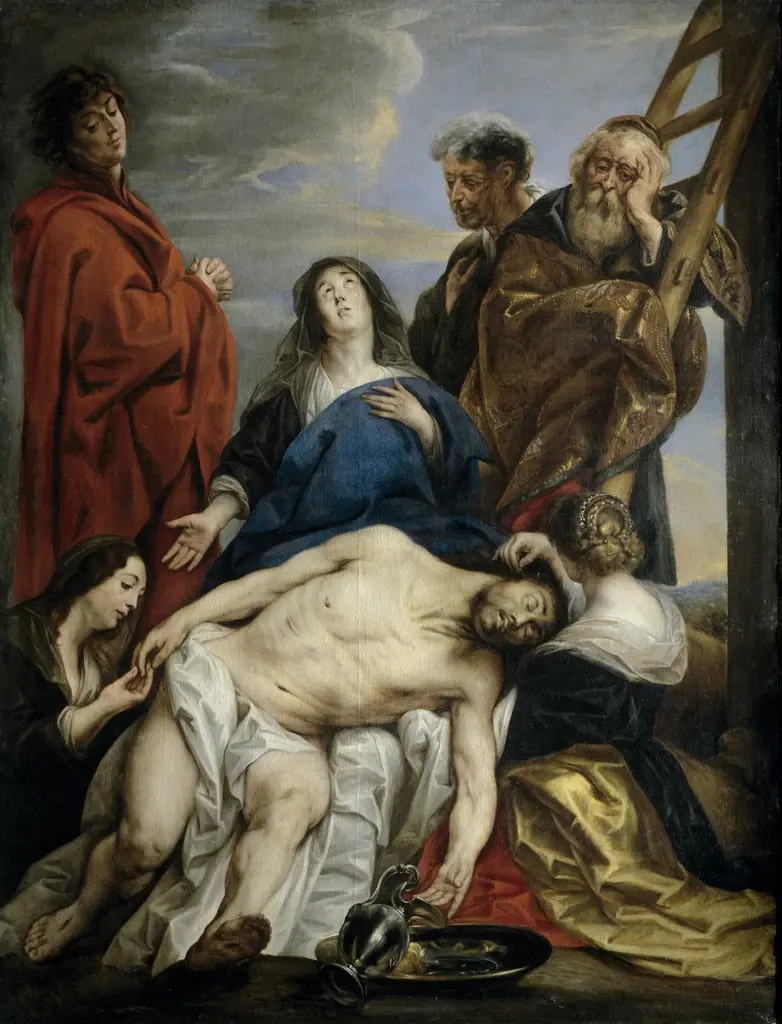 Pietà
Pietà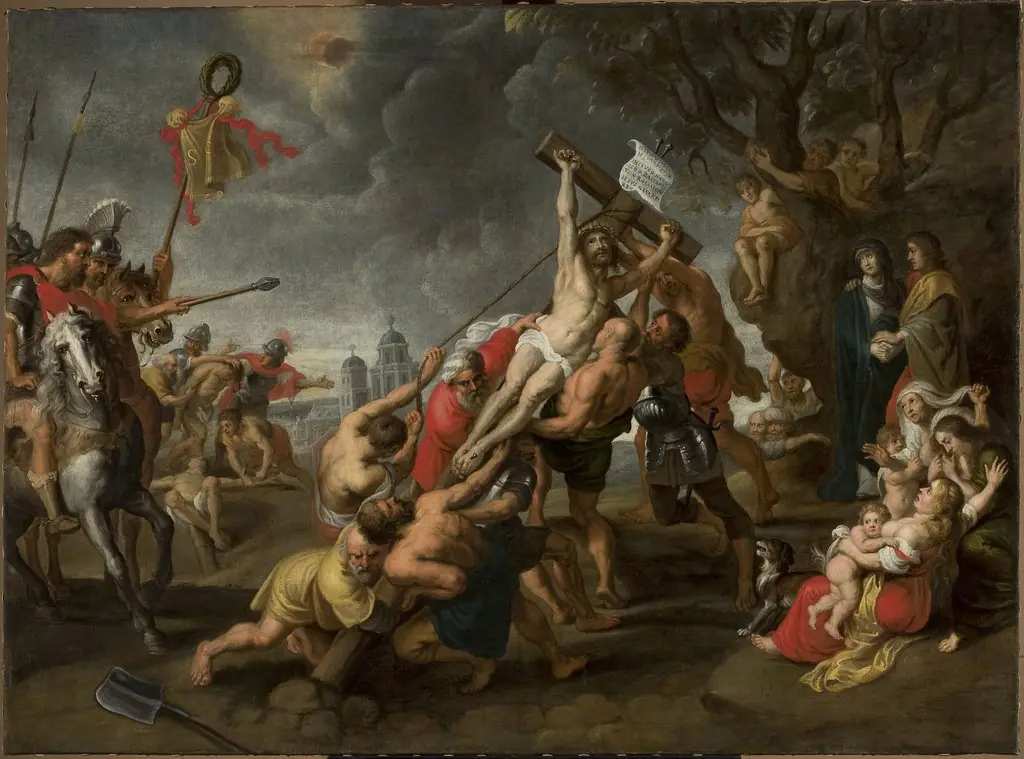 Golgotha (Matthew 27:35-38; Mark 15:24-27; Luke 23:33; John 19:18)
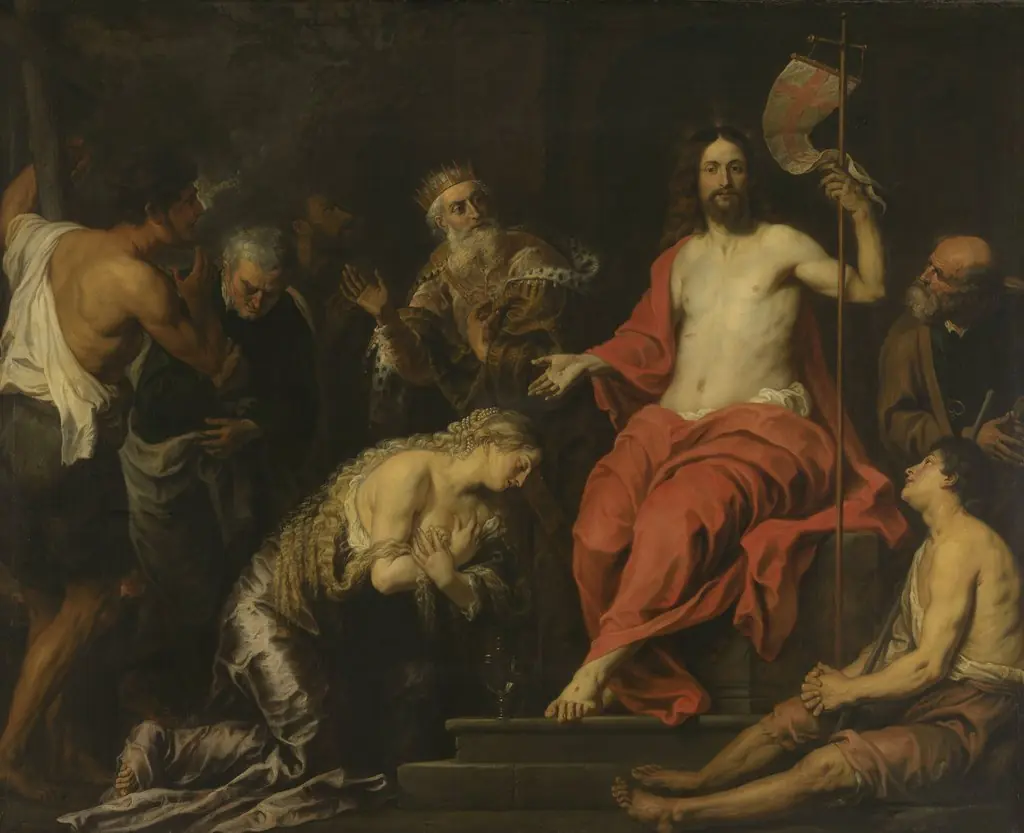 Christ and the repentant sinners
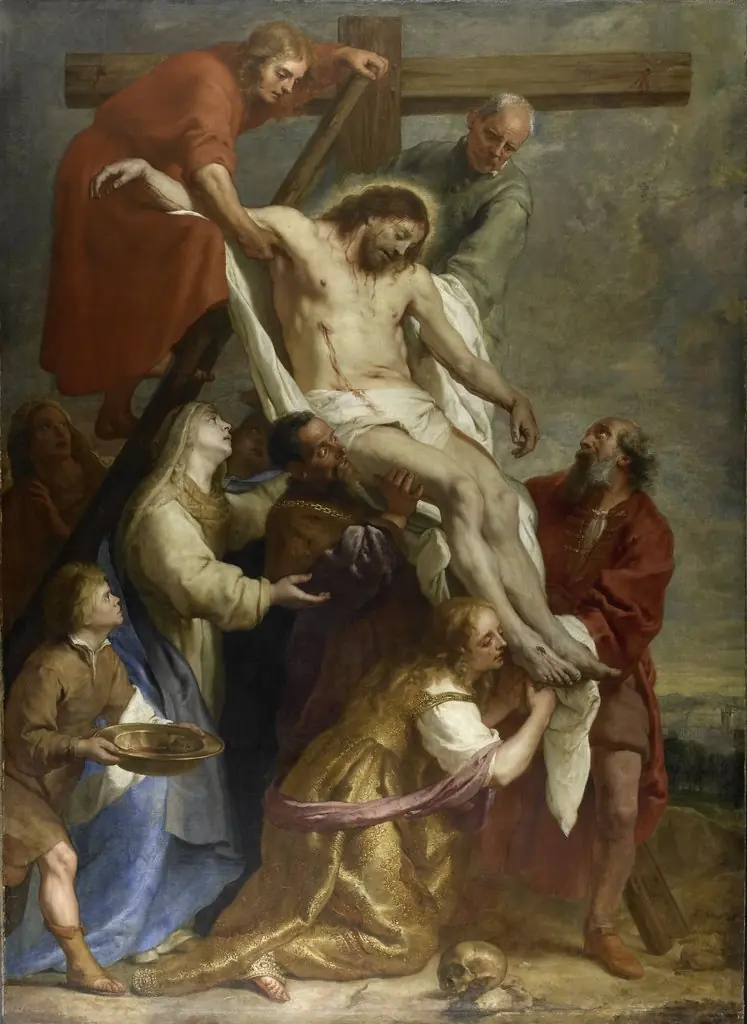 The descent from the cross