Artwork
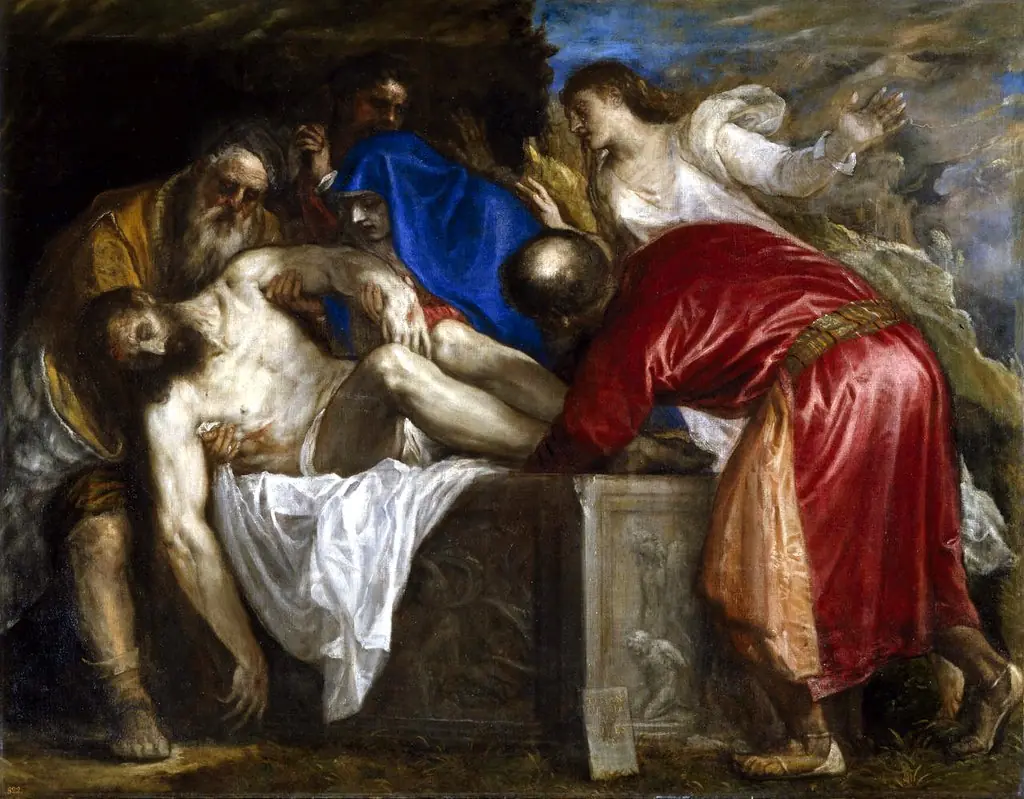
The Entombment
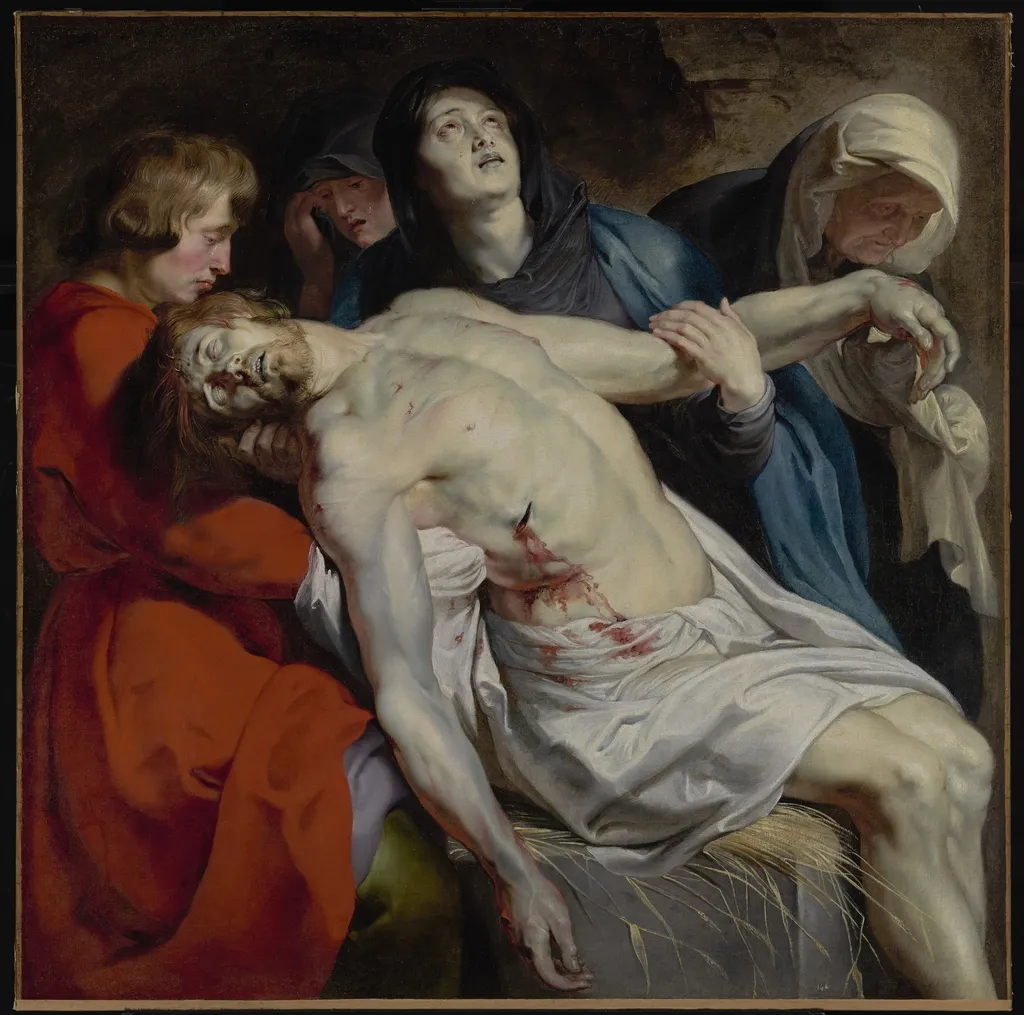
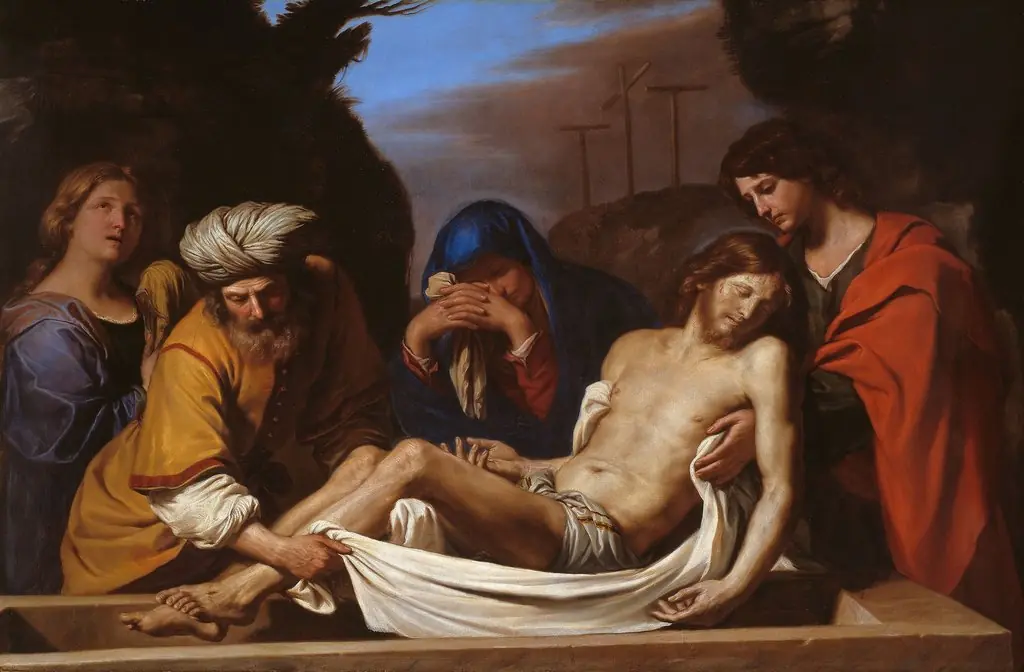
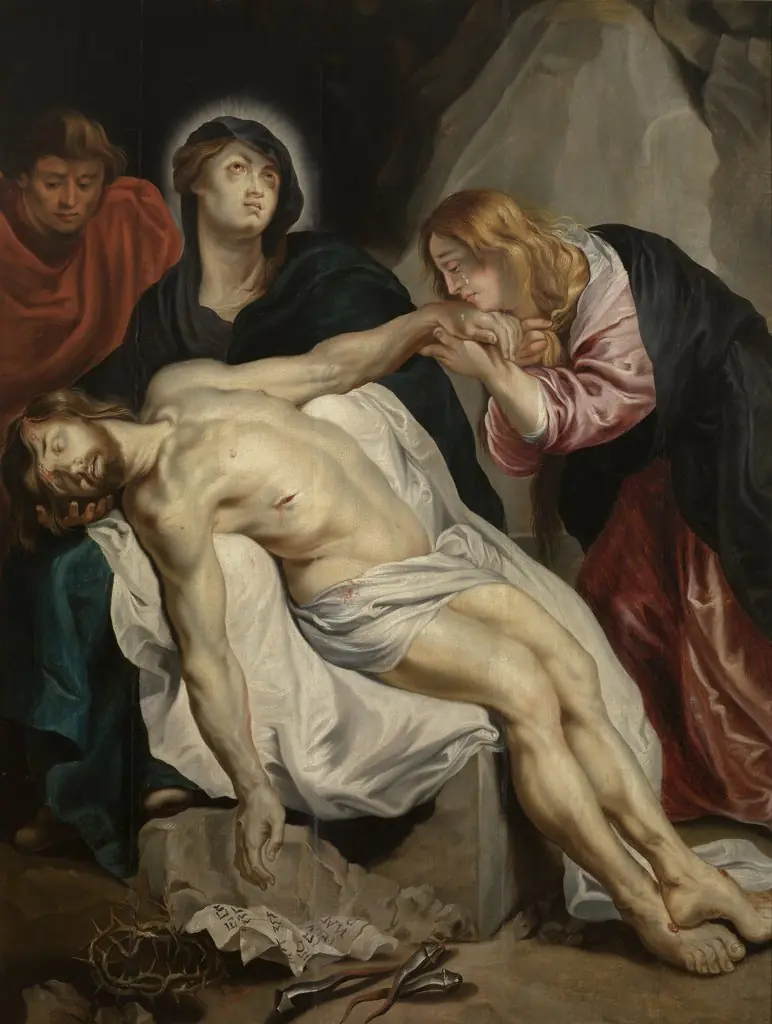
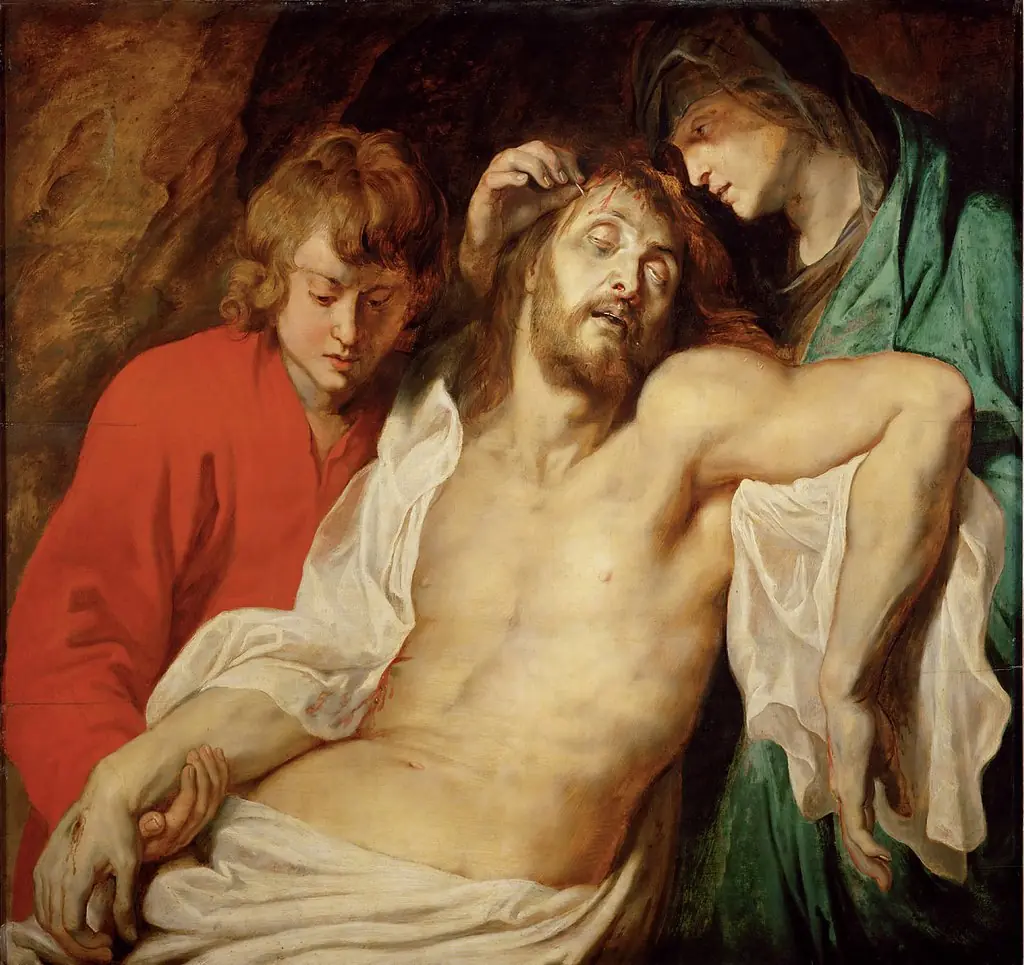
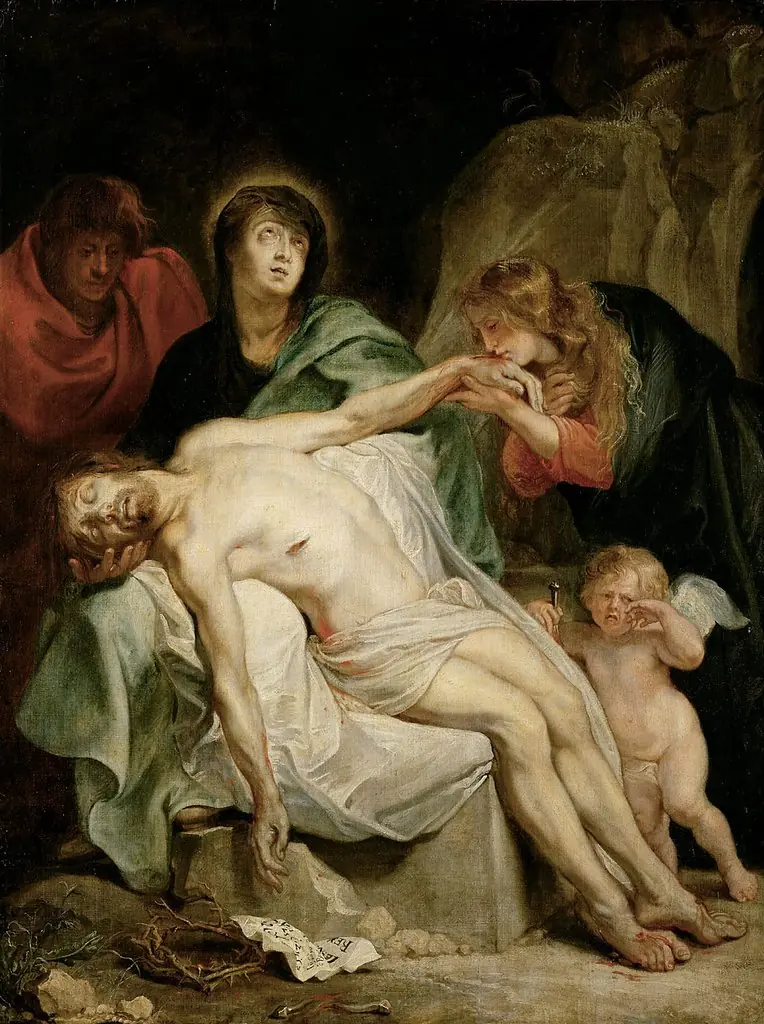
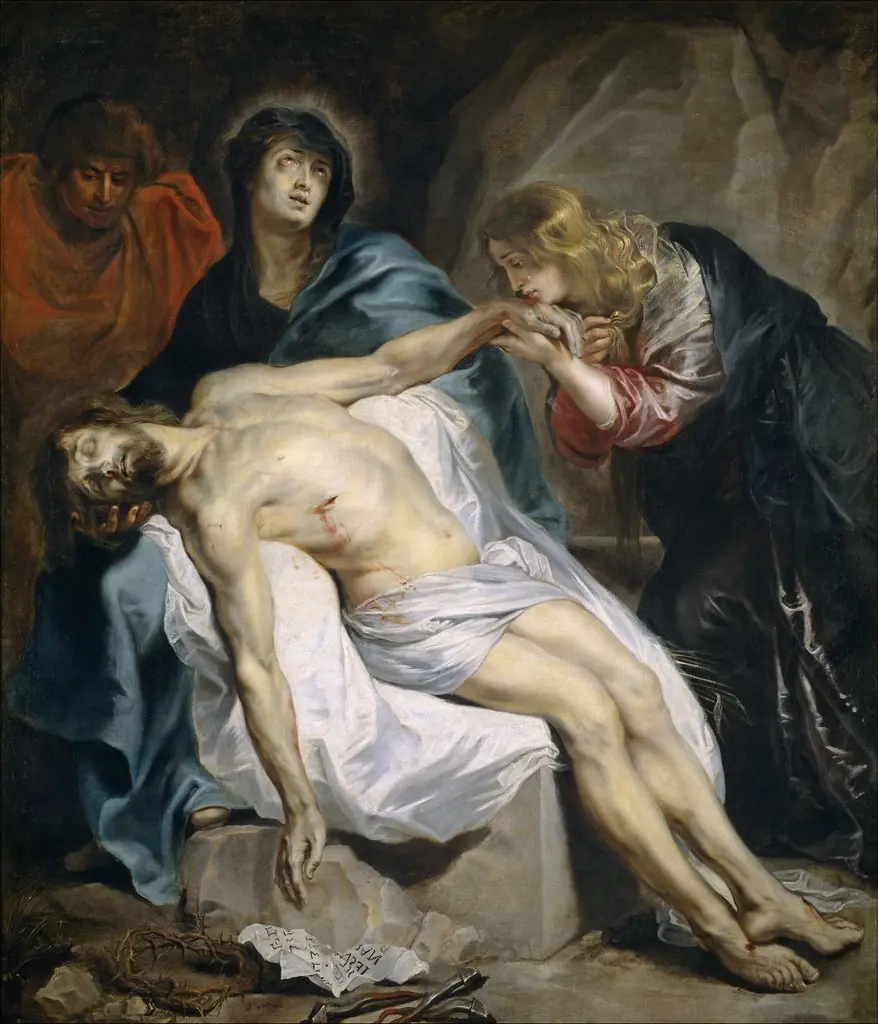
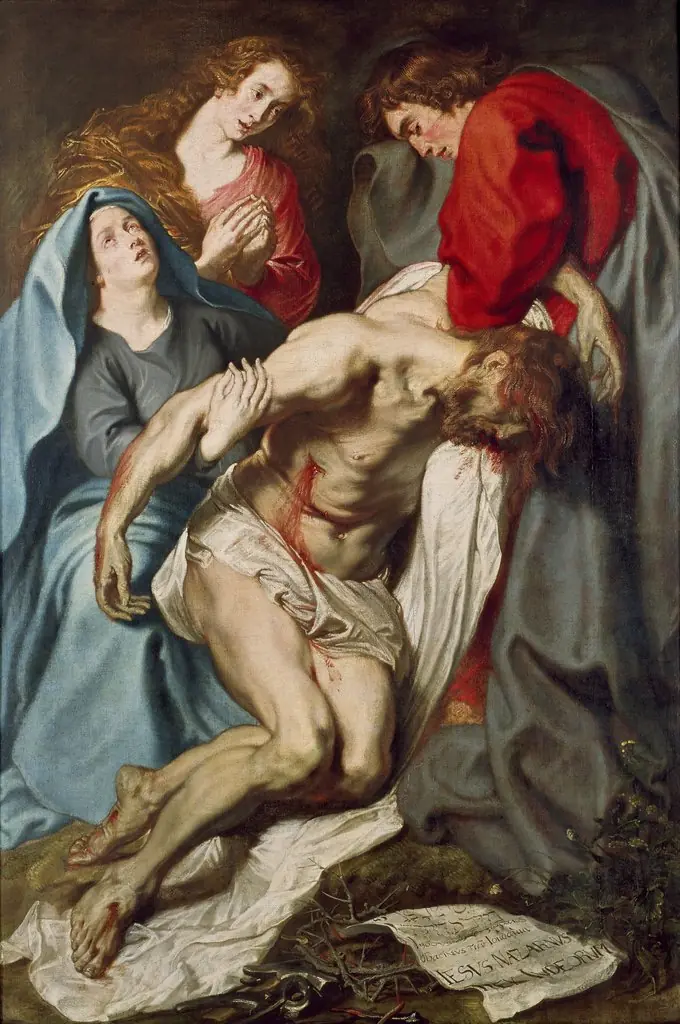
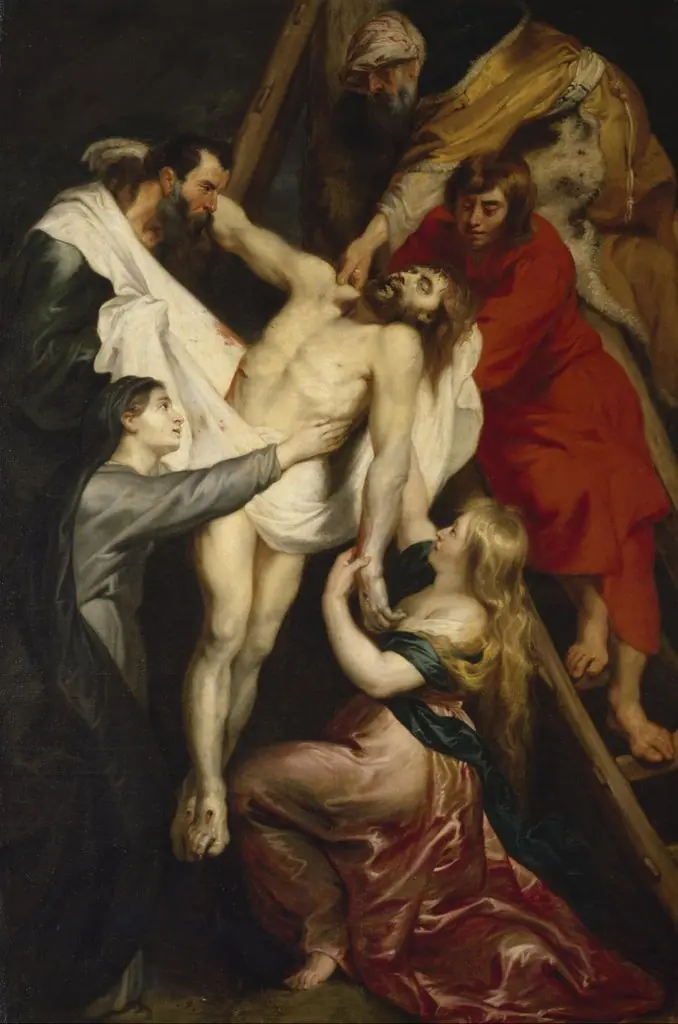
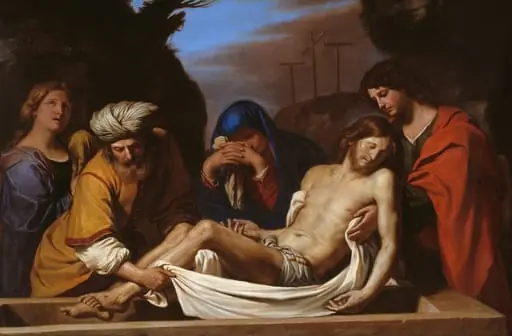
The Entombment is an oil painting by the Flemish Baroque painting artist Peter Paul Rubens. It dates from 1612 and is held in the collection of the J. Paul Getty Museum.
About this work
Overview
Painted in 1612 by Peter Paul Rubens, *The Entombment* is an oil-on-canvas work that captures the moment Christ’s body is laid to rest.
Painted in 1612 by Peter Paul Rubens, *The Entombment* is an oil-on-canvas work that captures the moment Christ’s body is laid to rest. Executed during the height of the Flemish Baroque, the painting reflects Rubens’s mastery of emotional intensity and physical presence. It is now held in the collection of the J. Paul Getty Museum, where it stands as a key example of early 17th-century Northern European religious art.
Subject & Meaning
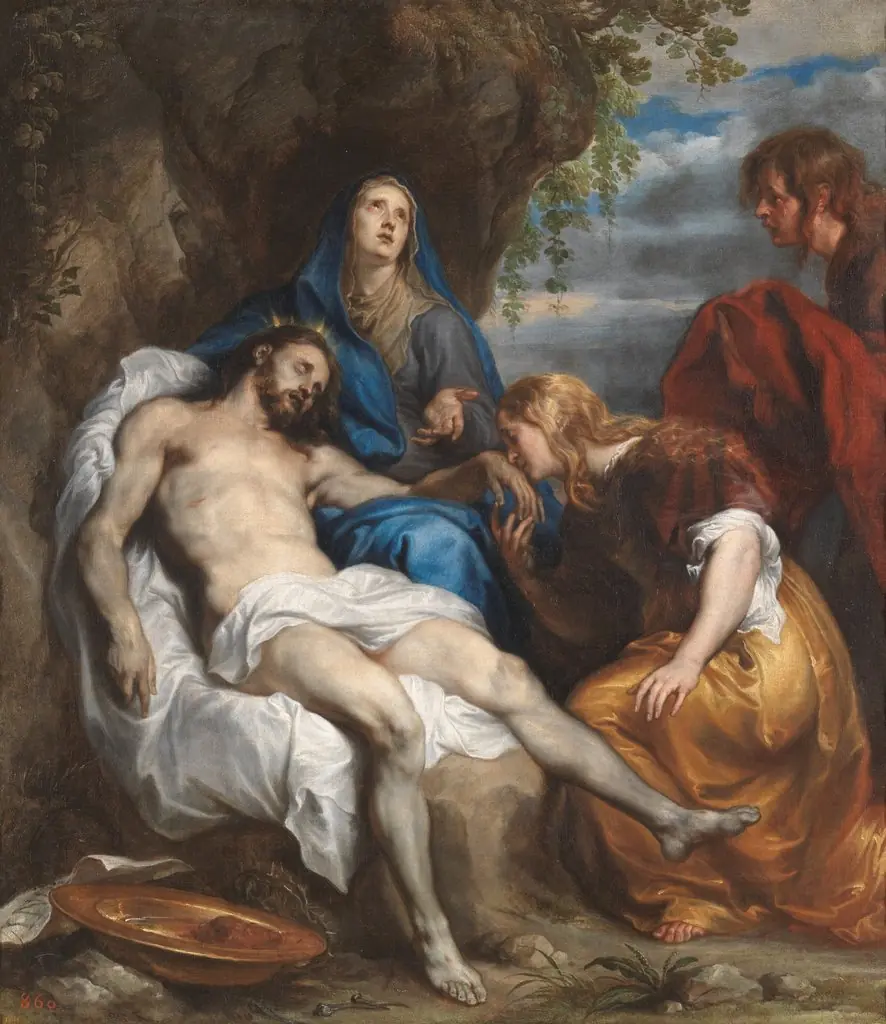
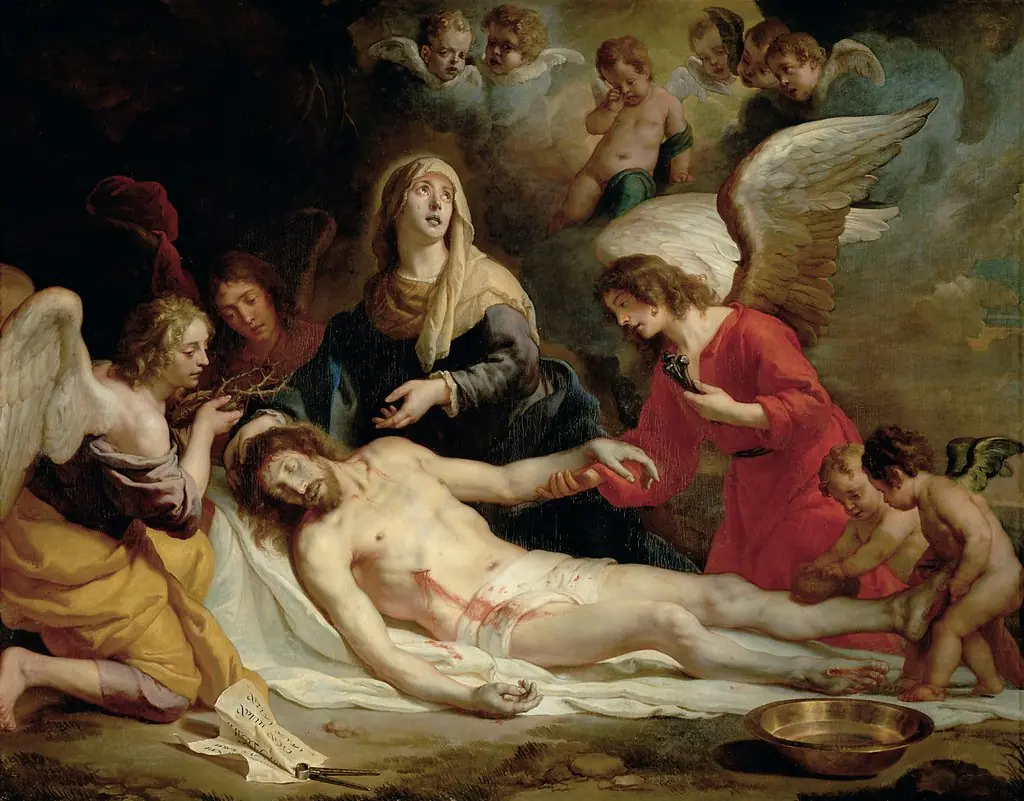
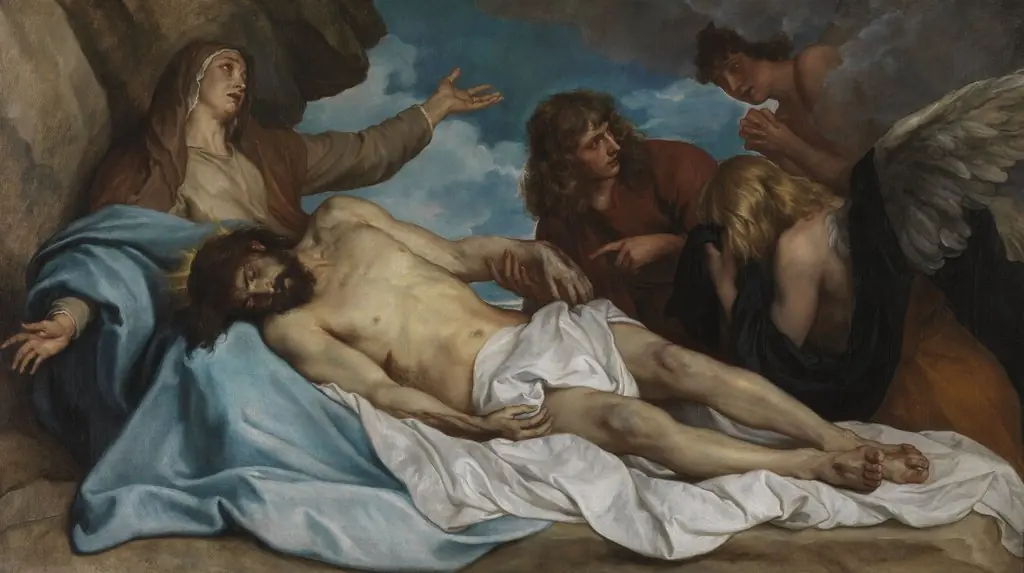
The scene portrays the deposition of Christ’s body after the crucifixion, with figures gently lowering the wrapped corpse into a shallow grave. His pale, wounded form—marked by the spear wound and abrasions—draws focus amid the somber group. The mourners, including women and disciples, express quiet grief, emphasizing human sorrow and sacred duty. The composition avoids overt drama, instead conveying reverence through stillness and physical tenderness.
Technique & Style
Rubens employs chiaroscuro to model the figures with dramatic light and shadow, enhancing the three-dimensionality of the body and drapery. His brushwork is both vigorous and precise, rendering textures from skin to fabric with tactile realism. The dark, muted background isolates the central group, heightening emotional gravity. The figures are arranged in a compact, pyramidal structure, guiding the viewer’s gaze toward Christ’s still form.
History & Provenance
Commissioned for a private chapel in Antwerp, the painting entered the Getty Museum’s collection in the late 20th century. Its early history is documented through church records and Rubens’s studio ledgers, confirming its creation date and original context. It remained in private hands for centuries before being acquired by the museum, where it has since been studied for its technical and iconographic significance.
Context
Created during Rubens’s mature period, the work reflects his synthesis of Venetian color, Roman monumentality, and Flemish detail. While influenced by Italian Renaissance compositions, Rubens infused the scene with a palpable physicality characteristic of Northern European traditions. The painting responds to Counter-Reformation demands for emotionally resonant religious imagery, balancing solemnity with human immediacy.
Legacy
*The Entombment* exemplifies Rubens’s ability to merge classical form with spiritual gravity, influencing generations of Baroque painters across Europe. Its restrained emotion and sculptural figures became a reference point for religious scenes in the 17th century. Though less celebrated than his larger altarpieces, this work remains a refined study in composition, gesture, and the quiet dignity of mourning.
Artist & collection
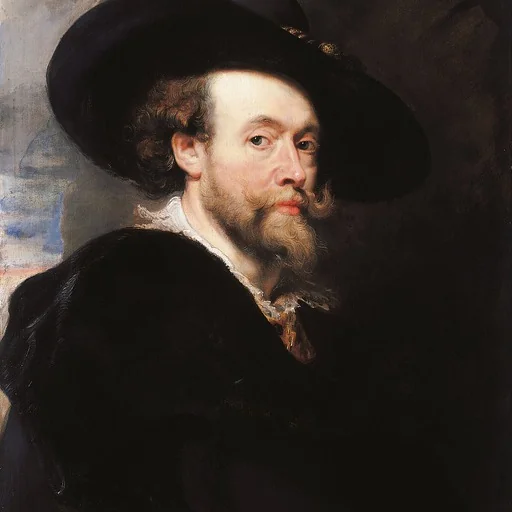
Artist
Sir Peter Paul Rubens ( ROO-bənz; Dutch: ; 28 June 1577 – 30 May 1640) was a Flemish artist and diplomat.