Artwork
The Four Philosophers
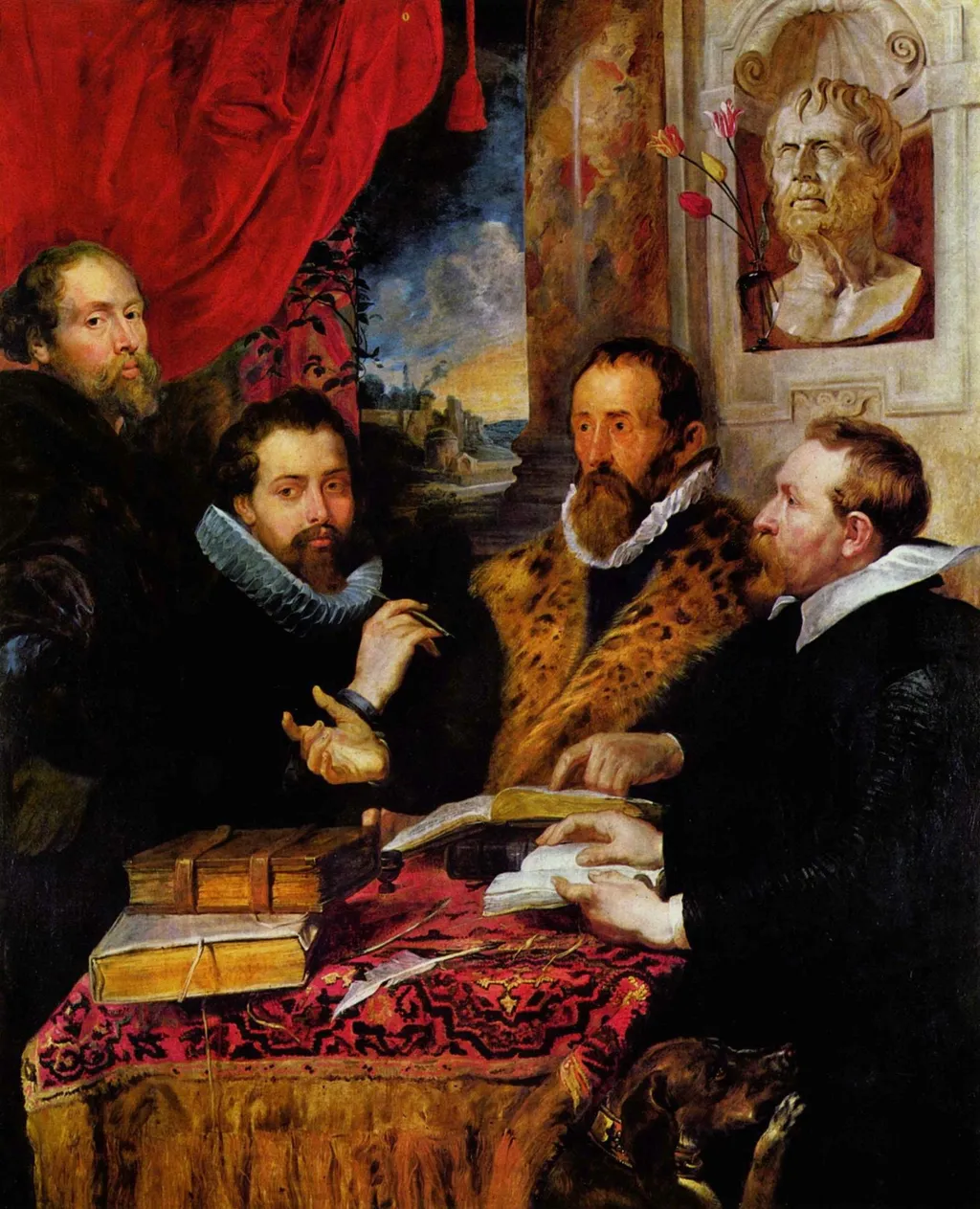
The Four Philosophers is an oil painting by the Flemish Baroque painting artist Peter Paul Rubens. It dates from 1611 and is held in the collection of the Galleria Palatina.
About this work
Overview
Peter Paul Rubens created The Four Philosophers between 1611 and 1612, executing the work in oil on a wooden panel. Today the painting belongs to the collection of the Galleria Palatina in Florence’s Palazzo Pitti. It portrays a small group of bearded men gathered around a table strewn with books and papers, illuminated by a soft, directional light that emphasizes their faces and gestures.
Subject & Meaning
The presence of a bust—identified as a copy of a Hellenistic portrait of the poet Hesiod—underscores the classical learning that informs their discussion.
The composition brings together Rubens himself, his brother Philip Rubens, the humanist Justus Lipsius, and the scholar Joannes Woverius. The gathering reflects the intellectual climate of early‑seventeenth‑century neostoicism, a philosophical synthesis championed by Lipsius that combined Stoic ethics with Christian thought. The presence of a bust—identified as a copy of a Hellenistic portrait of the poet Hesiod—underscores the classical learning that informs their discussion.
Technique & Style
Rubens employs a restrained chiaroscuro, allowing the warm glow from a window to model the figures while casting the surrounding space into gentle shadow. The rich textures of fur‑trimmed coats and sumptuous fabrics are rendered with his characteristic fluid brushwork, creating a tactile sense of materiality. The careful arrangement of books and papers contributes to a sense of scholarly rigor within the intimate setting.
History & Provenance
After its creation, the painting entered the Medici‑Pitti collection, eventually becoming part of the Galleria Palatina’s holdings. It was documented in Johan Zoffany’s 1772 work The Tribuna of the Uffizi, where it appears among other celebrated works, confirming its recognition within European art circles by the late eighteenth century.
Context
Rubens painted the work during a period of intense intellectual exchange in the Low Countries, where his brother Philip, a classical scholar, had recently died. The inclusion of Lipsius, a leading figure in neostoic thought, situates the painting within broader debates about the role of ancient philosophy in contemporary moral life, reflecting the artist’s own engagement with humanist ideas.
Own this work as a print
Artist & collection
Artist
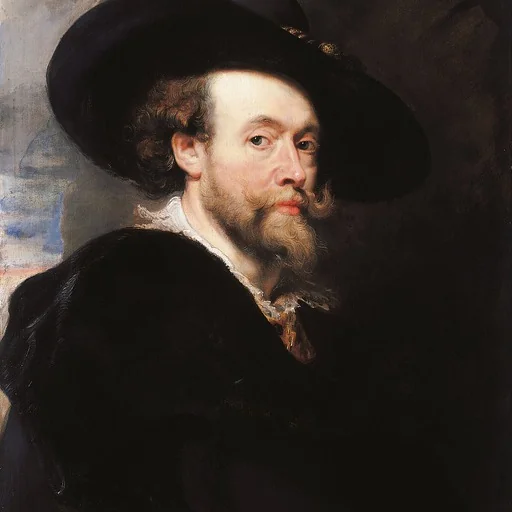
Sir Peter Paul Rubens ( ROO-bənz; Dutch: ; 28 June 1577 – 30 May 1640) was a Flemish artist and diplomat.

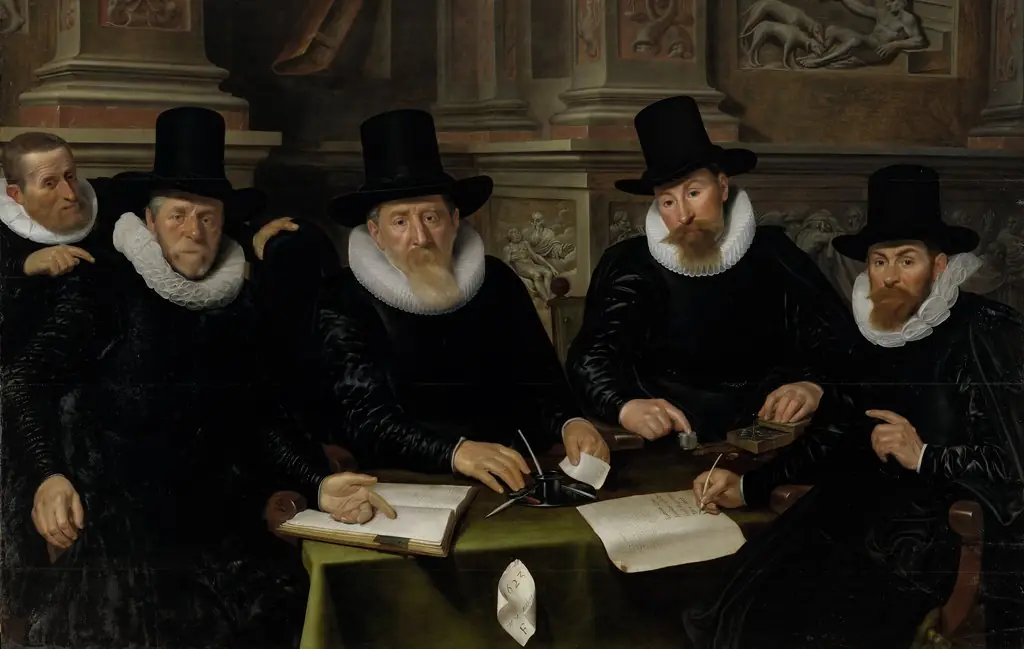 Four Regents and the ‘House Father’ of the Amsterdam Lepers’ Asylum
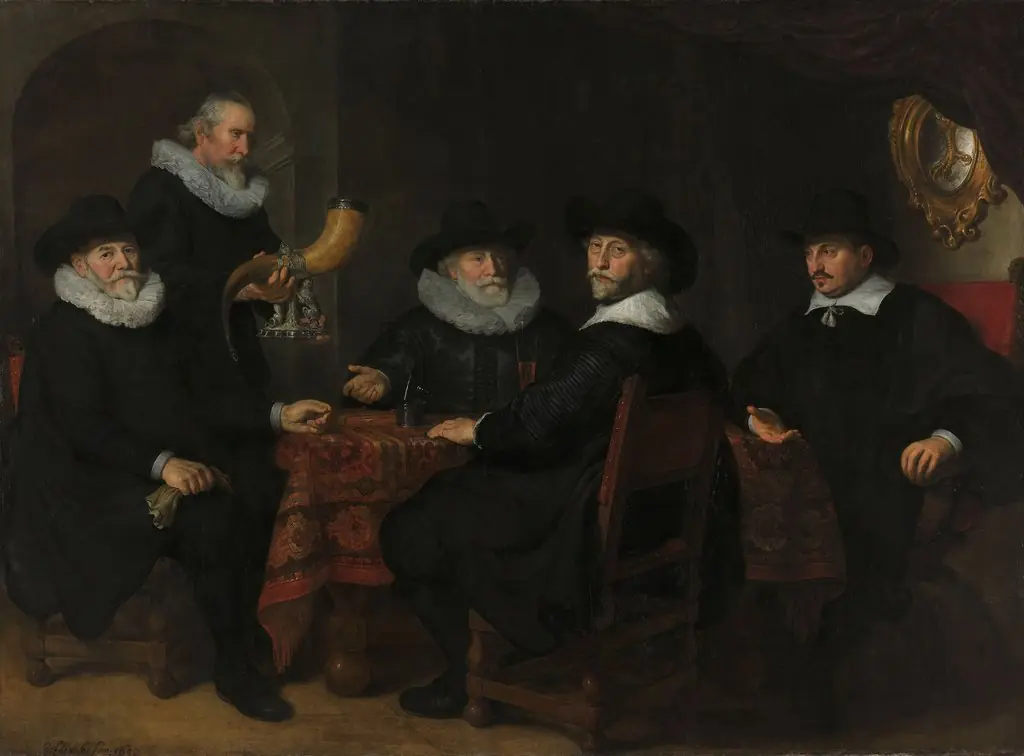 Four directors of the arquebusier's guild, Amsterdam, 1642
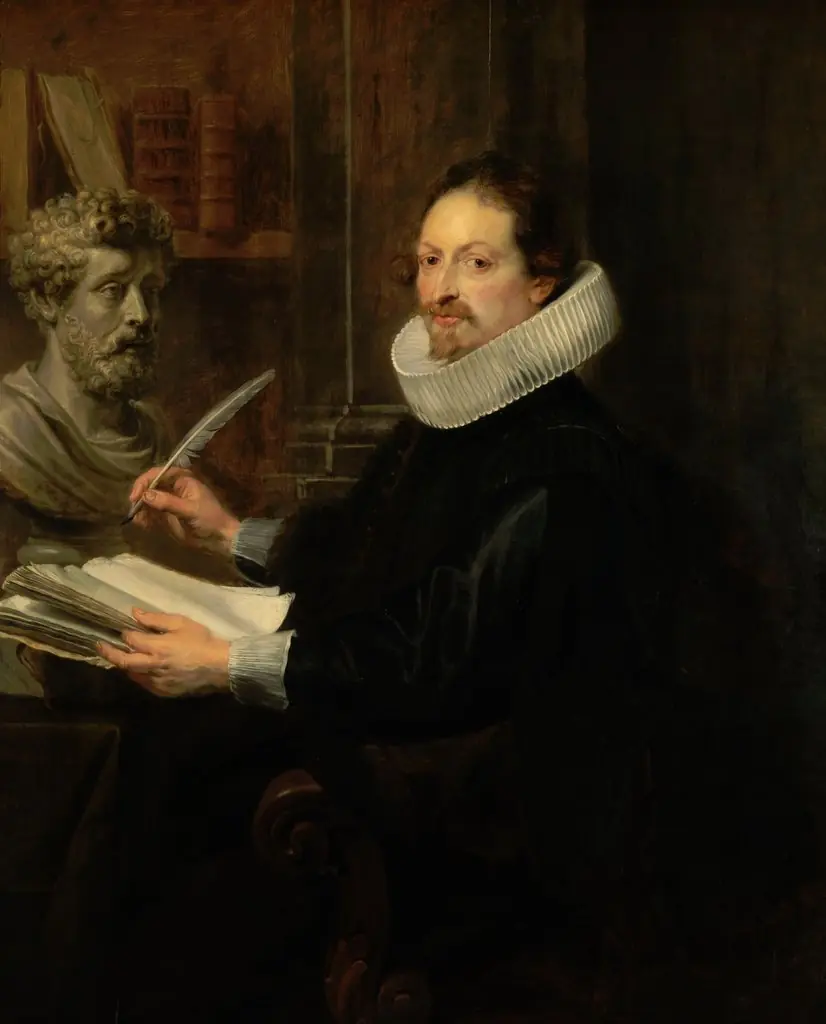 Joannes Gaspard Gevartius, (1593-1666)
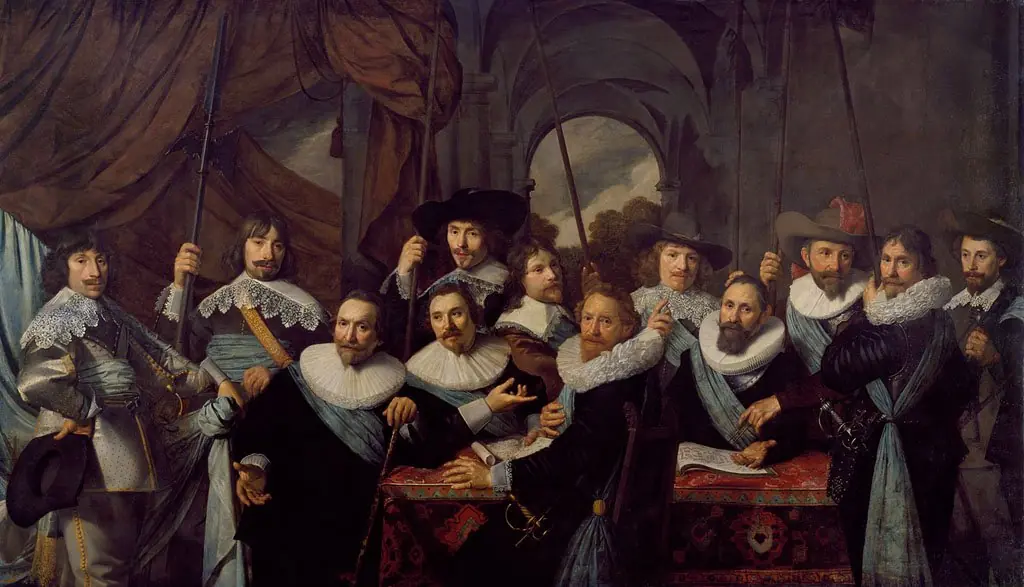 Members of the civic guard company of Captain Dirck Tholinx and Lieutenant Pieter Adriaenszn Raep
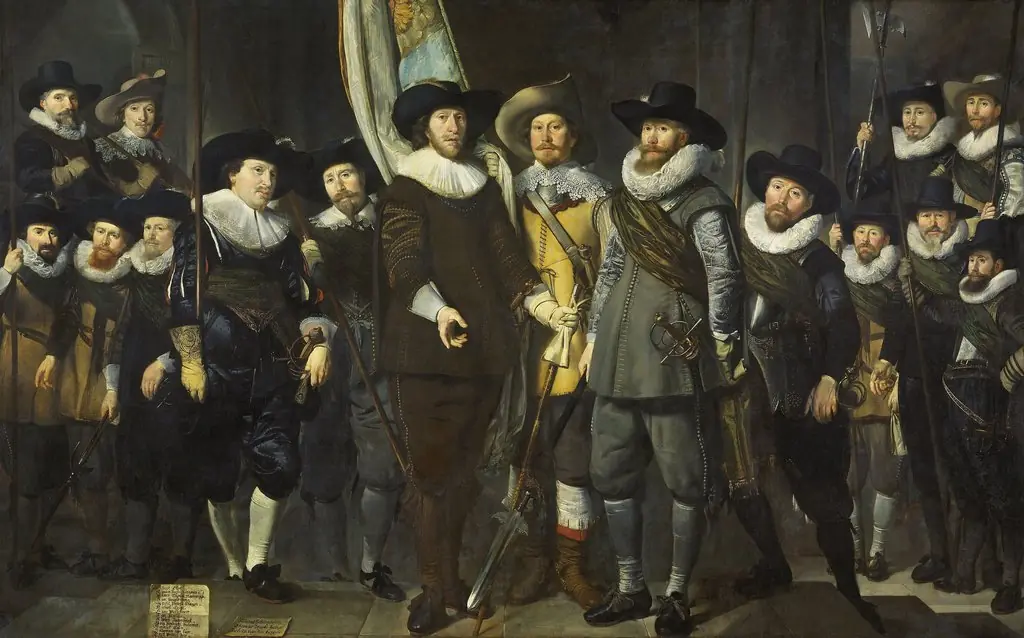 Officers and other civic guardsmen of the IIIrd District of Amsterdam, under the command of Captain Allaert Cloeck and Lieutenant Lucas Jacobsz Rotgans
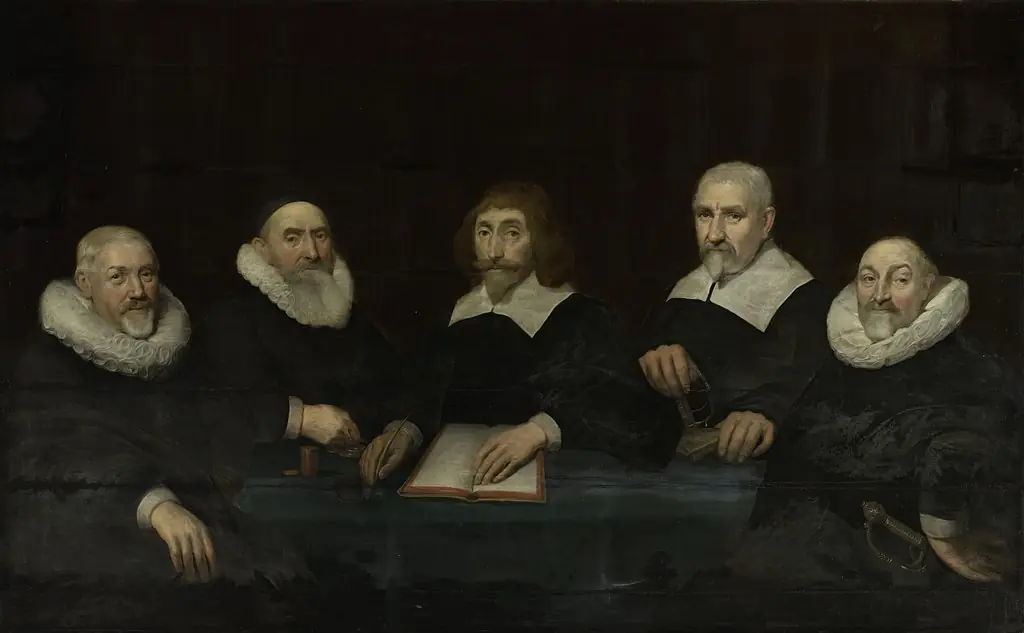 The regents of the Tuchthuis (house of correction) in Middelburg, 1643