Artwork
The Miracles of Saint Francis of Paola
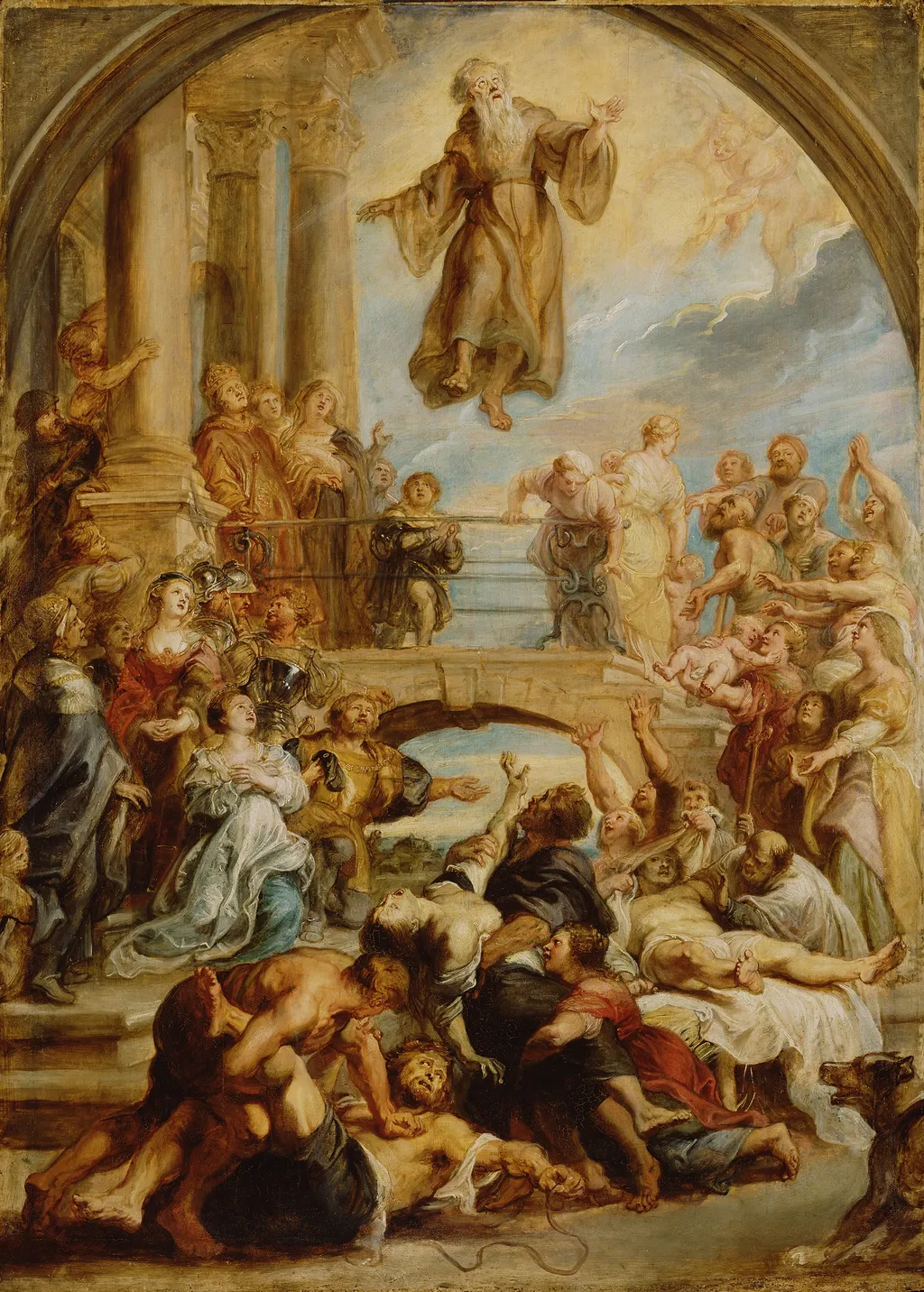
The Miracles of Saint Francis of Paola is an oil painting by the Flemish Baroque painting artist Peter Paul Rubens. It dates from 1627 and is held in the collection of the J. Paul Getty Museum.
About this work
Overview
As a leading figure in the Flemish Baroque tradition, Rubens rendered the scene with theatrical intensity and rich chromatic harmony.
Painted in 1627 by Peter Paul Rubens, this oil-on-canvas work illustrates a moment from the life of Saint Francis of Paola. As a leading figure in the Flemish Baroque tradition, Rubens rendered the scene with theatrical intensity and rich chromatic harmony. The painting is held in the collection of the J. Paul Getty Museum, where it exemplifies the period’s fusion of religious devotion and visual dynamism.
Subject & Meaning
The scene captures Saint Francis of Paola suspended mid-air above a bridge, his outstretched arms and luminous halo signaling divine intervention. Below, a crowd of onlookers—some injured, others in anguish—react with awe and urgency. The miracle depicted reflects accounts of the saint’s ability to defy gravity, symbolizing spiritual authority and the power of faith to transcend physical limits.
Technique & Style
Rubens employed chiaroscuro to model forms with dramatic light and shadow, enhancing the three-dimensionality of figures and the emotional gravity of the moment. Brushwork is fluid yet precise, with vibrant hues in garments and sky contrasting against deeper tones in the architecture and crowd. The composition directs the eye upward, reinforcing the celestial nature of the event through diagonal movement and layered spatial depth.
History & Provenance
Commissioned during Rubens’s mature period, the painting was likely intended for a religious institution in the Spanish Netherlands. It entered the Getty Museum’s collection in the late 20th century after passing through private European holdings. Its survival through centuries of political and religious upheaval underscores its enduring significance as a devotional object and artistic achievement.
Context
In the early 17th century, the Catholic Church encouraged imagery of saints performing miracles to reinforce faith amid Protestant Reformation challenges. Rubens, himself a diplomat and devout Catholic, aligned his art with Counter-Reformation ideals. This work reflects broader trends in Flemish painting that prioritized emotional engagement, movement, and divine spectacle to inspire piety.
Legacy
The painting stands as a testament to Rubens’s ability to merge narrative clarity with expressive power. While not among his most widely reproduced works, it remains a key example of how Baroque artists translated hagiographic texts into visceral, human-centered scenes. Its presence in a major public museum ensures continued scholarly and public engagement with early modern religious art.
Artist & collection
Artist
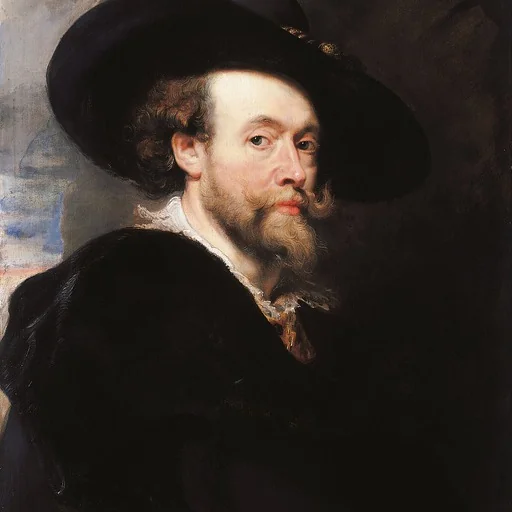
Sir Peter Paul Rubens ( ROO-bənz; Dutch: ; 28 June 1577 – 30 May 1640) was a Flemish artist and diplomat.

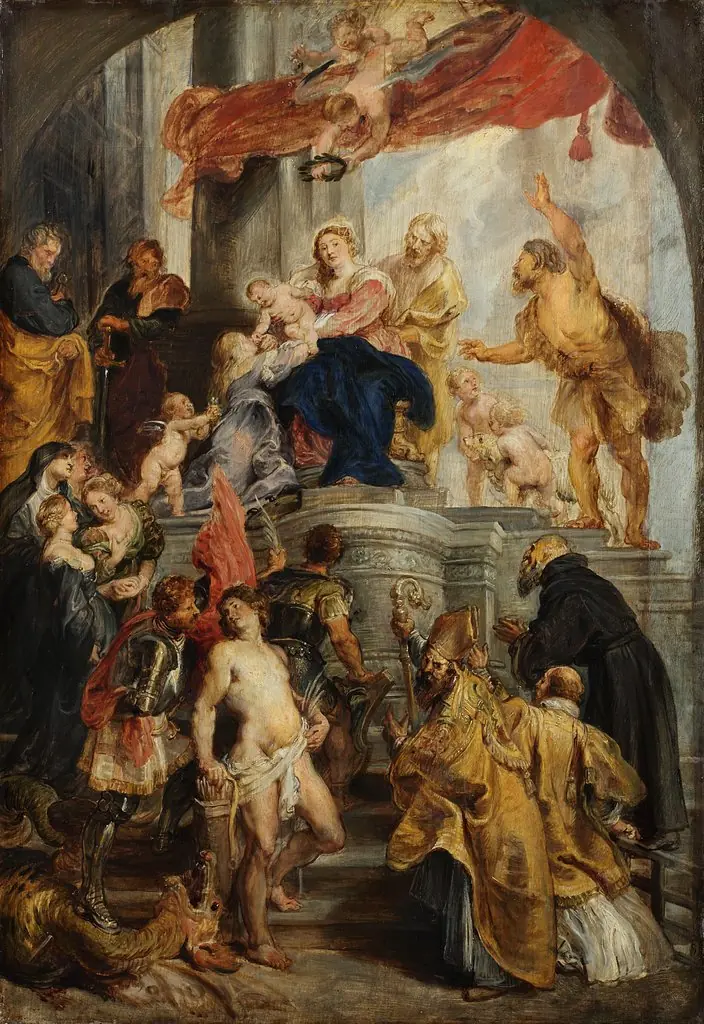 The Virgin and Child Enthroned with Saints by Peter Paul Rubens
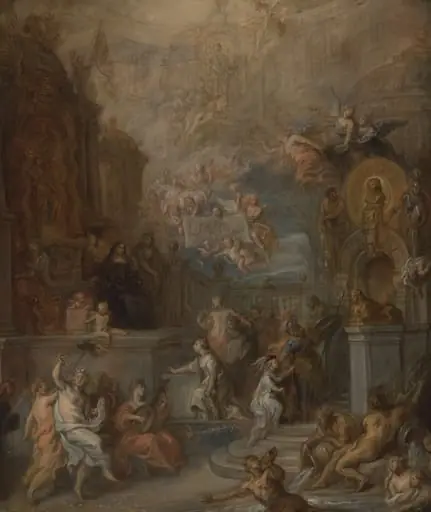 Allegory of the Farewell of William III from Amalia van Solms following the transfer of Regency to the States General
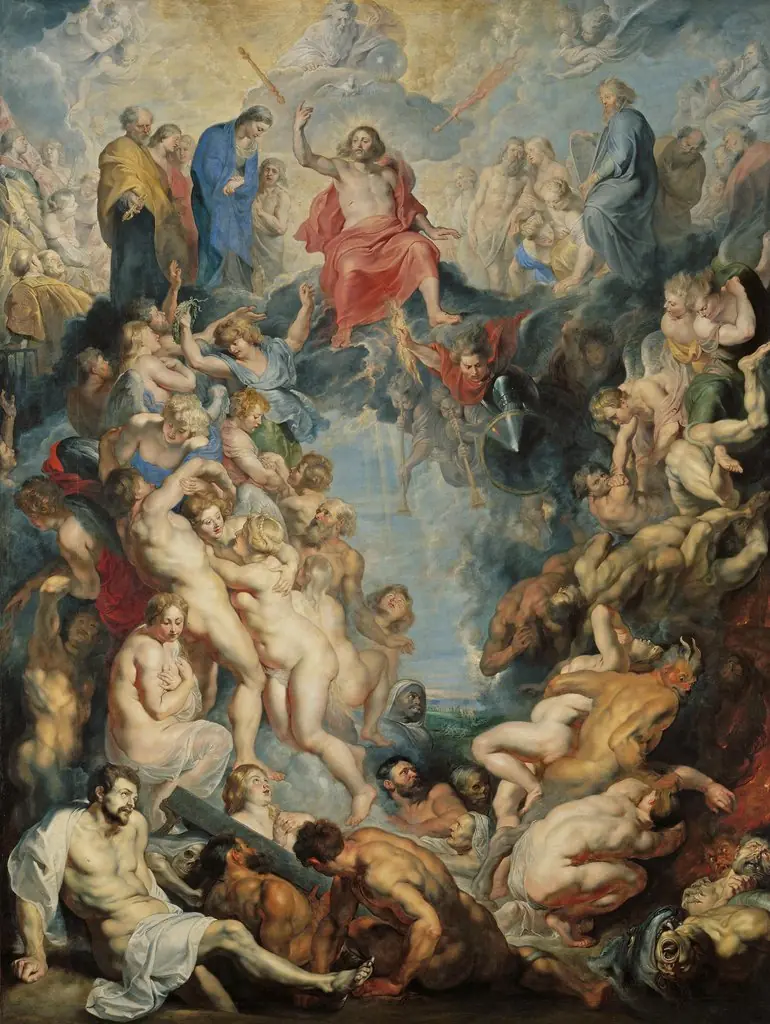 The Great Last Judgement
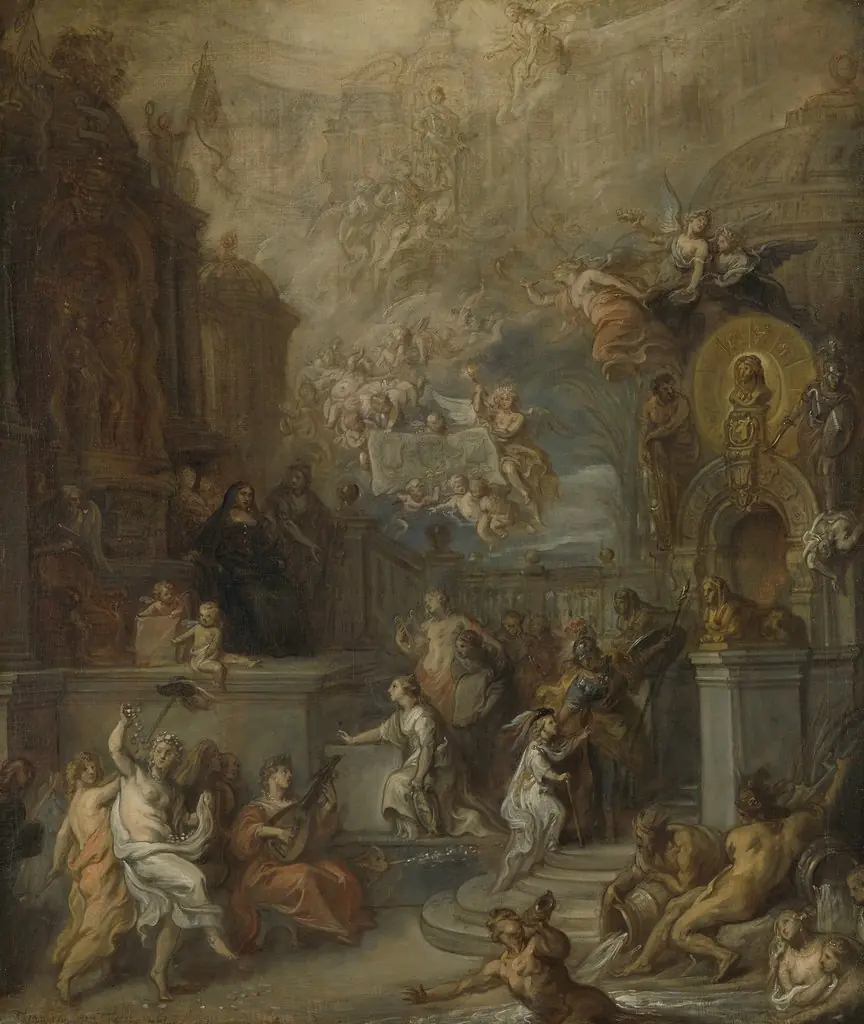 Allegory of William III's leavetaking from Alamia van Solms after the transferral of the regency to the statesgeneral
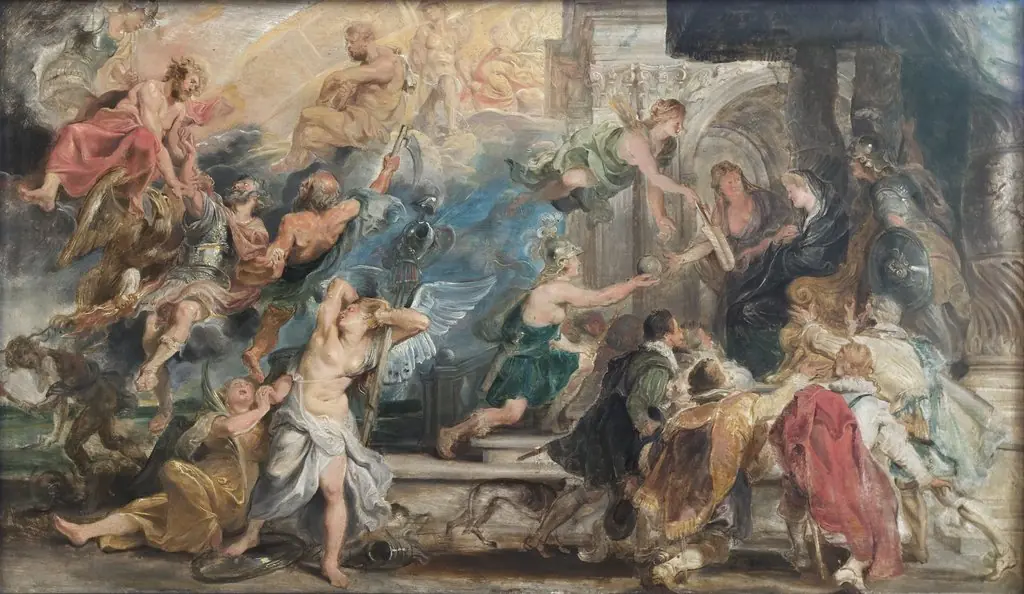 The Apotheosis of Henri IV
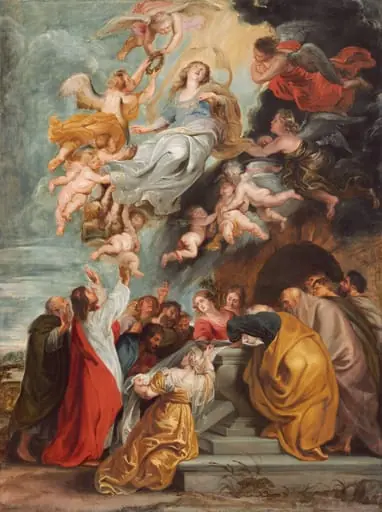 The Assumption of the Virgin
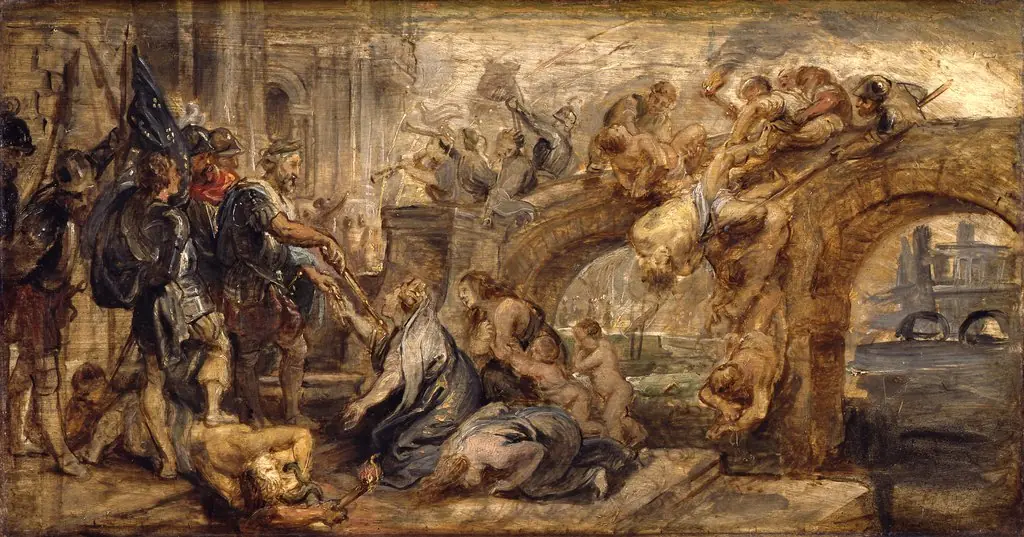 The Entry in Paris by Henry IV
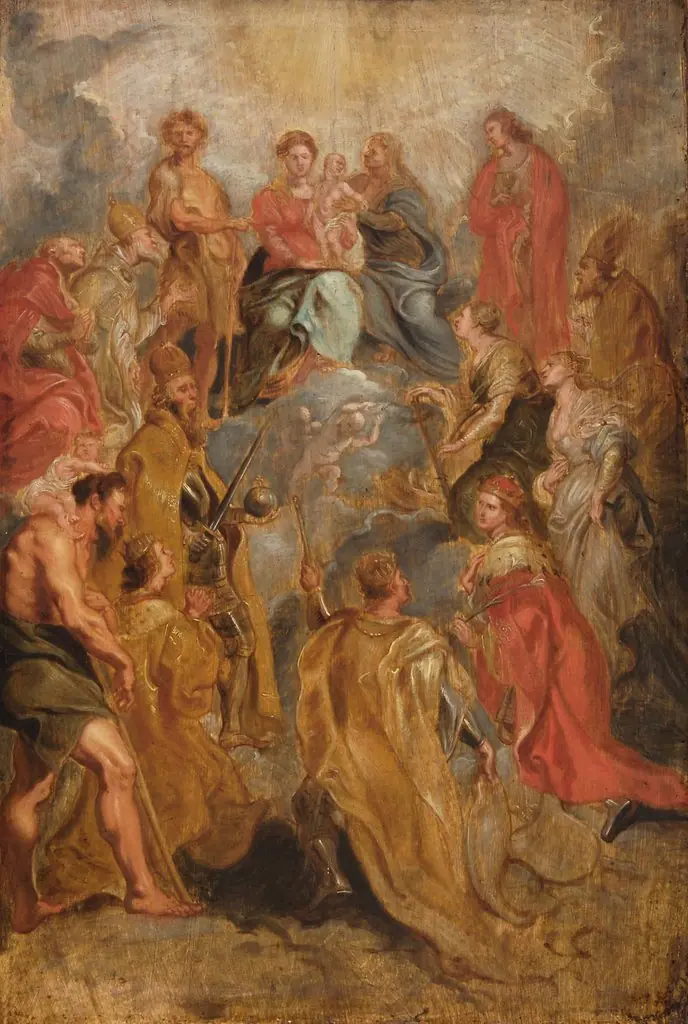 Madonna and Child with Saint Anne
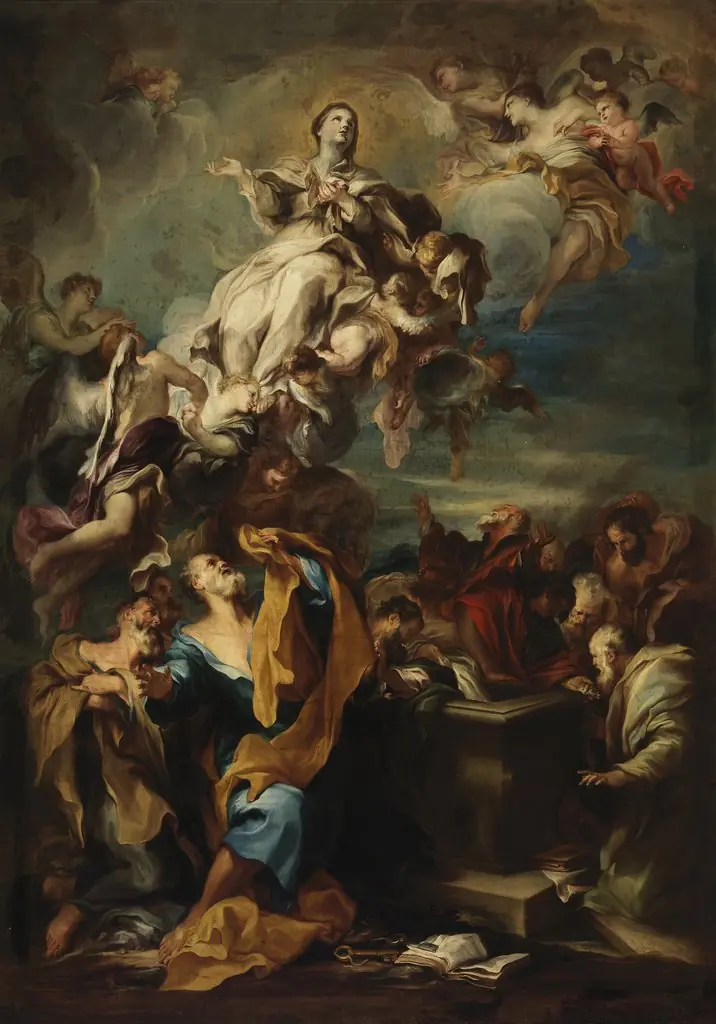 The Assumption of the Virgin
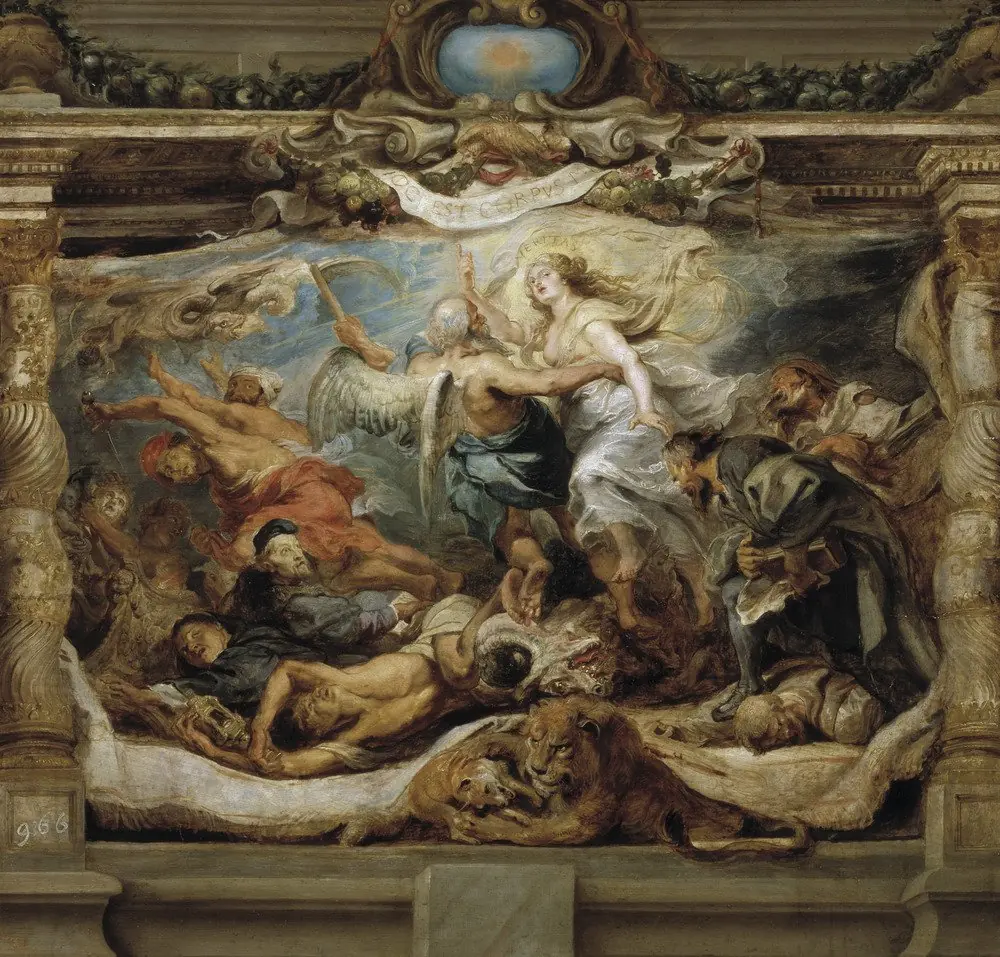 The Victory of Truth over Heresy
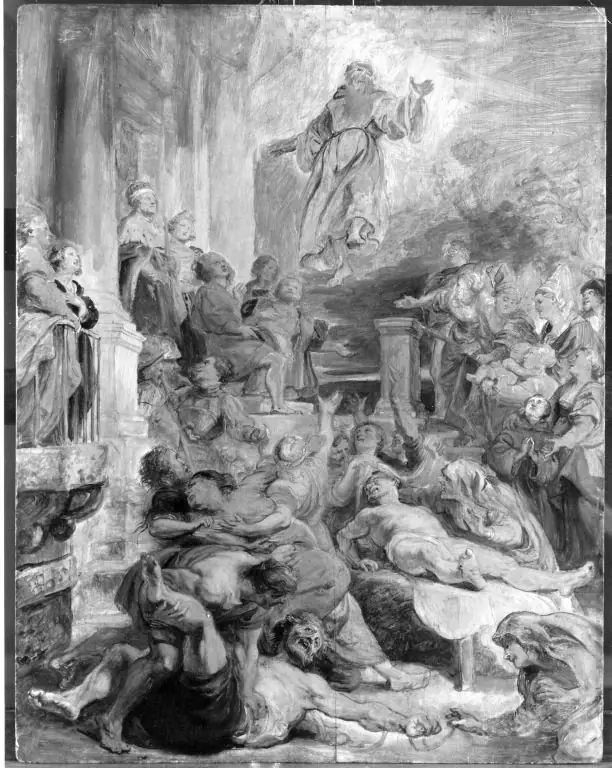 Miracles of St. Francis of Paola (Sketch)