Artwork
The Entry in Paris by Henry IV
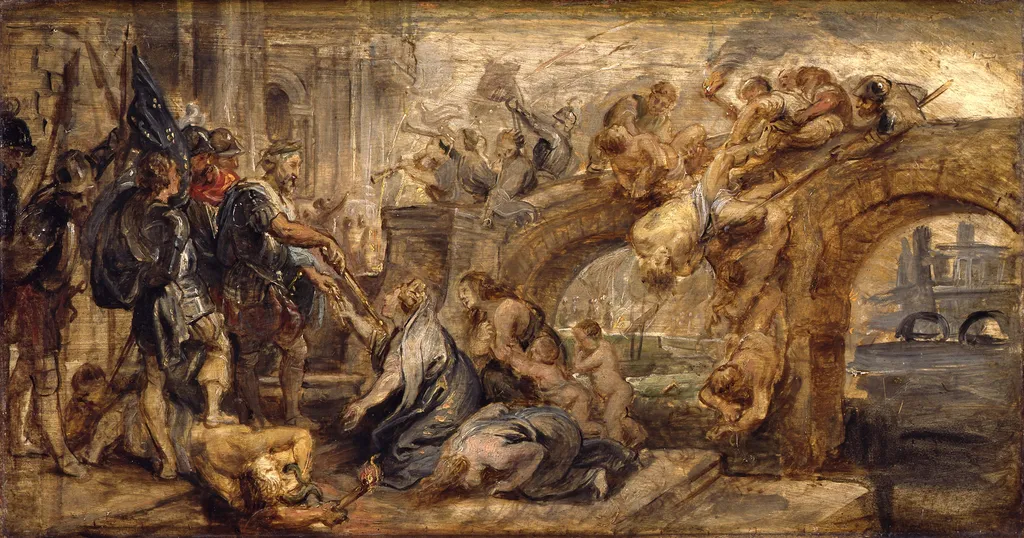
The Entry in Paris by Henry IV is an oil painting by the Flemish Baroque painting artist Peter Paul Rubens. It dates from 1628 and is held in the collection of the Gemäldegalerie Berlin.
About this work
Overview
Created in 1628 by the Flemish painter Peter Paul Rubens, this oil on canvas portrays the ceremonial entrance of King Henry IV into Paris. Executed in the vigorous Flemish Baroque idiom, the work combines a crowded urban setting with a dramatic procession, emphasizing the king’s prominence amid a throng of onlookers and horses.
Subject & Meaning
The central figure, Henry IV, rides a horse dressed in sumptuous gold and red attire, sword raised aloft as a symbol of royal authority. Surrounding citizens, rendered in simpler garments, gaze upward, conveying a collective reverence for the monarch’s arrival and underscoring the political significance of the event within French history.
Technique & Style
Rubens employs a dynamic composition typical of Baroque art, using diagonal lines and vigorous brushwork to convey movement. A vivid palette of reds, golds, and deep shadows heightens the drama, while the crowded foreground and detailed architectural backdrop create depth and a sense of immediacy.
History & Provenance
The painting has remained in public collections since its early acquisition, currently residing in Berlin’s Gemäldegalerie. Its presence in a major European museum reflects Rubens’s reputation as a leading history painter of the early seventeenth century and the work’s continued relevance to studies of Baroque narrative art.
Artist & collection

Artist
Sir Peter Paul Rubens ( ROO-bənz; Dutch: ; 28 June 1577 – 30 May 1640) was a Flemish artist and diplomat.


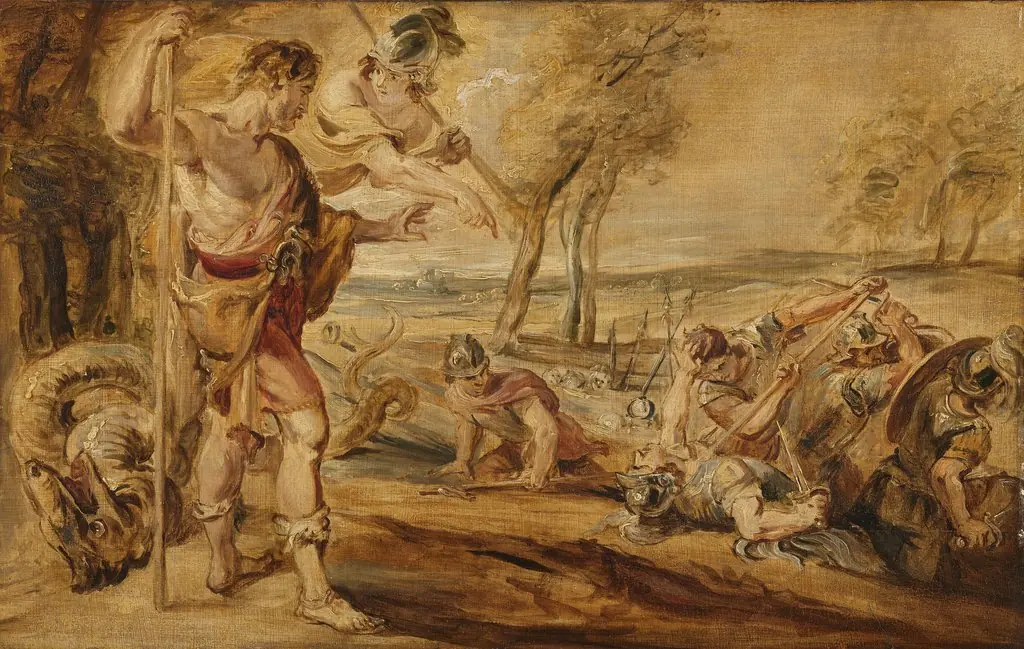 Cadmus sowing dragon's teeth
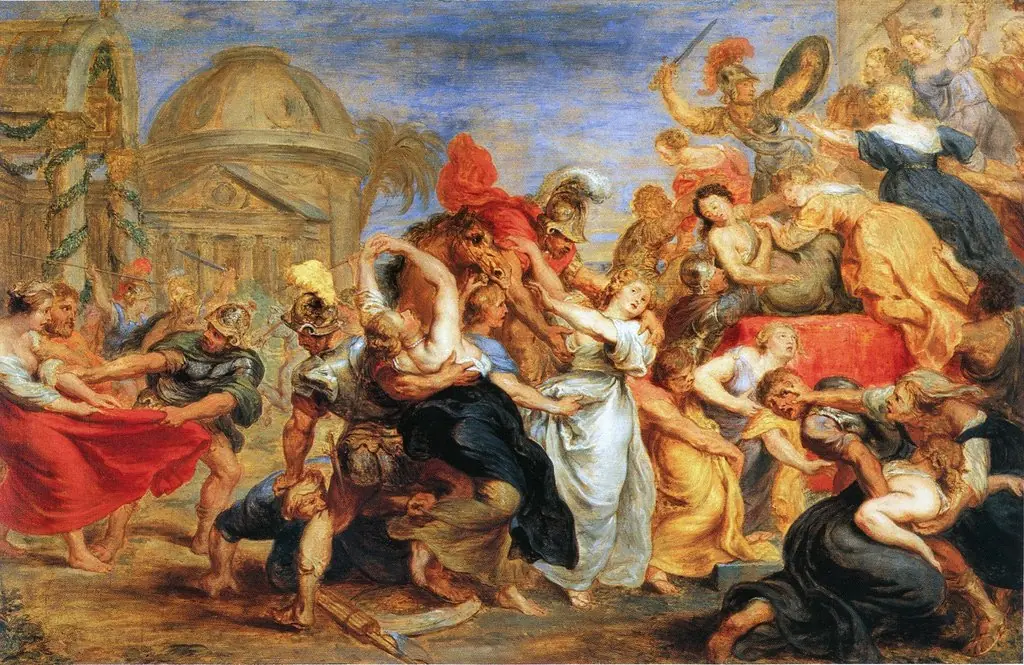 Rape of the Sabines
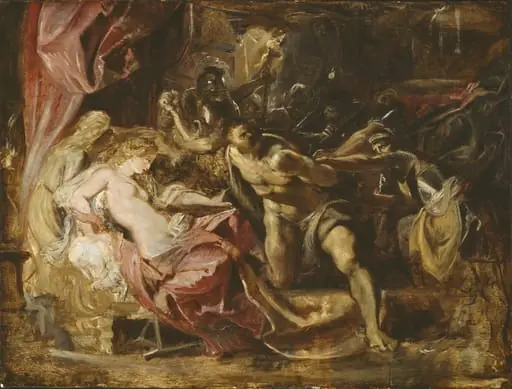 The Capture of Samson
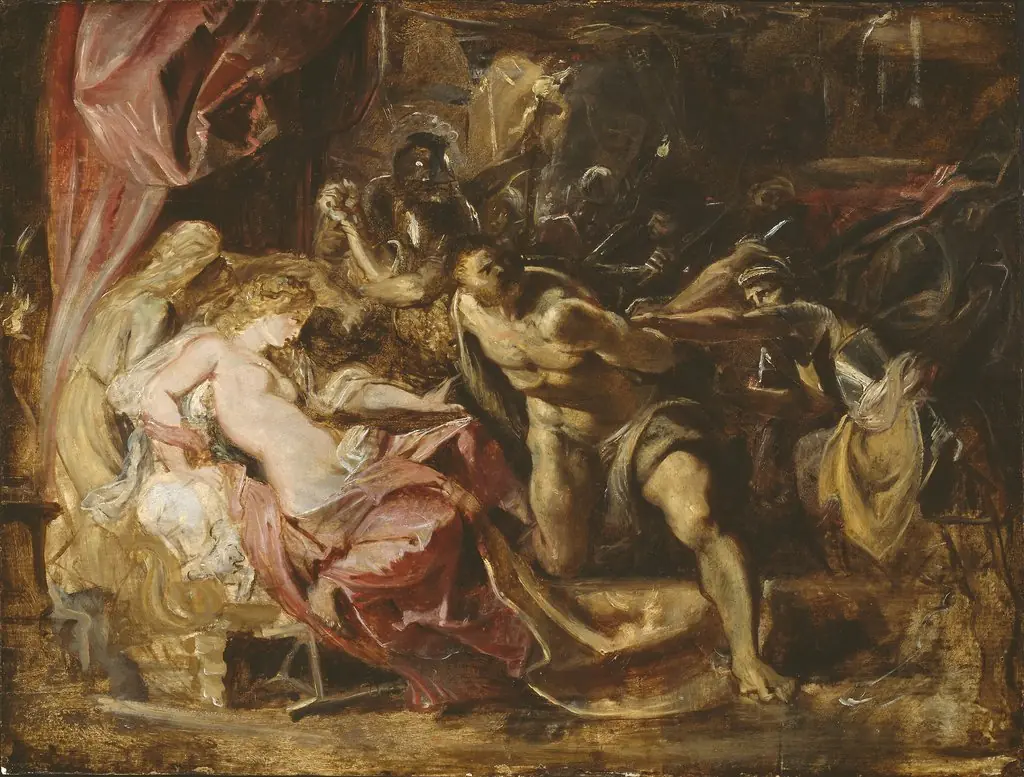 The Capture of Samson
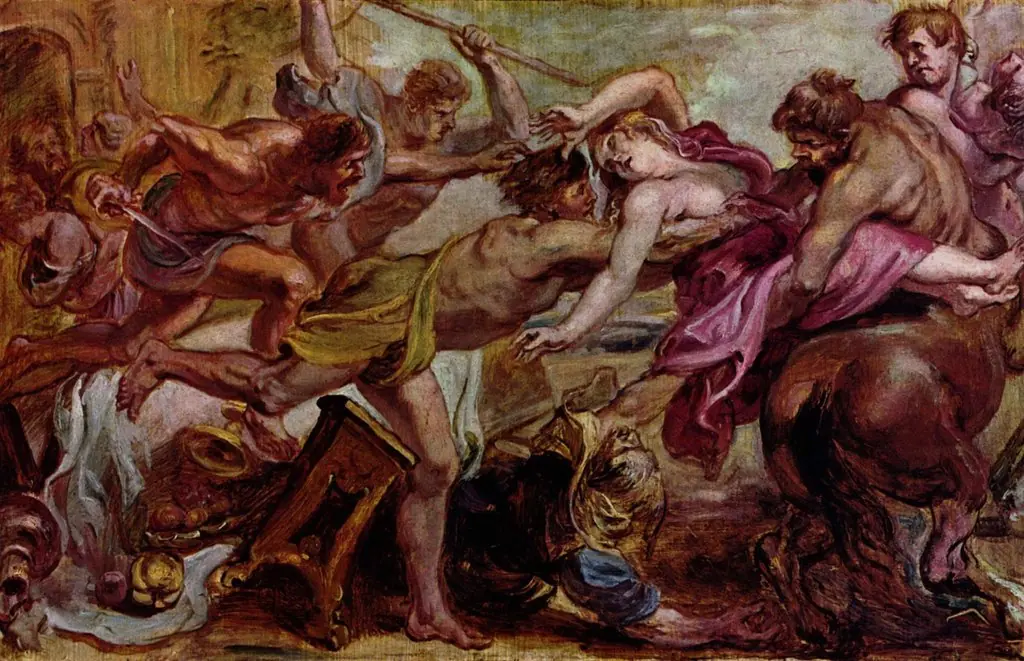 The Rape of Hippodamia
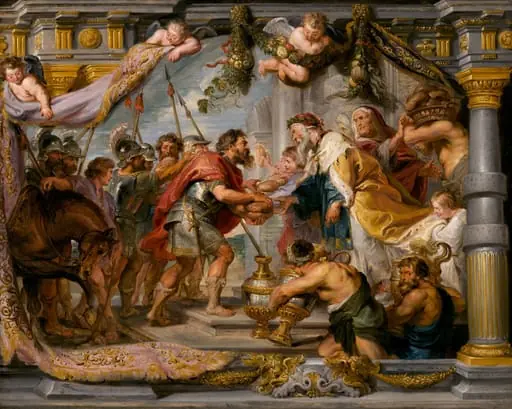 The Meeting of Abraham and Melchizedek
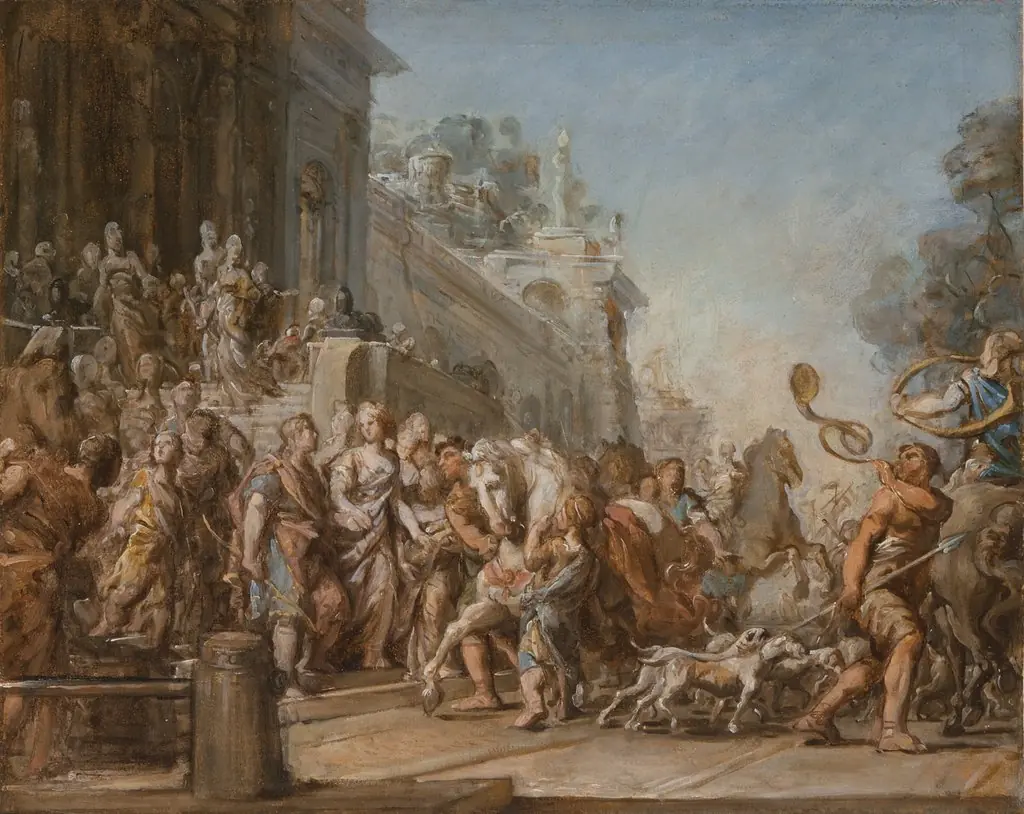 The Departure of Dido and Aeneas for the Hunt
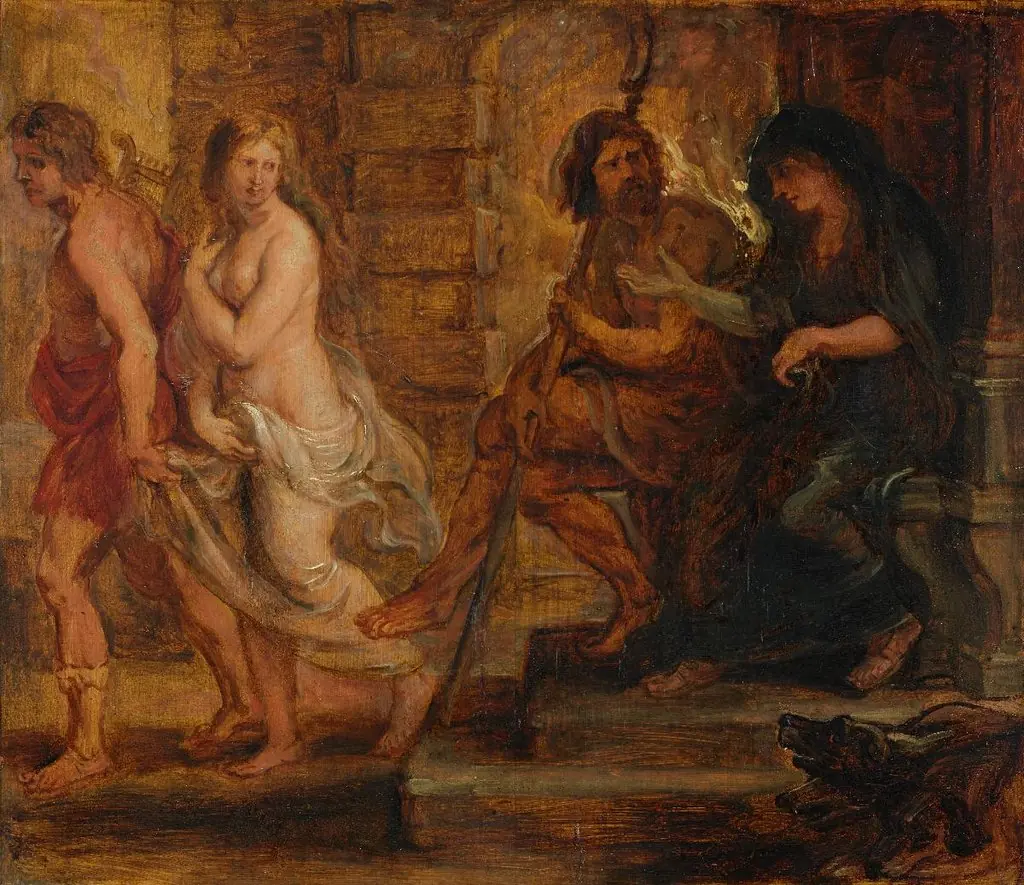 Orpheus und Eurydike vor Pluto und Proserpina
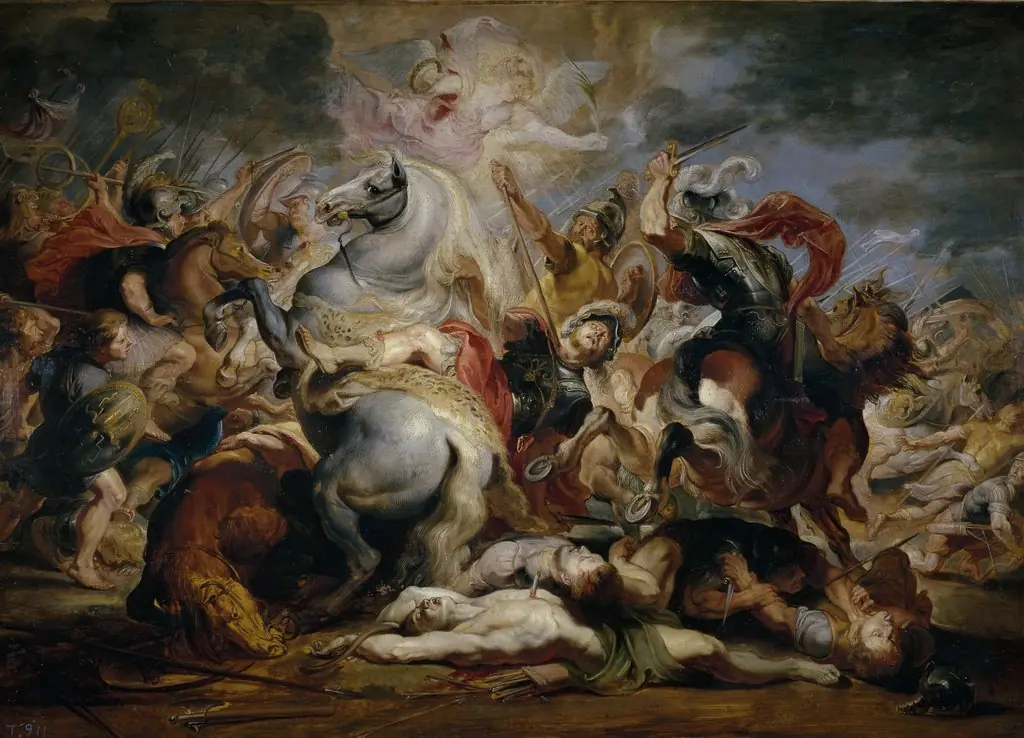 The Death of the Consul Decius
 The Meeting of David and Abigail
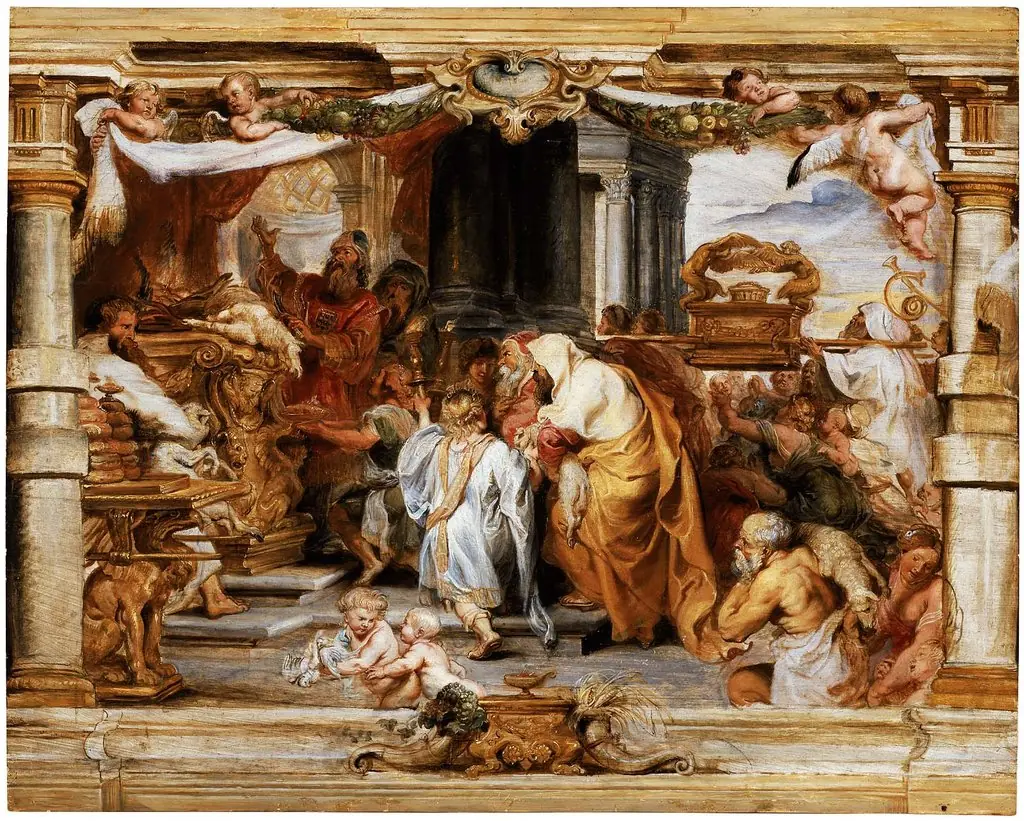 The Sacrifice of the Old Covenant
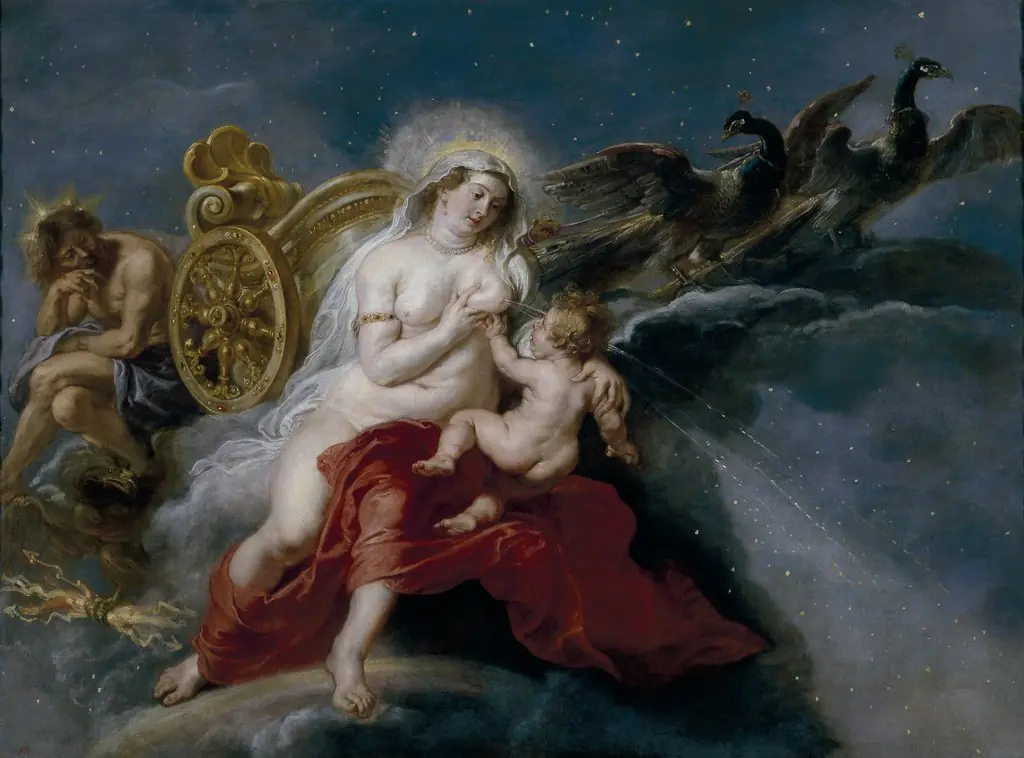
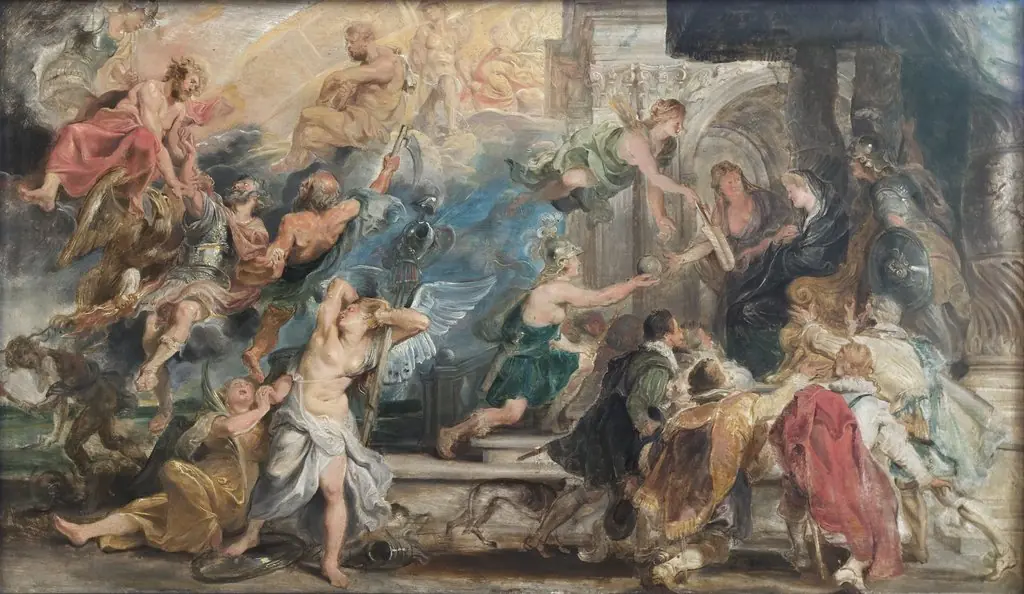 The Apotheosis of Henri IV