Artwork
Two Sleeping Children
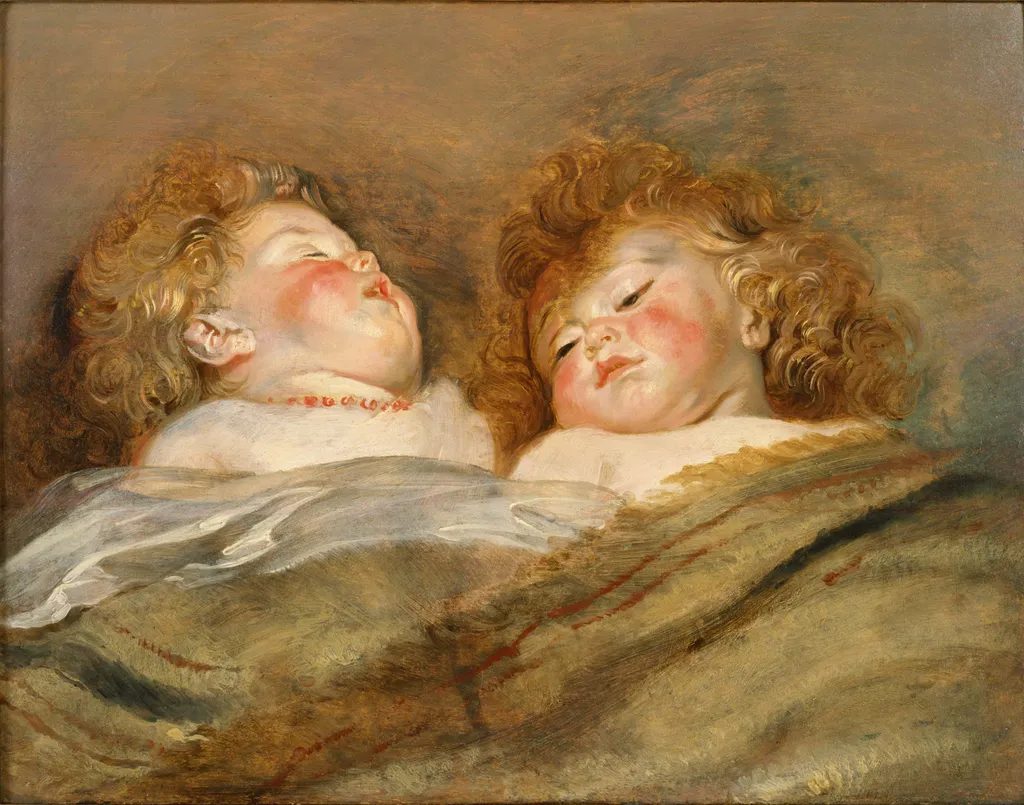
Two Sleeping Children is an oil painting by the Flemish Baroque painting artist Peter Paul Rubens. It dates from 1612 and is held in the collection of the National Museum of Western Art.
About this work
Overview
Painted in 1612 by Peter Paul Rubens, *Two Sleeping Children* is an oil-on-canvas work that captures a quiet moment of childhood repose.
Painted in 1612 by Peter Paul Rubens, *Two Sleeping Children* is an oil-on-canvas work that captures a quiet moment of childhood repose. Created during Rubens’s early career in Antwerp, the piece reflects his engagement with the Flemish Baroque style, characterized by rich color and tactile realism. Though modest in scale, it stands apart from his grand historical scenes, offering an intimate glimpse into domestic serenity.
Subject & Meaning
The painting shows two young children lying side by side, their bodies relaxed in sleep, dressed in simple white garments. Their flushed cheeks and closed eyes suggest innocence and vulnerability, evoking a universal sense of calm. Rather than referencing myth or scripture, Rubens focuses on the natural tenderness of childhood, aligning with broader Baroque interests in human emotion and the sacredness of everyday life.
Technique & Style
Rubens employed soft, blended brushwork to render the children’s skin and fabric, creating a gentle luminosity. Warm earth tones in the background enhance the intimacy of the scene, while subtle modeling gives form without harsh shadows. Though less dramatic than his religious works, the painting still demonstrates his mastery of tonal harmony and tactile texture, key elements of his Baroque idiom.
History & Provenance
The painting entered the collection of the National Museum of Western Art in Tokyo, where it remains today. Its journey from 17th-century Antwerp to 20th-century Japan reflects the global circulation of Flemish art. While its early ownership is undocumented, its preservation suggests it was valued as a refined example of Rubens’s smaller-scale works, possibly commissioned for private devotion or domestic display.
Context
In early 17th-century Flanders, the Catholic Church encouraged art that stirred devotion through emotional immediacy. While Rubens is known for grand altarpieces, this intimate scene aligns with a growing interest in domestic piety and the moral value of childhood. The work reflects a cultural moment when private, tender imagery gained resonance alongside public religious narratives.
Legacy
Though not among Rubens’s most celebrated works, *Two Sleeping Children* exemplifies his ability to infuse simplicity with emotional depth. It influenced later artists who sought to portray childhood with naturalism rather than idealization. Its presence in a major international museum underscores its role as a quiet but enduring testament to the artist’s range beyond monumental composition.
Own this work as a print
Artist & collection
Artist
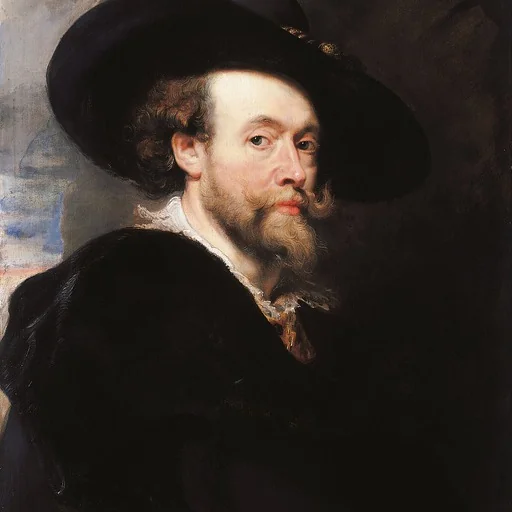
Sir Peter Paul Rubens ( ROO-bənz; Dutch: ; 28 June 1577 – 30 May 1640) was a Flemish artist and diplomat.

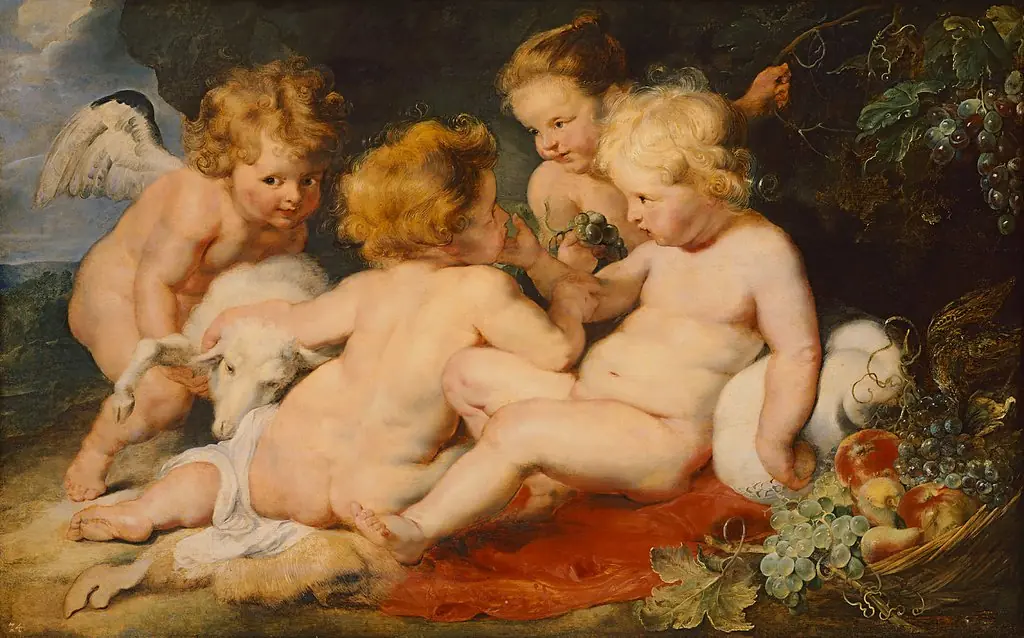 Christ and John the Baptist as children and two angels
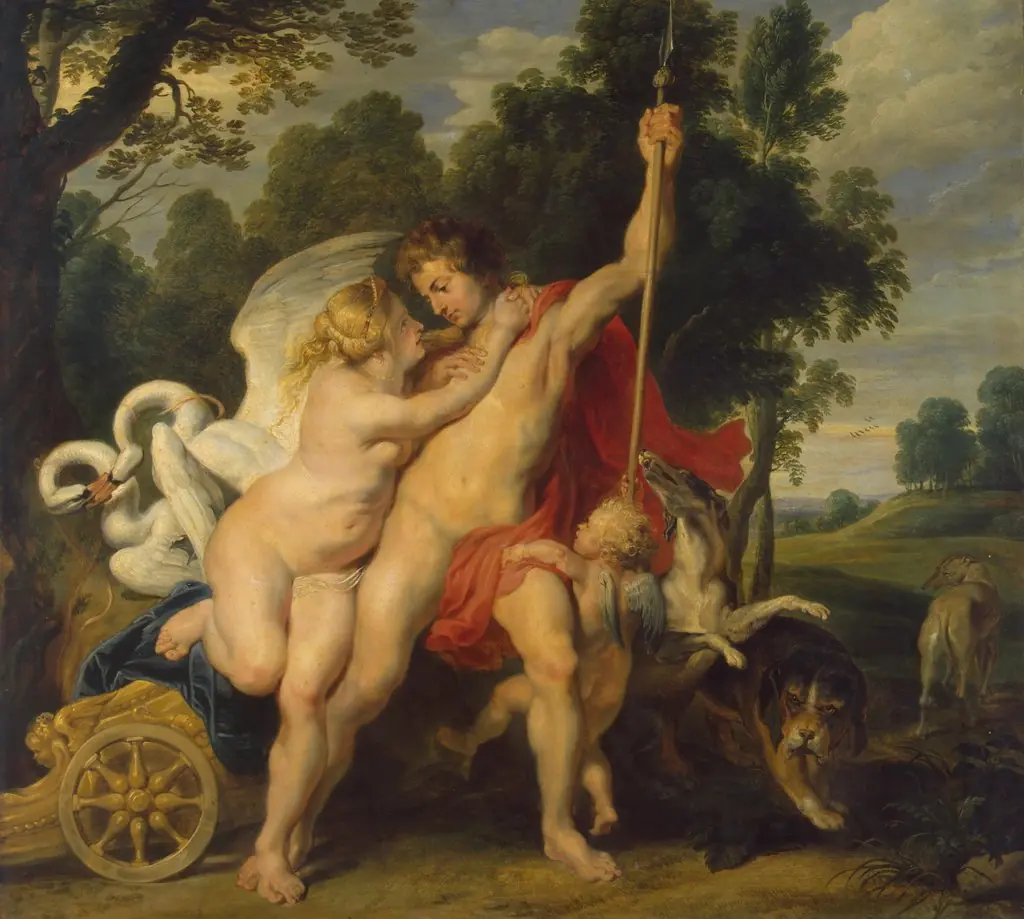
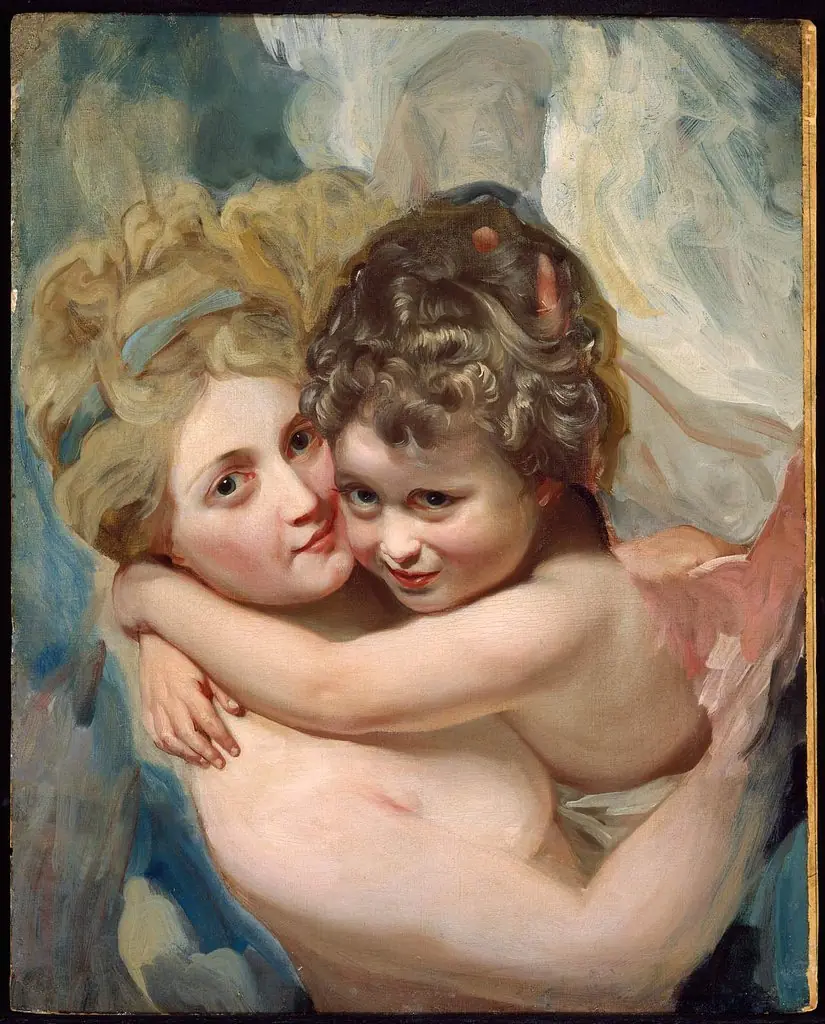 Venus and Cupid
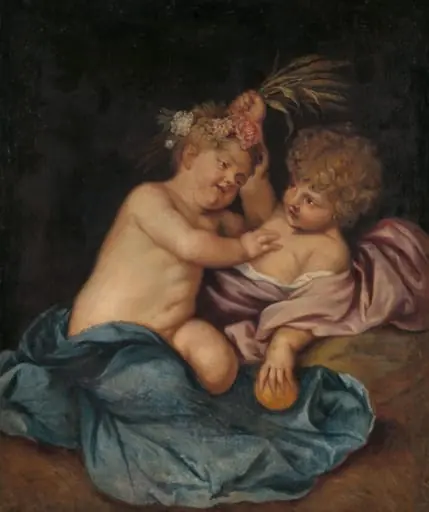 Two Infants, Personifications of Spring and Autumn
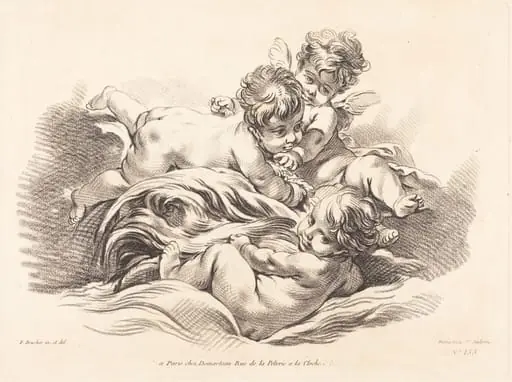 Three Cherubs Playing on Dolphin Like Wave
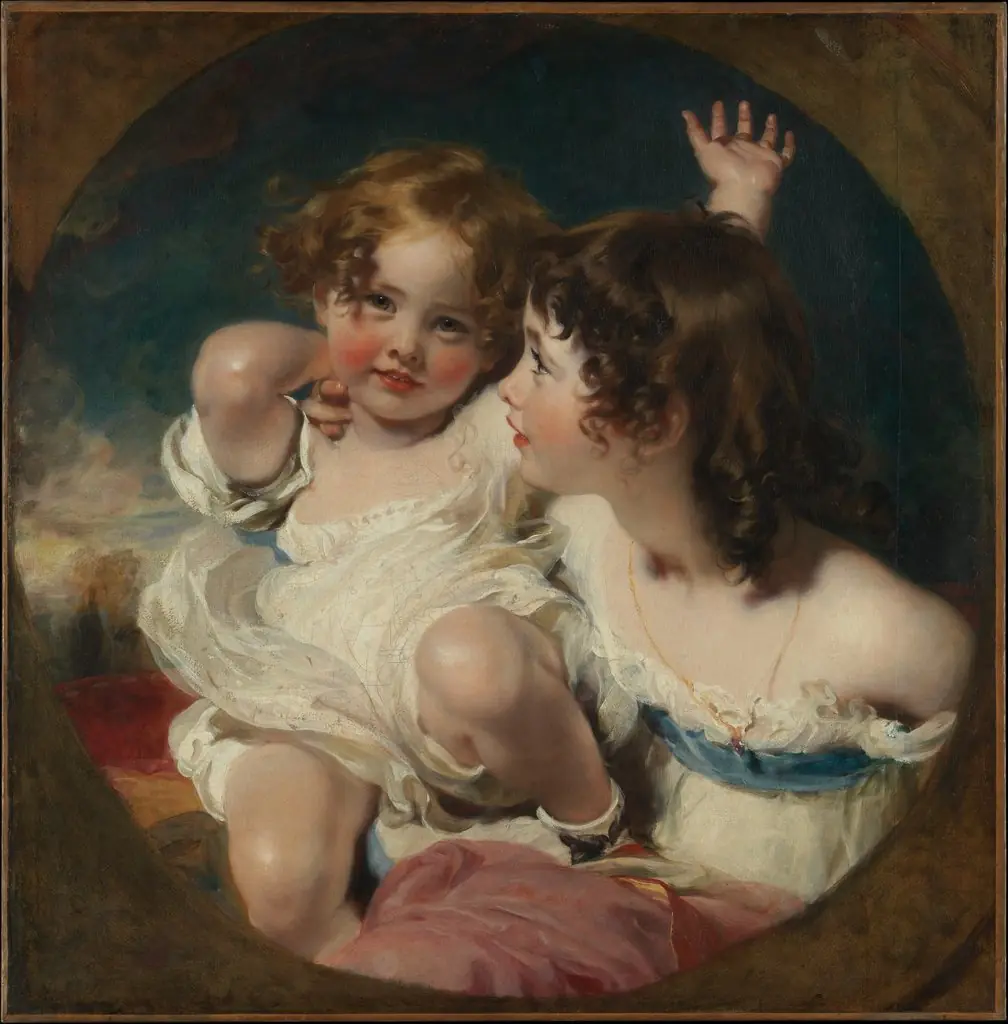 The Calmady Children (Emily, 1818–?1906, and Laura Anne, 1820–1894)
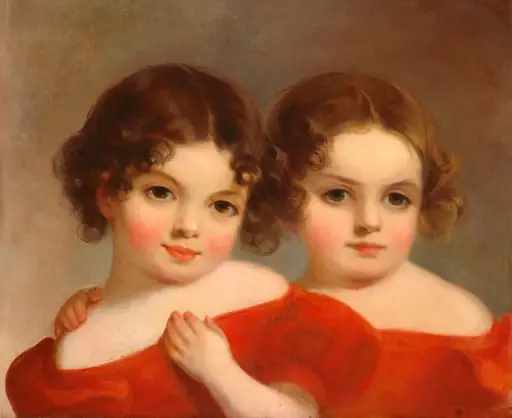 The Leland Sisters
 A child with bird
 Kolme linnunpesällä leikkivää amoriinia
 Christ with Young St. John and Angels