Artwork
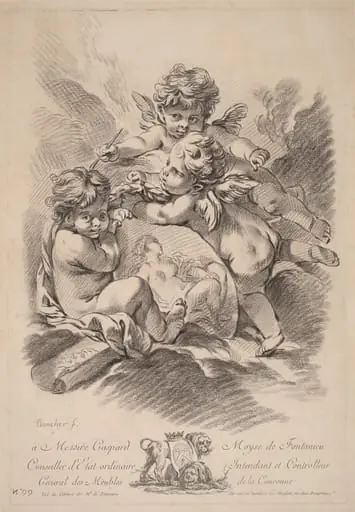
Three Cherubs Playing on Dolphin Like Wave
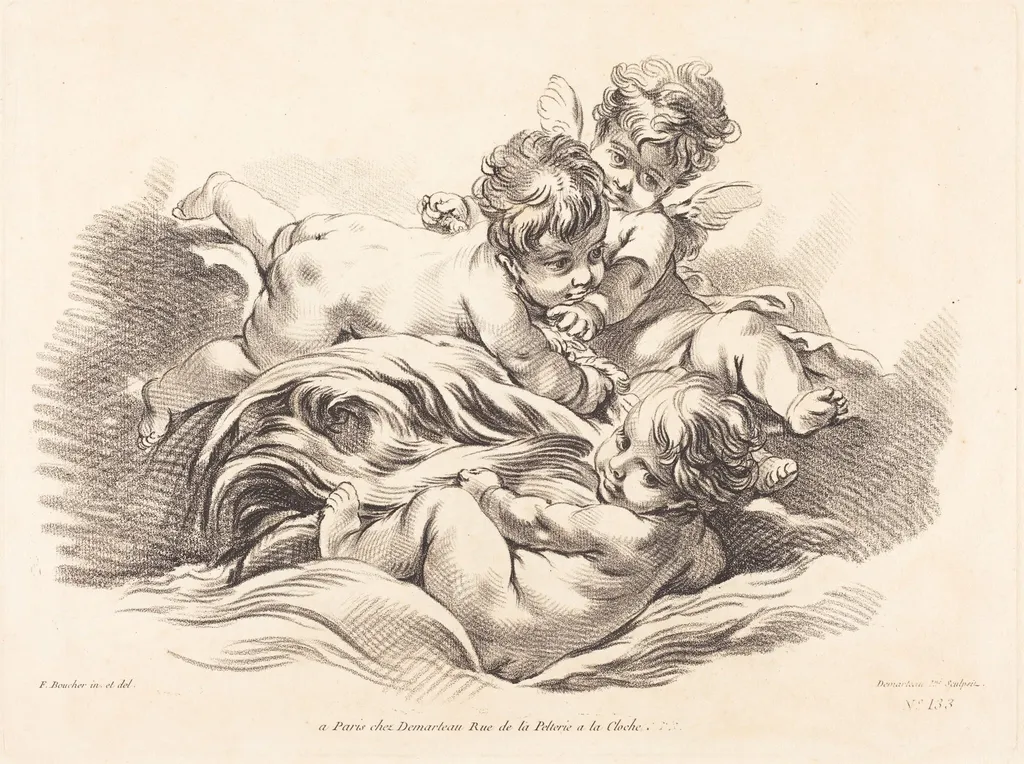
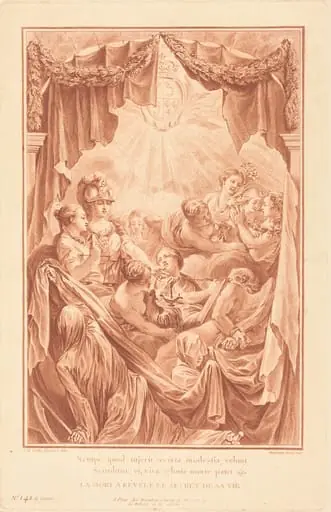
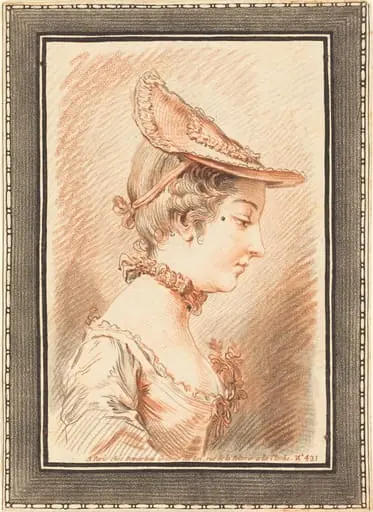
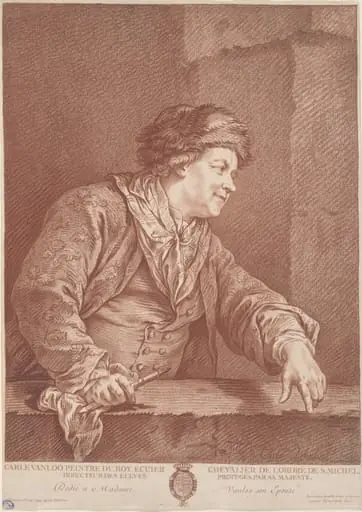
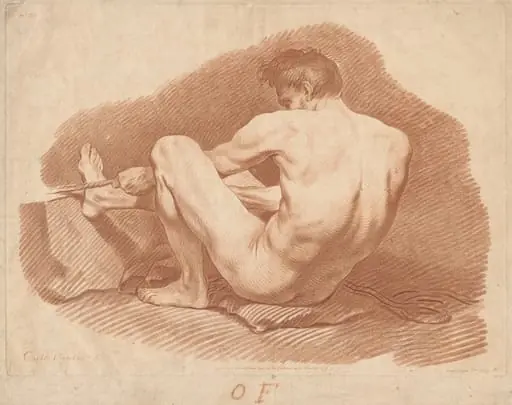
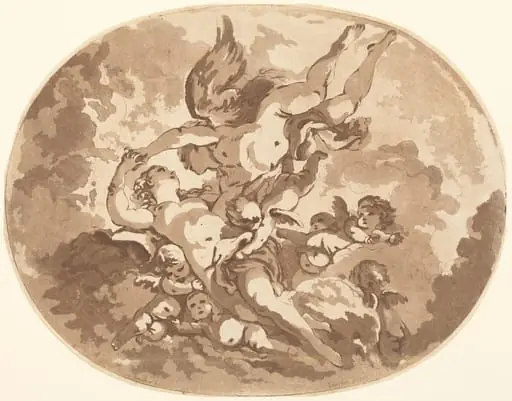
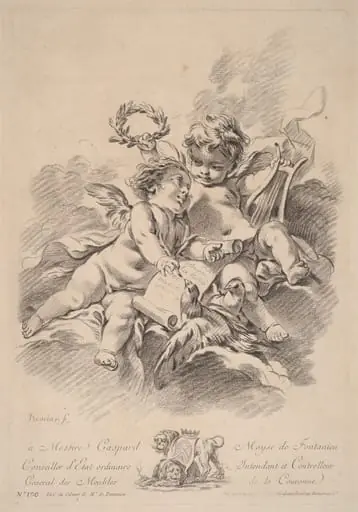
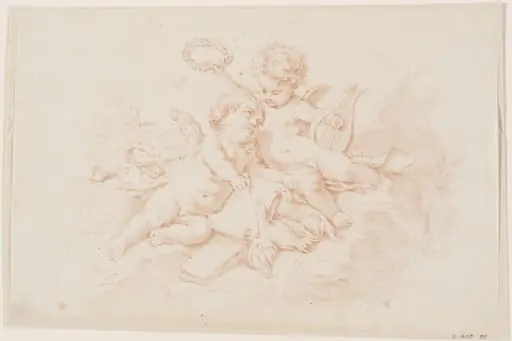
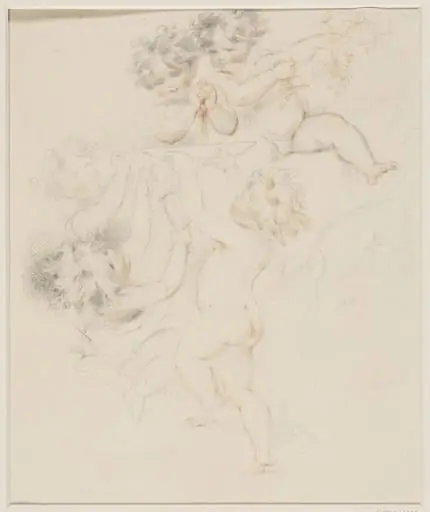
Three Cherubs Playing on Dolphin Like Wave is a chalk print by the Baroque artist Gilles Demarteau the Elder. It dates from 1749 and is held in the collection of the National Gallery of Art.
About this work
Overview
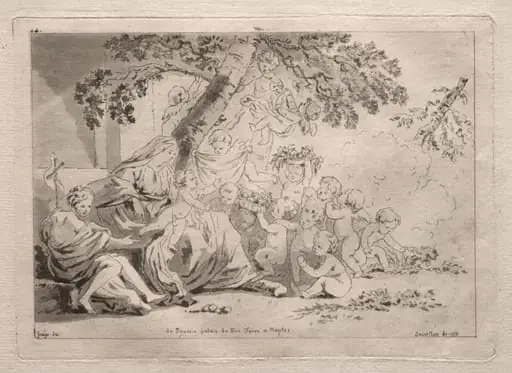
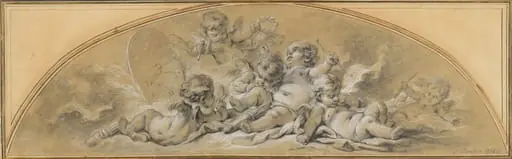
Created in 1749 by Gilles Demarteau the Elder, this print depicts three cherubs engaged in playful activity atop a wave rendered with the form of a dolphin. Executed in chalk manner with black ink on laid paper, it belongs to a genre of decorative prints popular in mid-18th-century France, blending mythological whimsy with technical precision in draftsmanship.
Subject & Meaning
The cherubs, symbolic of innocence and divine playfulness, interact with a sea creature that merges aquatic motion with mythic imagery. The dolphin-like wave suggests a harmonious union between nature and fantasy, reflecting contemporary tastes for lighthearted allegory. The scene evokes a sense of carefree movement, aligning with Rococo ideals of elegance and delicate fantasy.
Technique & Style
Demarteau employed the chalk manner technique, using fine, hatched lines to simulate the texture of chalk drawings. The fluid contours of the wave and the soft modeling of the cherubs’ forms demonstrate mastery in mimicking the spontaneity of pastel sketches. The print’s delicate line work and tonal gradations reflect the influence of French drawing traditions and the demand for reproductive art.
History & Provenance
No specific early ownership records are documented, but its survival in museum collections attests to its enduring appeal within 18th-century print culture.
Produced during Demarteau’s active years as a printmaker in Paris, this work was likely part of a series intended for collectors of decorative arts. It circulated among aristocratic and bourgeois audiences who favored intimate, ornamental prints. No specific early ownership records are documented, but its survival in museum collections attests to its enduring appeal within 18th-century print culture.
Context
In mid-18th-century France, prints like this served as affordable art for domestic interiors, often used to decorate salons and boudoirs. Demarteau specialized in translating drawings into prints that captured the Rococo aesthetic—light, lyrical, and ornamental. His work responded to a market eager for imagery that balanced elegance with narrative charm, distinct from grand historical subjects.
Legacy
Demarteau’s prints, including this one, helped define the visual language of French decorative printmaking. Though not widely known today, his technical innovations in chalk manner influenced later generations of reproductive artists. His work remains a reference for understanding how fine drawing was adapted for mass circulation in pre-industrial Europe.
Own this work as a print
Artist & collection