Artwork
Christ with Young St. John and Angels
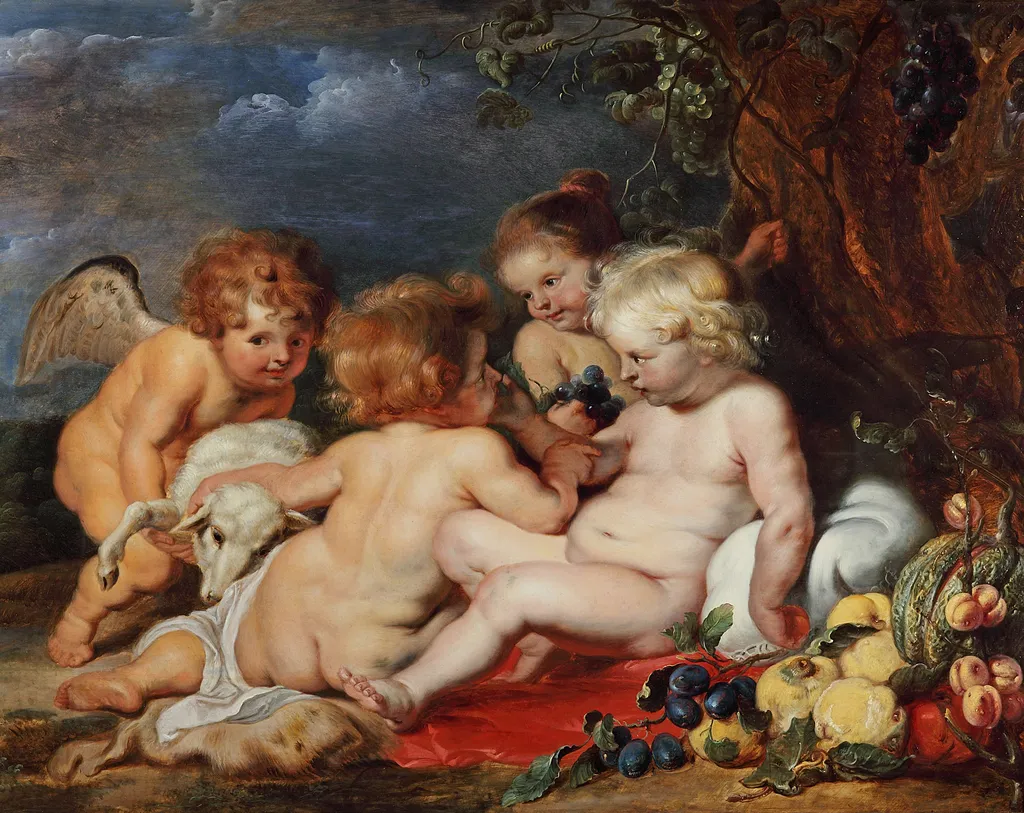
Christ with Young St. John and Angels is a paint painting by the Flemish Baroque painting artist Peter Paul Rubens. It dates from 1620 and is held in the collection of the Gemäldegalerie Berlin.
About this work
Overview
The painting is currently held in the Gemäldegalerie, Berlin, where it remains a representative example of Rubens’s devotional output during his mature period.
Painted in 1620 by Peter Paul Rubens, this work belongs to the Flemish Baroque tradition and reflects the religious priorities of the Counter-Reformation. It portrays a quiet, intimate moment involving the infant Christ, the young John the Baptist, and several angels. The composition avoids dramatic spectacle, instead favoring warmth and tenderness. The painting is currently held in the Gemäldegalerie, Berlin, where it remains a representative example of Rubens’s devotional output during his mature period.
Subject & Meaning
The scene depicts Christ and John the Baptist as children, their gentle interaction symbolizing their future spiritual roles. The surrounding angels, or putti, engage in quiet, playful gestures, reinforcing themes of innocence and divine harmony. Rather than emphasizing Christ’s future sacrifice, the painting highlights the humanity and tenderness of his early life. The inclusion of John, who would later baptize Christ, subtly foreshadows their destined connection without overt narrative force.
Technique & Style
Rubens employs soft, luminous brushwork to render the figures with a tactile warmth, their skin glowing under a golden ambient light. The palette favors rich ochres, creams, and muted reds, creating a cohesive, serene atmosphere. Forms are modeled with subtle gradations, avoiding harsh contours. The angels’ movements are fluid yet restrained, contributing to the overall calm. The background, though indistinct, enhances the figures through its warm, non-distracting glow.
History & Provenance
Commissioned during Rubens’s time in Antwerp, the painting was likely intended for private devotion rather than public worship. It entered the collection of the Gemäldegalerie Berlin in the 19th century, having passed through several European collections since its creation. Its survival in relatively intact condition reflects its continued appreciation among collectors, though it was never among Rubens’s most widely reproduced religious works.
Context
Created during the height of the Counter-Reformation, the painting aligns with Catholic efforts to foster personal piety through emotionally accessible imagery. While many religious works of the era emphasized martyrdom or divine authority, Rubens chose to depict sacred figures in moments of quiet childhood, offering viewers a relatable, humanized vision of holiness. This approach resonated with contemporary spiritual ideals that valued tenderness and intimacy in devotion.
Legacy
Though less prominent than Rubens’s large-scale altarpieces, this painting exemplifies his ability to infuse religious subjects with psychological nuance and emotional warmth. It influenced later artists seeking to balance divine themes with human tenderness. Its preservation in a major European museum ensures its continued study as a quiet yet significant example of Baroque devotional art, distinct from the more theatrical tendencies of the period.
Own this work as a print
Artist & collection
Artist
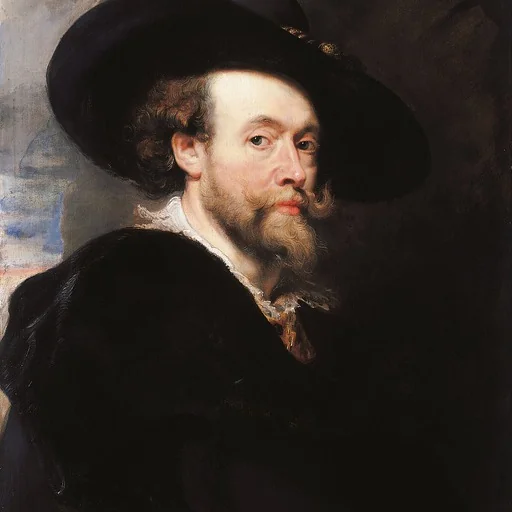
Sir Peter Paul Rubens ( ROO-bənz; Dutch: ; 28 June 1577 – 30 May 1640) was a Flemish artist and diplomat.

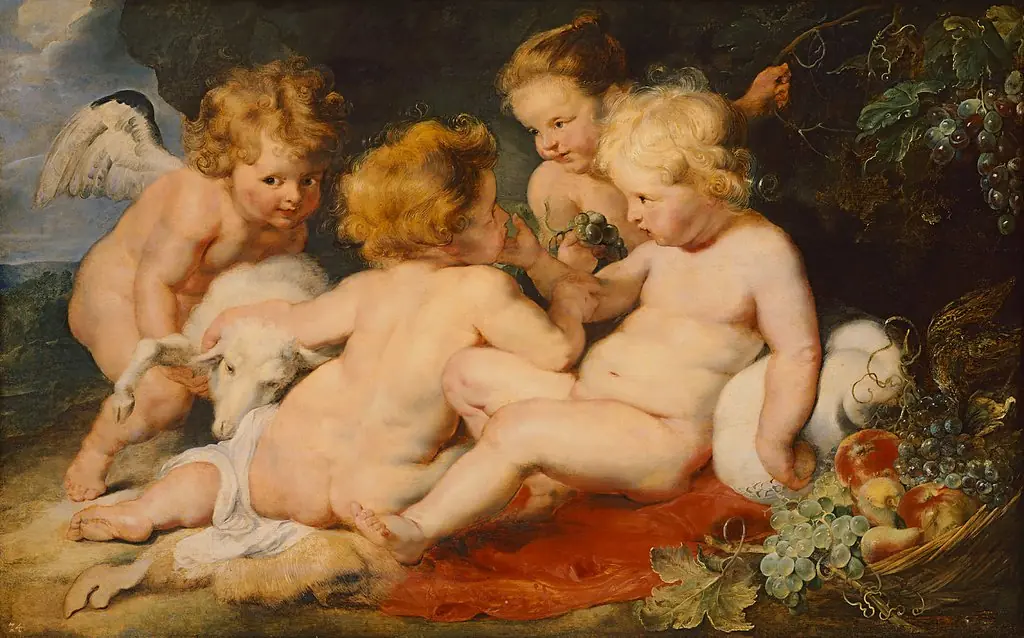 Christ and John the Baptist as children and two angels
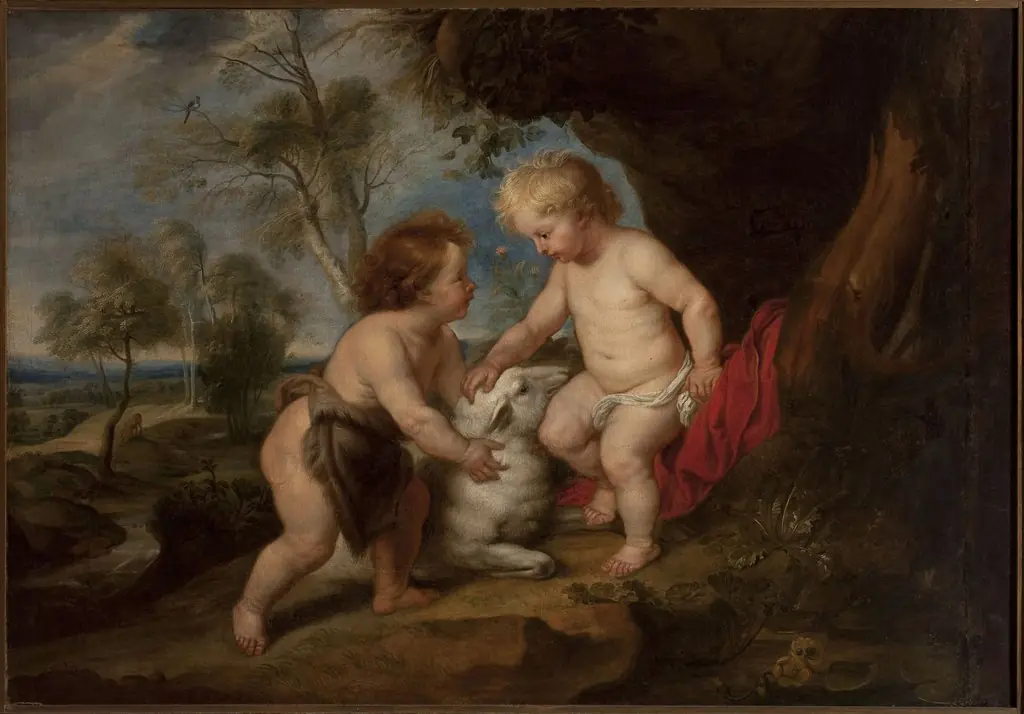 Child Jesus and St. John the Baptist
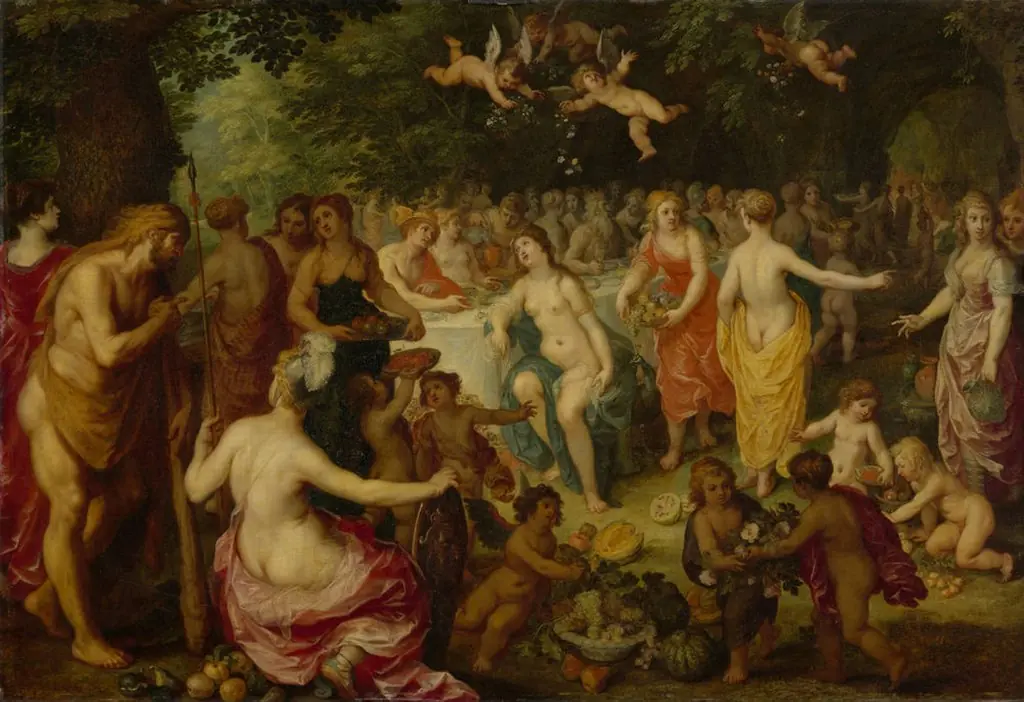 The Feast of the Gods
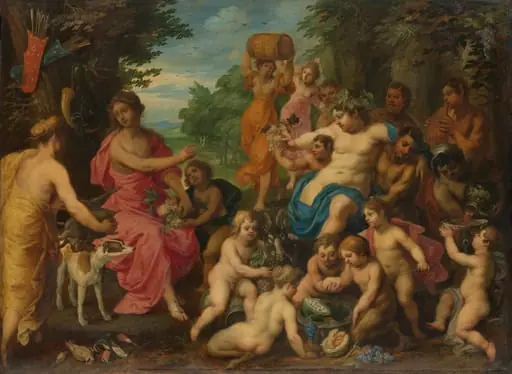 Diana Offered Wine and Fruit by Bacchus and his Retinue
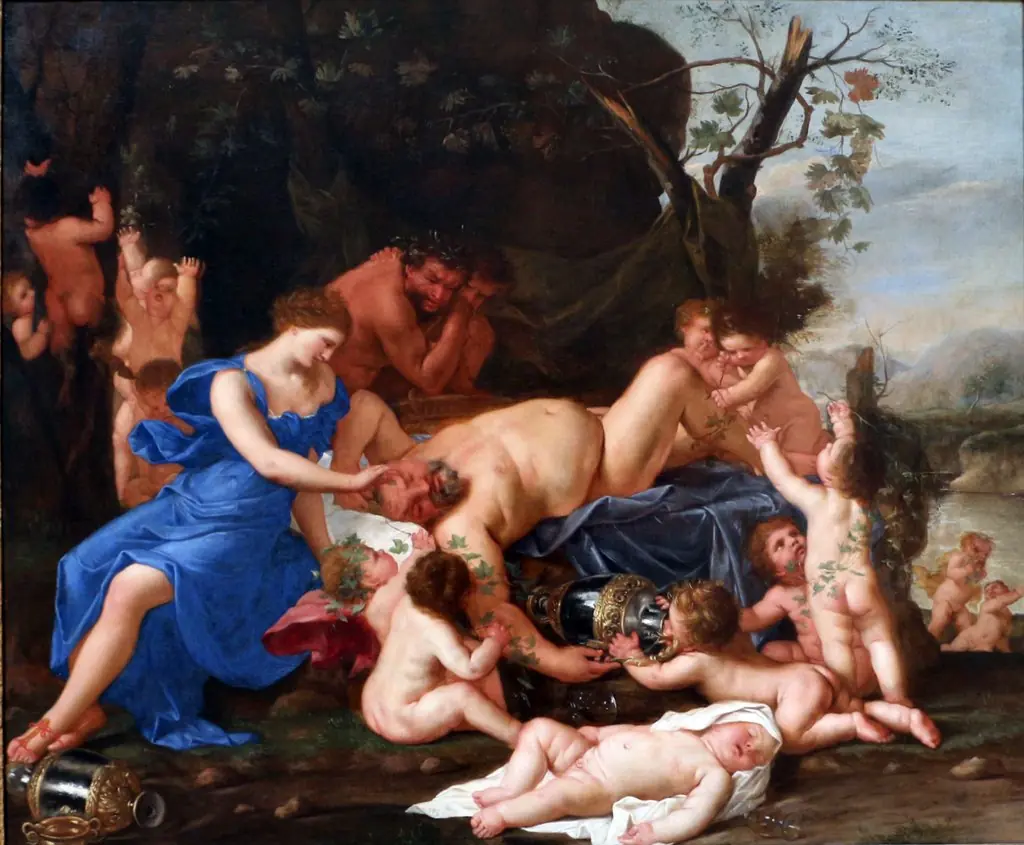 The drunken Silenus tied up in his sleep by the nymph Aegle and putti
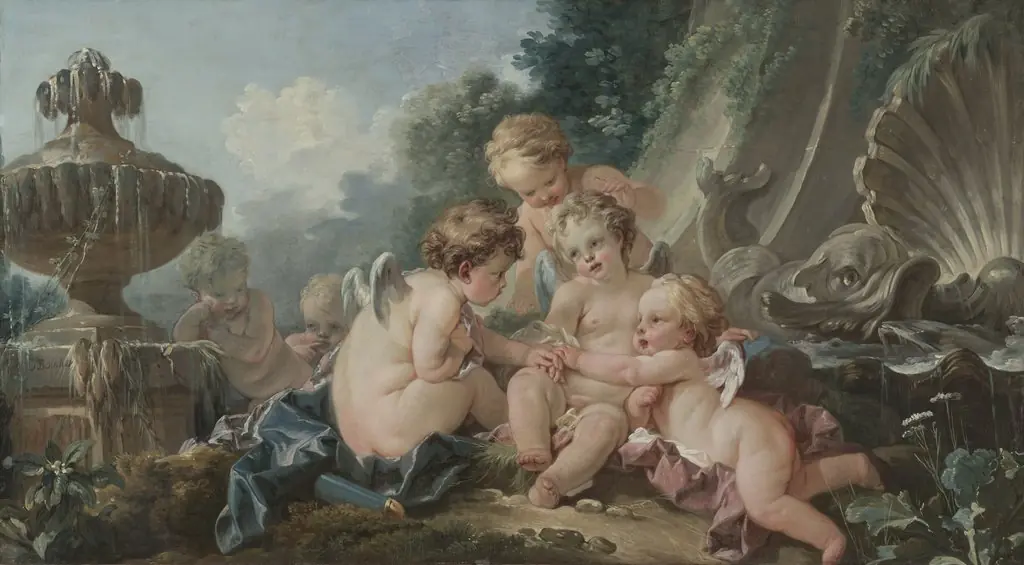 Cupids in Conspiracy
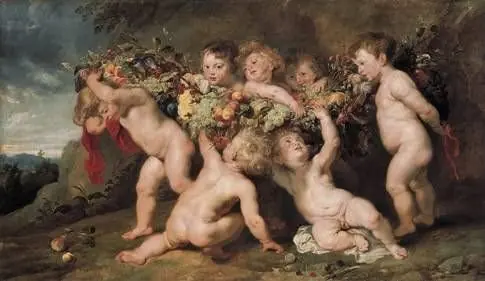 The Fruit Garland
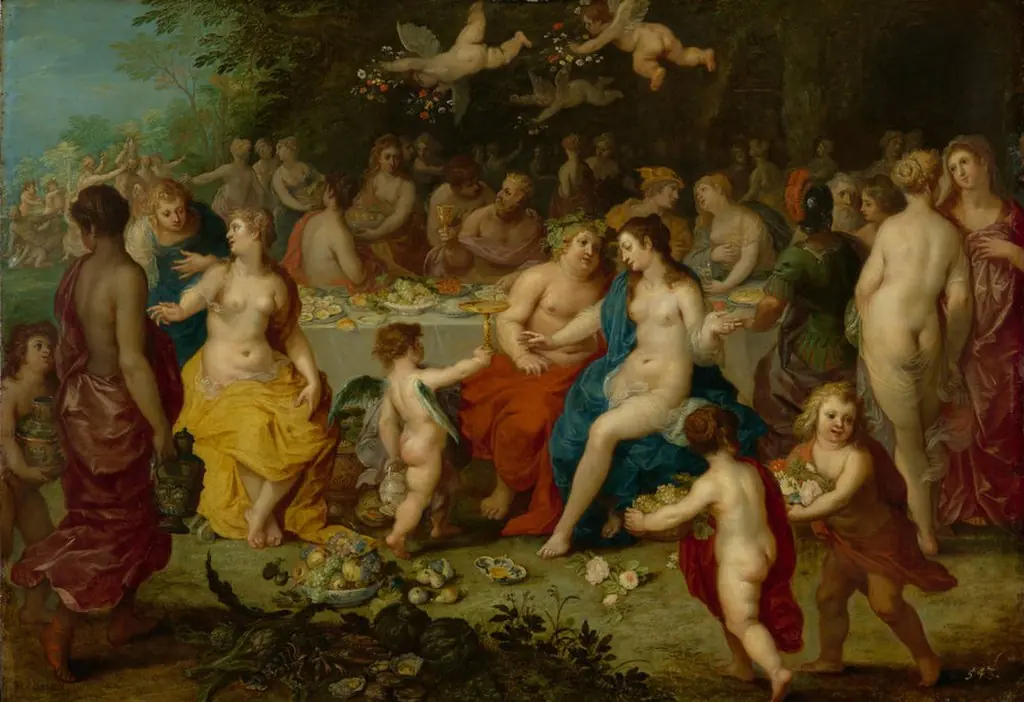 The wedding banquet of Bacchus and Ariadne
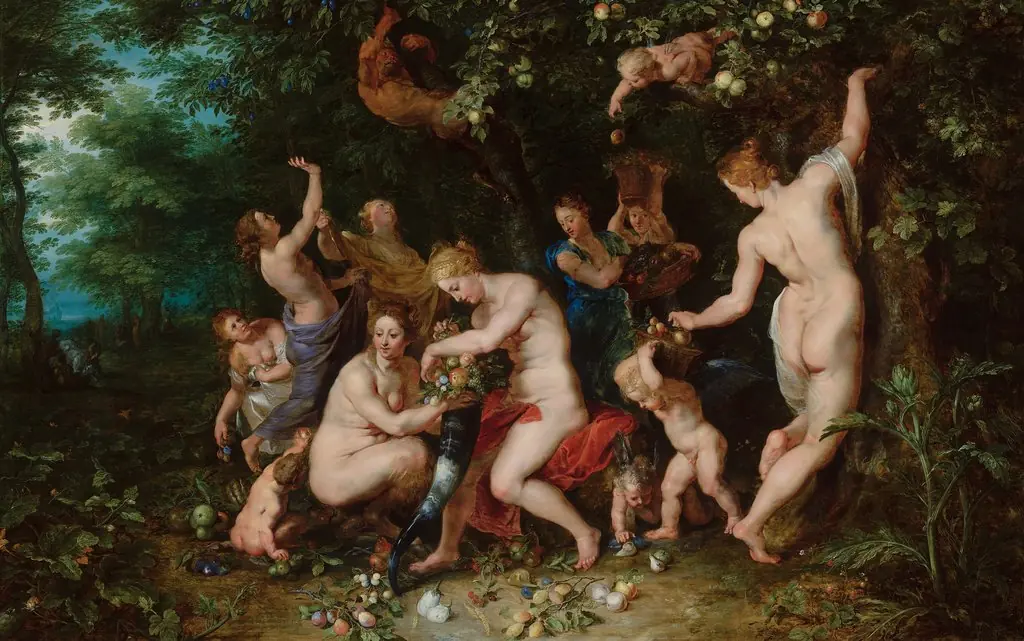 Nymphs filling the horn of plenty
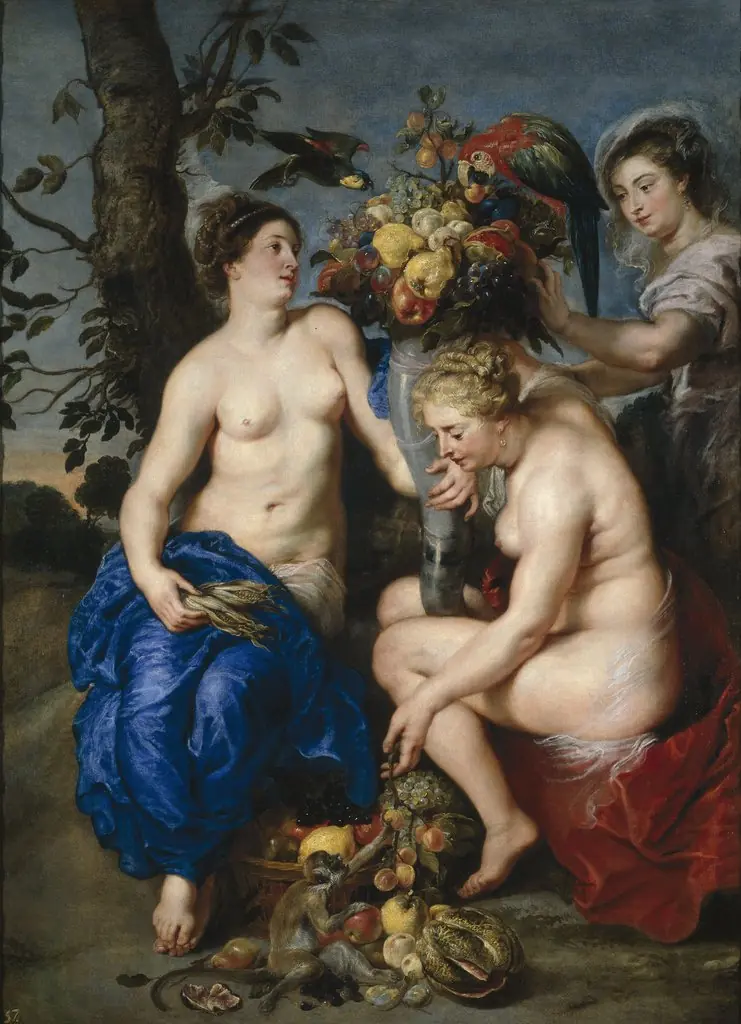 Ceres and Two Nymphs
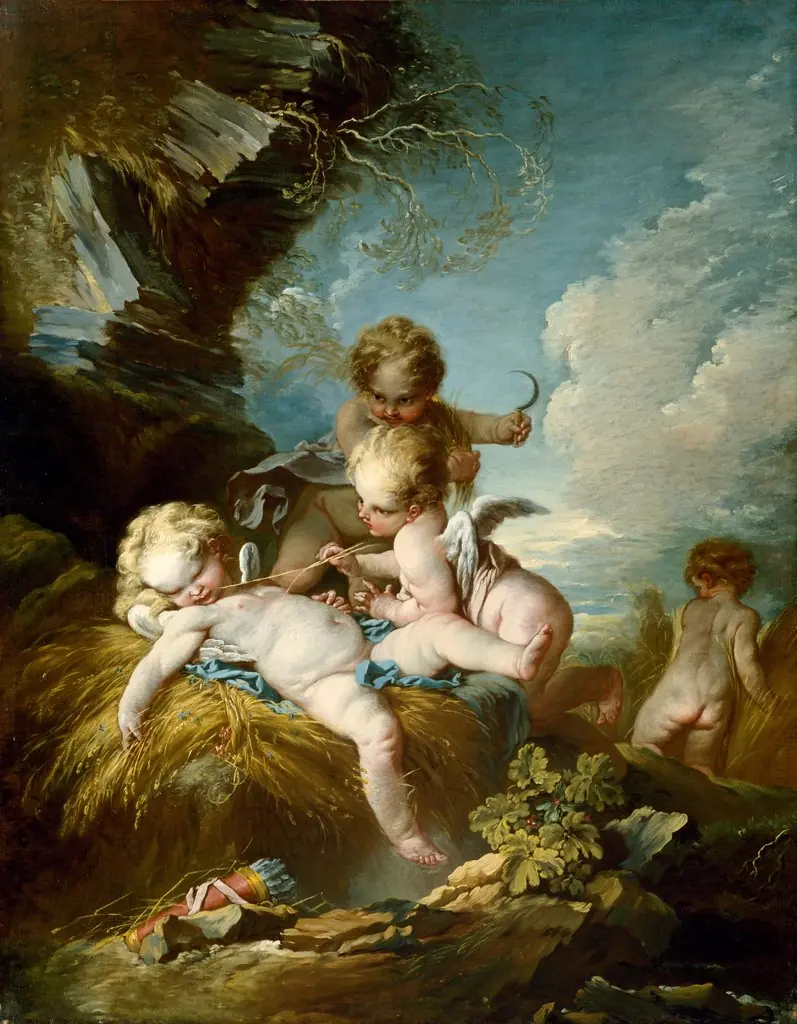 The Cherub Harvesters
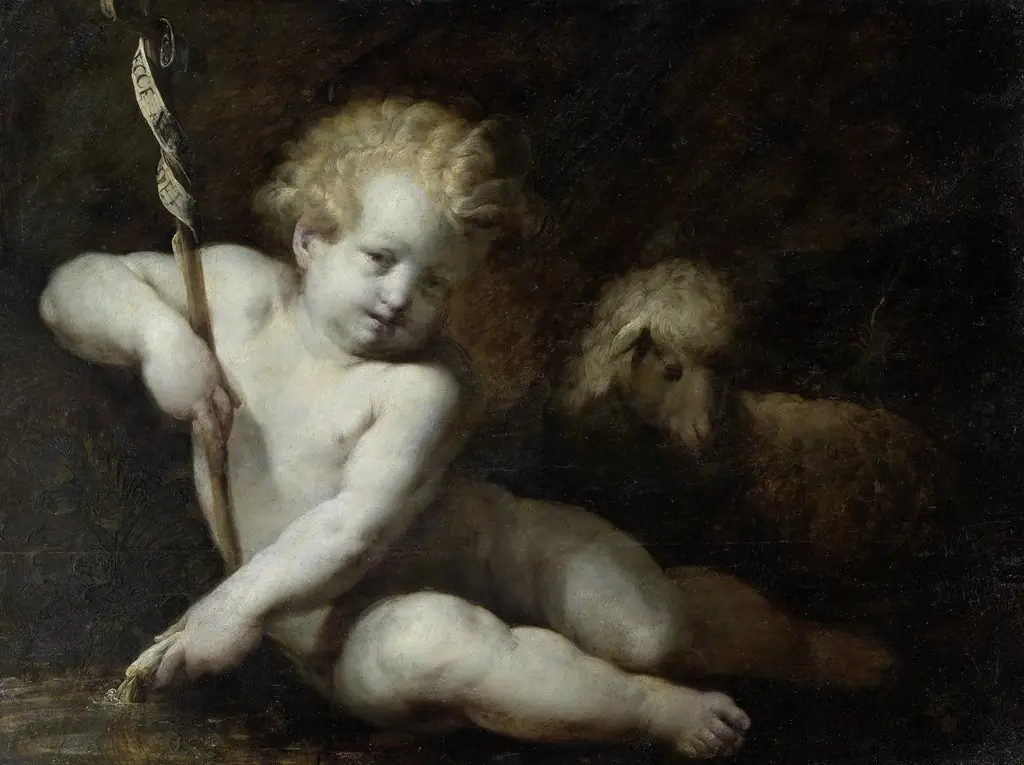 Young St. John