Artwork
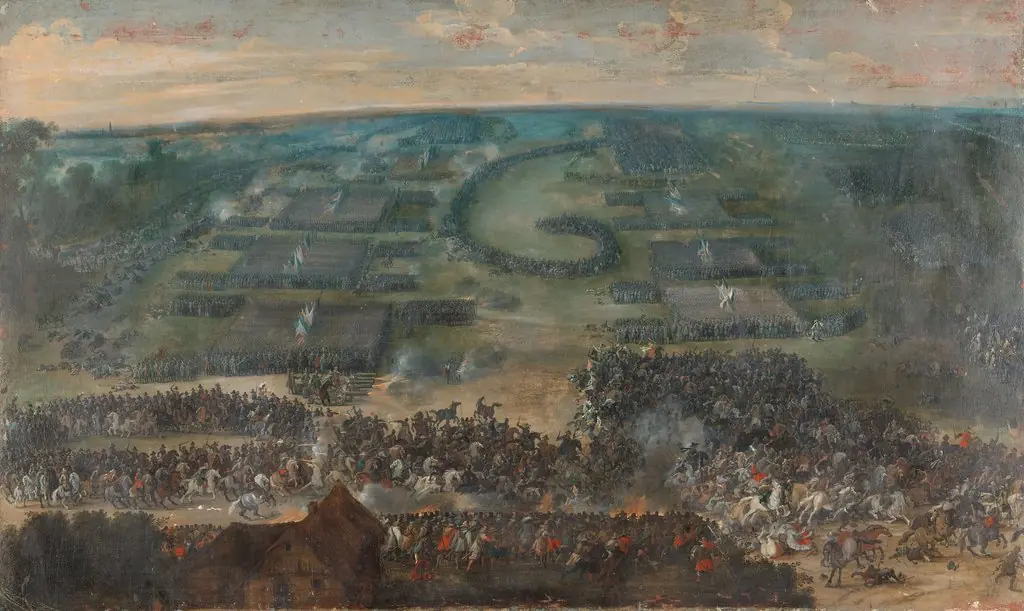
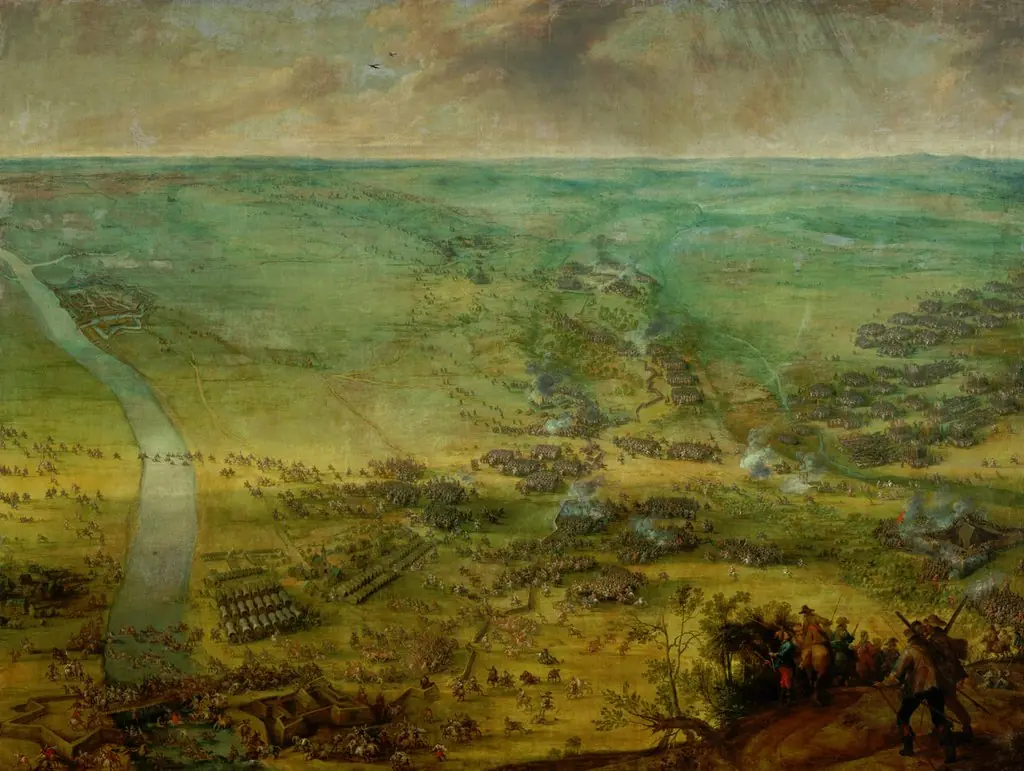
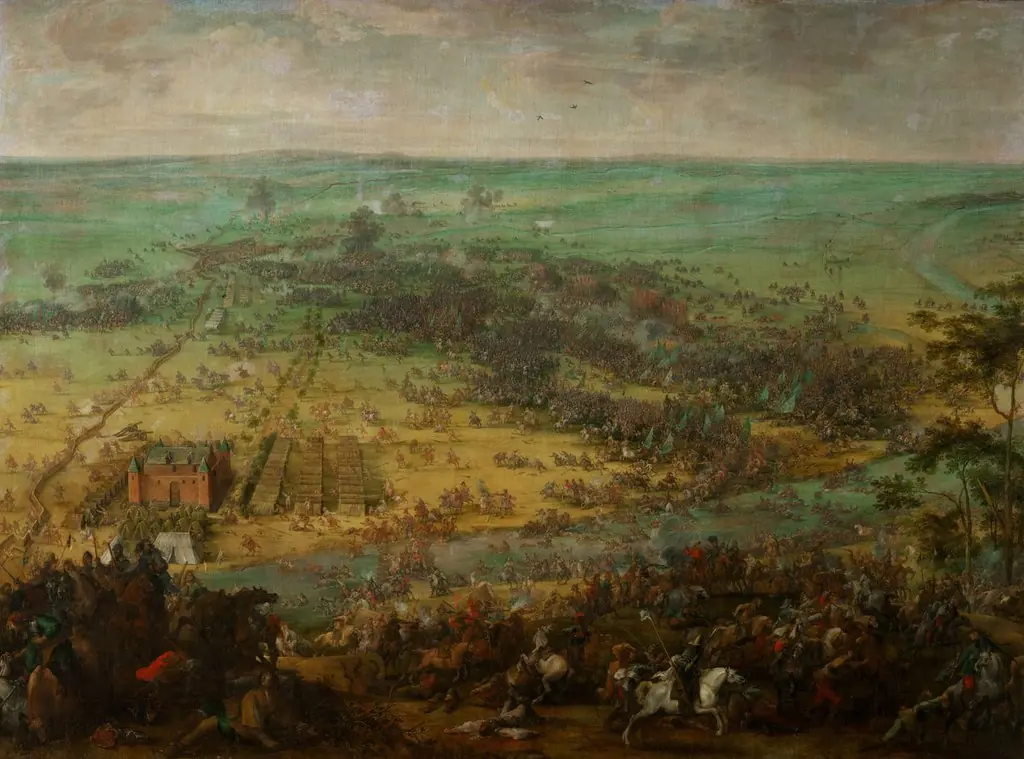
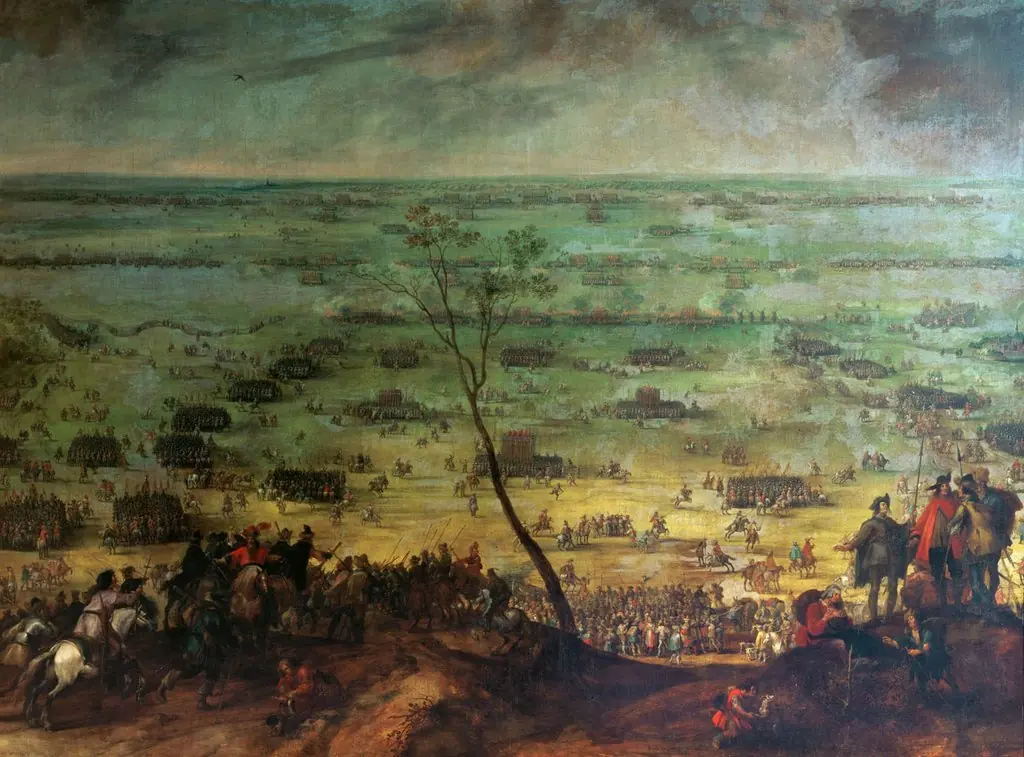
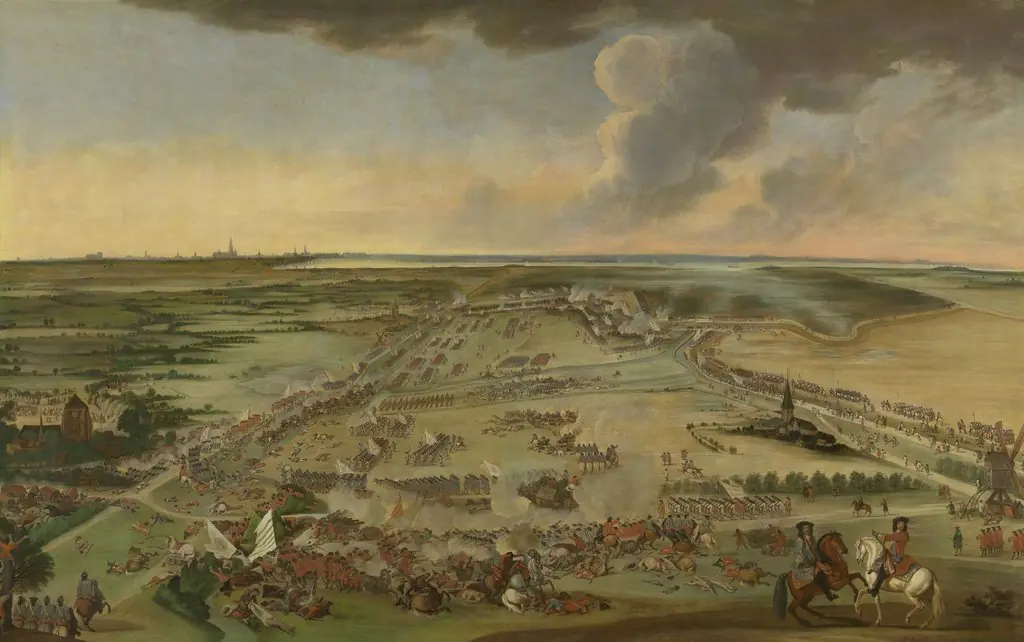
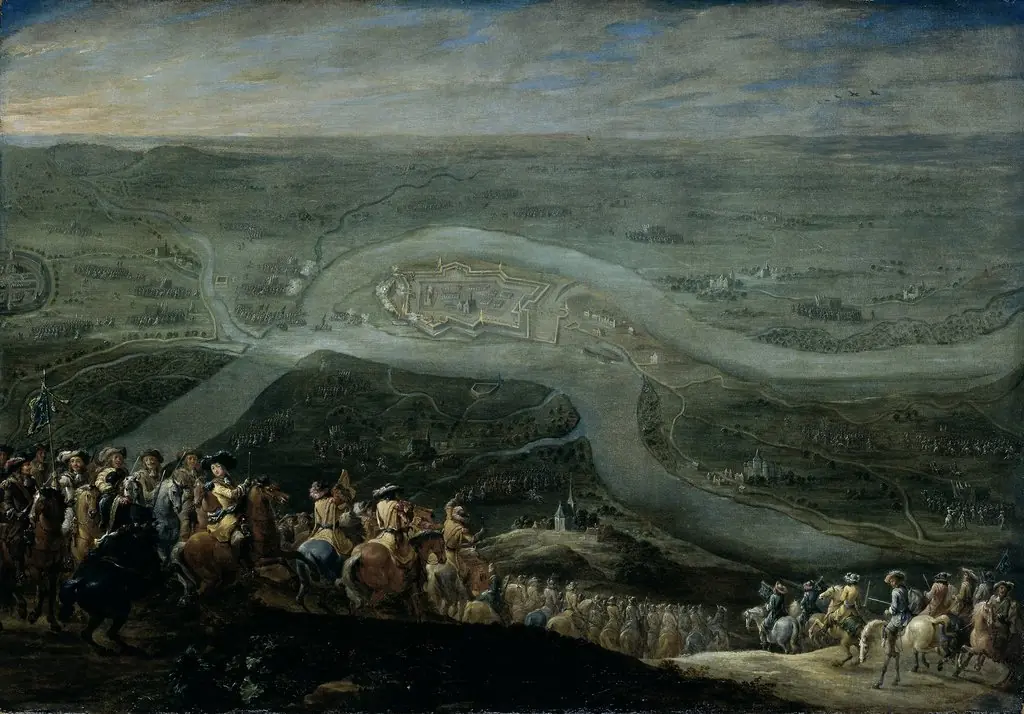
The Battle of Thionville, 19 June 1639 between the Imperial forces under Piccolomini and the French
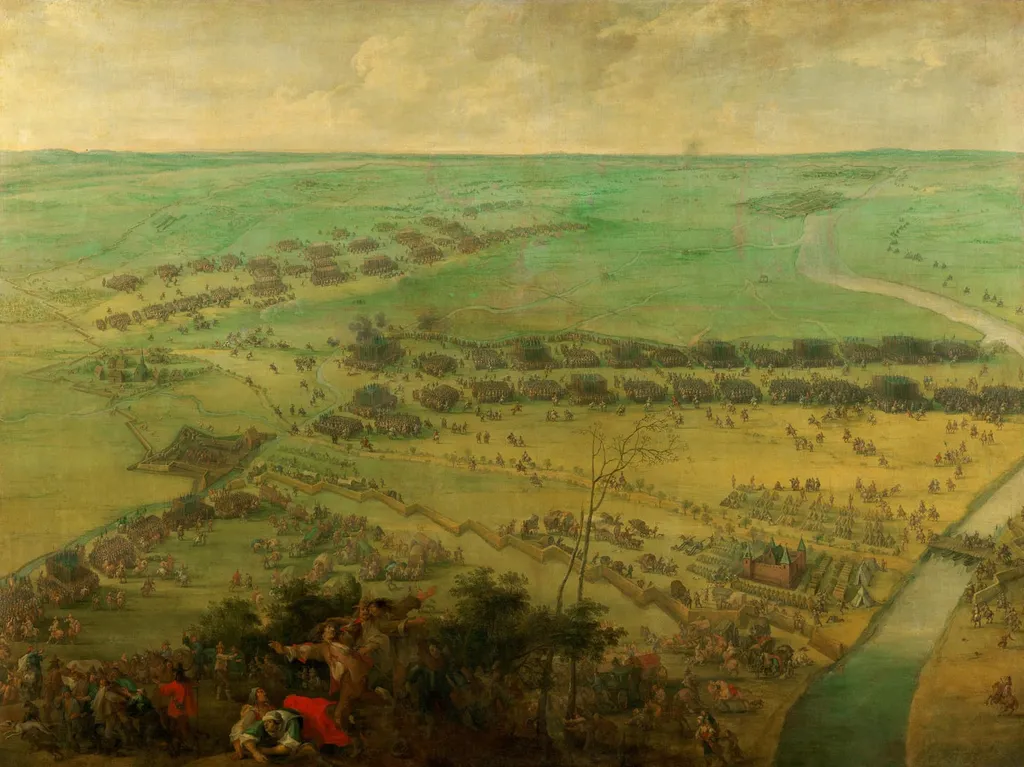
The Battle of Thionville, 19 June 1639 between the Imperial forces under Piccolomini and the French is an oil painting by the Flemish Baroque painting artist Peter Snayers. It dates from 1644 and is held in the collection of the Kunsthistorisches Museum.
About this work
Overview
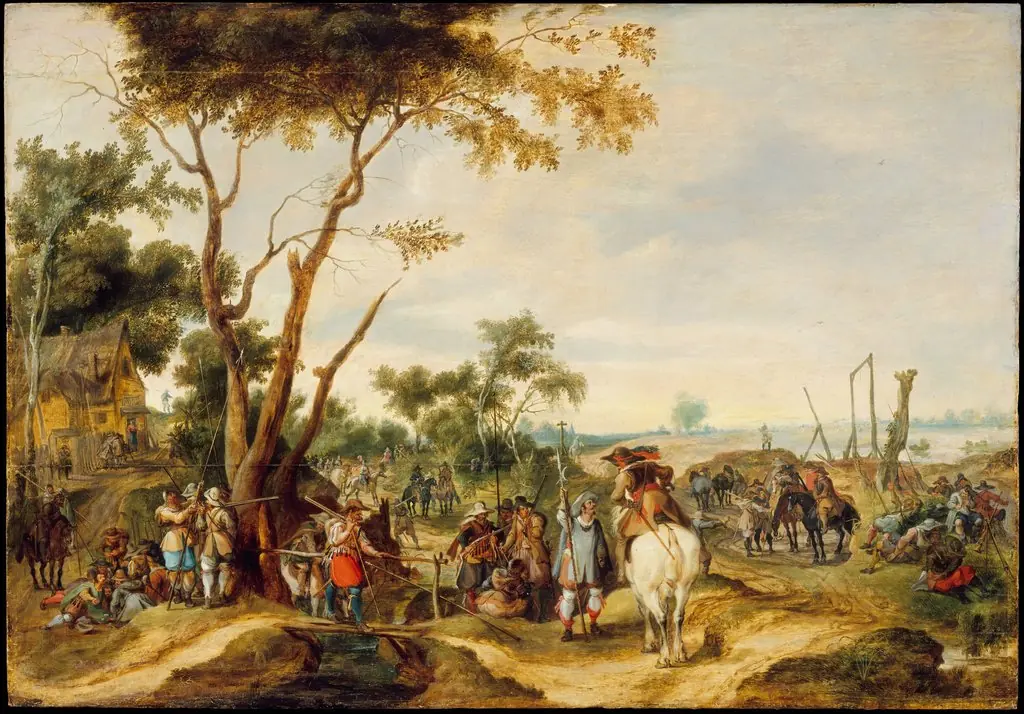
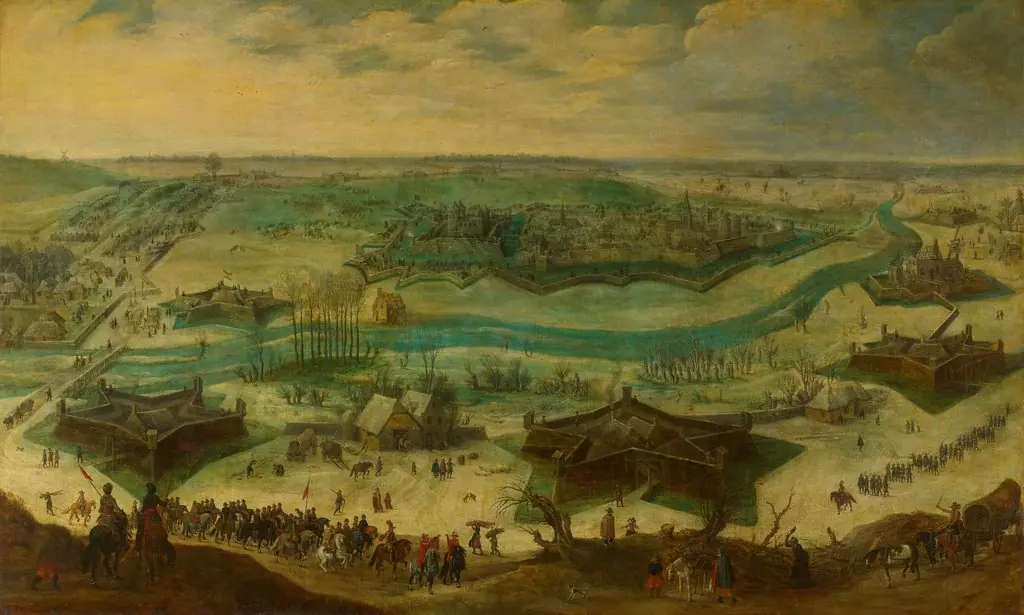
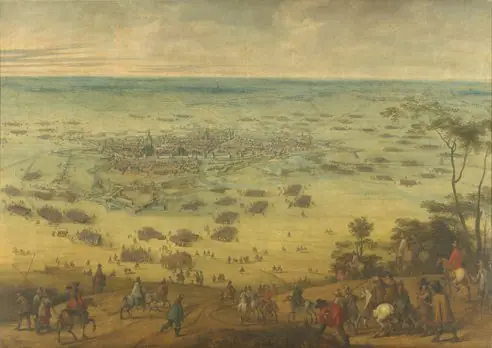
Peter Snayers’ oil painting, completed in 1644, portrays the 19 June 1639 clash at Thionville between Imperial troops led by Piccolomini and French forces.
Peter Snayers’ oil painting, completed in 1644, portrays the 19 June 1639 clash at Thionville between Imperial troops led by Piccolomini and French forces. Executed in the Flemish Baroque idiom, the work offers a wide‑angle, topographic view of the battlefield, populated with cavalry, infantry, artillery and billowing smoke across a river‑cut field. It is currently housed in Vienna’s Kunsthistorisches Museum.
Subject & Meaning
The canvas records a specific 17th‑century military encounter, emphasizing the chaos of close combat as riders tumble from horses and foot soldiers engage in dense formations. By foregrounding the tumult while retaining a clear sense of terrain, Snayers underscores both the strategic importance of the riverine setting and the human cost of the engagement, reflecting contemporary interests in documenting warfare with factual precision.
Technique & Style
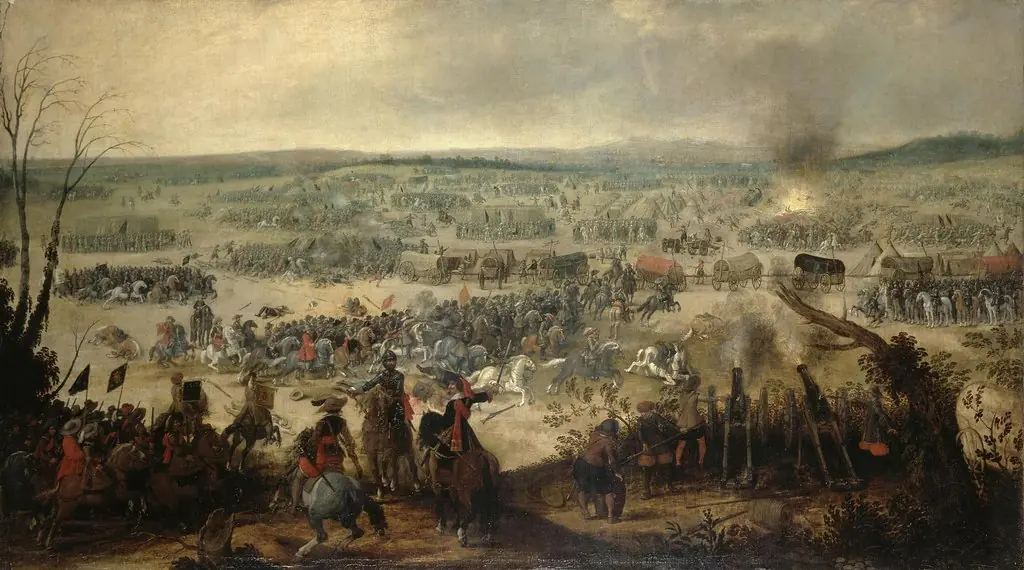
Snayers employs a bird’s‑eye perspective, arranging troops in miniature yet recognizable groups that convey depth through overlapping figures and receding landscape. The palette leans toward muted greens, browns and grays, punctuated by occasional red and blue accents on uniforms and flags. Visible brushwork and a subtle chiaroscuro model the smoke and cannon fire, imparting a dynamic sense of movement characteristic of Flemish Baroque battle scenes.
History & Provenance
Born in Antwerp, Snayers later settled in Brussels, where he worked for the Habsburg court and associated with artists such as Peter Paul Rubens. After its creation, the painting entered the imperial collection and eventually became part of the Kunsthistorisches Museum’s holdings, where it remains accessible to scholars and the public.
Context
The Battle of Thionville formed part of the larger Thirty Years’ War, a conflict that reshaped Central Europe’s political map. Snayers’ detailed representation aligns with a broader Flemish tradition of topographic military art, which served both documentary and propagandistic purposes for patrons seeking visual records of their victories and territorial claims.
Artist & collection
Artist
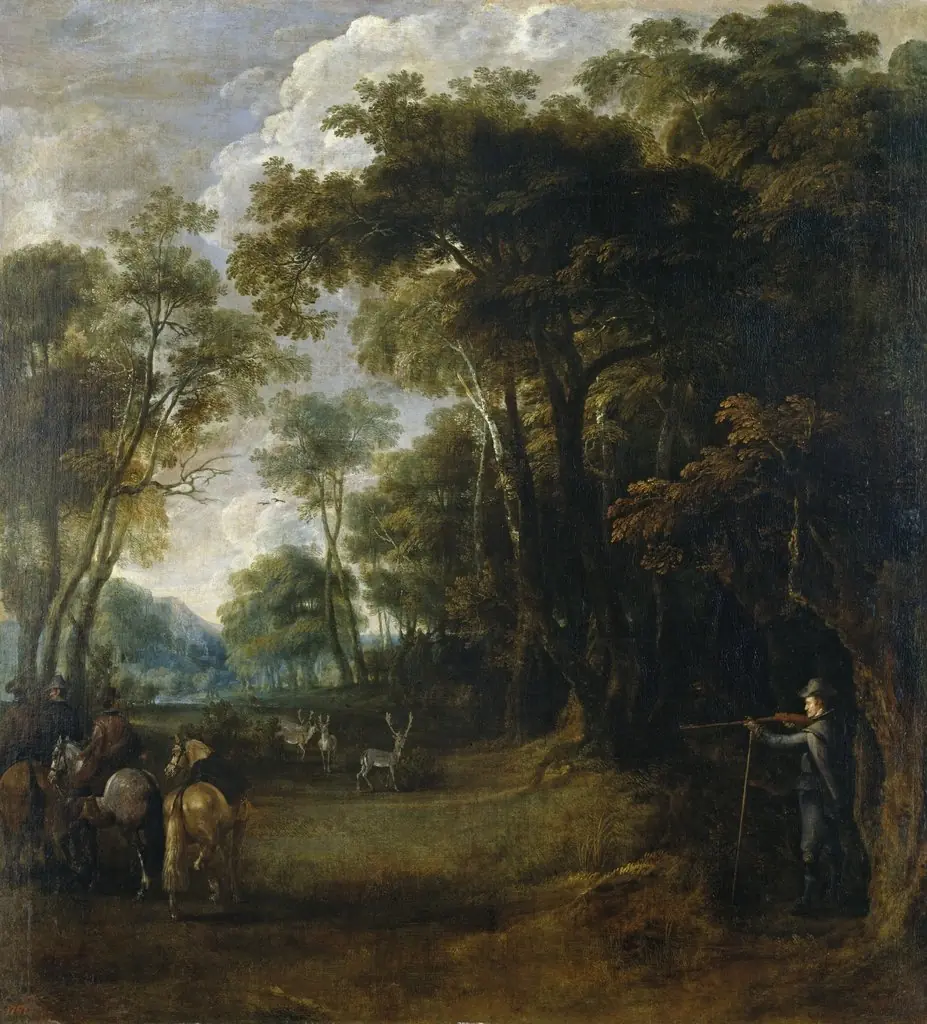
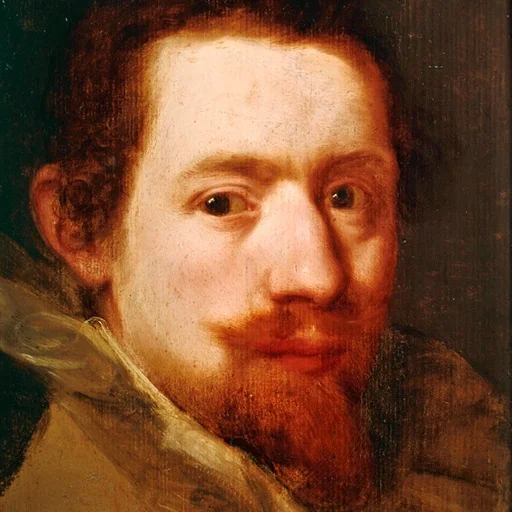
Peter Snayers or Pieter Snayers (1592–1667) was a Flemish painter known for his panoramic battle scenes, depictions of cavalry skirmishes, attacks on villages, coaches and convoys and hunting scenes.