Artwork
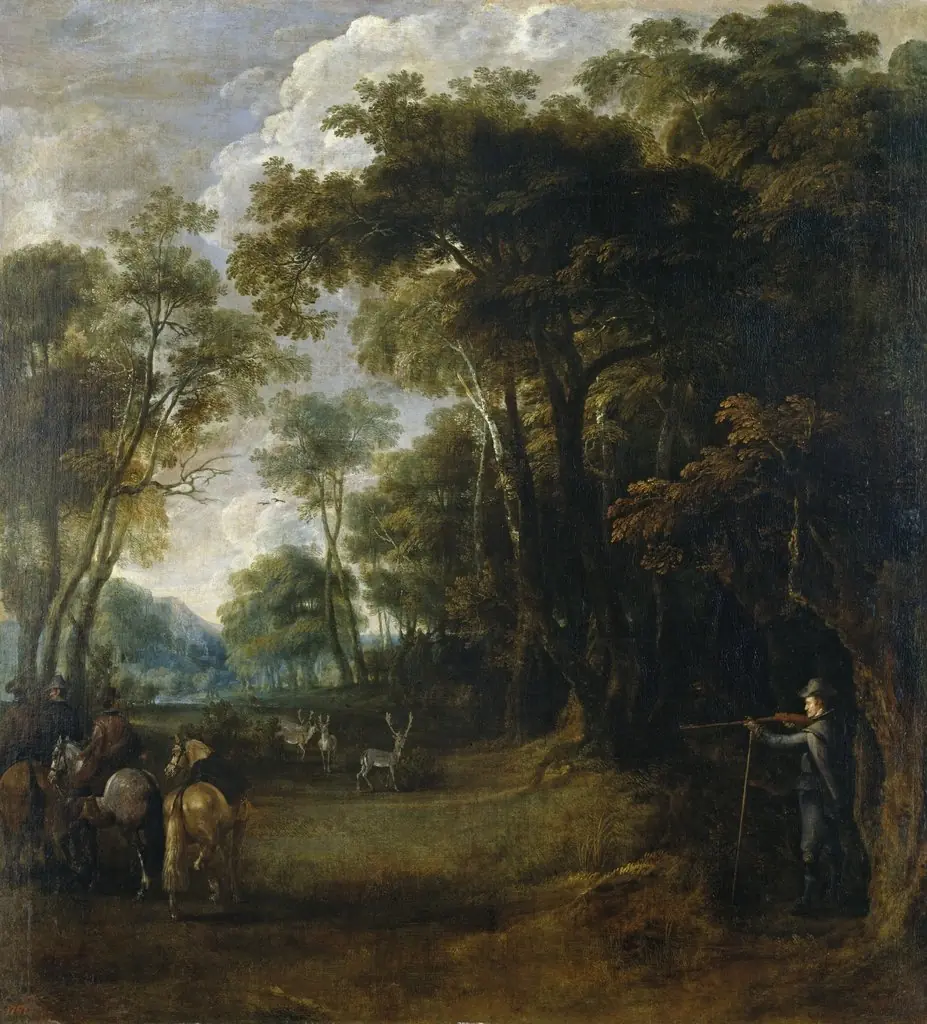
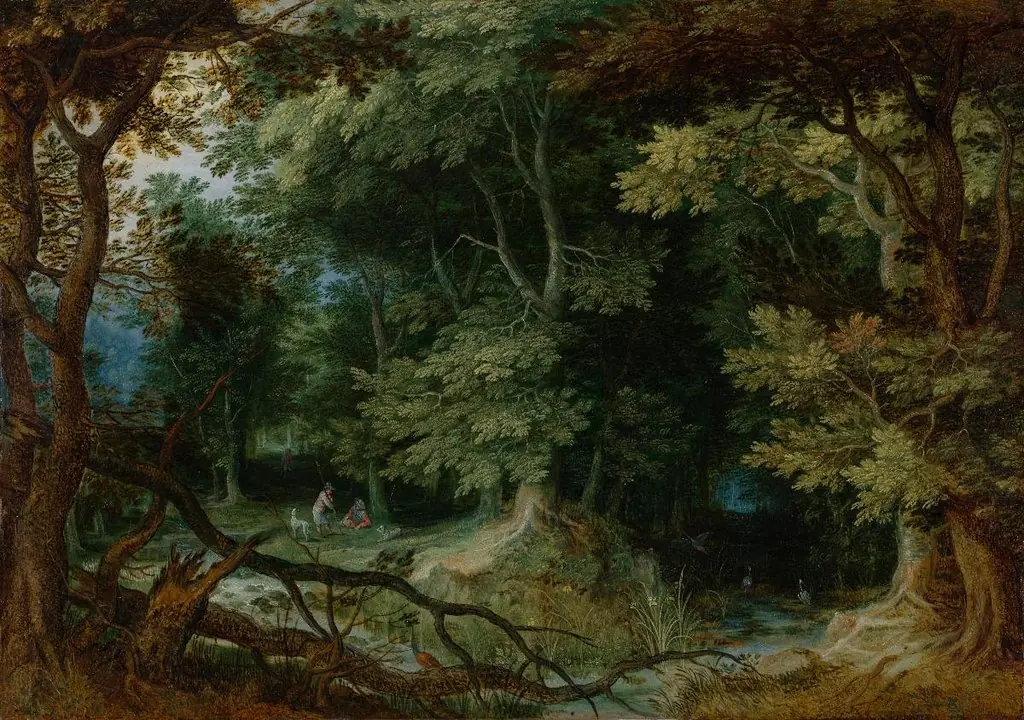
Wooded landscape with hunters
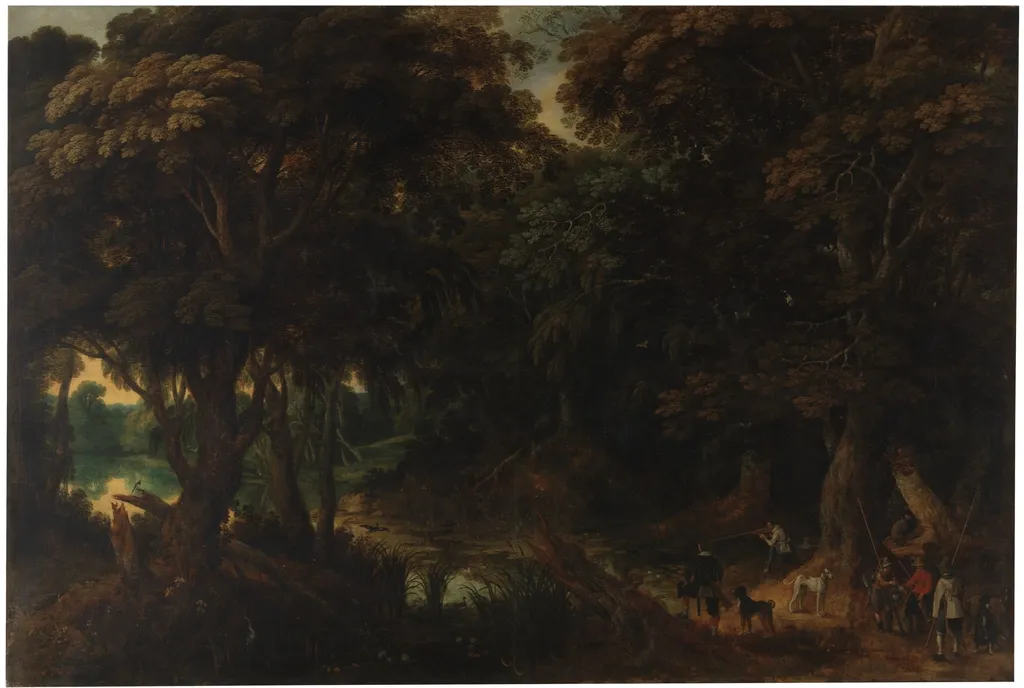
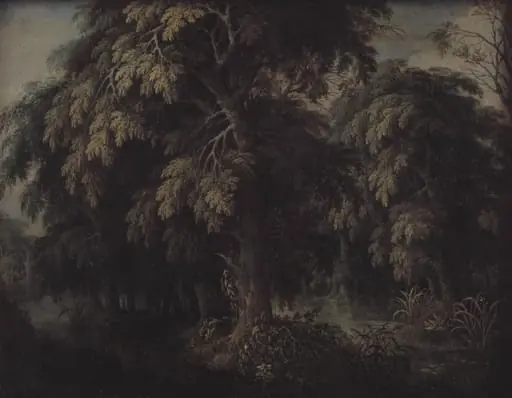
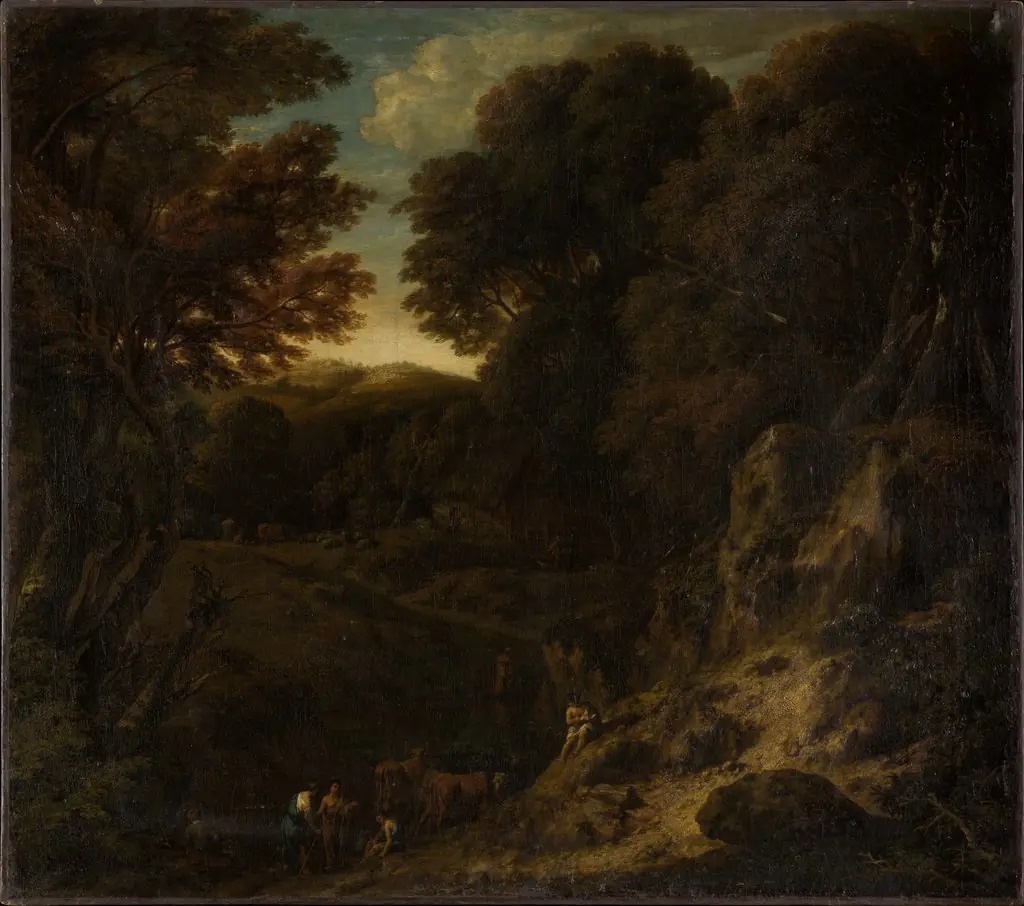
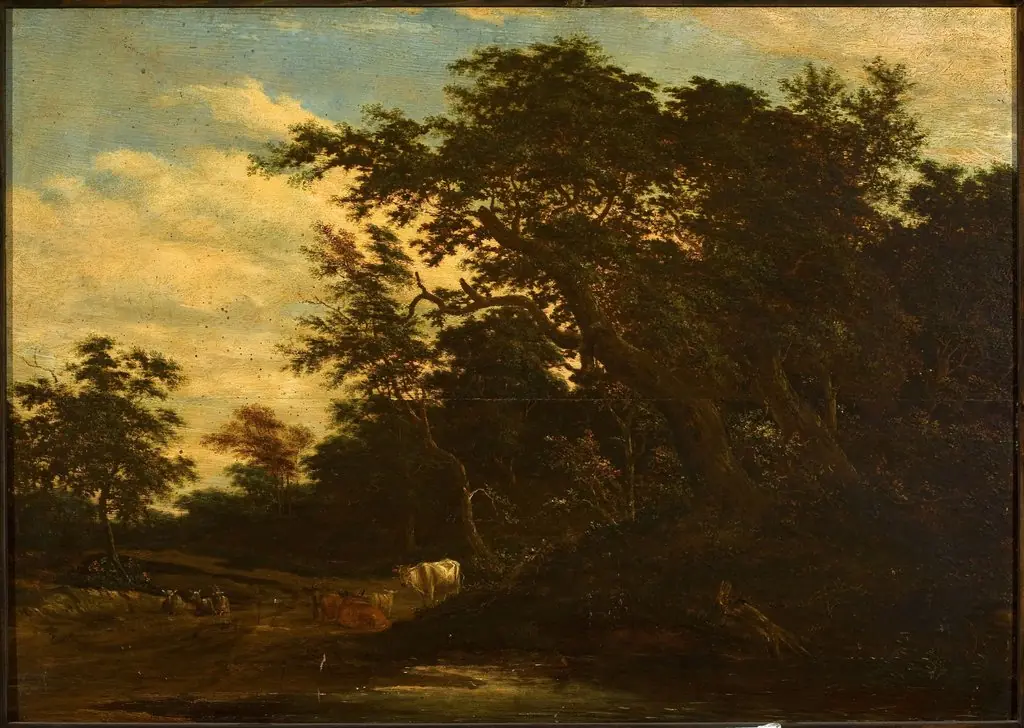
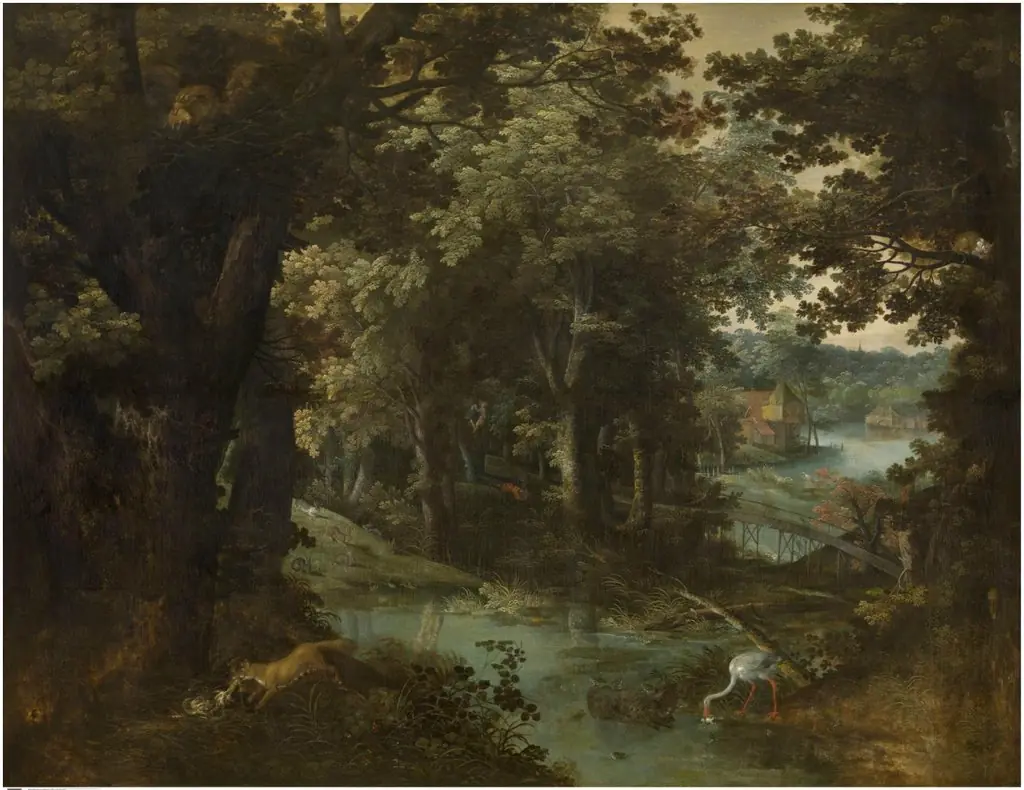
Wooded landscape with hunters is an oil painting by the Early Baroque Italian artist Peter Snayers. It dates from 1601 and is held in the collection of the Museo del Prado.
About this work
Overview
It reflects Snayers’ skill in integrating figures into expansive landscapes, a hallmark of his mature style during his time in Antwerp and Brussels.
Painted in the early 17th century, this oil on panel work by Peter Snayers presents a quiet woodland scene centered on a hunting party. Unlike his more famous battle compositions, this piece focuses on rural life in a dense forest, rendered with careful attention to naturalism. It reflects Snayers’ skill in integrating figures into expansive landscapes, a hallmark of his mature style during his time in Antwerp and Brussels.
Subject & Meaning
The painting depicts a small group of hunters, armed with firearms and accompanied by dogs, moving through a wooded area. One figure rides a horse, suggesting status or leadership. The scene lacks dramatic action, instead conveying a moment of pause or transition. It reflects contemporary aristocratic pastimes in the Low Countries, where hunting was both recreation and a symbol of noble privilege, rendered without idealization.
Technique & Style
Snayers employs chiaroscuro to model the forest’s depth, using contrasting bands of light and shadow to define the tangled foliage and ground. The brushwork is precise yet unobtrusive, allowing the natural textures of bark, foliage, and fur to emerge subtly. The composition avoids symmetry, favoring an organic arrangement that mimics the irregularity of the wild, enhancing the sense of immersion in the environment.
History & Provenance
Created around 1601, the painting entered the Spanish royal collection, likely through the Habsburg networks connecting the Low Countries and Madrid. It has remained in the Museo del Prado since at least the 18th century, cataloged among Flemish works collected by the Spanish court. Its survival and preservation reflect its status as a representative example of early Baroque landscape painting in the Habsburg territories.
Context
Snayers worked during a period when Flemish artists increasingly turned to landscape as an independent genre, influenced by both Dutch realism and Italian compositional principles. While the painting’s subject aligns with northern European traditions, its tonal modeling shows awareness of Italianate light effects. This synthesis reflects the cross-cultural exchanges within the Habsburg domains, where artists moved freely between courts and cities.
Legacy
Though less celebrated than Snayers’ battle scenes, this work exemplifies the quiet evolution of landscape painting in the early Baroque. It contributed to a growing interest in nature as a subject worthy of detailed observation, paving the way for later developments in Flemish and Dutch landscape art. Its presence in the Prado underscores its role as a documented link between northern European realism and royal collecting practices.
Own this work as a print
Artist & collection
Artist
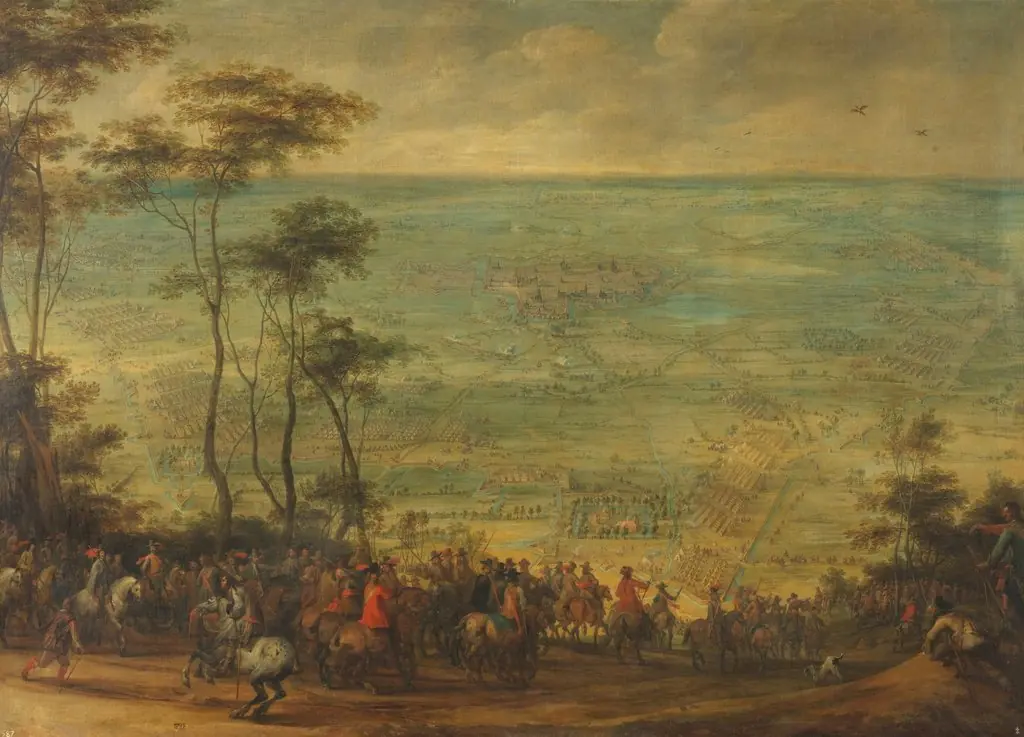
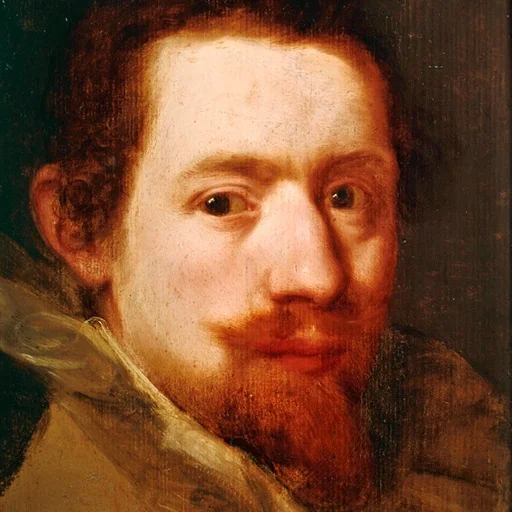
Peter Snayers or Pieter Snayers (1592–1667) was a Flemish painter known for his panoramic battle scenes, depictions of cavalry skirmishes, attacks on villages, coaches and convoys and hunting scenes.