Artwork
The taking of Ypres
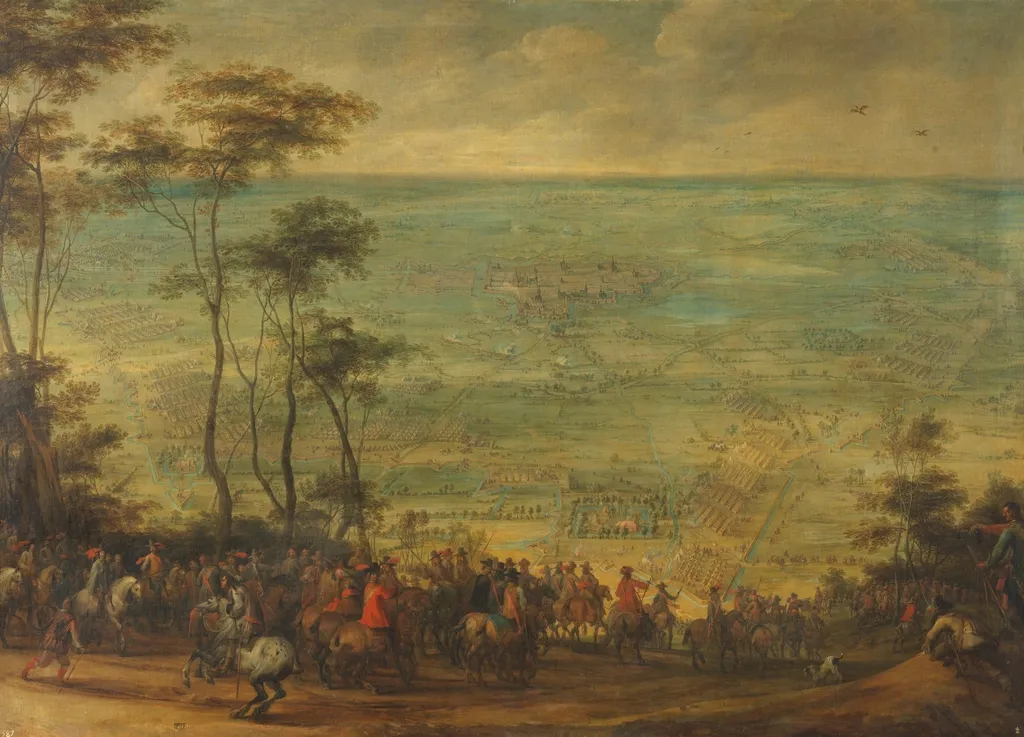
The taking of Ypres is an oil painting by the Flemish Baroque painting artist Peter Snayers. It dates from 1649 and is held in the collection of the Museo del Prado.
About this work
Overview
Executed in the Flemish Baroque style, the work is one of several large-scale battle scenes Snayers produced for aristocratic patrons.
Painted in 1649 by Flemish artist Peter Snayers, this canvas depicts the capture of Ypres during the Eighty Years' War. Executed in the Flemish Baroque style, the work is one of several large-scale battle scenes Snayers produced for aristocratic patrons. It is currently held in the Museo del Prado’s collection, where it exemplifies his specialization in detailed military topography and dynamic battlefield composition.
Subject & Meaning
The painting illustrates the 1649 siege of Ypres, a strategic Flemish city contested between Spanish and Dutch forces. Snayers presents a condensed, multi-layered view of the conflict: foreground cavalry clash amid waving banners, while distant troops engage around the city walls and river. The scene conveys military momentum rather than a specific moment, serving as a commemorative record of Habsburg territorial success in the region.
Technique & Style
Snayers employed a high vantage point to capture the sprawling chaos of battle, arranging figures in receding planes to suggest depth. His brushwork is precise, rendering uniforms, horses, and architecture with clarity. The vivid red coats of the soldiers contrast sharply with muted earth tones, drawing attention to movement and hierarchy within the composition. Trees along the left edge frame the scene, guiding the viewer’s eye toward the urban center.
History & Provenance
Commissioned likely for a Spanish or Habsburg noble, the painting entered the Spanish royal collection in the 17th century and later became part of the Museo del Prado’s holdings. Snayers, based in Brussels, worked within a network of court artists and often collaborated with landscape specialists. His battle scenes were valued for their documentary accuracy and were preserved as both historical records and symbols of military prestige.
Context
Created during the final decades of the Eighty Years' War, the painting reflects the Habsburgs’ ongoing efforts to maintain control over the Southern Netherlands. Snayers’s focus on topographical fidelity aligned with contemporary interest in cartographic precision and military documentation. His work stood apart from mythological or religious themes dominant in Baroque art, offering instead a secular, observational approach to warfare.
Legacy
Snayers’s panoramic battle scenes influenced later military painters in the Low Countries and Spain. Though less celebrated than contemporaries like Rubens, his meticulous depictions of terrain and troop movements provided a visual archive of 17th-century warfare. Today, his works are studied for their historical detail and as examples of how art served state interests through visual propaganda and commemoration.
Own this work as a print
Artist & collection
Artist
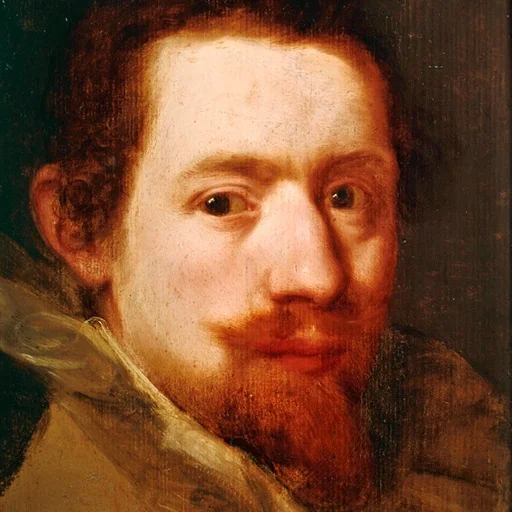
Peter Snayers or Pieter Snayers (1592–1667) was a Flemish painter known for his panoramic battle scenes, depictions of cavalry skirmishes, attacks on villages, coaches and convoys and hunting scenes.

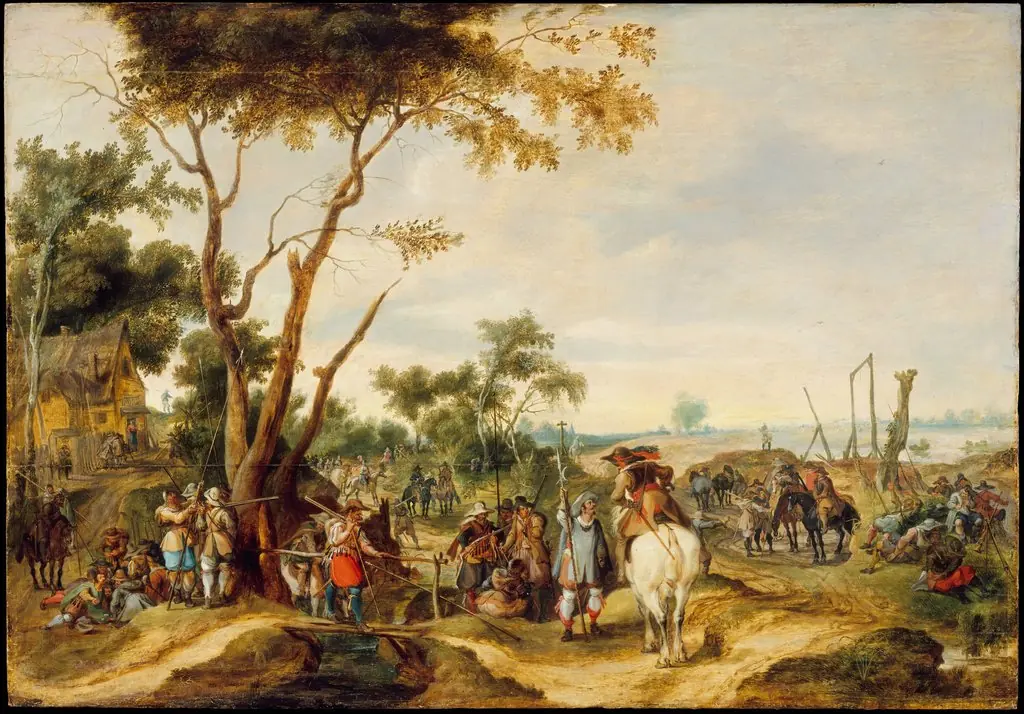
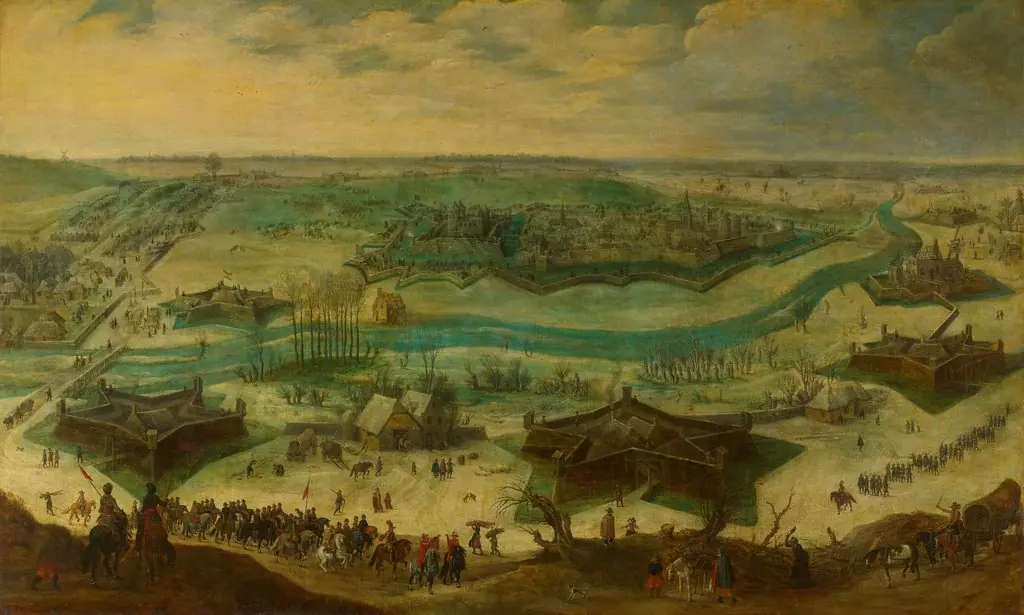
 Scene from the Thirty Years' War
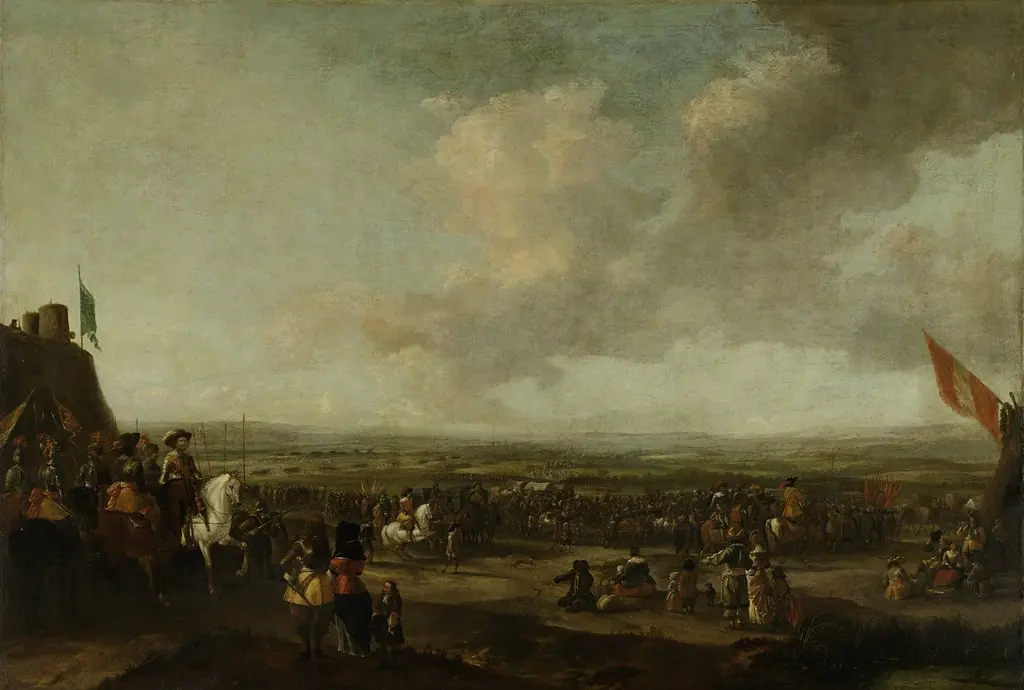 Frederik Hendrik at the surrender of Maastricht, 22 August 1632
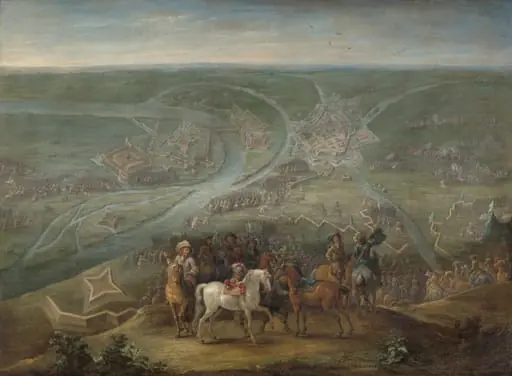 Untitled
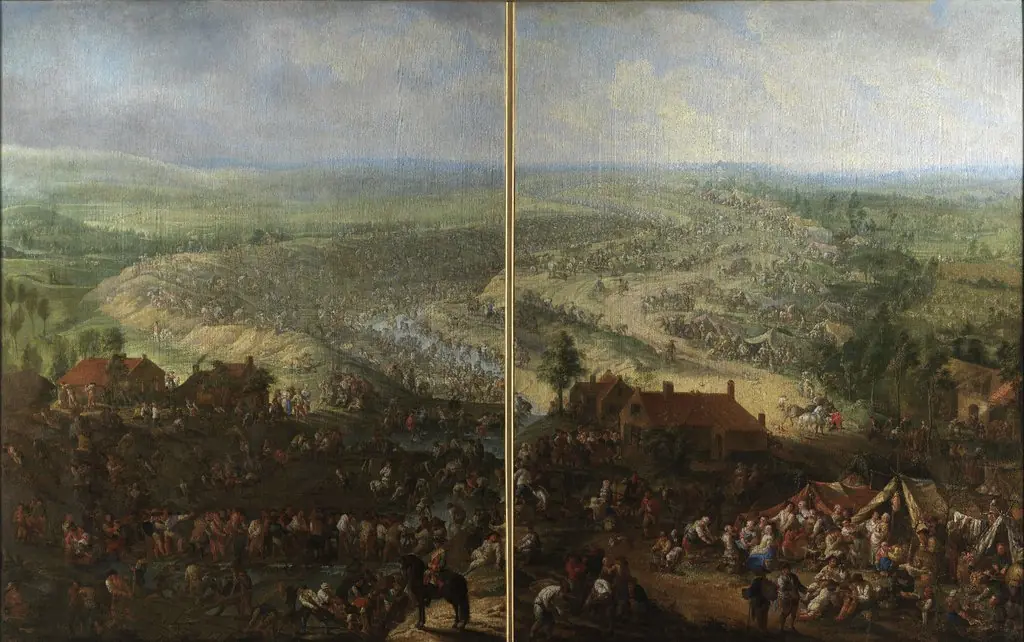 The Digging Out of the Ghent-Bruges Canal
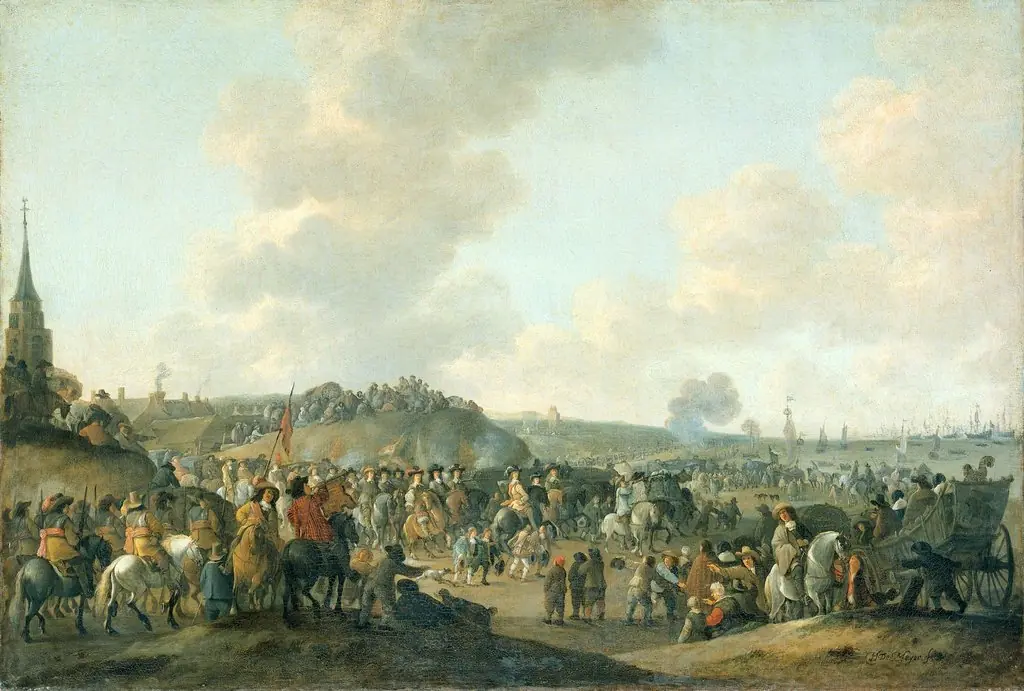 Departure of Charles II of England at Scheveningen, June 2, 1660
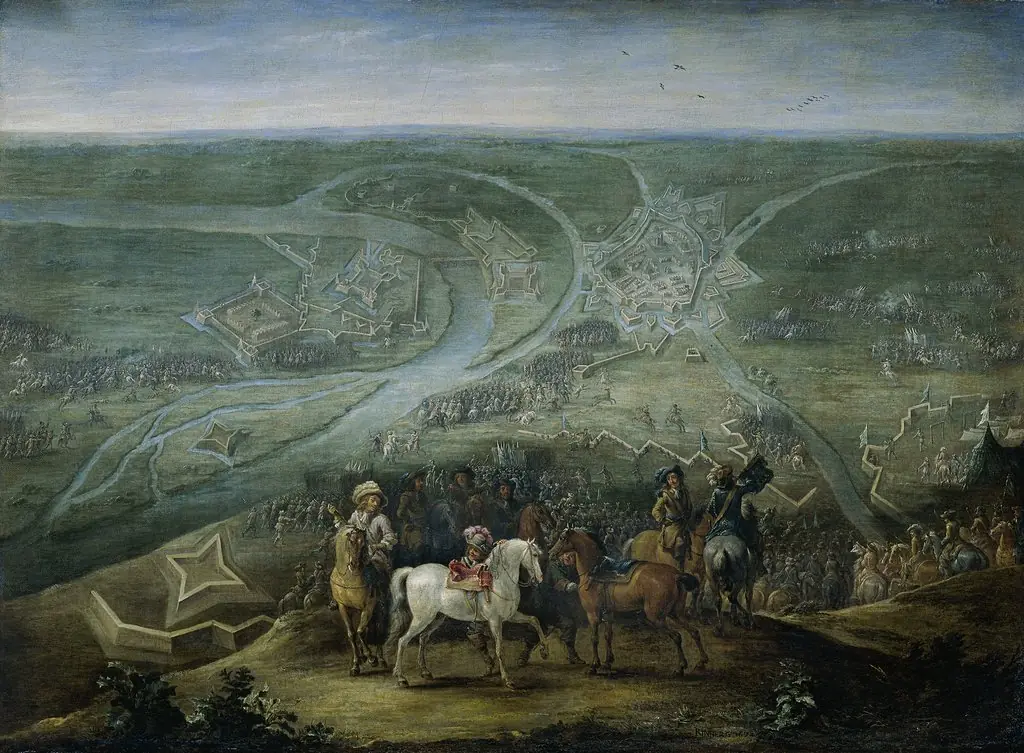 The French army at Rheinberg, 2-6 June 1672
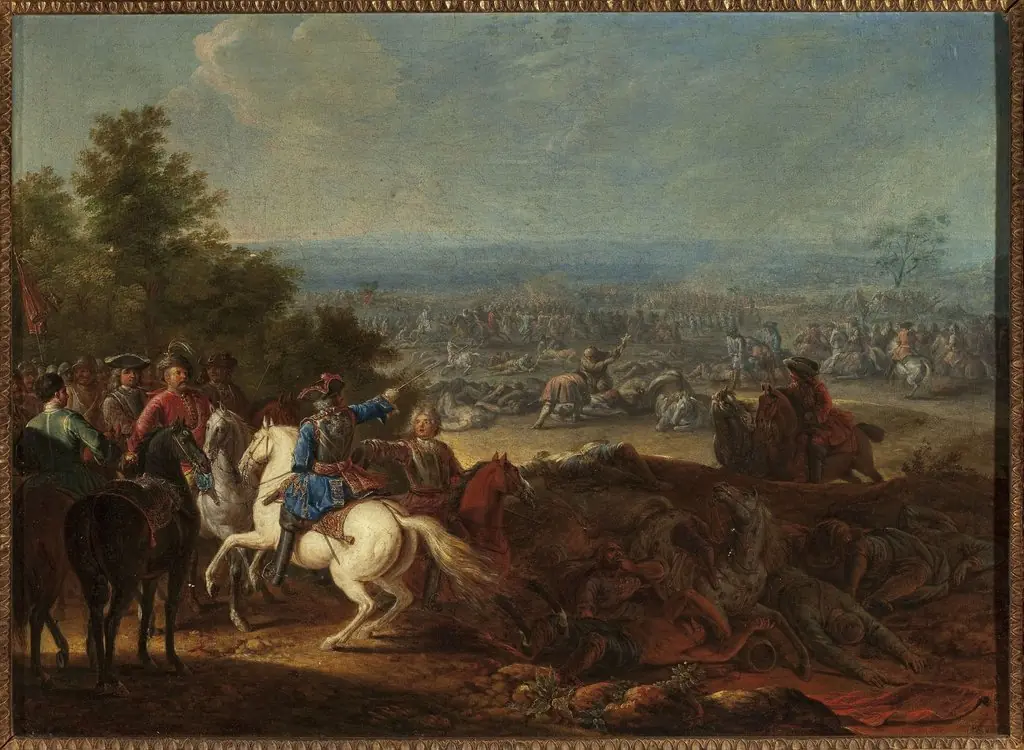 After the battle
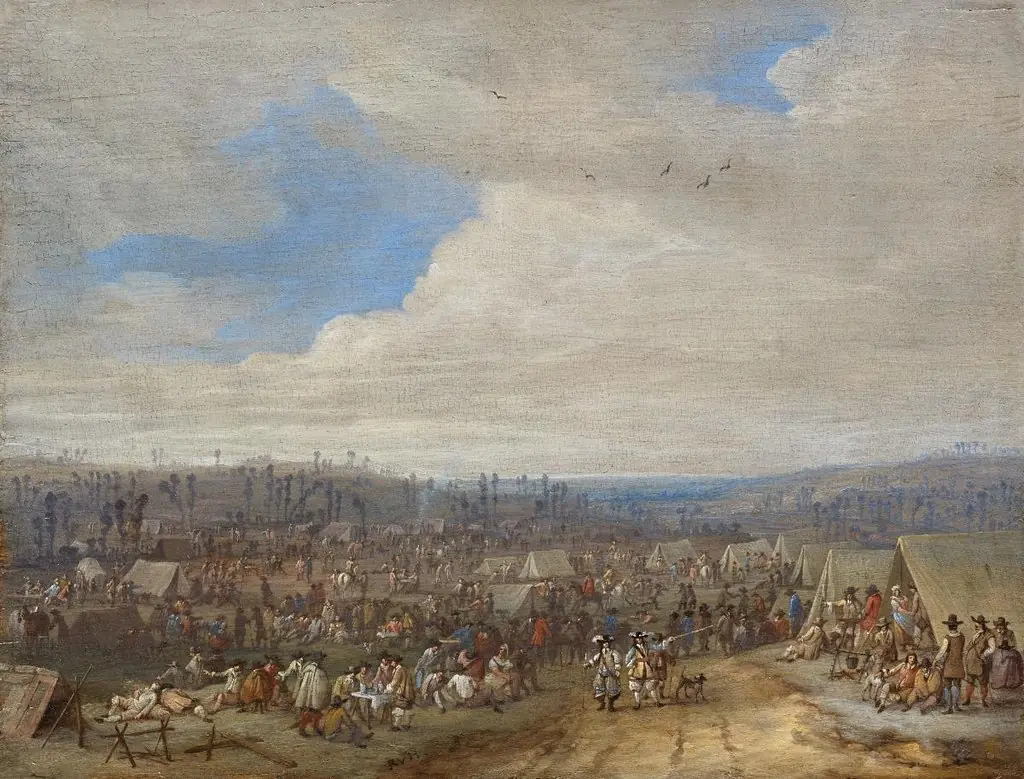 Soldaten im Lager
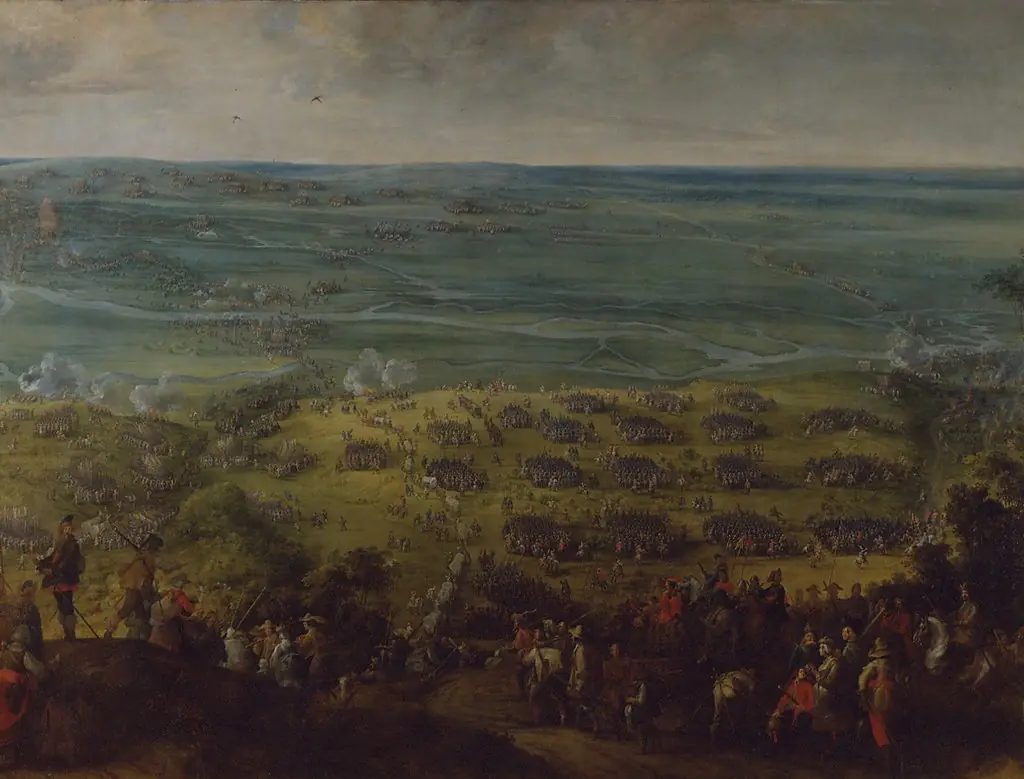 The crossing of the Somme
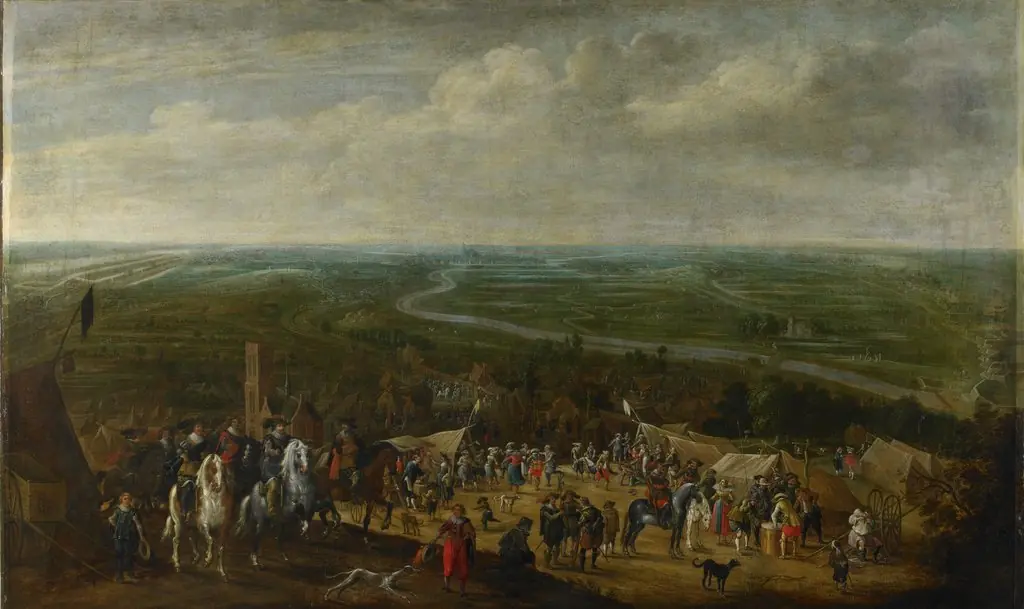 Prince Frederik Hendrik at the siege of 's-Hertogenbosch, 1629
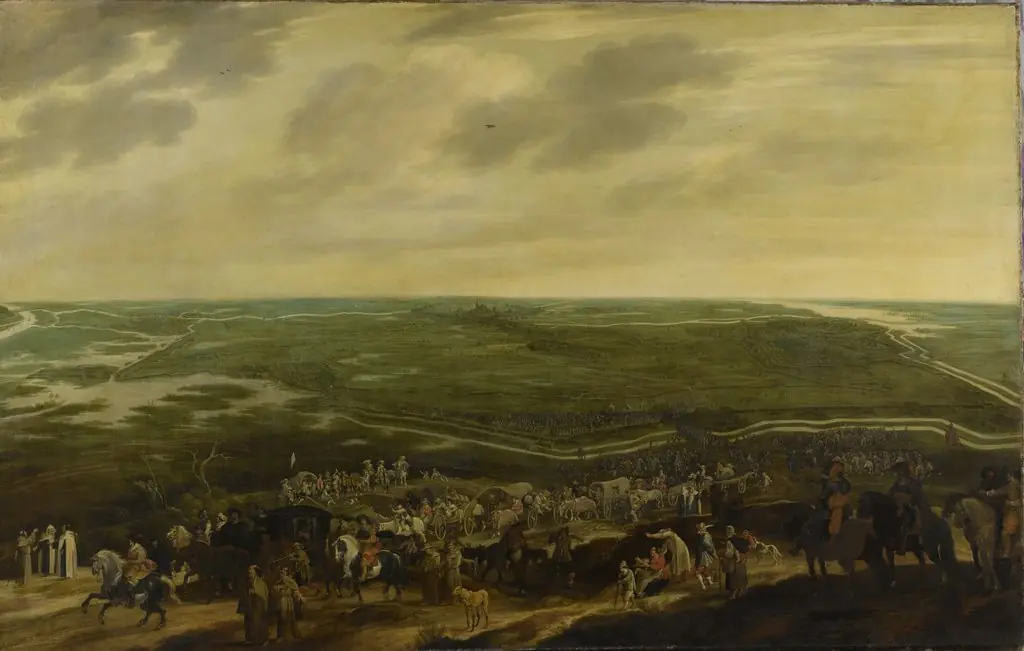 The defeated Spanish garrison leaving 's-Hertogenbosch, 17 September 1629
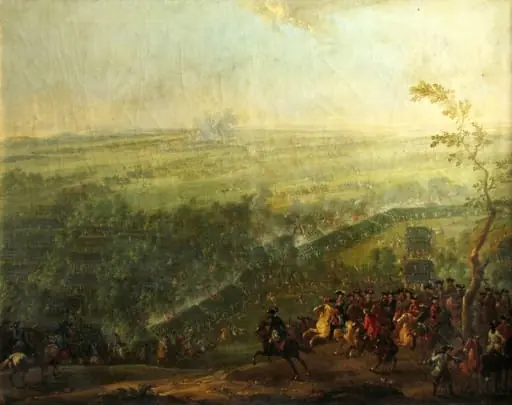 Bătălia de la Poltava