Artwork
Storm at Wellington Heads
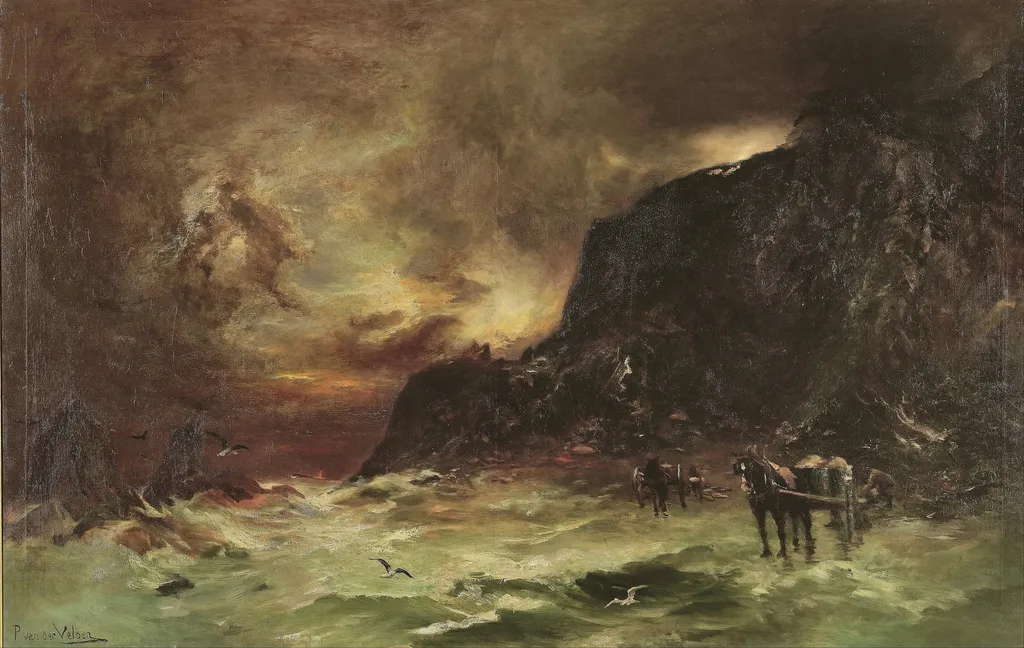
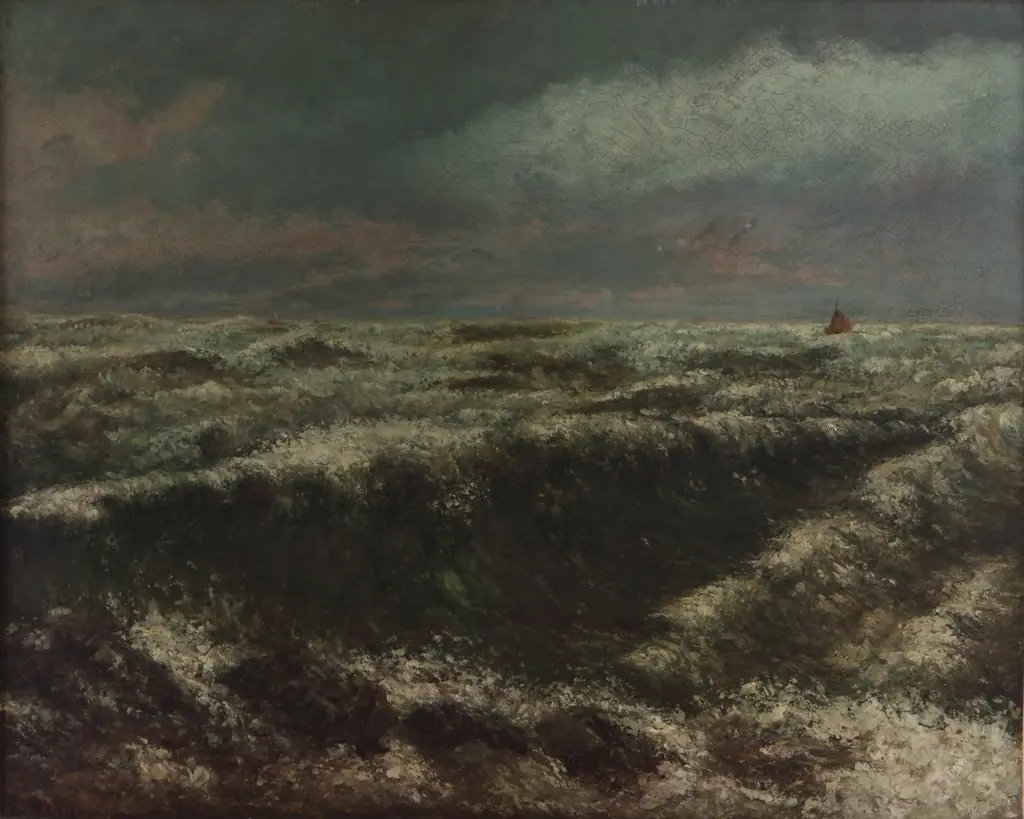
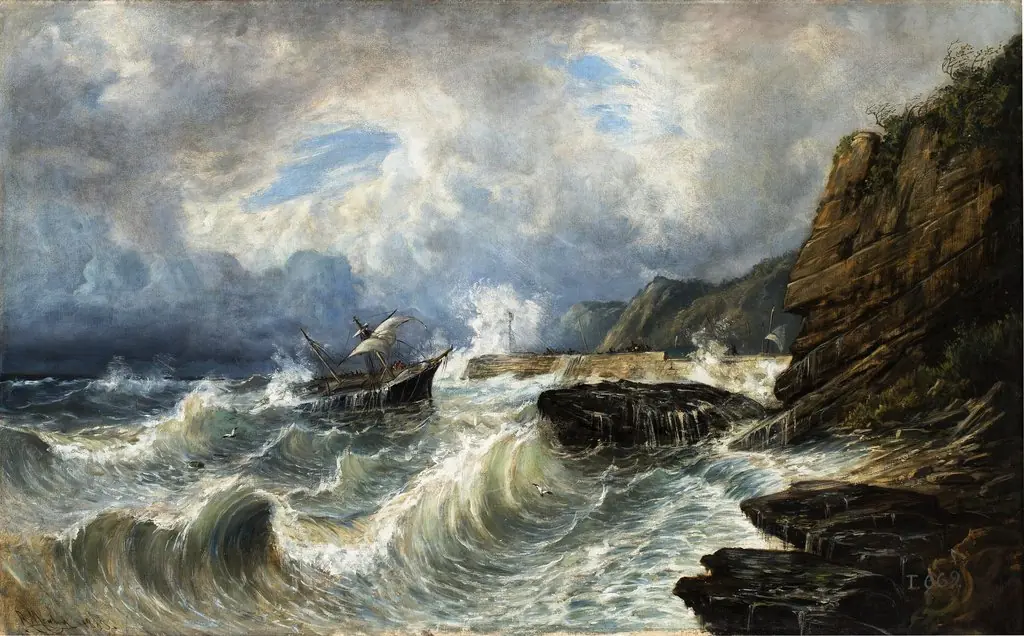
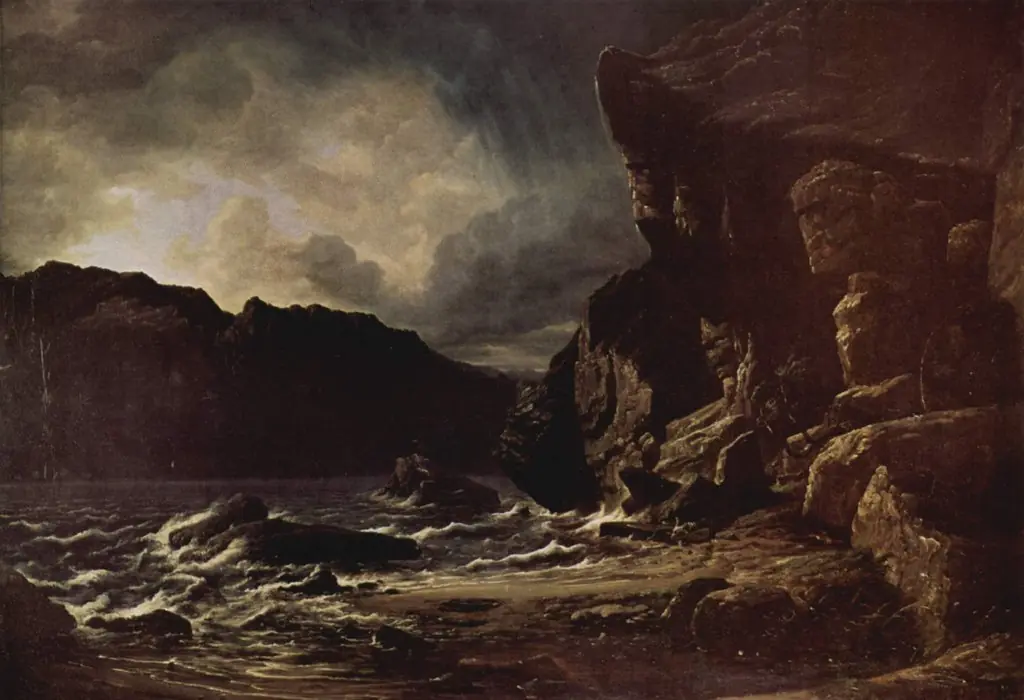
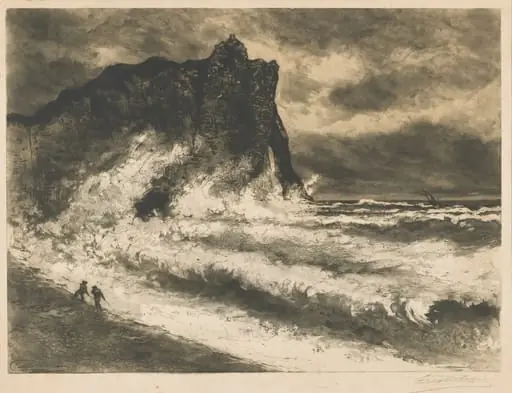
Storm at Wellington Heads is an oil painting by the Post-Impressionist artist Petrus Van der Velden. It dates from 1908 and is held in the collection of the Museum of New Zealand Te Papa Tongarewa.
About this work
Overview
Van der Velden, who settled in the country in his later years, used the dramatic landscape of Cook Strait as a subject to explore natural forces.
Painted in 1908 by Dutch-born artist Petrus van der Velden, *Storm at Wellington Heads* is an oil-on-canvas work that captures a turbulent coastal scene in New Zealand. Van der Velden, who settled in the country in his later years, used the dramatic landscape of Cook Strait as a subject to explore natural forces. The painting is part of the permanent collection at Museum of New Zealand Te Papa Tongarewa.
Subject & Meaning
The scene centers on a horse-drawn cart barely visible against the storm’s fury, emphasizing human vulnerability amid nature’s power. The foreground figures are small and indistinct, dwarfed by the churning sea and darkened sky. This contrast suggests a meditation on endurance and isolation, common themes in van der Velden’s later work, reflecting his own displacement and introspective outlook.
Technique & Style
Van der Velden employed bold, energetic brushwork and strong chiaroscuro to convey motion and tension. Dark, swirling clouds and turbulent waves are rendered with thick impasto, while the cart and horse are painted in lighter, more muted tones to create visual contrast. The composition avoids idealized detail, favoring emotional intensity over realism, aligning with post-impressionist tendencies toward expressive form.
History & Provenance
Created during van der Velden’s time in New Zealand, the painting was likely made after his move from the Netherlands in the 1890s. It remained in private hands until acquired by Te Papa Tongarewa, where it has been held since the mid-20th century. Its inclusion in the national collection reflects its significance as a key example of early 20th-century New Zealand landscape painting by a European immigrant artist.
Context
Van der Velden painted this work amid growing interest in New Zealand’s rugged natural environments, though his approach diverged from romanticized depictions. His focus on elemental forces and psychological weight aligned more with European modernist concerns than local colonial aesthetics. The painting reflects a broader shift in colonial art toward personal, expressive interpretations of landscape.
Legacy
Though not widely exhibited during his lifetime, *Storm at Wellington Heads* has become a touchstone in discussions of New Zealand’s art history. It exemplifies how immigrant artists reshaped local visual culture through European techniques and emotional depth. Today, it is studied for its synthesis of personal expression and environmental observation, influencing later generations of New Zealand painters.
Own this work as a print
Artist & collection
Artist
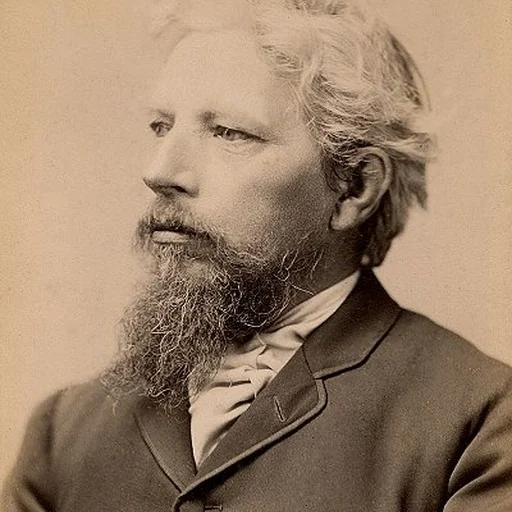
Petrus van der Velden (5 May 1837 – 11 November 1913), who is also known as Paulus van der Velden, was a Dutch artist who spent much of his later career in New Zealand.

Museum
Museum of New Zealand Te Papa Tongarewa
Continue through works from the same source collection.