Artwork
Untitled
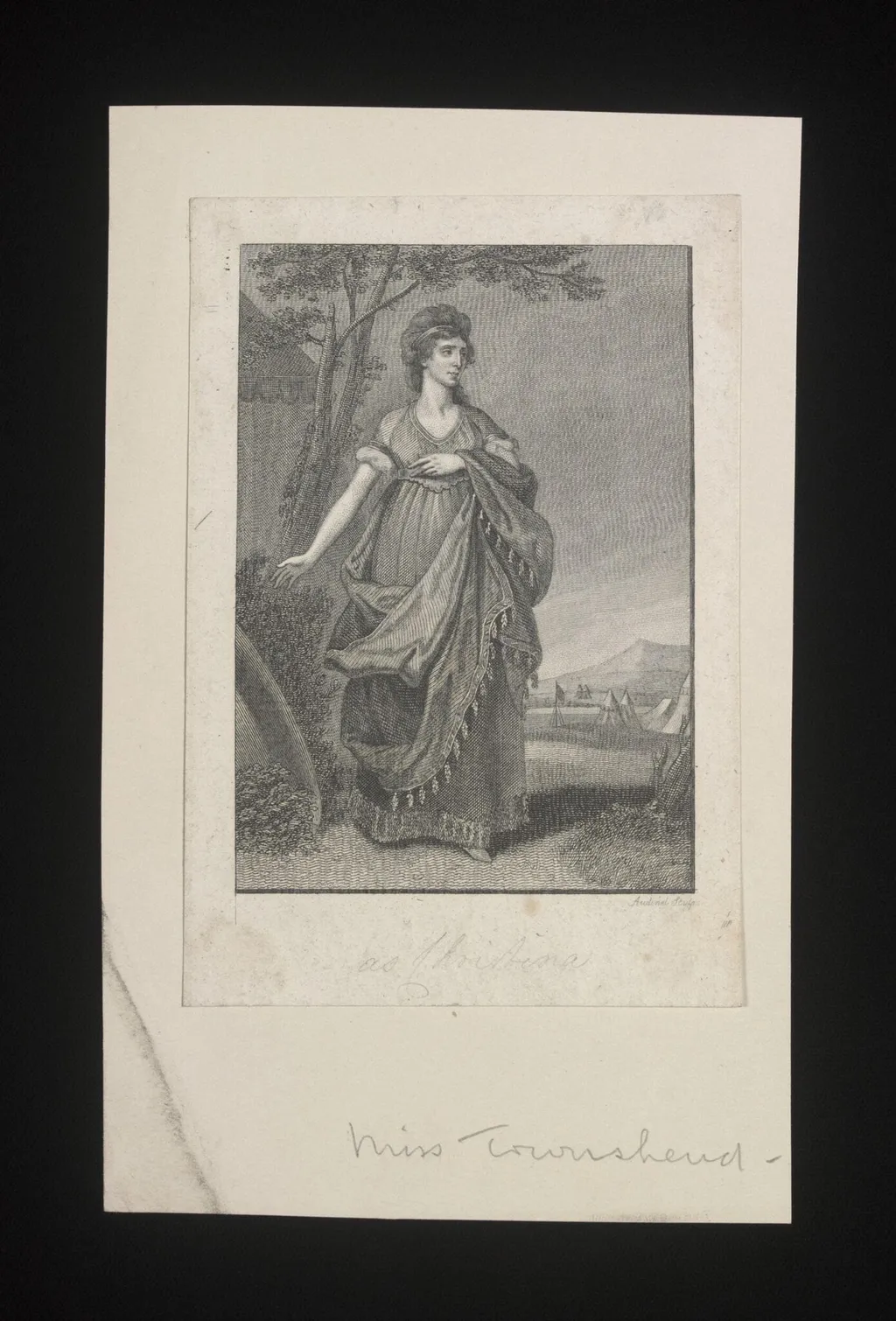
Untitled is a print by the Romanticist artist Philip Audinet. It dates from 1778 and is held in the collection of the Victoria and Albert Museum.
About this work
The print is titled Untitled and was made by Philip Audinet in 1778.
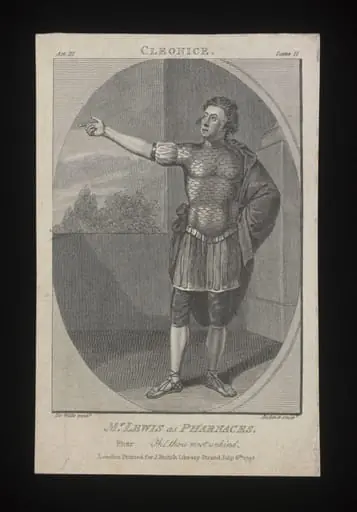
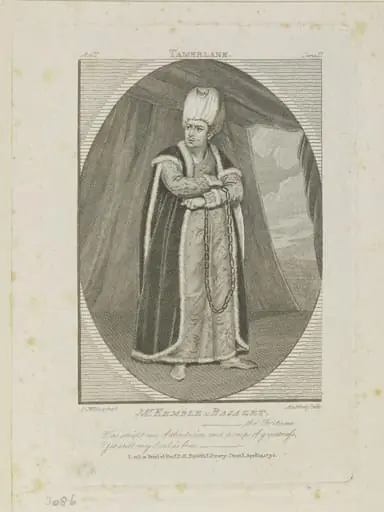
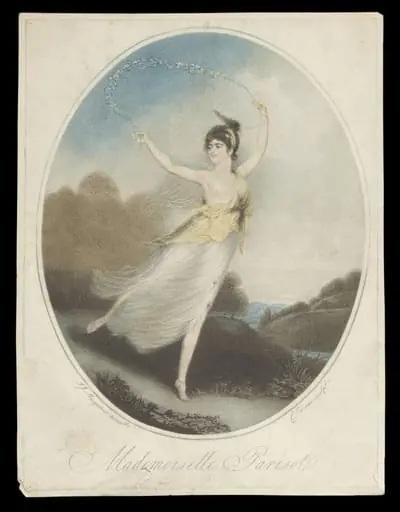
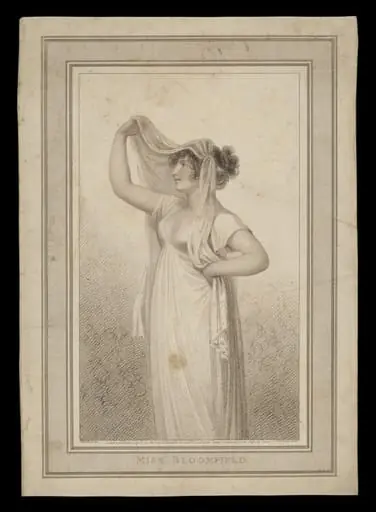
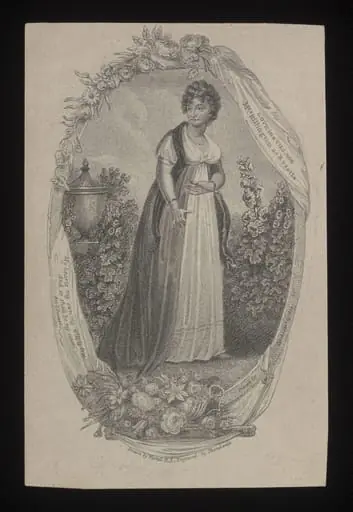
It's a print of an actress, which is interesting because it shows how theater and art were connected back then. The actress, Mrs. Elizabeth Townsend, was playing a role in a production of Gustavus Vasa.
You can learn more about this style by looking into the movement: Romanticism.
Overview
Philip Audinet’s 1778 engraving, catalogued without a formal title, presents a likeness of the actress Elizabeth Townsend in costume.
Philip Audinet’s 1778 engraving, catalogued without a formal title, presents a likeness of the actress Elizabeth Townsend in costume. The image captures her as Cristina, a character from the 1796 staging of the historical drama Gustavus Vasa. The work resides in the Harry Beard Collection and exemplifies the close relationship between theatrical performance and print culture in late‑eighteenth‑century Britain.
Subject & Meaning
The portrait foregrounds Townsend’s theatrical persona, emphasizing the role’s costume and expression to convey the drama’s emotional tone. By depicting a specific stage character, the print serves both as a record of a celebrated performance and as a visual promotion of the play’s popularity among contemporary audiences.
Technique & Style
Executed as an engraving, the image relies on fine line work and cross‑hatching to render texture and depth. Audinet’s handling reflects the detailed, realistic approach typical of late‑Georgian portrait prints, while the composition balances the figure against a restrained background, focusing attention on the actress’s attire and facial features.
History & Provenance
The print entered the Harry Beard Collection, a private assemblage noted for its holdings of theatrical ephemera. Its attribution to Audinet, a known London engraver, aligns with the period’s practice of producing portrait prints of notable stage figures for distribution among theatre patrons.
Context
Produced during the rise of Romantic sensibilities, the work illustrates how visual artists engaged with dramatic subjects, reinforcing the era’s fascination with historical and emotional narratives. Though modest in scale, the engraving contributes to the documentation of eighteenth‑century performance culture and the interplay between stage and print media.
Artist & collection