Artwork
Mr. Kemble as Bajazet in 'Tamerlane'
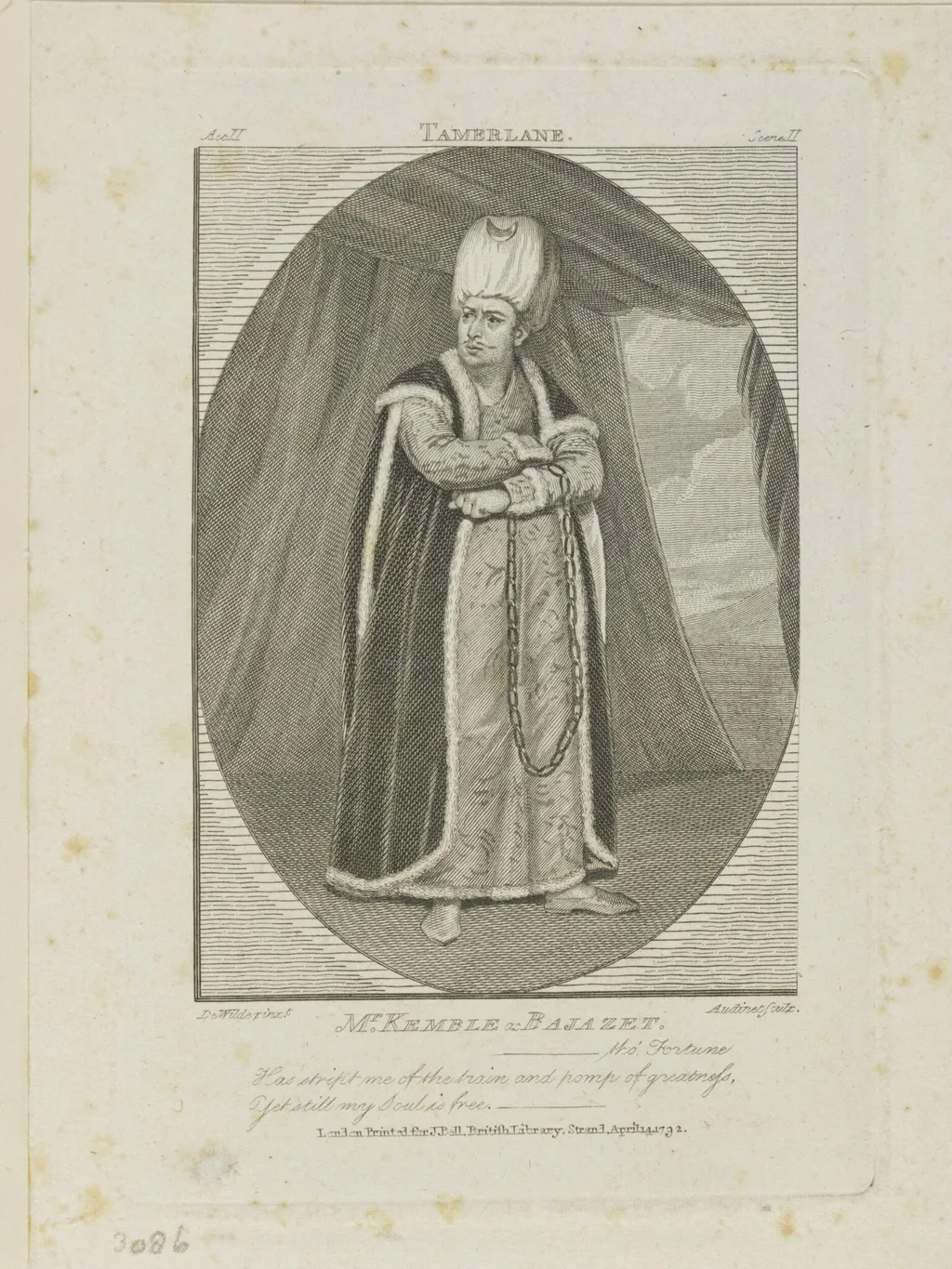
Mr. Kemble as Bajazet in 'Tamerlane' is a print by the Romanticist artist Philip Audinet. It dates from 1792 and is held in the collection of the Victoria and Albert Museum. This 1792 print captures John Philip Kemble in the role of Bajazet from the play *Tamerlane*.
About this work
Overview
Created after a painting by Samuel De Wilde and engraved by Philip Audinet, it is a monochrome work on paper, rendered in subtle tonal gradations.
This 1792 print captures John Philip Kemble in the role of Bajazet from the play *Tamerlane*. Created after a painting by Samuel De Wilde and engraved by Philip Audinet, it is a monochrome work on paper, rendered in subtle tonal gradations. The composition presents the actor in full figure, framed by a draped curtain and a faint background landscape, emphasizing theatricality through controlled lighting and restrained detail.
Subject & Meaning
Kemble portrays Bajazet, the imprisoned Turkish sultan from Nicholas Rowe’s tragedy, a character defined by stoic endurance. His crossed arms and chained wrist suggest captivity, yet his upright posture and solemn gaze convey inner resolve rather than defeat. The image avoids overt pathos, instead inviting contemplation of power diminished but not broken, aligning with Enlightenment-era ideals of noble suffering.
Technique & Style
The print employs fine line engraving to achieve delicate contrasts, with the face and hands rendered in heightened detail against softer gray washes in the robe and background. The tonal range is carefully modulated to suggest volume without color, a hallmark of late 18th-century theatrical portraiture. The chain and drapery are rendered with precision, enhancing the narrative tension without melodrama.
History & Provenance
Produced in 1792, the print was part of a broader trend documenting prominent stage performances for public consumption. It derives from a portrait painted by Samuel De Wilde, a known theater artist, and was engraved by Philip Audinet, a skilled reproductive printmaker. Such prints circulated among theater patrons and collectors, serving as both memorials and advertisements for contemporary drama.
Context
In late 18th-century Britain, Shakespearean and neoclassical tragedies dominated the stage, and actors like Kemble were celebrated for their gravitas. Portraits of performers in character bridged the gap between live theater and domestic culture, allowing audiences to engage with dramatic roles beyond the performance. This image reflects the era’s fascination with historical and exoticized figures as vehicles for moral and emotional reflection.
Legacy
The print remains a documented artifact of Kemble’s influential stage career and the visual culture of British theater. While not widely reproduced today, it exemplifies how theatrical imagery was preserved and disseminated before photography. Its restrained aesthetic distinguishes it from later Romantic excesses, anchoring it in the transitional aesthetic of its time.
Artist & collection

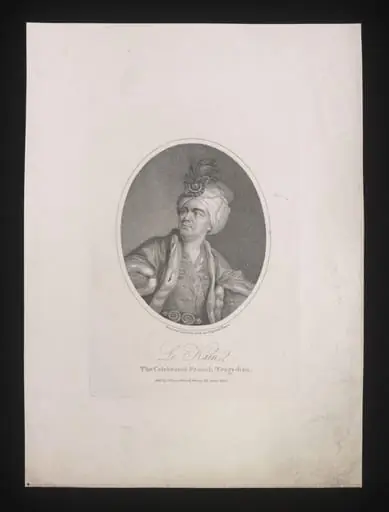 Le Kain/the celebrated French Tragedian
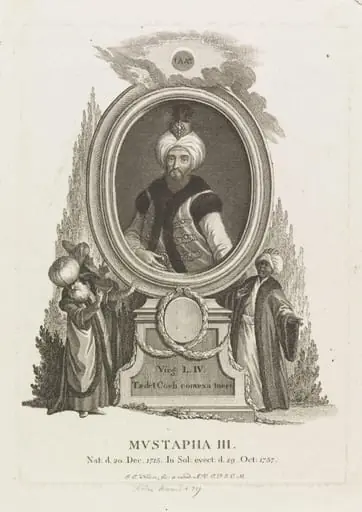 Turkish sultans, sultanas and other historical figures
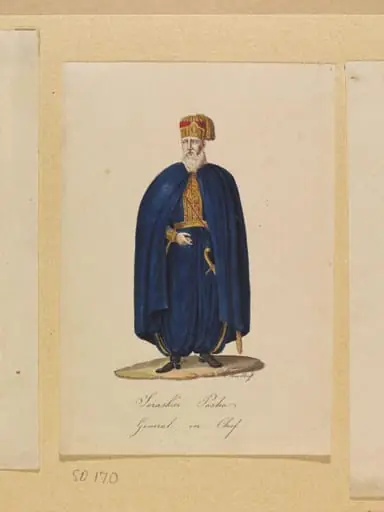 Seraskier Pasha General in Chief
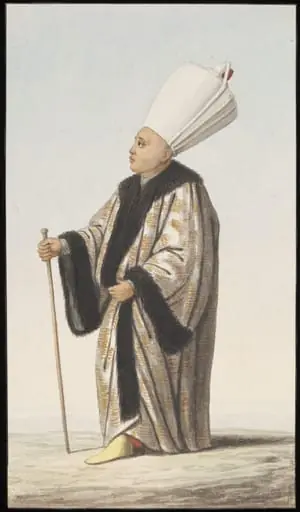 Devsirme Agayeri, a recruiting officer for the Janissaries
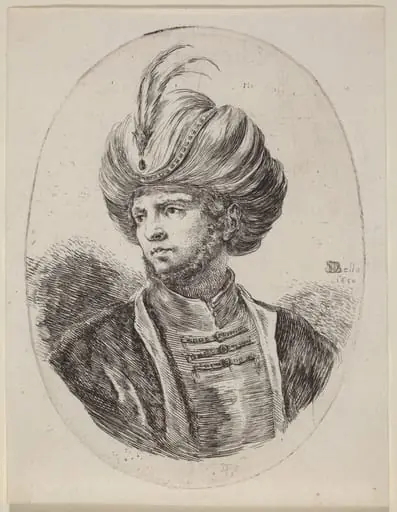 Young Moor with a Slight Beard and Feathered Turban, Turned to the Left
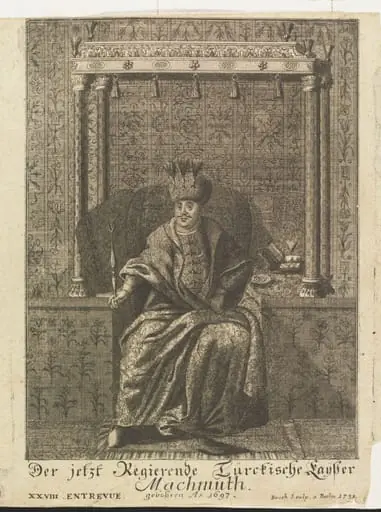 Turkish sultans, sultanas and other historical figures
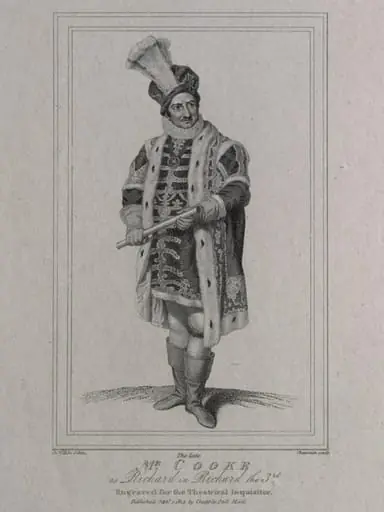 H Beard Print Collection
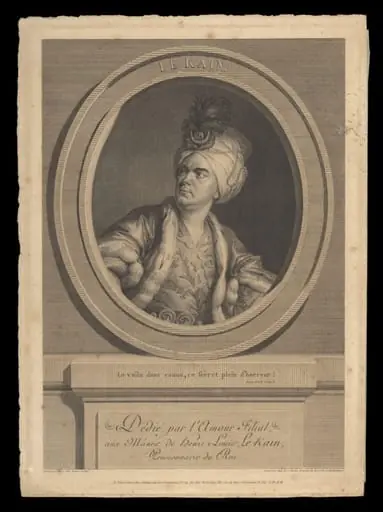 H Beard Print Collection
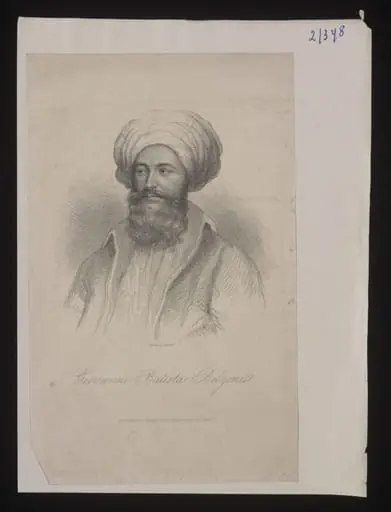 H Beard Print Collection
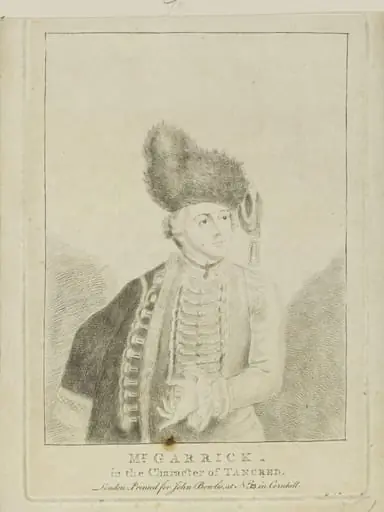 Mr. Garrick in the character of Tancred
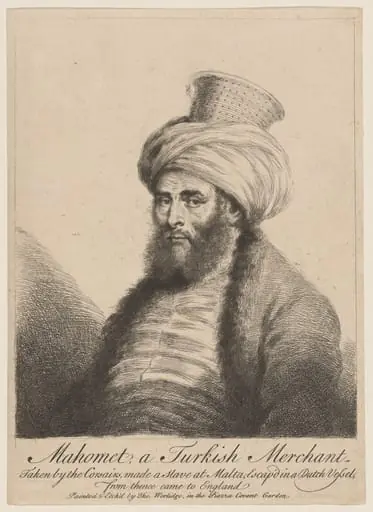 Mahomet, a Turkish Merchant
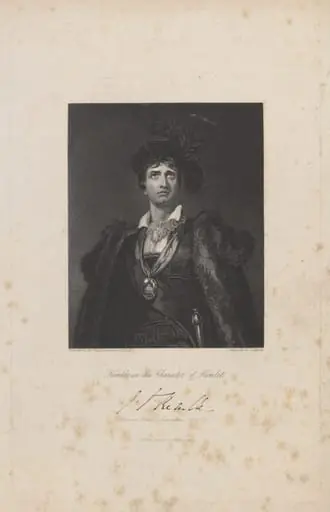 H Beard Print Collection