Artwork
Lyar
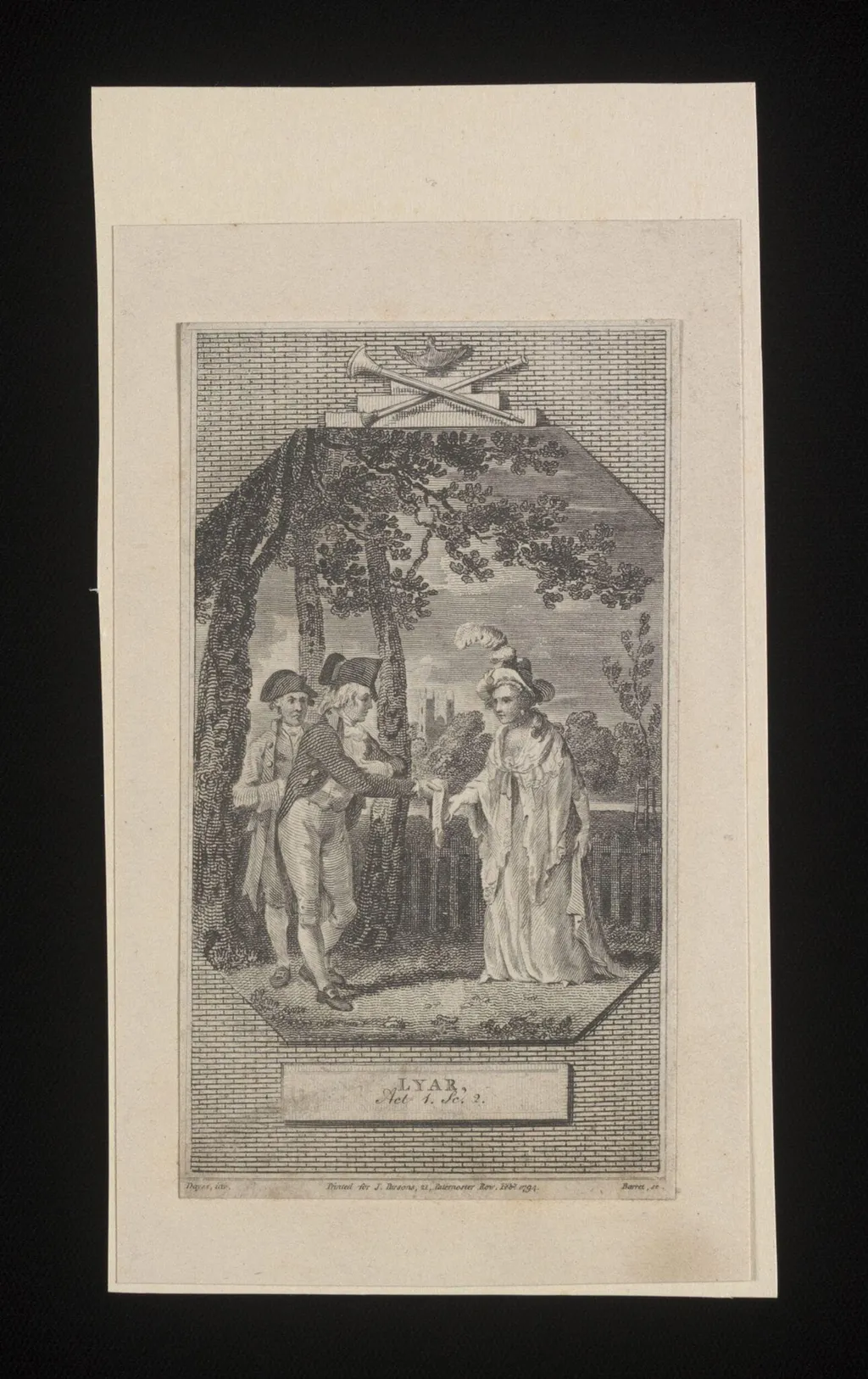
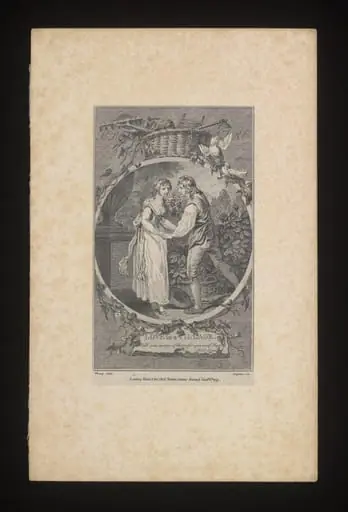
Lyar is a print by the Romanticist artist George Barret, Sr.. It is held in the collection of the Victoria and Albert Museum.
About this work
The print is titled Lyar by George Barret.
It was published in February 1794.
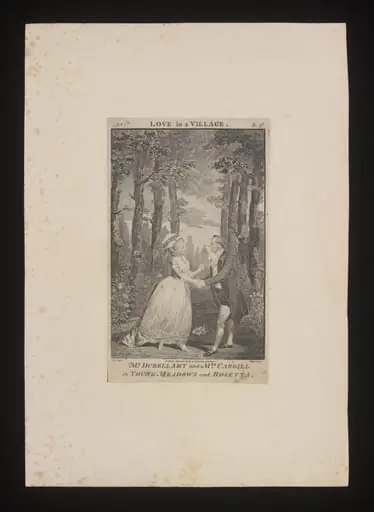
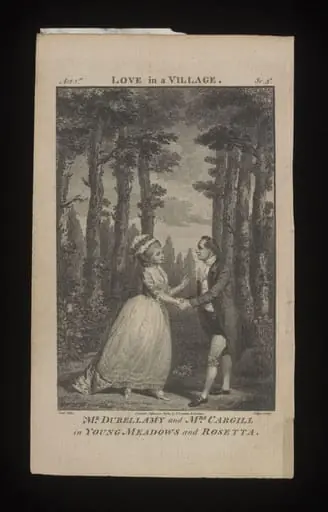
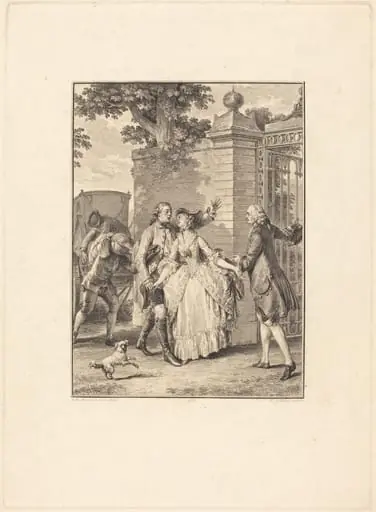
The print depicts Act I, Scene 2 of Lyar, which suggests it is related to a theatrical performance.
This context is interesting because it shows how art can be connected to other forms of storytelling.
You can learn more about this style by looking into the movement: Romanticism.
Overview
Lyar is a print created by George Barret, published in February 1794 by J. Parsons in London. It is part of the Harry Beard Collection.
Subject & Meaning
The print illustrates Act I, Scene 2 of 'Lyar', indicating a direct connection to a theatrical production. This suggests the artwork's purpose was to visually represent a scene from the play, potentially for promotional or illustrative purposes.
Technique & Style
While specific artistic techniques used in 'Lyar' are not detailed here, its creation during the late 18th century and association with theatrical illustration may align with Romantic-era aesthetics, characterized by expressive and often dramatic depictions.
History & Provenance
Published in 1794 by J. Parsons, the print is now held within the Harry Beard Collection, indicating its journey from a potentially widely distributed item to a curated part of a private or institutional collection.
Context
'Lyar' reflects the intersection of art and theatre in the late 18th century, highlighting how prints were used to extend the reach of theatrical performances. This intersection is a hallmark of the Romantic movement's influence on various art forms.
Legacy
The legacy of 'Lyar' is not broadly outlined in the provided information, suggesting it may be more notable for its representative value of late 18th-century theatrical illustration rather than a widely recognized standalone artistic achievement.
Artist & collection
Artist
George Barret Sr. (c. 1730 – 29 May 1784) was an Irish landscape artist known for his oil paintings and watercolours. He left Ireland in 1762 to establish himself as an artist in London and quickly gained recognition to…

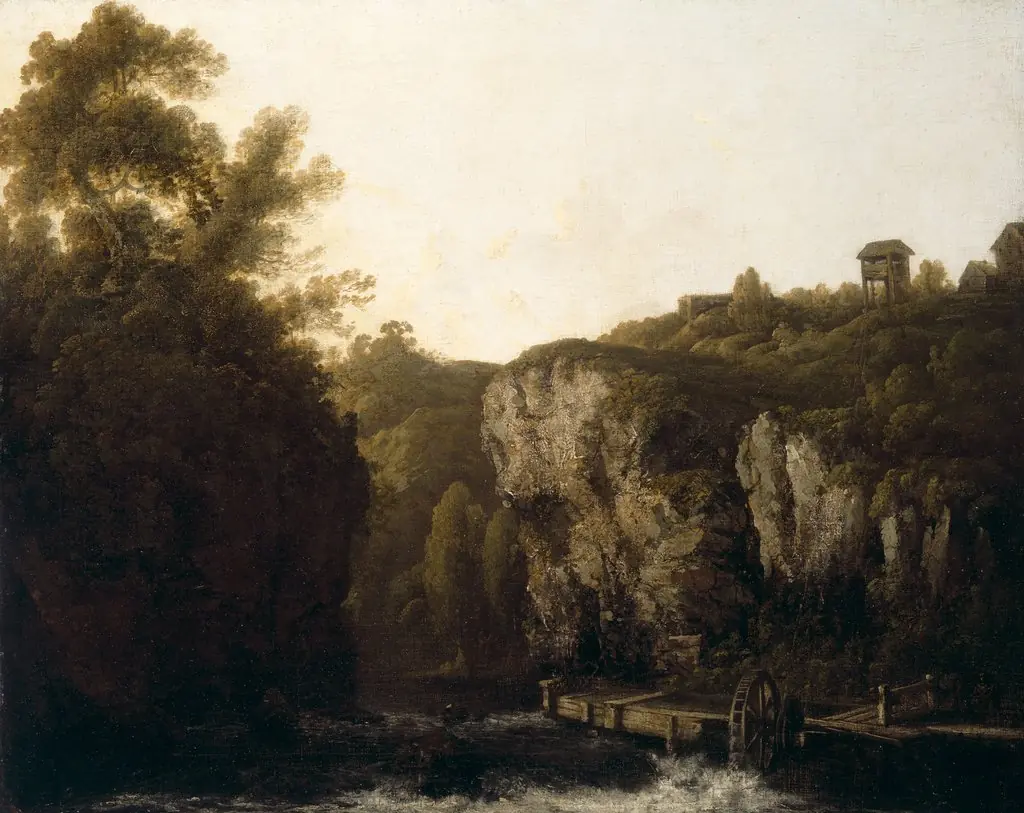 A View near Avoca
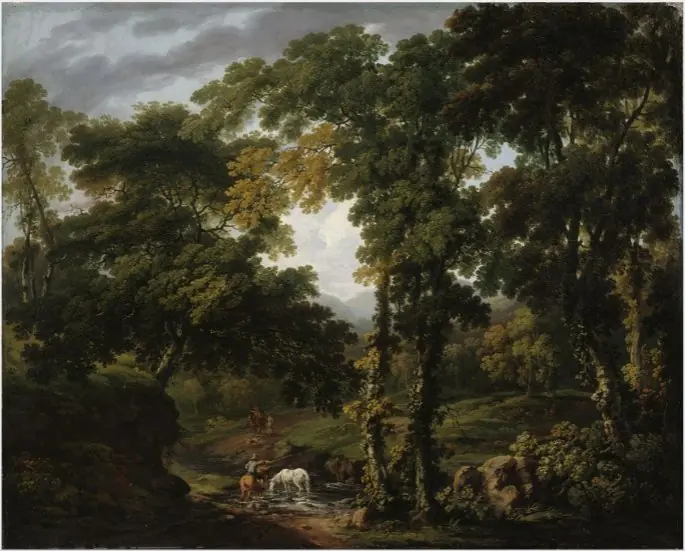 A Wooded River Landscape with Figures and Horses at a Ford and Fallow Deer in a Clearing
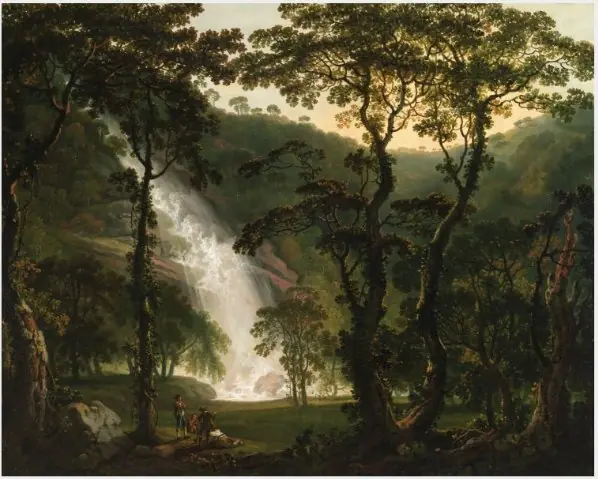 View of Powerscourt Waterfall
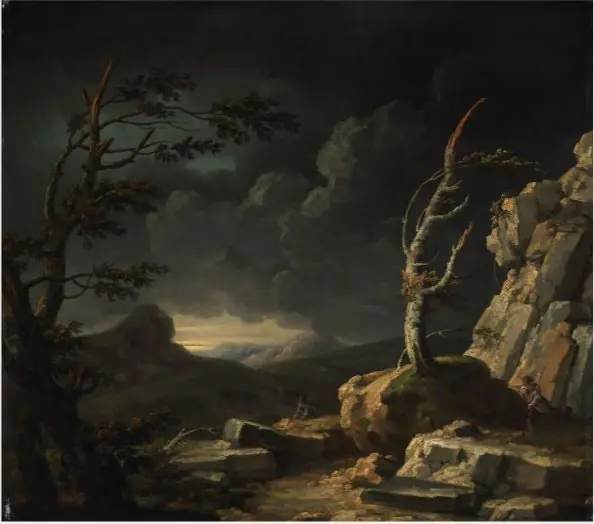 A Stormy Landscape
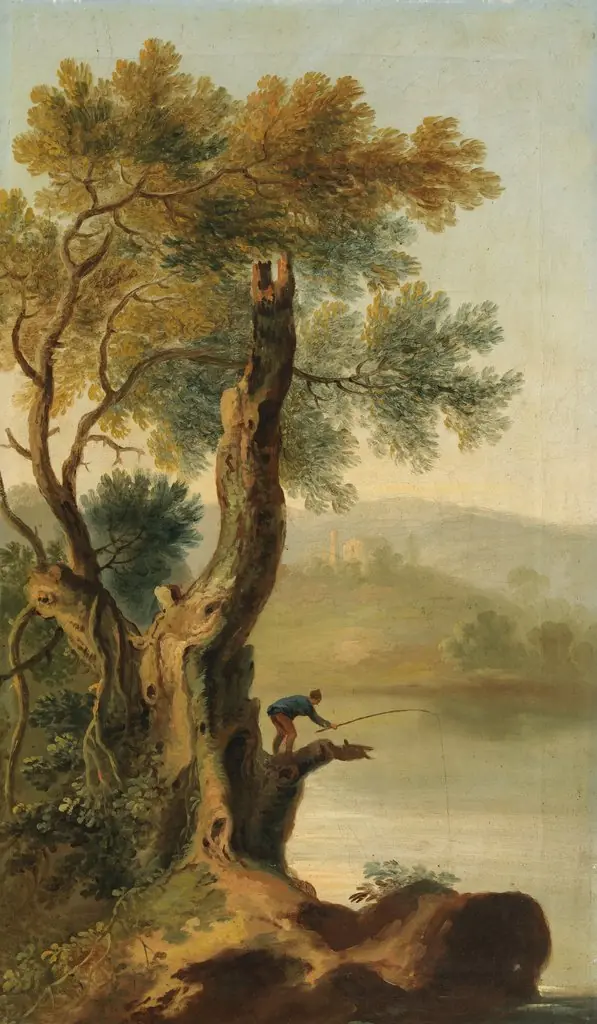 A Landscape with a Man Fishing
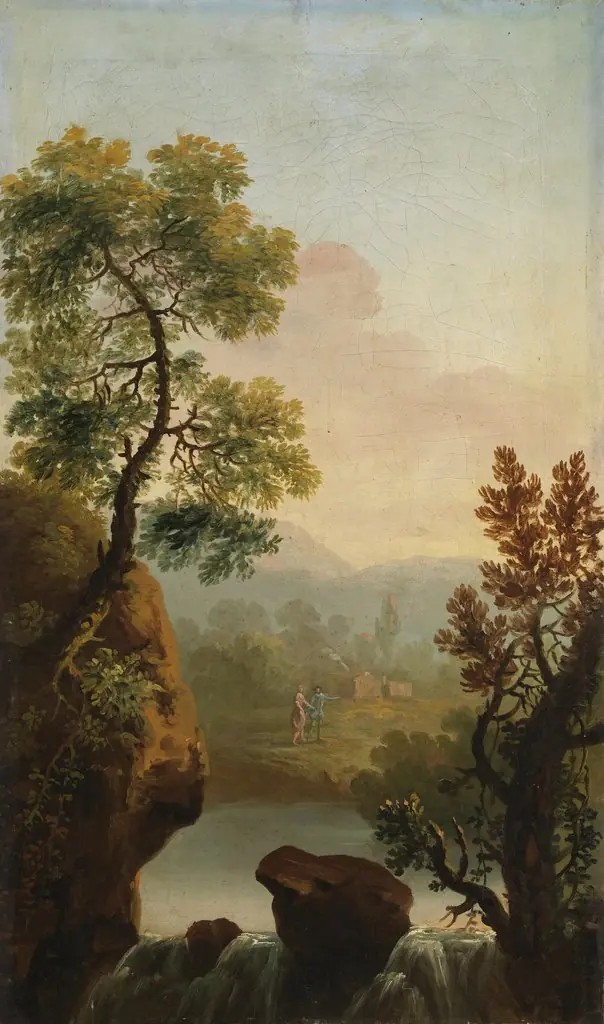 Landscape with Figures in the Background
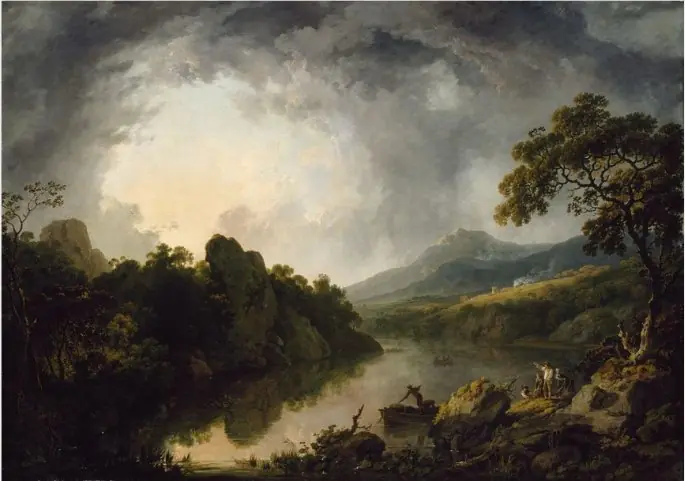 An Extensive Wooded Landscape with Fishermen Hauling in their Nets
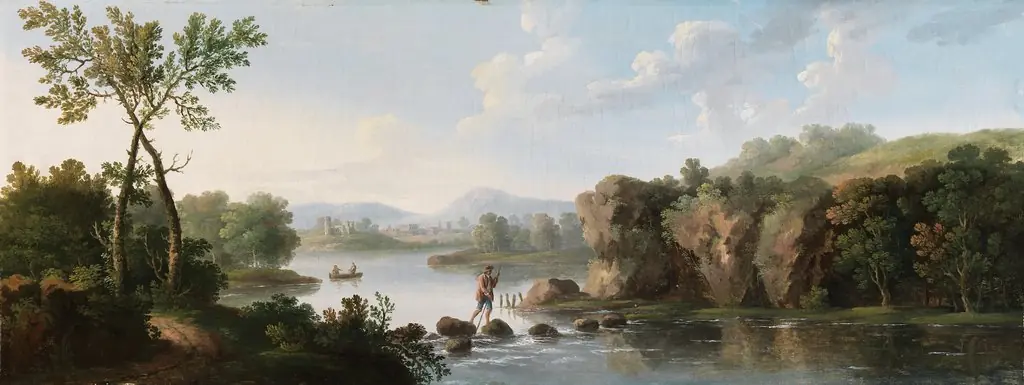 A Landscape with a Man Fording a Stream