Artwork
The Hofbräuhaus
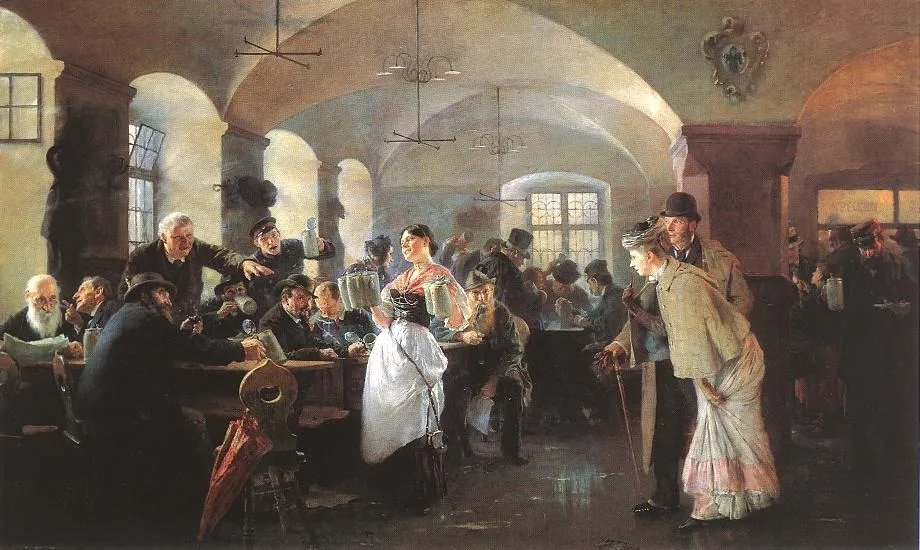
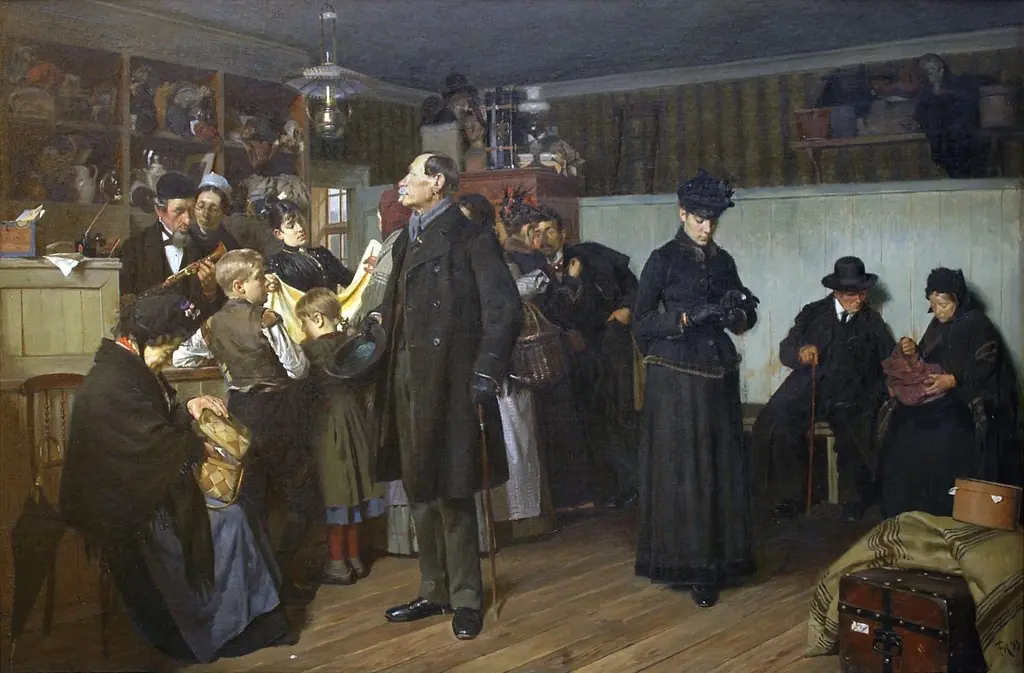
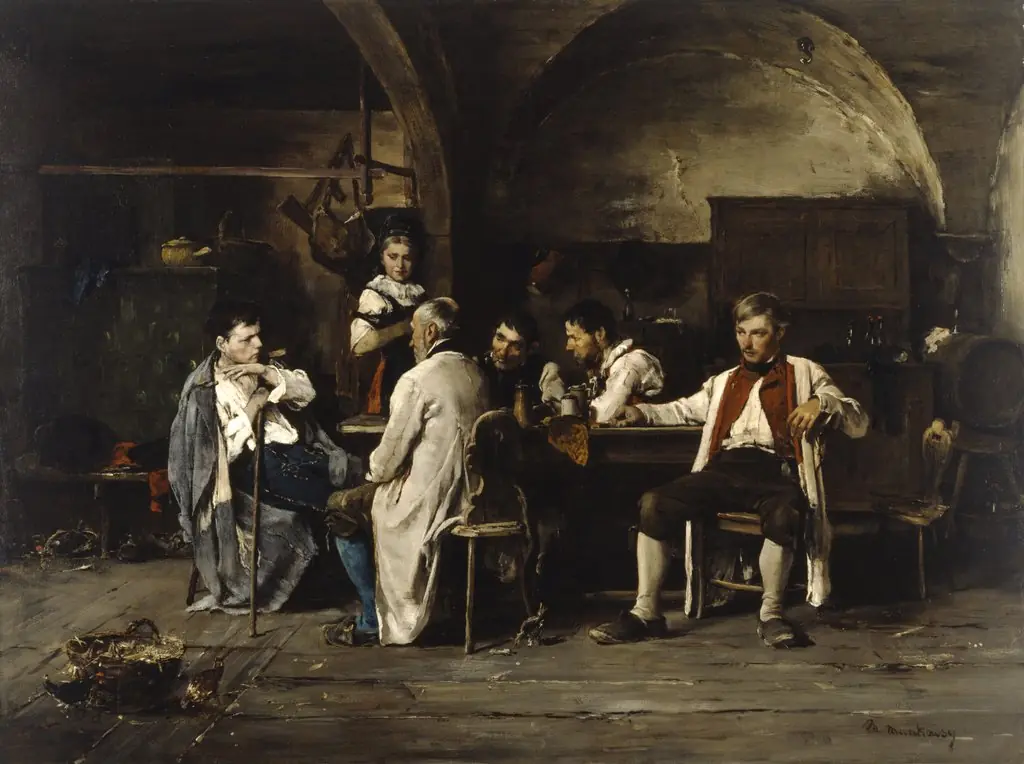
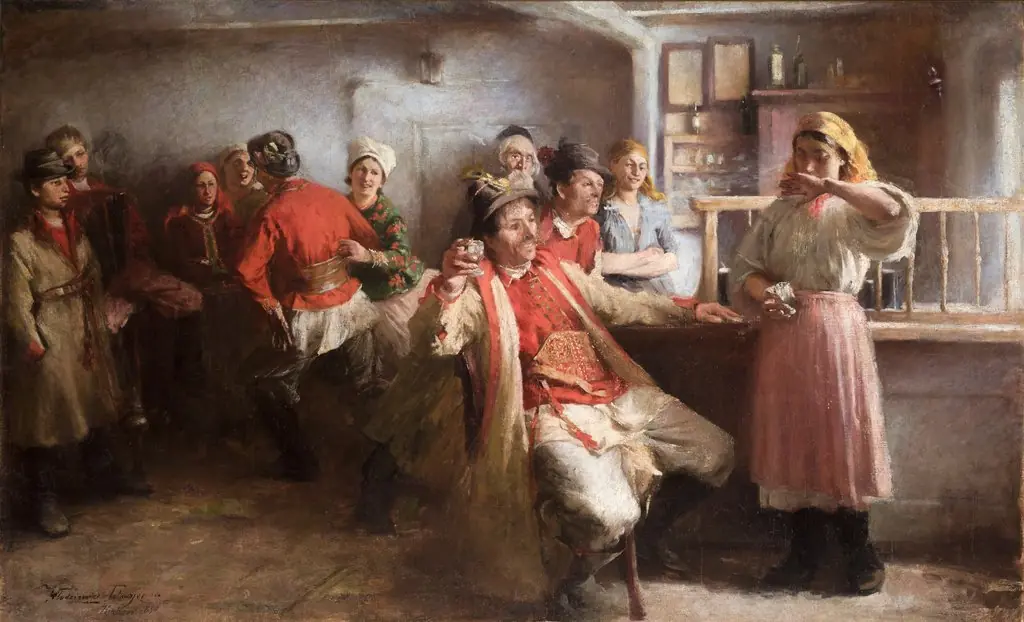
The Hofbräuhaus is an oil painting by the Impressionist artist Philip de László. It dates from 1896 and is held in the collection of the Hungarian National Gallery.
About this work
Overview
The artist, born in Hungary and later based in Britain, rendered the scene with careful observation of social interaction and ambient light.
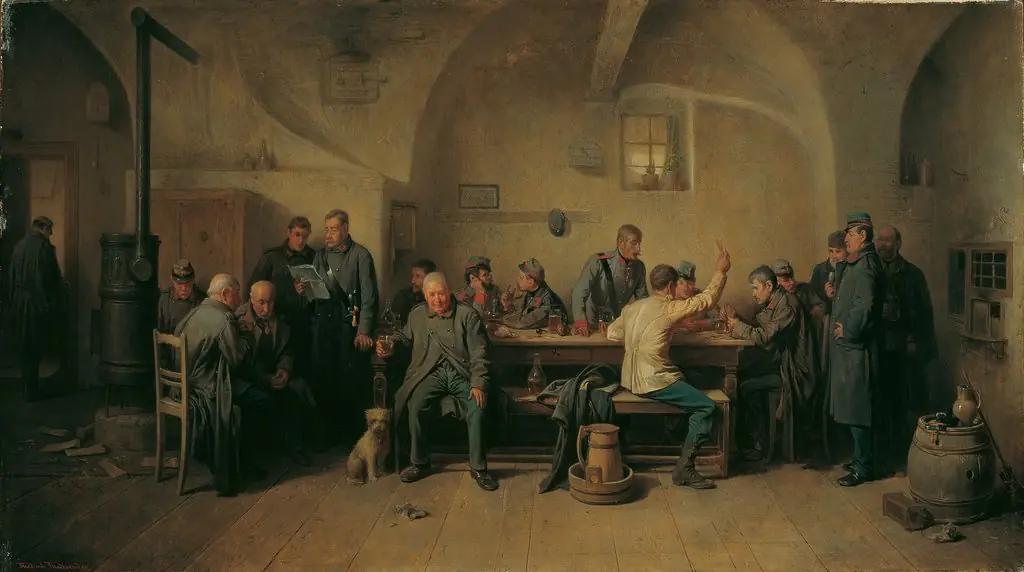
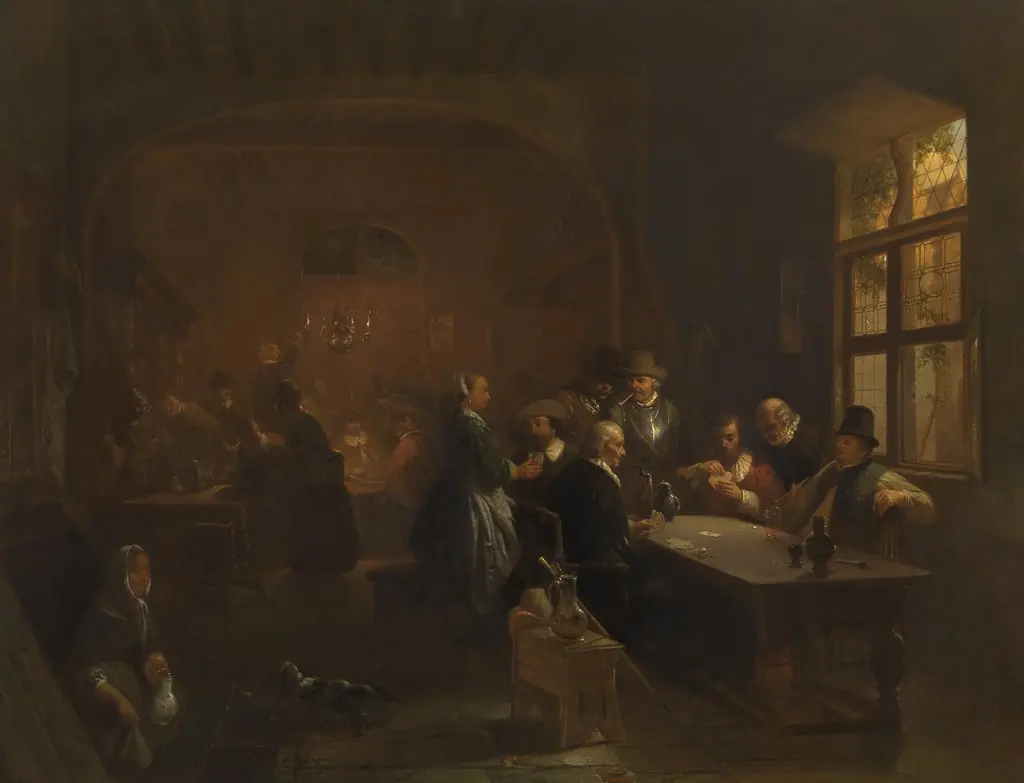
Painted in 1896 by Philip de László, this oil-on-canvas captures a bustling interior at the Hofbräuhaus am Platzl in Munich. The artist, born in Hungary and later based in Britain, rendered the scene with careful observation of social interaction and ambient light. The work is part of the Hungarian National Gallery’s collection and reflects his early engagement with everyday public life before he became known primarily for portraiture.
Subject & Meaning
The painting features Lucy Guinness, the artist’s future wife, seated among other patrons in the beer hall. She is accompanied by two unidentified figures, their casual posture suggesting moments of ordinary social exchange. The scene avoids theatricality, instead emphasizing the quiet intimacy of communal space. The inclusion of a server in a white apron and a man with a cane adds texture to the social fabric, grounding the image in the rhythms of late 19th-century Munich life.
Technique & Style
De László employed loose, responsive brushwork to convey movement and atmosphere, with attention to how light filters through high windows and reflects off glass and fabric. Facial expressions and clothing details are rendered with precision, yet the overall composition retains a sense of spontaneity. The palette is muted, dominated by earth tones and soft highlights, reinforcing the dim, warm glow of the interior without resorting to dramatic contrast.
History & Provenance
Created during de László’s formative years in Munich, the painting predates his rise as a sought-after portraitist of European aristocracy. It remained in private hands until acquired by the Hungarian National Gallery, where it is now held as an early example of his work outside formal portraiture. Its presence in the collection underscores Hungary’s interest in artists of its diaspora who engaged with broader European cultural scenes.
Context
The Hofbräuhaus, a longstanding Munich institution, was a hub for working-class and middle-class socialization in the 1890s. De László’s depiction aligns with broader European trends in genre painting that sought to capture authentic public spaces, distinct from academic idealism. His approach echoes the observational focus of French Realists and early Impressionists, though without their radical color experiments or urban modernity themes.
Legacy
Though de László later gained fame for formal portraits, this early work reveals his foundational skill in capturing human presence within dynamic environments. It stands as a quiet testament to his ability to observe social nuance before he turned to commissioned likenesses. The painting remains a rare example of his non-portrait output, offering insight into the artistic development of a figure more widely known for aristocratic imagery.
Artist & collection
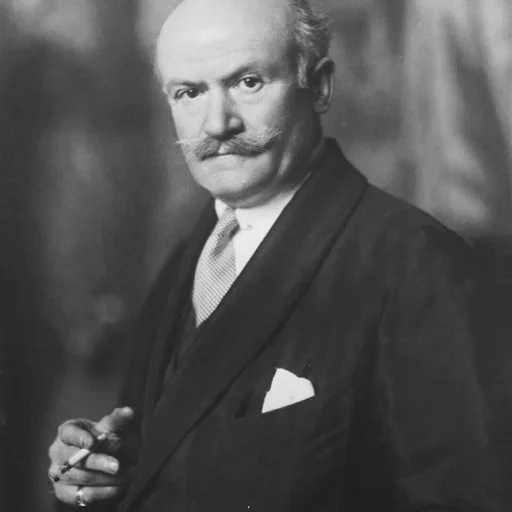
Artist
Philip Alexius László de Lombos (born Fülöp Laub; Hungarian: László Fülöp Elek; 30 April 1869 – 22 November 1937), known professionally as Philip de László, was an Anglo-Hungarian painter known particularly for his…