Artwork
Totes Geflügel
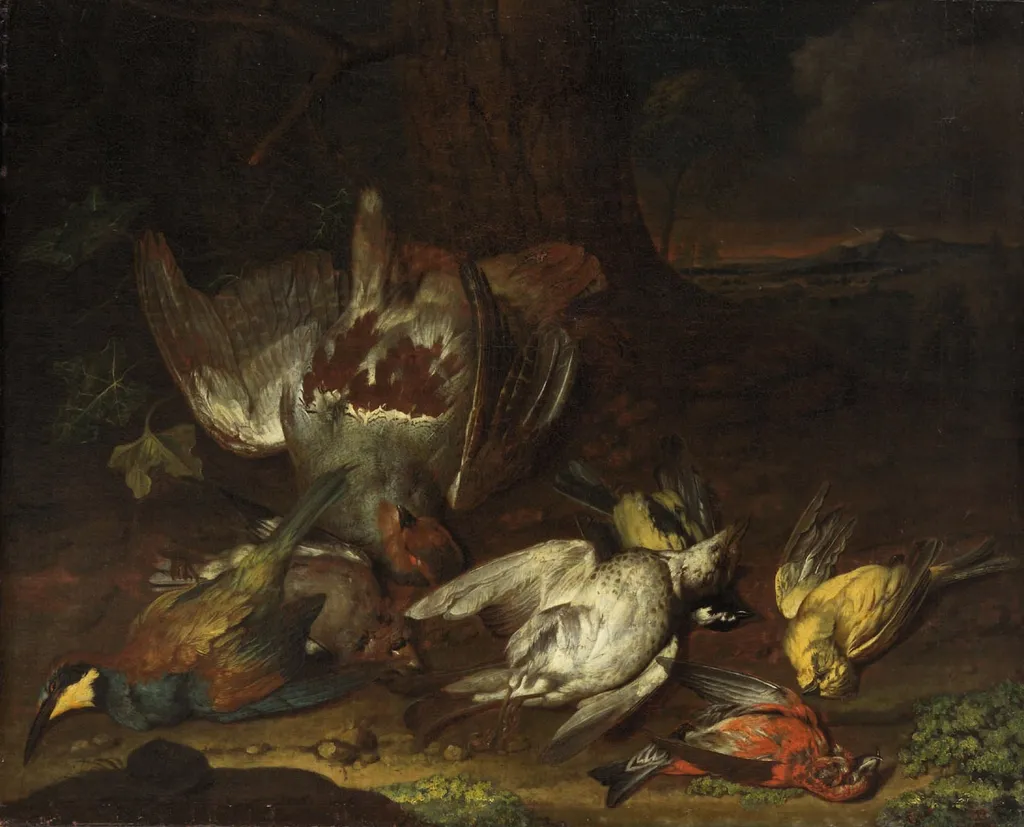
Totes Geflügel is an unspecified painting by the Rococo painting artist Philipp Ferdinand de Hamilton. It dates from 1749 and is held in the collection of the Kunsthistorisches Museum.
About this work
Overview
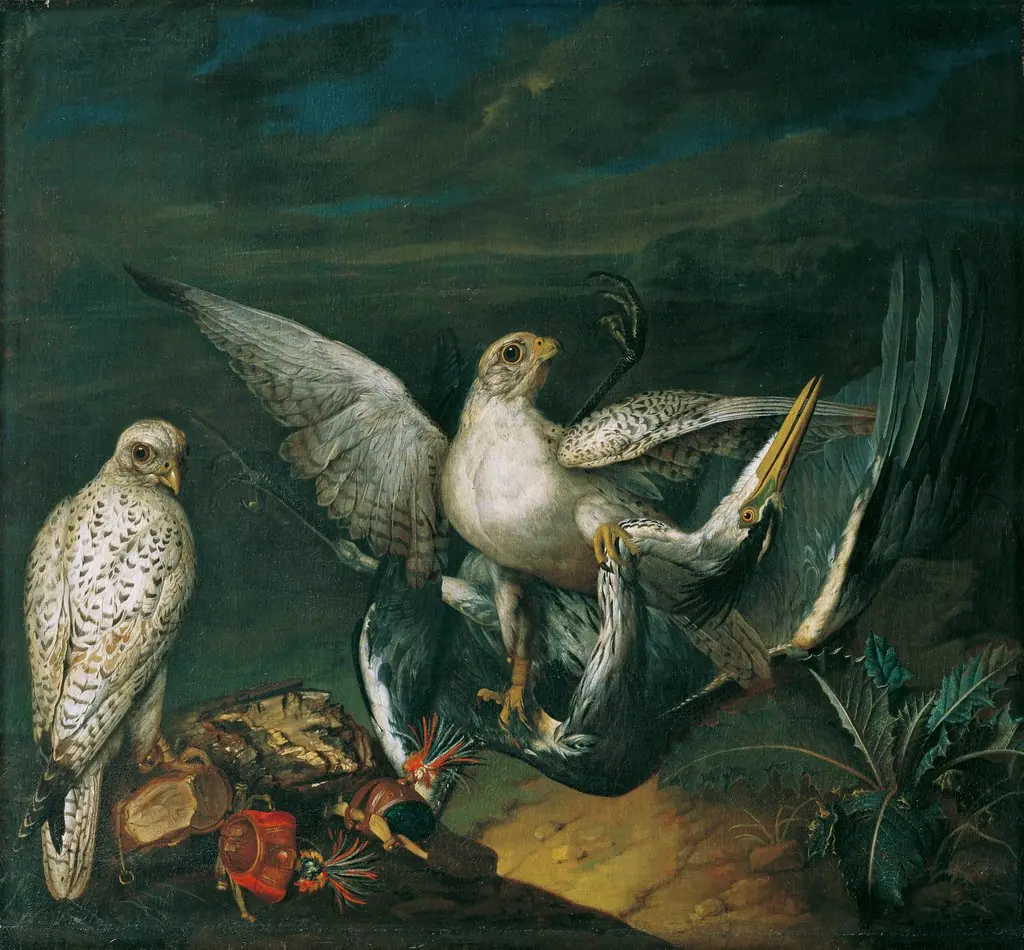
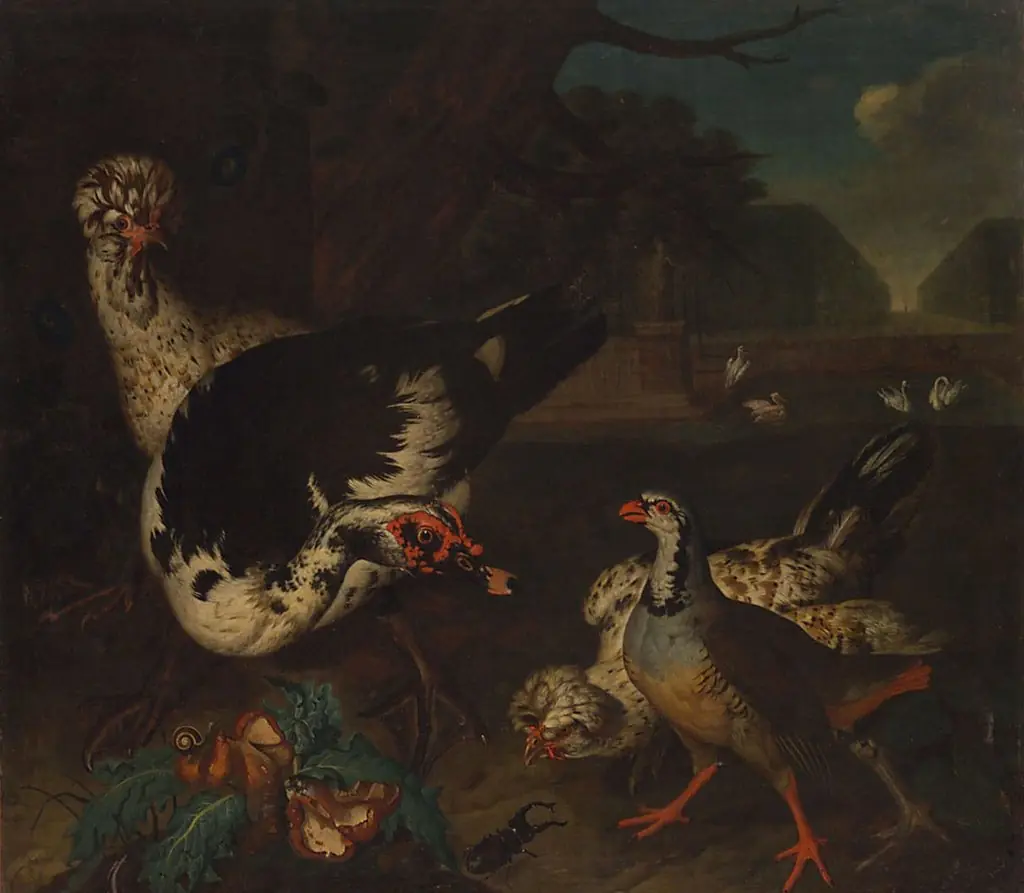
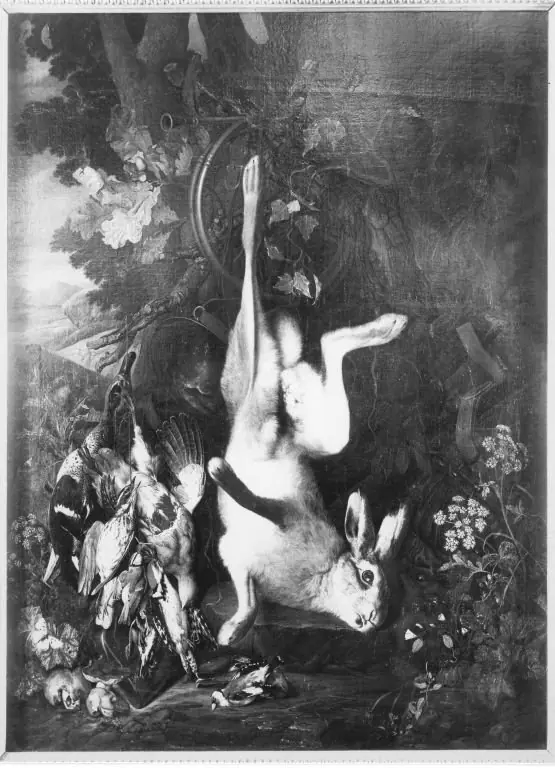
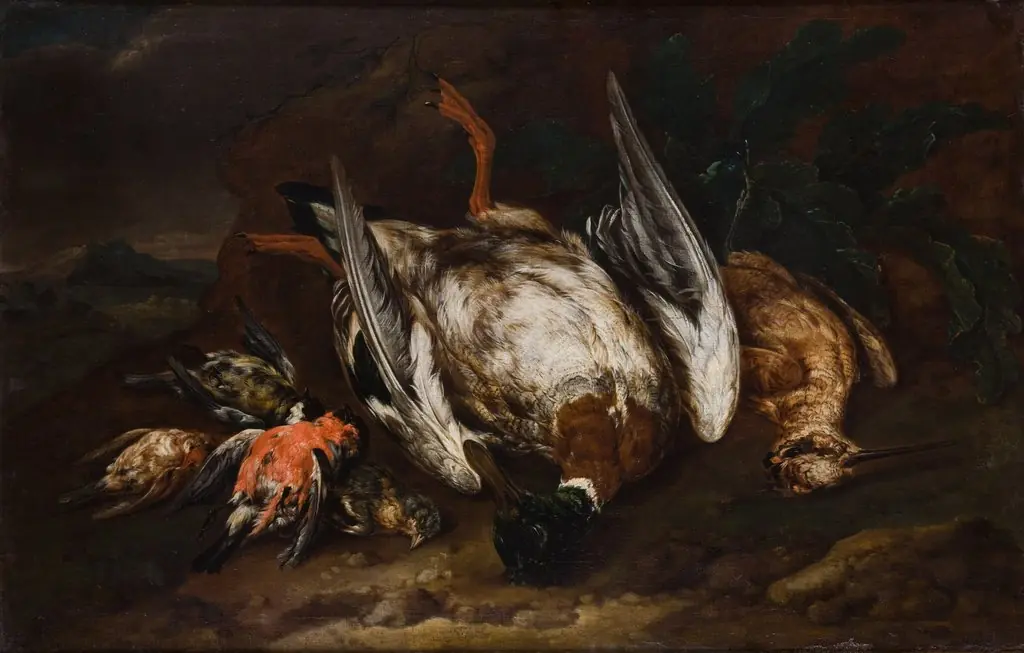
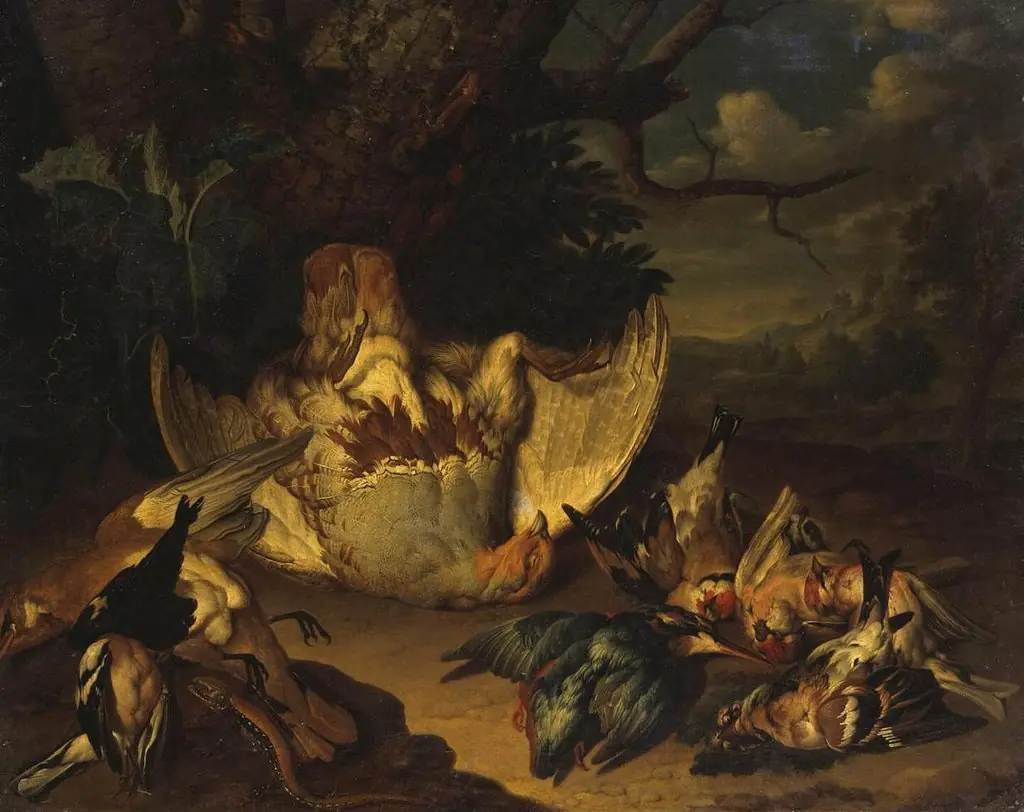
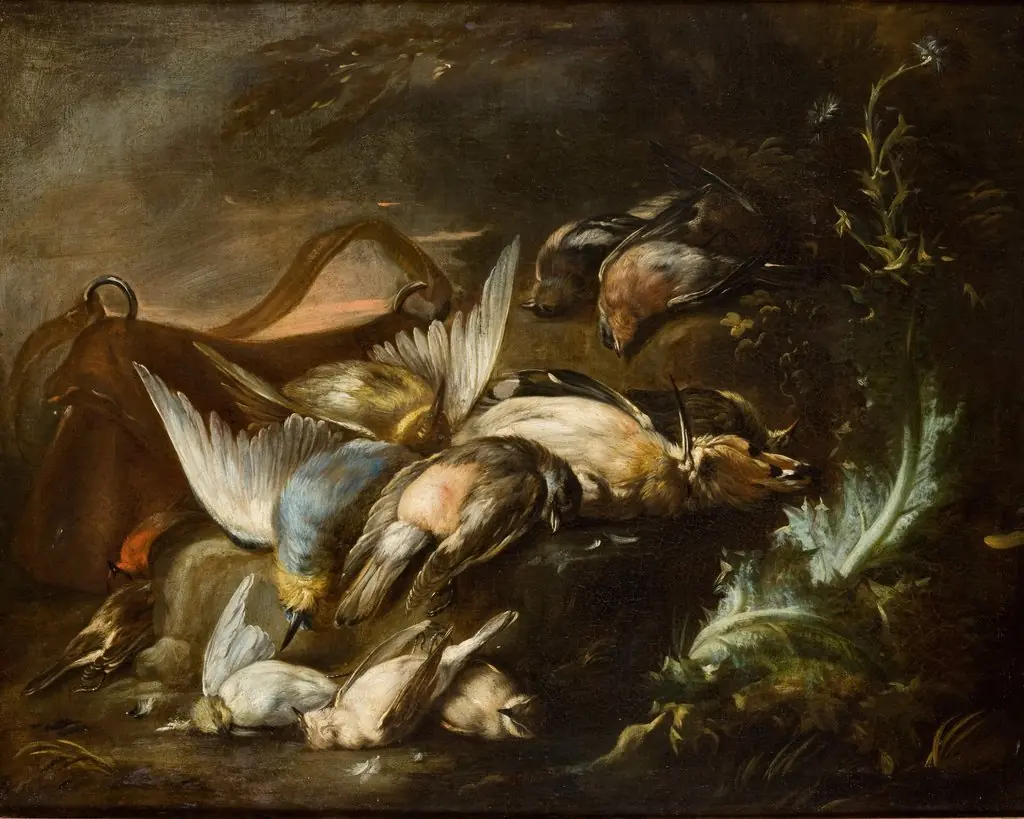
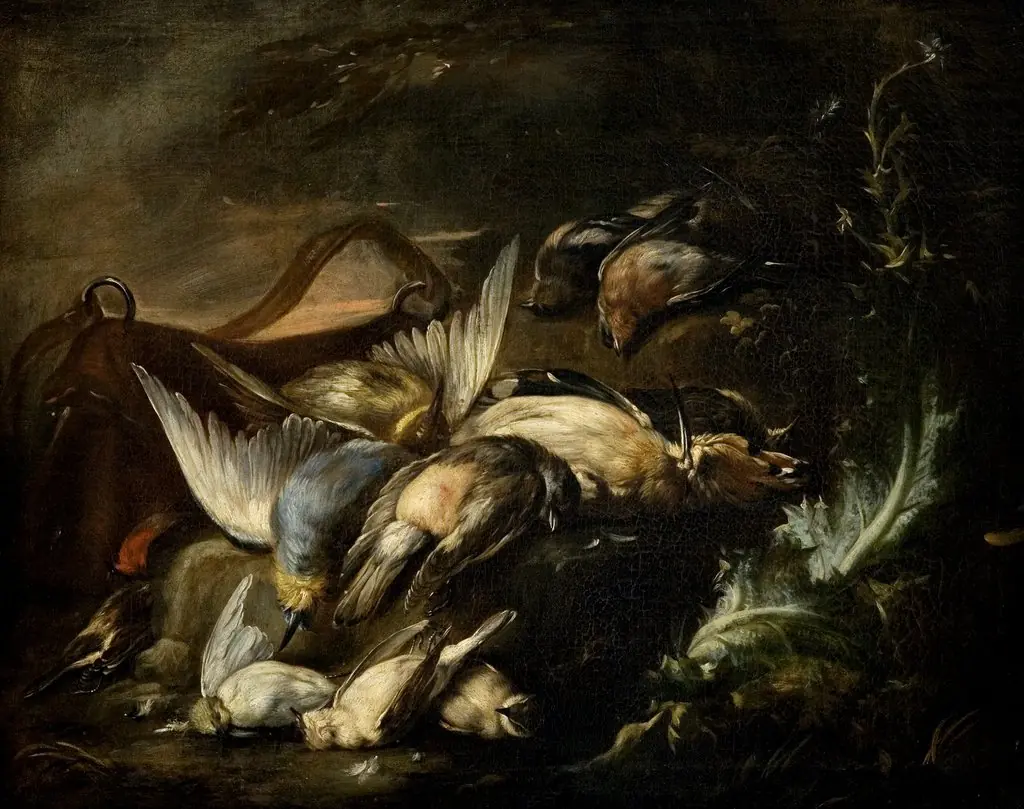
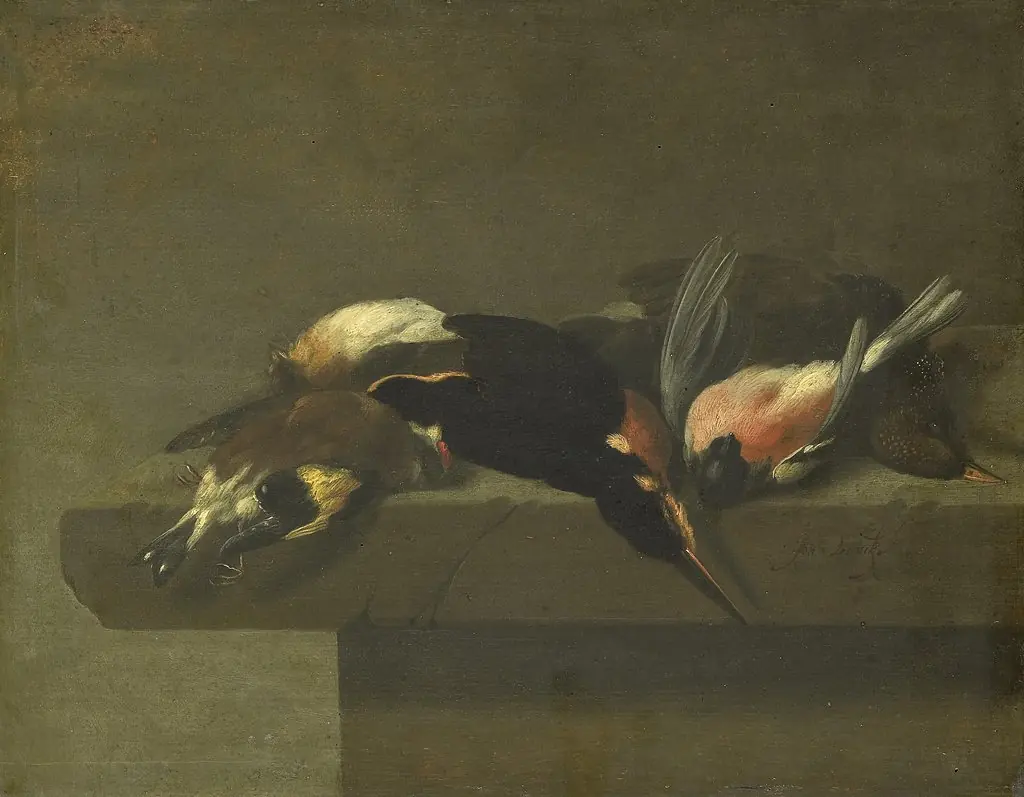
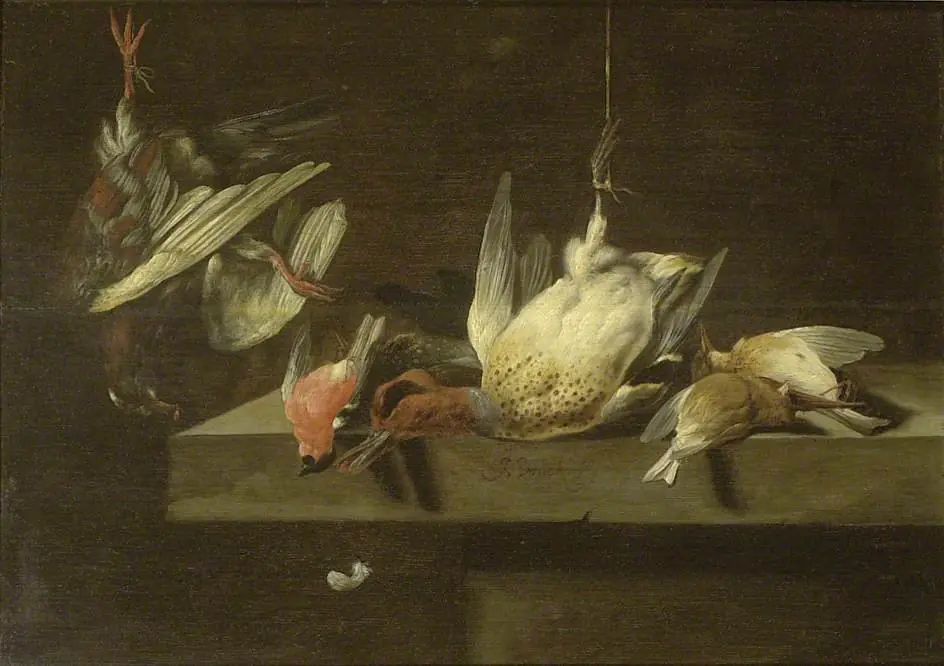
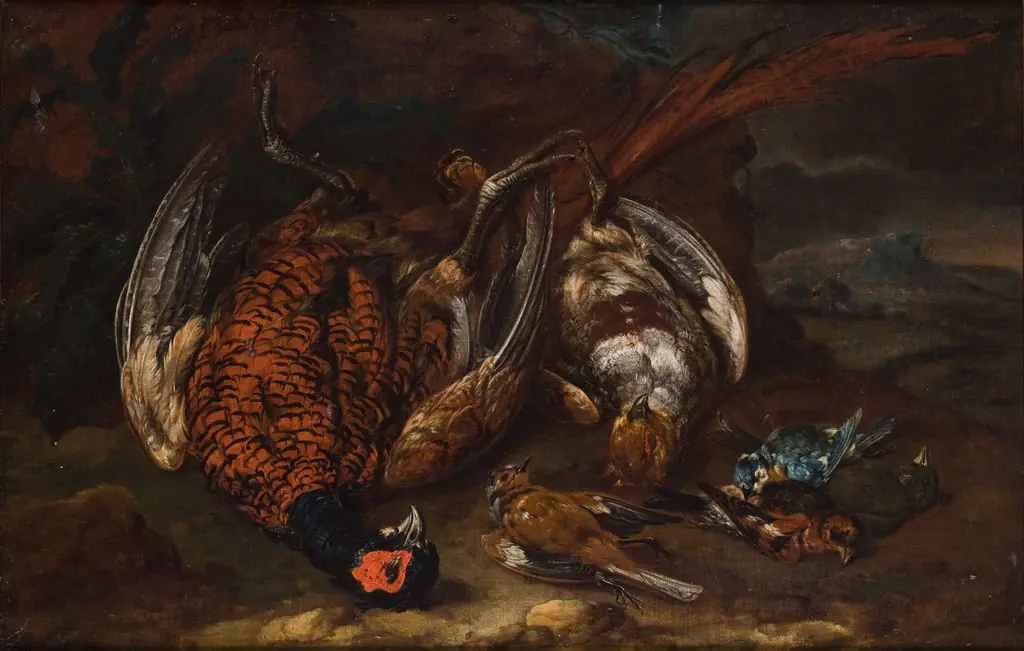
Philipp Ferdinand de Hamilton, a painter active in the mid‑1700s, produced the work titled *Totes Geflügel* in 1749. Executed during the Rococo era, the canvas now belongs to the Kunsthistorisches Museum in Vienna. The composition presents a quiet tableau of lifeless poultry arranged on the ground, inviting close observation of its materiality and light.
Subject & Meaning
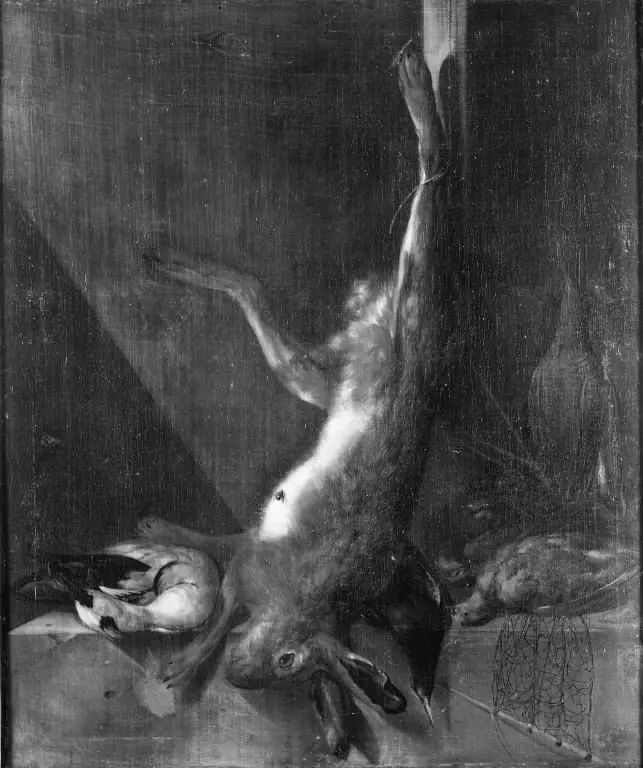
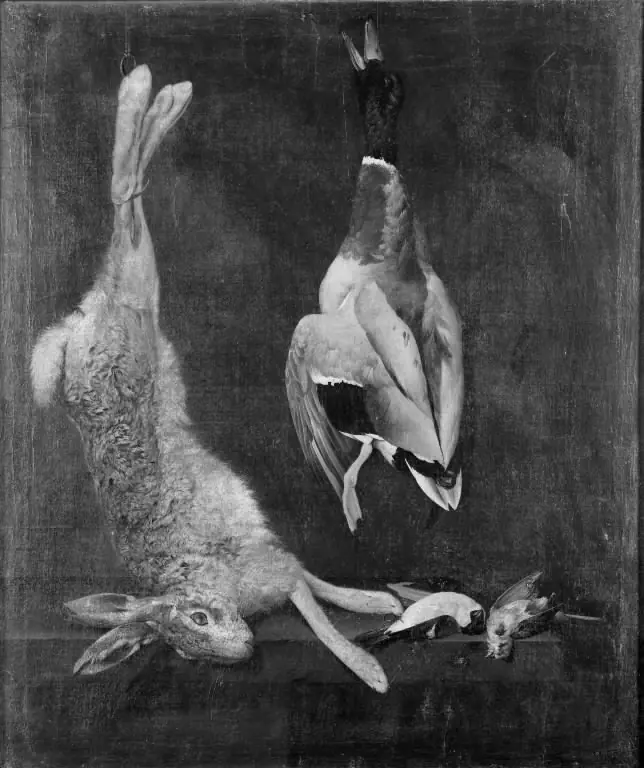
The painting portrays a collection of dead birds, their bodies positioned in varied postures—some with wings splayed, others with heads tucked beneath feathers. By focusing on the aftermath of a hunt, Hamilton emphasizes the transitory nature of life and the stillness that follows the act of capture, a theme common in 18th‑century still‑life traditions.
Technique & Style
Hamilton employs a restrained palette of browns, grays and whites, allowing the textures of plumage and flesh to emerge without vivid coloration. Subtle chiaroscuro models the forms, creating depth that draws the eye from the foreground birds to a distant tree trunk. The overall handling reflects Rococo sensibilities while maintaining a sober, naturalistic tone.
History & Provenance
Created in the Austrian court circles where Hamilton spent much of his career, *Totes Geflügel* entered the Kunsthistorisches Museum’s collection in the 19th century. The work has remained in the museum’s holdings, serving as a representative example of the artist’s still‑life output and of the broader Southern Netherlandish contribution to Central European art.
Artist & collection
Artist
Philipp Ferdinand de Hamilton (c. 1664 – 1750), was an 18th-century painter from the Southern Netherlands active in Austria.