Artwork
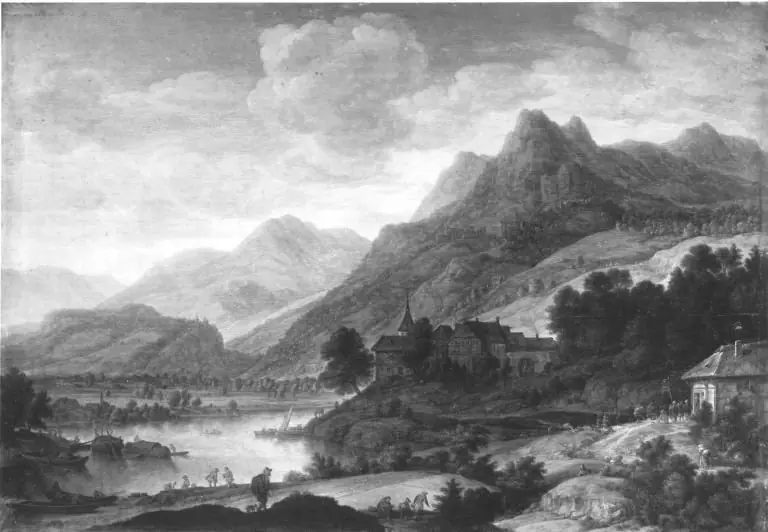
Ansicht von Schloss Naumburg bei Kirn (?)
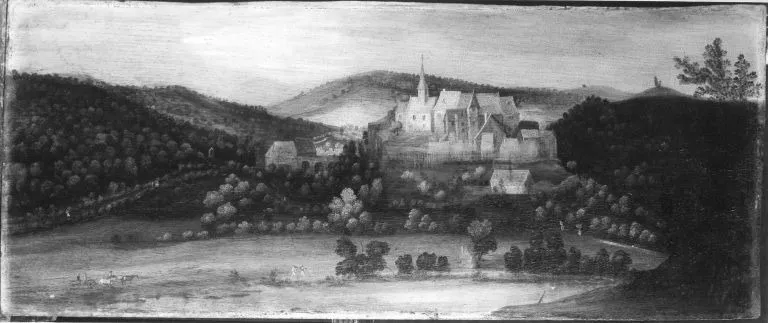
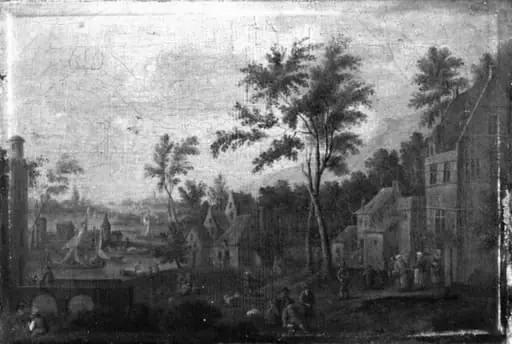
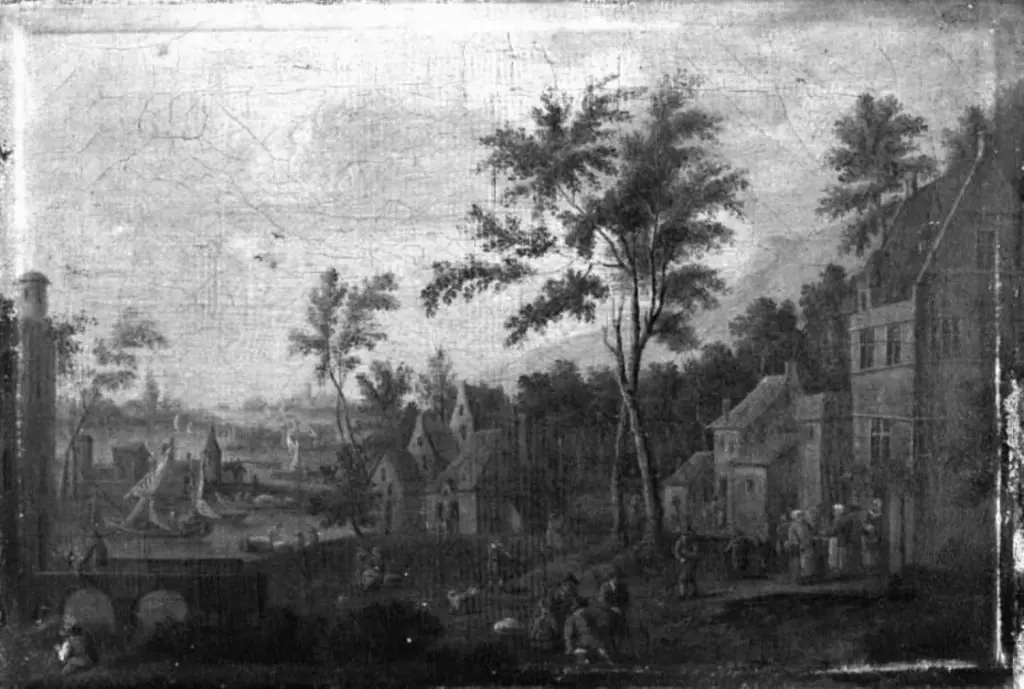
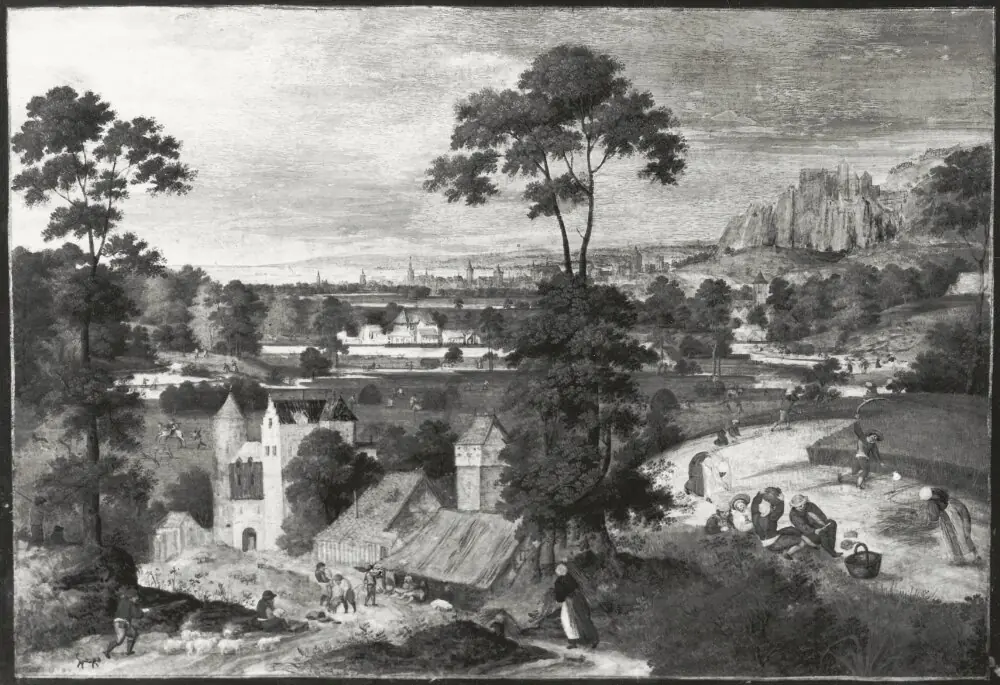
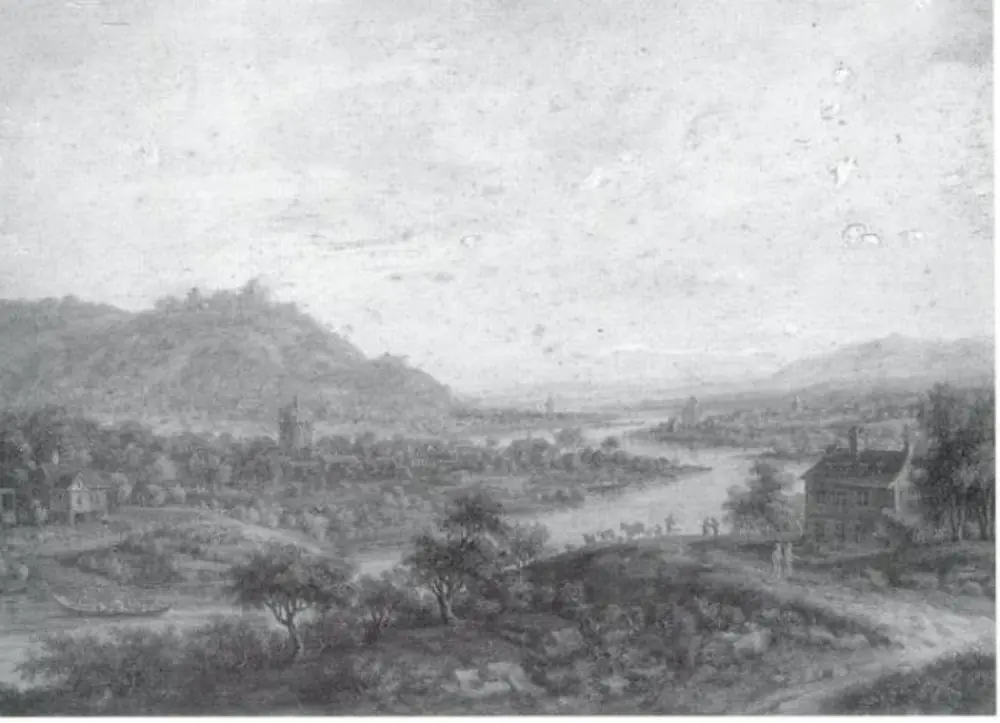
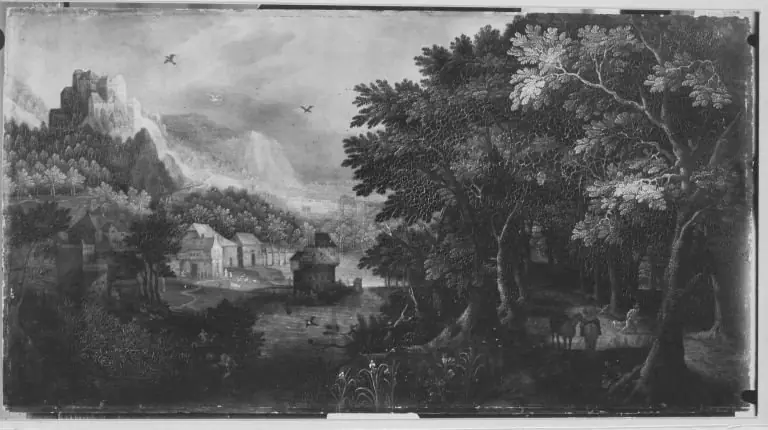
Ansicht von Schloss Naumburg bei Kirn (?) is an unspecified painting by the Flemish Baroque painting artist Philipp Helderhof. It dates from 1610 and is held in the collection of the Bavarian State Painting Collections.
About this work
Overview
The composition emphasizes stillness and spatial depth, with natural elements arranged to guide the viewer’s gaze toward the architectural focal point.
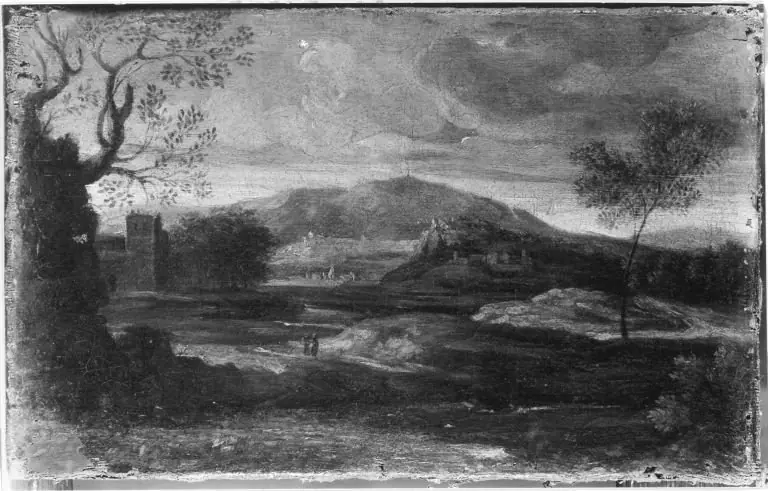
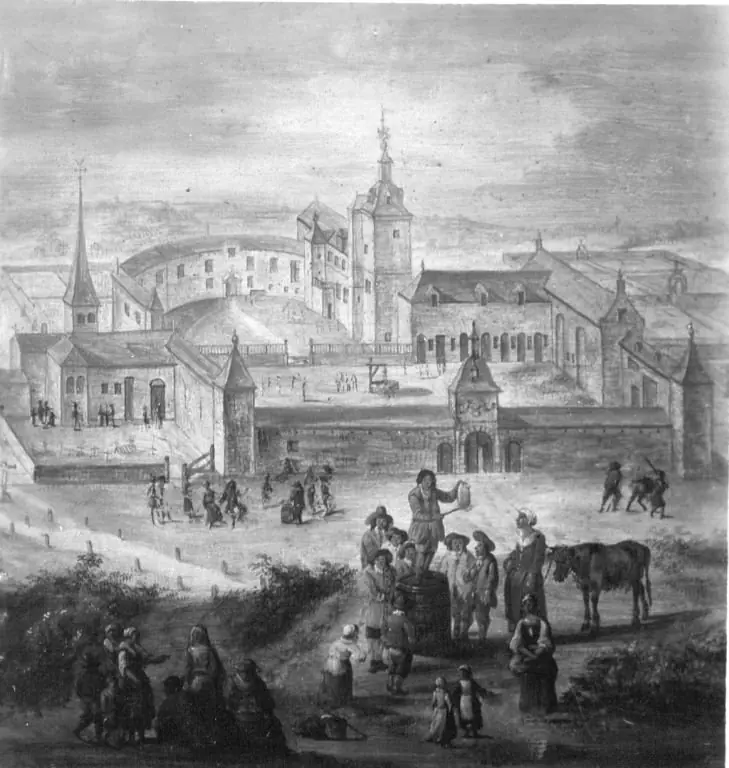
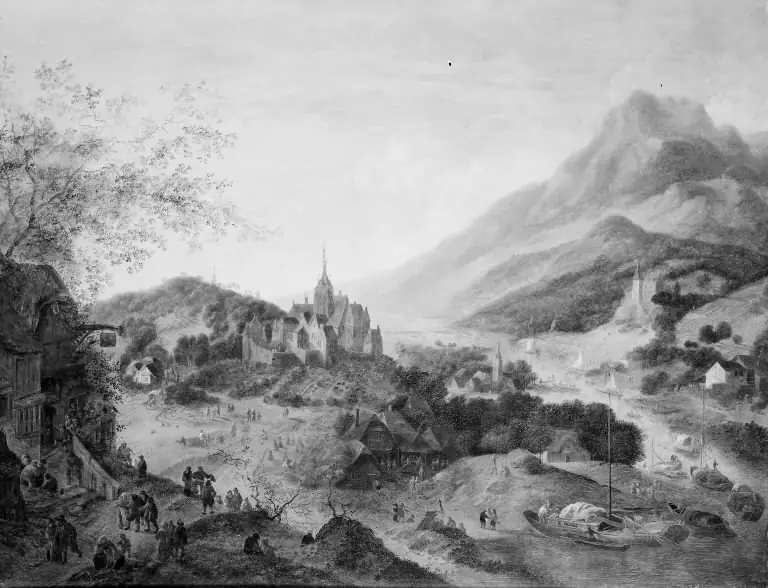
This landscape painting, attributed to Philipp Helderhof and dated to 1610, presents a quiet rural scene centered on a church structure. It is part of the collection at the Alte Pinakothek in Munich. The composition emphasizes stillness and spatial depth, with natural elements arranged to guide the viewer’s gaze toward the architectural focal point. The work reflects early 17th-century German tendencies toward topographical observation in painting.
Subject & Meaning
The church at the center of the scene likely represents a local place of worship, possibly near Naumburg bei Kirn, though the exact location remains uncertain. Its placement suggests a connection between spiritual life and the surrounding countryside. The absence of human figures reinforces a contemplative mood, inviting reflection on the harmony between architecture and nature rather than narrative or religious drama.
Technique & Style
Helderhof employs subtle gradations of light and muted earth tones to model form and space. A reflective body of water in the foreground enhances the sense of depth and calm. The rendering of trees and hills is restrained, avoiding dramatic detail in favor of atmospheric cohesion. Light is used not for theatrical contrast but to unify the scene, suggesting a quiet, observational approach to landscape.
History & Provenance
The painting entered the Alte Pinakothek’s collection in the 19th century, though its earlier ownership is undocumented. It was likely produced for a private patron in the Rhineland or Hesse region, where such topographical views were valued. The attribution to Philipp Helderhof, a lesser-known artist of the period, rests on stylistic comparison and archival records from the early 1600s.
Context
Created during the early Baroque period, this work diverges from the grand religious or mythological themes common in southern Europe. Instead, it aligns with a northern European tradition of landscape painting that valued local scenery and quiet observation. Similar works by contemporaries reflect a growing interest in regional identity and the natural environment as subjects worthy of artistic attention.
Legacy
Though not widely exhibited or studied, the painting contributes to the understanding of regional German painting before the rise of more prominent landscape schools. Its restrained aesthetic and attention to atmospheric effect prefigure later developments in Dutch and German topographical art. It remains a quiet example of how everyday scenery was rendered with dignity in the early 17th century.
Artist & collection
Artist
German painter Philipp Helderhof left few traces, but his 1610 work *Still Life with Fruit and a Parrot* survives.