Artwork
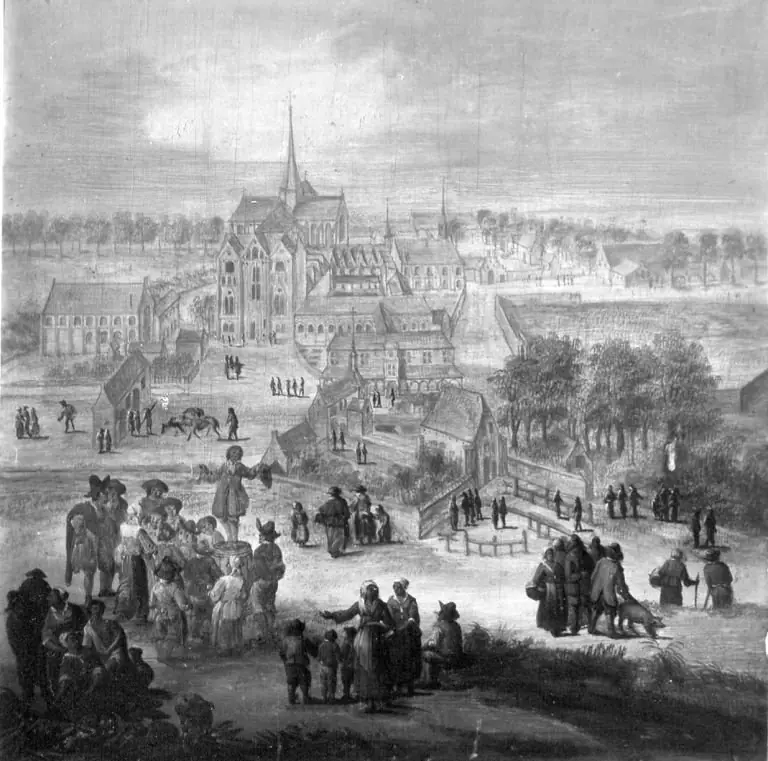
Marktschreier vor einer Kirche
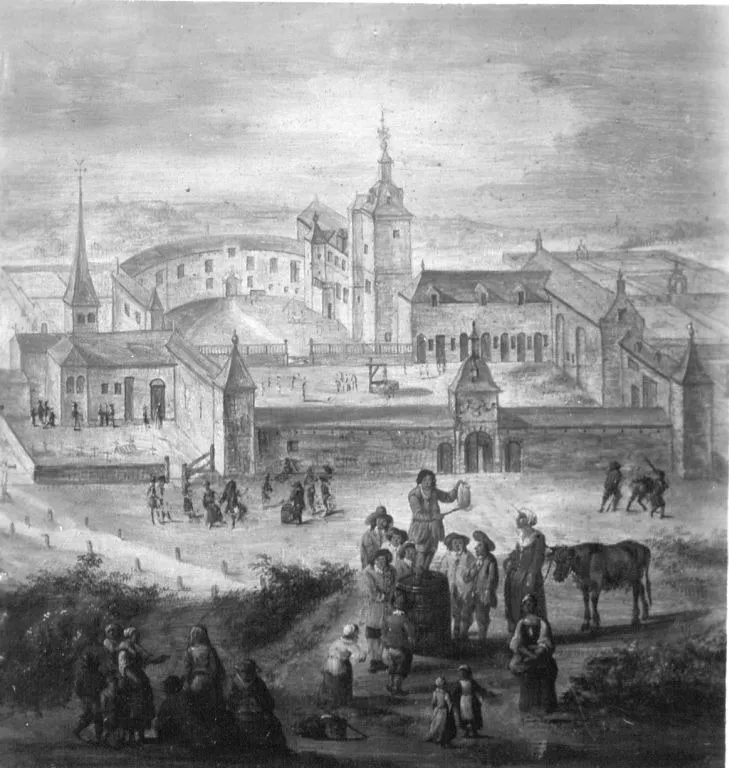
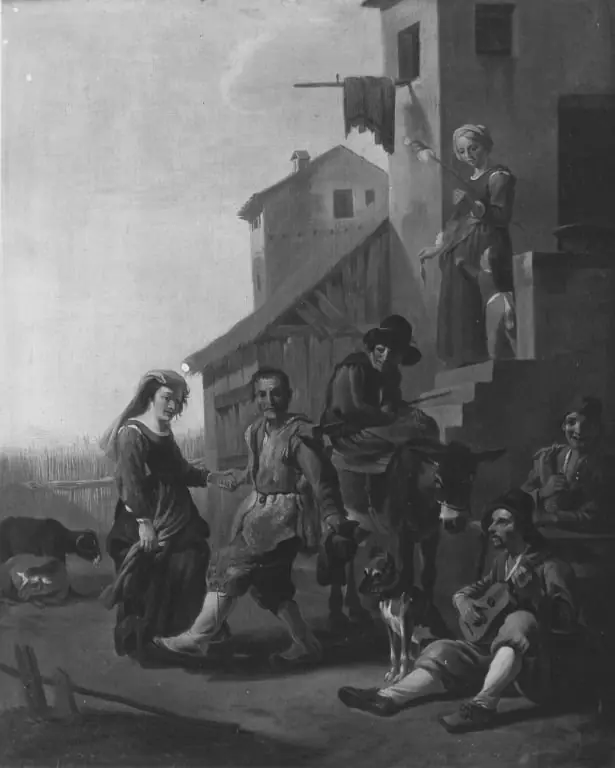
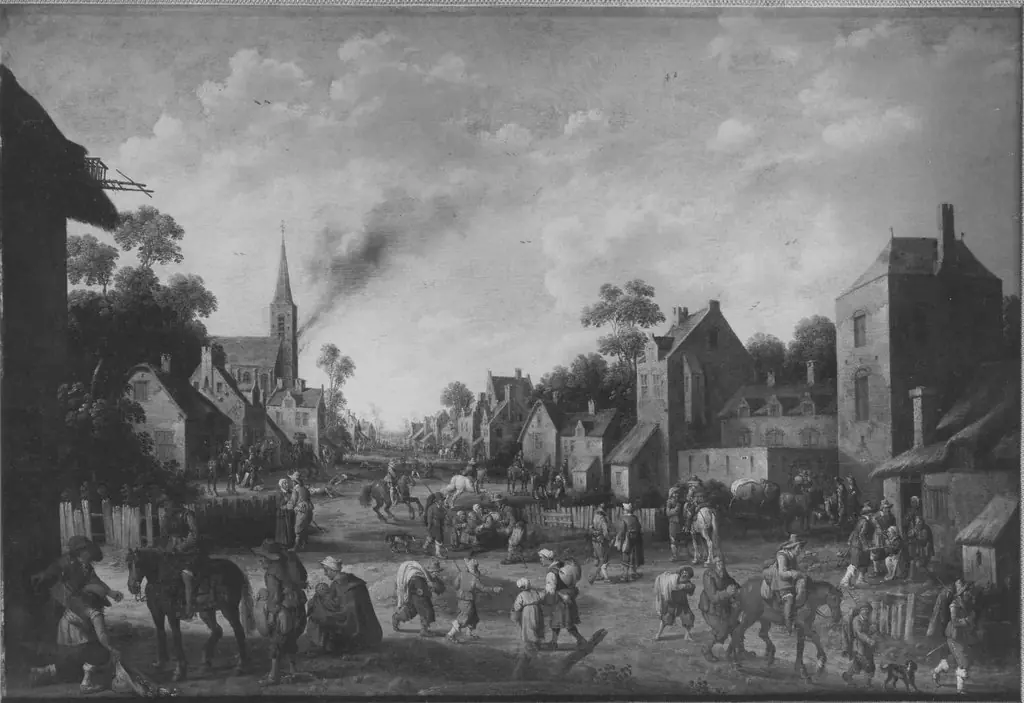
Marktschreier vor einer Kirche is an unspecified painting by the Dutch Golden Age artist Johannes Lingelbach. It dates from 1648 and is held in the collection of the Bavarian State Painting Collections.
About this work
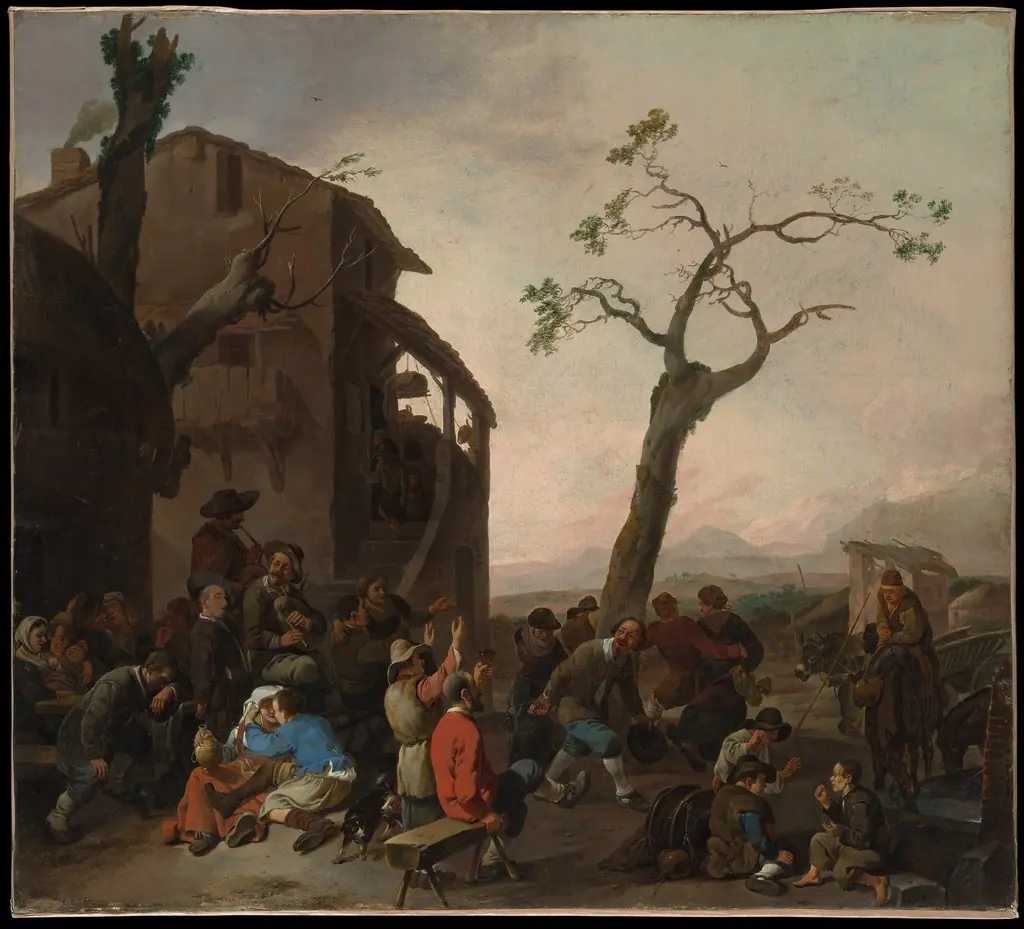
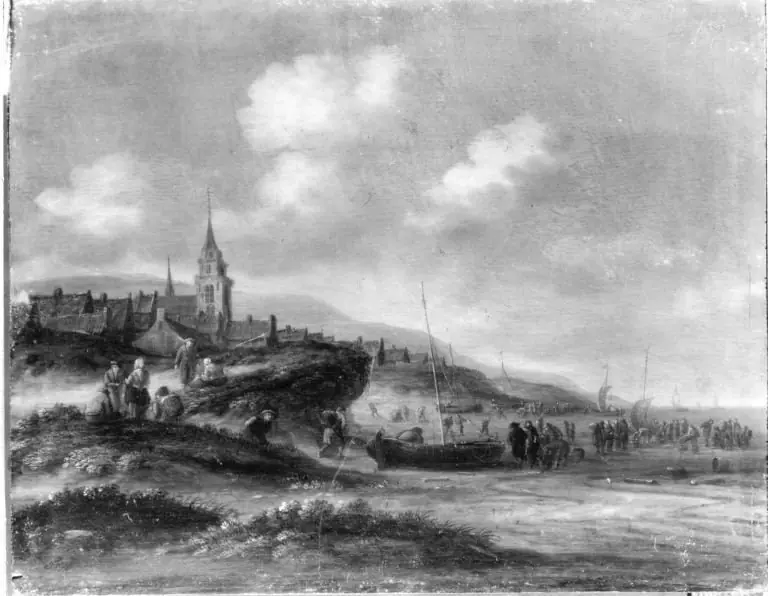
This painting depicts a bustling scene with people and animals in the foreground, set against a backdrop of buildings.
This painting depicts a bustling scene with people and animals in the foreground, set against a backdrop of buildings. The artist has used a range of colors to bring the scene to life, with the buildings and sky rendered in shades of gray and the people and animals depicted in more vibrant hues.
In the foreground, a group of people are gathered around a man who appears to be selling something from a cart. The people are dressed in clothing typical of the 17th century, and the man's cart is laden with goods. In the background, a large building dominates the scene, with a tower rising above the rooftops.
The painting is a detailed and lively depiction of everyday life in the 17th century. For more information on the artist's use of chiaroscuro, look up the technique.
Overview
Painted in 1648 by Johannes Lingelbach, this work captures a street vendor in action before a church in a Roman urban setting. Lingelbach, a Dutch artist active in Italy during the mid-17th century, aligned himself with the Bambocciate tradition, which favored scenes of ordinary life. The painting is part of the Alte Pinakothek’s collection and reflects the Dutch Golden Age’s interest in genre subjects, even when executed abroad.
Subject & Meaning
A market hawker stands beside a cart piled with goods, calling out to a small crowd gathered near a church entrance. The scene suggests the intersection of commerce and sacred space, a common feature of European cities where daily trade occurred near religious sites. The vendor’s animated posture and the varied reactions of onlookers emphasize the vitality of public life, without overt moralizing or idealization.
Technique & Style
Lingelbach employs a restrained palette for the architecture—soft grays and muted tones—to ground the composition, while the figures and animals are rendered with warmer, more saturated colors. Brushwork is precise yet lively, capturing textures of fabric, wood, and fur. The arrangement of figures creates a naturalistic flow, guiding the viewer’s eye from the foreground activity toward the towering church in the distance.
History & Provenance
The painting entered the Alte Pinakothek’s collection in the 19th century, having passed through European private holdings after its creation. Lingelbach’s time in Rome exposed him to Italianate genre painting, which influenced his approach to urban scenes. Though not widely exhibited in his lifetime, his works gained recognition among collectors interested in Dutch artists working abroad during the Baroque period.
Context
In mid-17th century Rome, Dutch and Flemish artists formed a community known as the Bambocciate, who depicted low-life subjects with observational detail. Lingelbach’s scene reflects this trend, blending Dutch realism with Italian urban architecture. The presence of a church in the background situates the vendor’s activity within a broader social framework, where religious and commercial spheres coexisted in daily life.
Legacy
Lingelbach’s work contributed to the broader acceptance of genre painting as a legitimate subject within European art. While less celebrated than contemporaries like Pieter de Hooch, his focus on unidealized urban moments helped sustain interest in everyday life as worthy of artistic attention. This painting remains a quiet testament to the quiet rhythms of 17th-century street culture.
Artist & collection
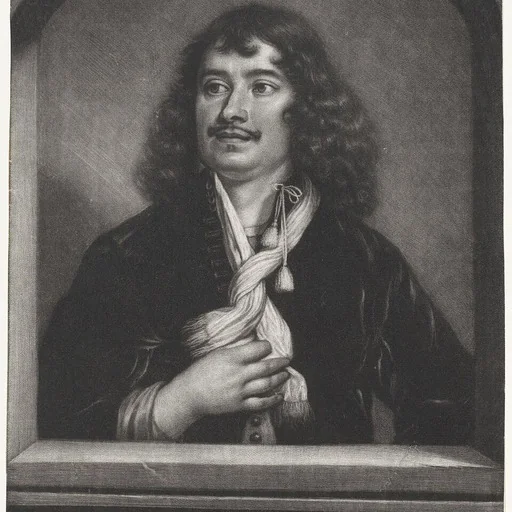
Artist
Johannes (or Johann) Lingelbach (1622 – 3 November 1674) was a Dutch Golden Age painter, associated with the second generation of Bambocciate, a group of genre painters working in Rome from 1625–1700.