Artwork
Amaryllis formosissima
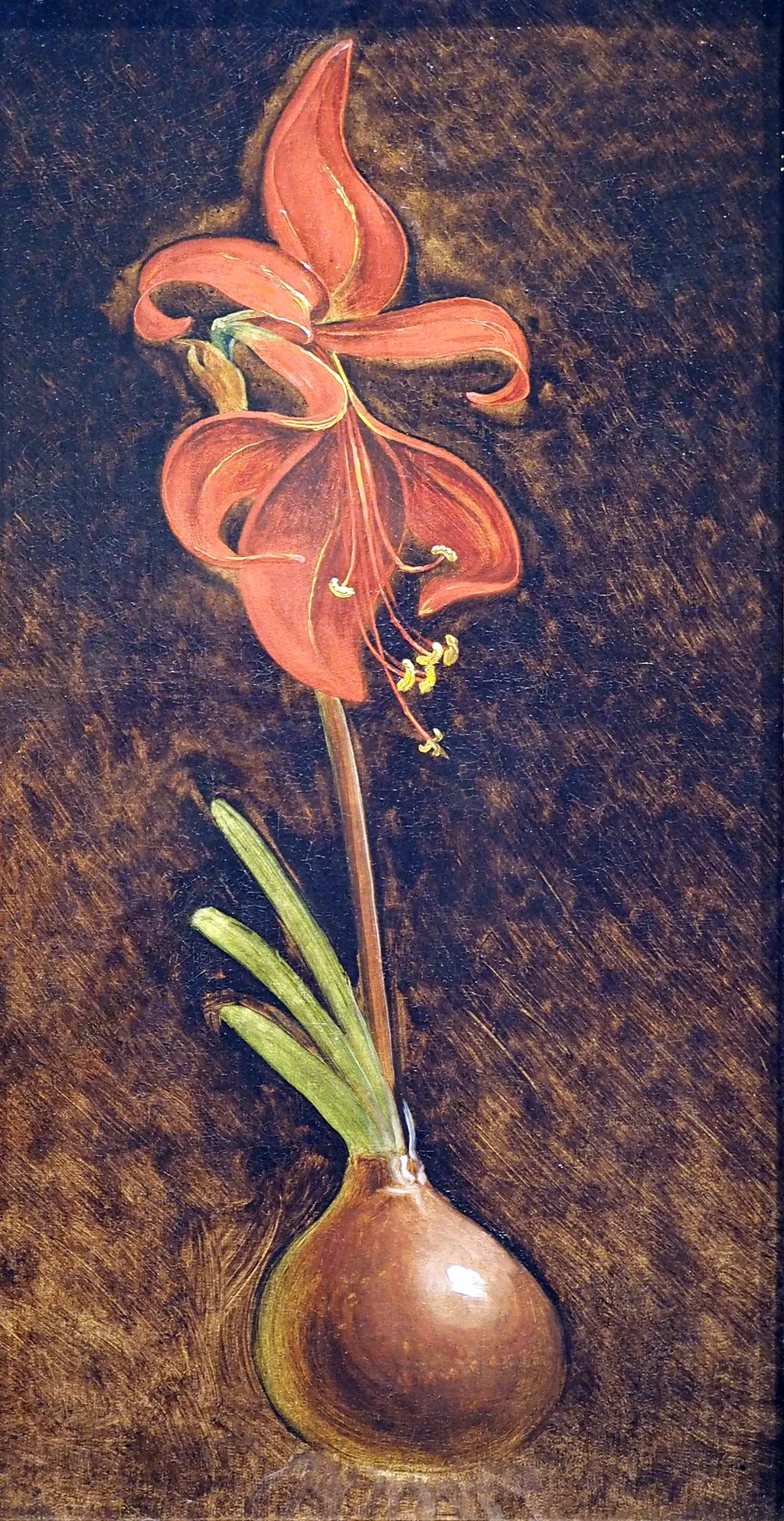
Amaryllis formosissima is an oil painting by Philipp Otto Runge. It dates from 1808 and is held in the collection of the Hamburger Kunsthalle.
About this work
Overview
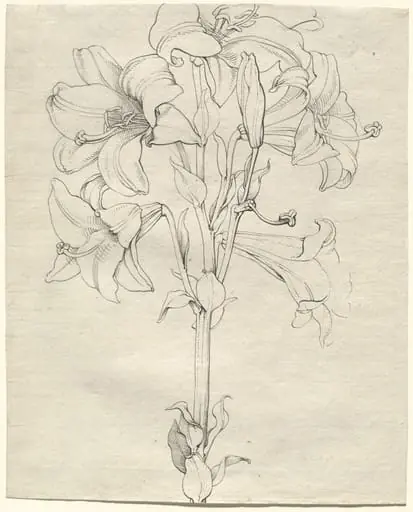
Philipp Otto Runge created the oil painting *Amaryllis formosissima* in 1808. The work depicts a single, vivid red amaryllis flower set against a muted, mottled brown backdrop. It is part of the collection of the Hamburger Kunsthalle in Hamburg, Germany, and exemplifies Runge’s interest in natural subjects within the Romantic period.
Subject & Meaning
The composition centers on a six‑petaled red blossom emerging from a slender stem attached to a brown bulb. The isolated presentation invites quiet observation, emphasizing the flower’s vitality and delicate structure. By focusing on a solitary botanical element, Runge aligns the piece with Romantic ideals of nature’s singular beauty and contemplative intimacy.
Technique & Style
Rendered in oil, the painting shows a realistic approach with visible brushwork that gives texture to both petals and stem. The curved petals convey a sense of movement, while the limited palette of reds, browns, and dark tones creates a restrained yet striking visual effect. Runge’s handling of light and surface highlights the flower’s form without elaborate background detail.
History & Provenance
Executed during Runge’s mature period, the work reflects his dual roles as painter and color theorist. After its creation, the canvas entered the holdings of the Hamburger Kunsthalle, where it remains on display. Its presence in the museum underscores Runge’s contribution to early 19th‑century German Romantic art and his lasting influence on botanical representation.
Artist & collection
Artist
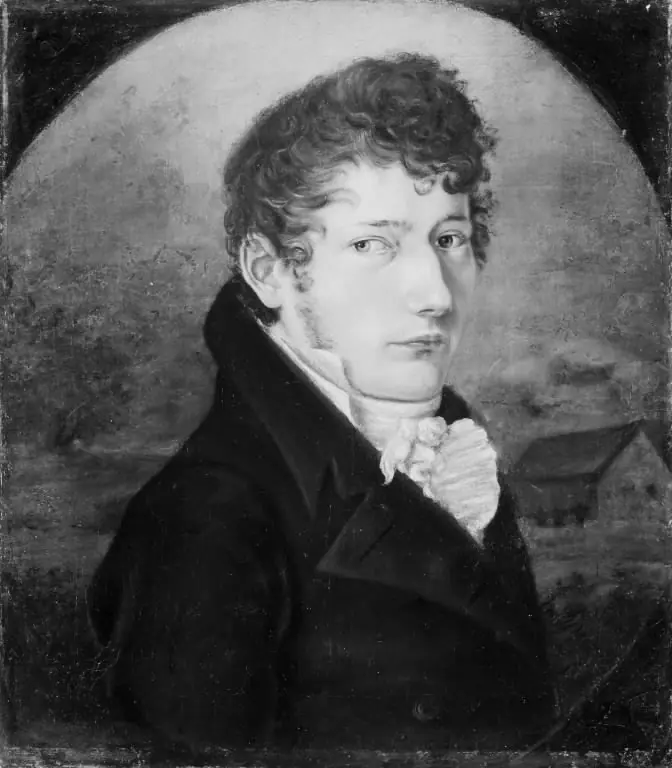
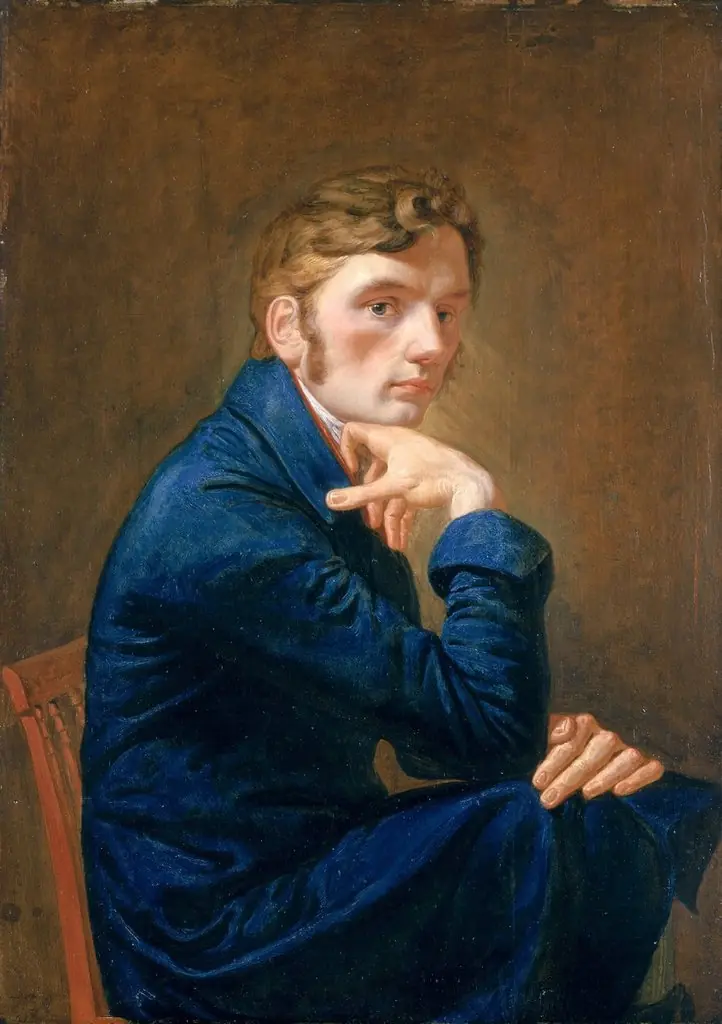
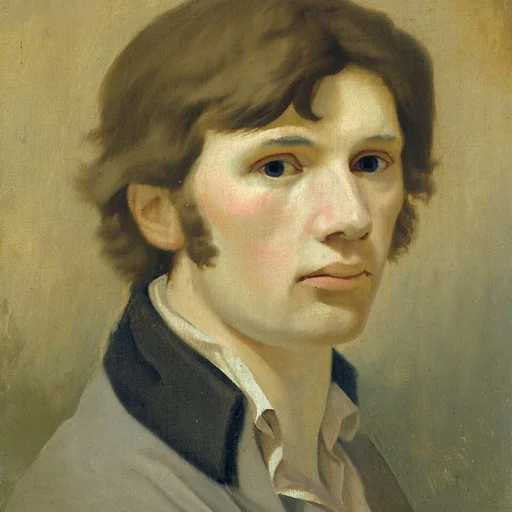
Philipp Otto Runge (German: ; 1777–1810) was a German artist, draftsman, painter, and color theorist.